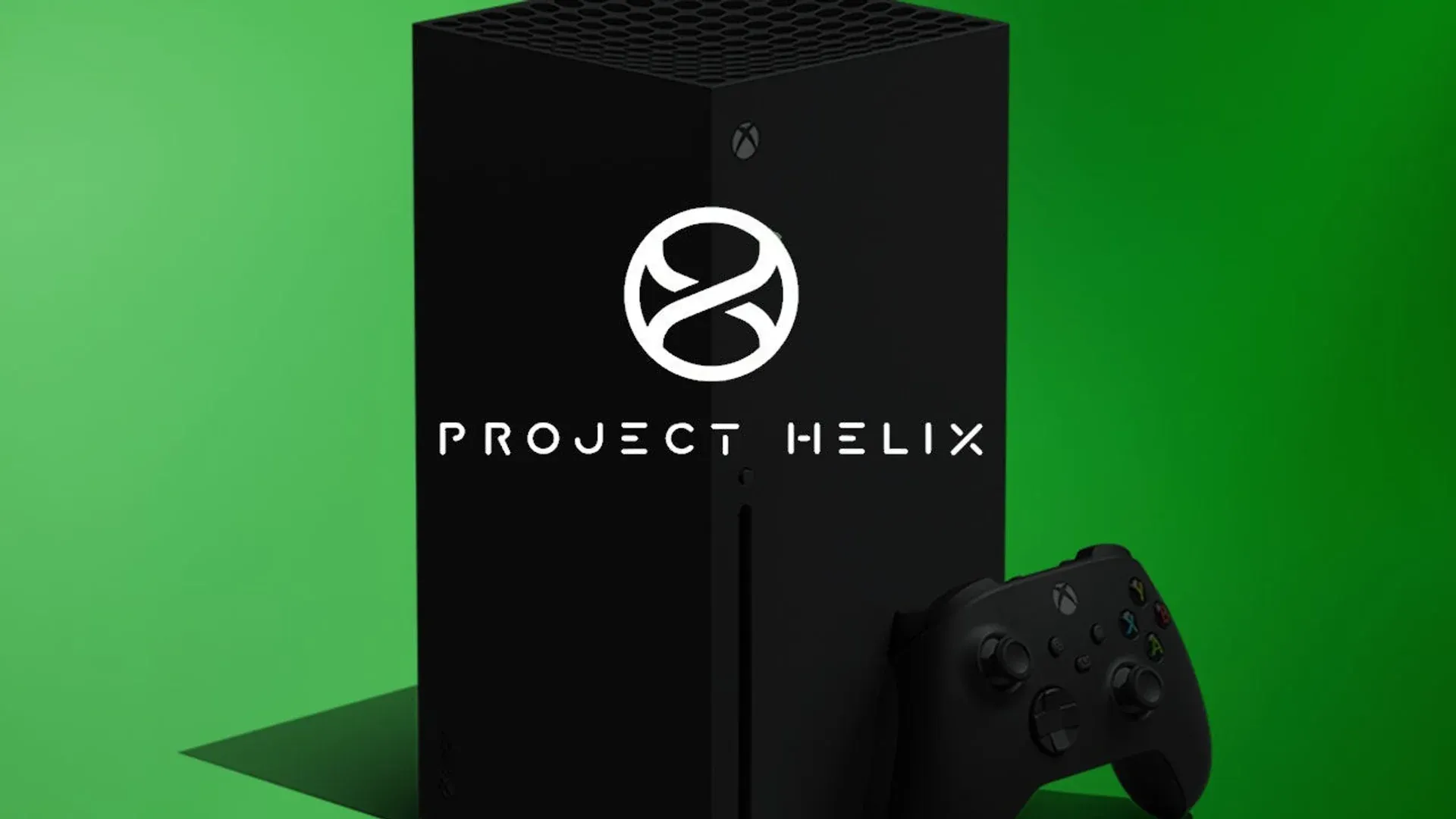

Twenty-five years ago, Microsoft set out to build a console that was basically a Windows PC in a box. Hardware constraints killed that idea before the original Xbox ever launched. Now, with Project Helix shaping up to be exactly that kind of machine, the person who helped build the first Xbox says the whole thing feels like a full-circle moment.
Ed Fries, one of the key architects behind the original Xbox, recently appeared on The Expansion Pass podcast and reacted to host Luke Lohr's observation that Project Helix sounds a lot like the original Xbox concept. Fries didn't hesitate. "Exactly, exactly. That's exactly right," he said. “It's very similar to what the original Xbox plan was. Not the Xbox we shipped. The original plan was that it was going to be a PC running Windows. It was basically just a PC that looked kind of like a console and pretended it was a console. But it was really a PC underneath.”
What the original Xbox was actually supposed to be
The Xbox that launched in 2001 ended up being "somewhere in between," according to Fries. The CPU and GPU were both components you could have found in a contemporary PC, but the operating system was stripped down and purpose-built for gaming. That compromise wasn't a creative choice. It was a technical necessity.
The core problem was RAM. Every byte consumed by the operating system was a byte unavailable to game developers, and in 2001 that tradeoff was simply too costly. Fries explained it plainly: "Any bit that you had allocated to the operating system was a piece you couldn't use in a game, and game developers desperately needed every little bit they could get."
So Microsoft pivoted. The original Windows-based concept was shelved, and the team built a leaner, more custom platform that handed as much of the hardware as possible directly to developers. The idea wasn't wrong. The timing just was.
info
Microsoft officially described Project Helix as a "next generation console" that will "play your Xbox and PC games" in its announcement. The Xbox Wire developer blog on Project Helix confirms the machine is designed to deliver leading performance across both libraries.Why 2026 is different from 2001
Fries is clear that the original concept wasn't flawed, just premature. The gap between PC and console gaming has narrowed dramatically over the past two decades. Cross-play is standard across many titles. Controllers work natively on PC. The Steam Deck proved that a PC running a gaming-focused OS can sit comfortably in a living room.
The RAM problem that sank the original plan is also effectively gone. Fries acknowledges there's a current economic wrinkle, noting "we're in some weird glitch of the global economy where RAM is expensive again," but frames it as a temporary anomaly against a backdrop of hardware abundance that would have seemed impossible in 2001.
He also points to the design challenge that made the original hybrid vision difficult beyond just memory. Microsoft's own PC game catalog, titles like Age of Empires and Flight Simulator, didn't translate naturally to a controller-and-couch setup. Bungie solved that problem for FPS games with Halo, but the broader catalog was a harder sell. Today, that gap has largely closed.
What this means for players waiting on Project Helix
Here's the thing: the historical parallel Fries draws is genuinely encouraging for anyone invested in what Project Helix becomes. The concept has a clear lineage and a real rationale, not just a marketing pivot. Microsoft isn't inventing a new category so much as finally building the machine it originally wanted to build.
That said, the technical feasibility of the idea and its reception by players are two separate questions. Project Helix dev kits are reportedly set to roll out in 2027, which narrows the launch window considerably. Analysts have already flagged that next-gen console pricing could run 50% higher than the PS5 and Xbox Series X launch prices, which adds a real-world friction point that no amount of historical vindication can smooth over.
What most players miss in coverage like this is that the co-creator's enthusiasm isn't just nostalgia. It's a signal that the people who built Xbox from scratch see the current direction as coherent. For a platform that has spent several years struggling to articulate what it actually stands for, that kind of institutional clarity matters.
For a deeper look at everything confirmed so far, the GamesRadar breakdown of the original Xbox-Project Helix connection covers Fries' full comments from the podcast. The next few months of developer messaging will show whether Microsoft can translate a compelling origin story into a console that players actually want to buy. Make sure to check out more: