

If you ever loved a PlayStation game with a genuinely original hook, there's a good chance Japan Studio made it. Ape Escape, Shadow of the Colossus, Gravity Rush, Patapon, Astro Bot. That's an extraordinary legacy. So when Sony shut the studio down in 2021, the question that never fully went away was: why? Now, former Sony Interactive Entertainment Worldwide Studios president Shuhei Yoshida has given the clearest answer yet, and it comes down to one blunt business reality.
Sony needed God of War to sell PlayStations. Japan Studio was making something else entirely.
What Yoshida actually said at CEDEC
Speaking during his keynote at the Computer Entertainment Developers Conference (CEDEC), Yoshida addressed the Japan Studio closure directly, saying players around the world had told him it was "unbelievable" that Sony would shut it down. He agreed with them, at least partly. "At that time I was saying something similar," he admitted.
Here's the thing, though. Yoshida didn't stop at sympathy. He laid out exactly how Sony's internal priorities shifted as the industry moved from PS4 to PS5. Japan Studio's output, he explained, was a natural fit for the PlayStation Vita: creative, experimental, AA-scale games that didn't need enormous budgets to land. The problem was that Sony was no longer building a platform for those kinds of games.
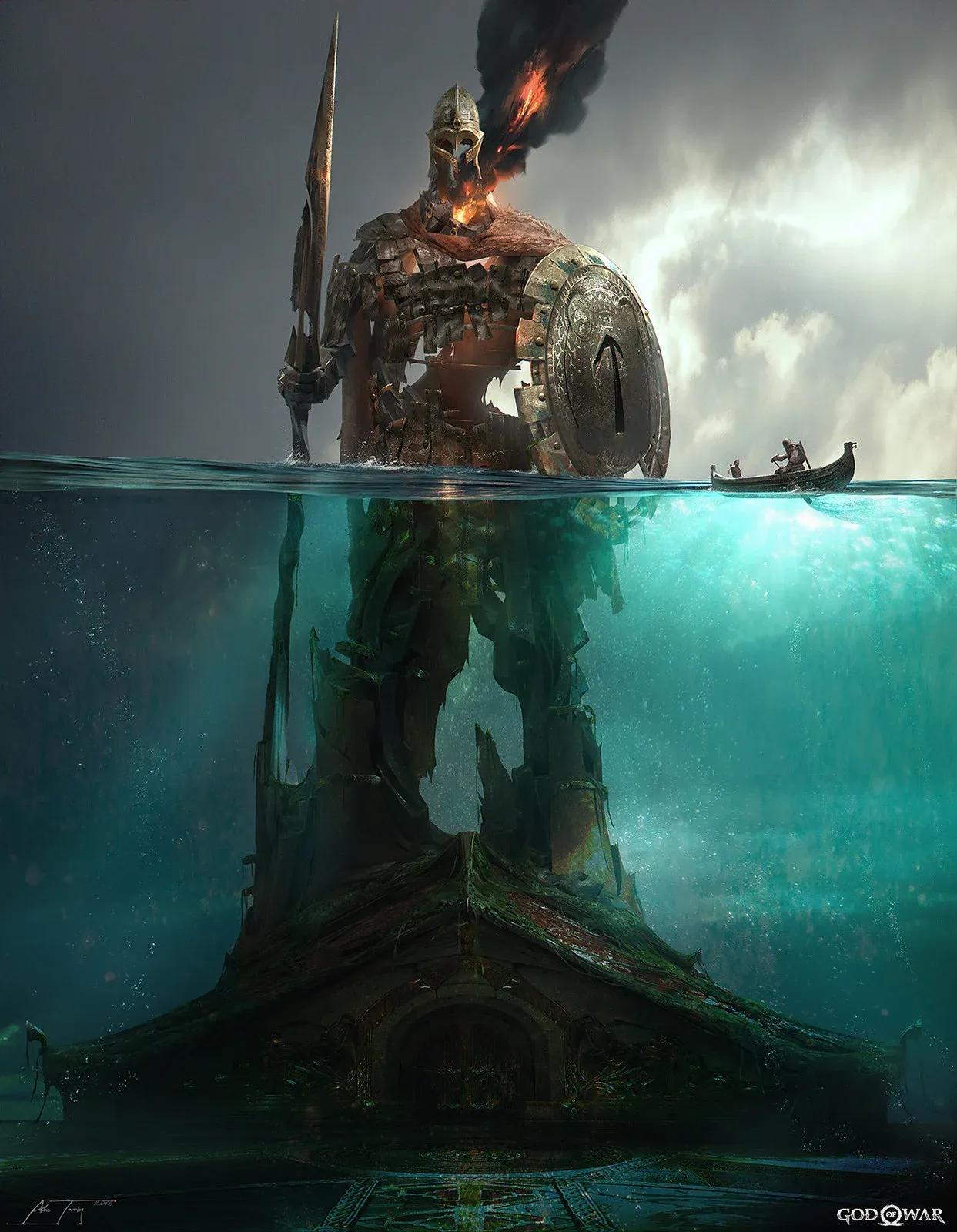
"As a company, PlayStation wanted to drive hardware sales with games like God of War and Uncharted, because that's the kind of game that's in demand," Yoshida said. "It's hard for Japan Studio to launch a new series on console."
The AA gap that swallowed a studio
The shift from AA to AAA wasn't just a budget conversation. It was a fundamental change in what Sony expected its first-party output to accomplish. A God of War or Uncharted title functions as a hardware system seller, the kind of game that makes someone buy a console specifically to play it. Japan Studio's catalog, as beloved as it was, didn't move units the same way.
Yoshida pointed out that Keiichiro Toyama, the creator of Silent Hill and later Gravity Rush, had multiple project ideas that never got greenlit before Japan Studio closed. Those concepts simply couldn't clear the bar Sony had set for what a PS4 or PS5 exclusive needed to be.
The numbers tell the story without much editorializing needed. Japan Studio's Vita and VR output sold modestly. God of War (2018) sold over 23 million copies. The math isn't complicated, even if the loss still stings.
The developers who carried those ideas out the door
Yoshida didn't end his remarks on a note of corporate inevitability. He turned it into a direct appeal to players. Toyama, after leaving Sony, founded Bokeh Game Studio and released Slitterhead. Patapon creator Hiroyuki Kotani has Ratatan in development. Both projects carry the DNA of Japan Studio's experimental approach, just outside the PlayStation ecosystem now.
"Players who loved Japan Studio's creative games," Yoshida said, should support the developers who made them by playing those new titles.
That's a meaningful distinction. The studio is gone, but the creative instincts that defined it didn't disappear. They scattered across independent studios, taking the ideas Sony couldn't justify funding with them.
What this tells us about Sony's first-party strategy
This isn't the first time Yoshida has spoken candidly about the cost of PlayStation's AAA pivot. He's previously said the industry has "lost a lot of variety" as development costs climbed, and that the PS1 era produced a wider range of experimental titles precisely because budgets were small enough to absorb risk.
The Japan Studio closure fits that broader pattern. Sony's first-party lineup in the PS4 and PS5 era is genuinely impressive, but it's also remarkably uniform in scope and ambition. Every major release is a cinematic, third-person, high-production-value experience. God of War, Spider-Man, Horizon, The Last of Us. All excellent. All playing in the same register.
What most players miss is that this consistency came at a direct cost. The studio that made Katamari-adjacent experiments, rhythm-based combat games, and gravity-defying platformers didn't fit that template, and Sony made a deliberate call to stop funding it.
Yoshida's candor here is worth noting. He's not spinning the closure as a strategic masterstroke. He's describing a business decision that he personally had reservations about, made by a company that had decided hardware sales mattered more than creative diversity. That's a rare admission from someone at his level, and it reframes the Japan Studio story as something more than a simple budget cut.
For anyone who wants to see what those developers would have built with more runway, Slitterhead and Ratatan are the closest thing available right now. Check out the God of War guides collection if you want to revisit what Sony's AAA bet actually produced, or browse the broader gaming guides hub for more across PlayStation's first-party catalog.