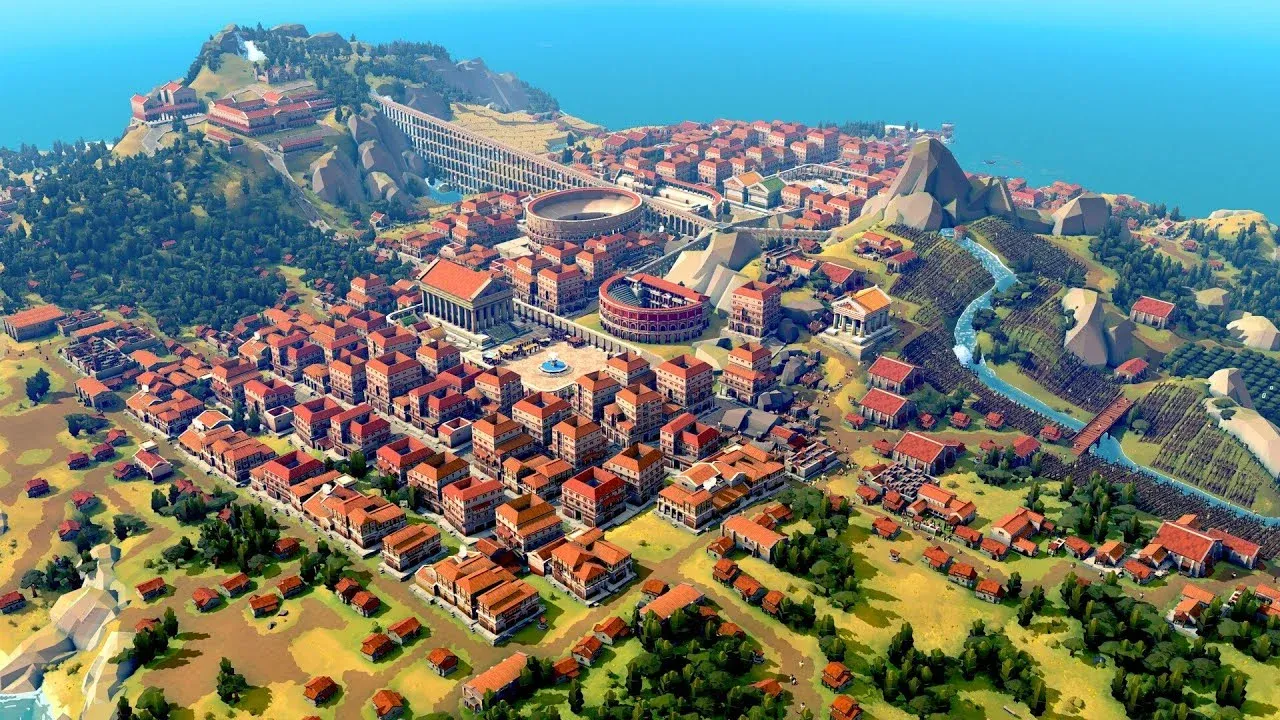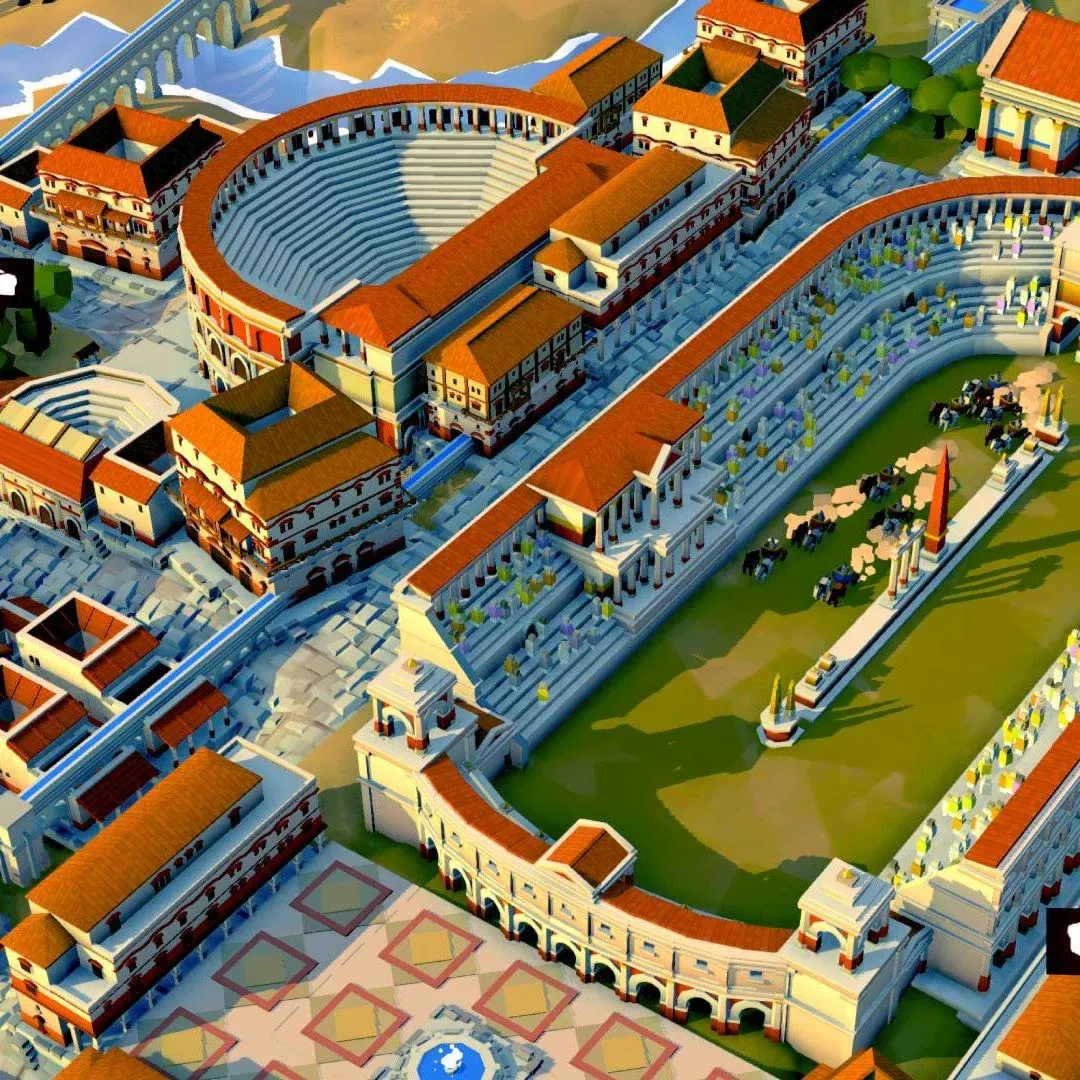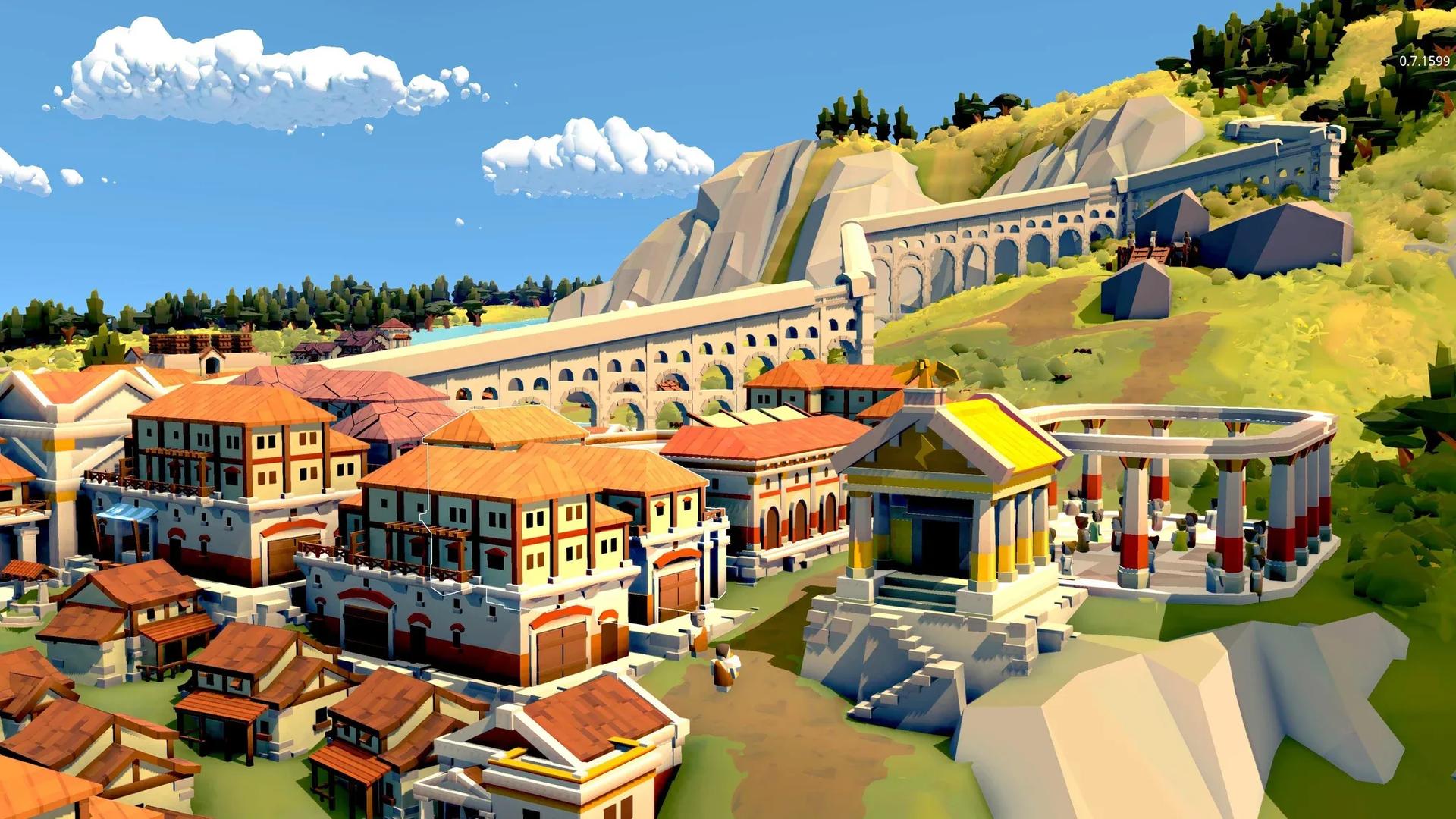

Nova Roma, the city-builder from Lion Shield available in Early Access on the Epic Games Store, gives you a deceptively simple premise: flee a crumbling Rome, find an island, and rebuild civilization from scratch. The religion and technology systems are where most new players hit a wall. Ignore the gods for a few in-game years and Jupiter will personally remind you why that was a bad idea, usually by setting your Senate on fire. This guide covers every Olympian deity, how to place temples for maximum effect, how Divine Tasks work, and which technology unlocks to prioritize first.
What is the Favor system in Nova Roma?
Favor is the core currency of Nova Roma's religion mechanics, represented in the UI by a star inside a laurel wreath. You earn it primarily by constructing and dedicating temples, completing Divine Tasks, and making resource offerings to specific gods. Favor then feeds directly into the Technology Tree, where you spend it to unlock new buildings, production chains, and city improvements.
The first structure you need is a Small Temple, which costs 10 Wood and 20 Stone. Once built, you dedicate it to one of the five available Olympian deities, which immediately grants +2 Favor. From there, you can activate the Favor of the Gods passive on that temple by spending 1 Favor. This unlocks a permanent area bonus within the temple's effective radius, and that placement decision matters more than most players realize.

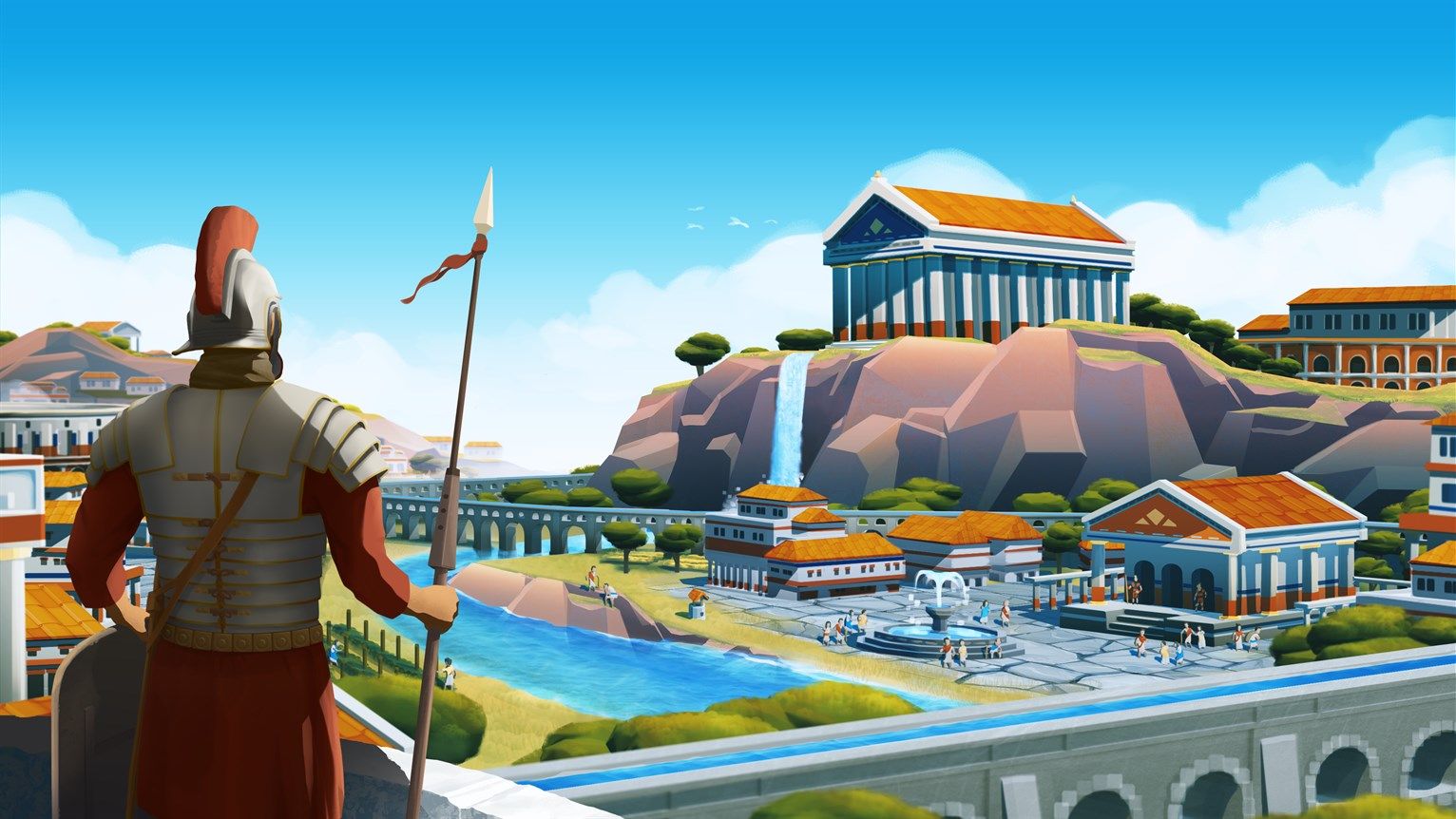
All five gods and their bonuses explained
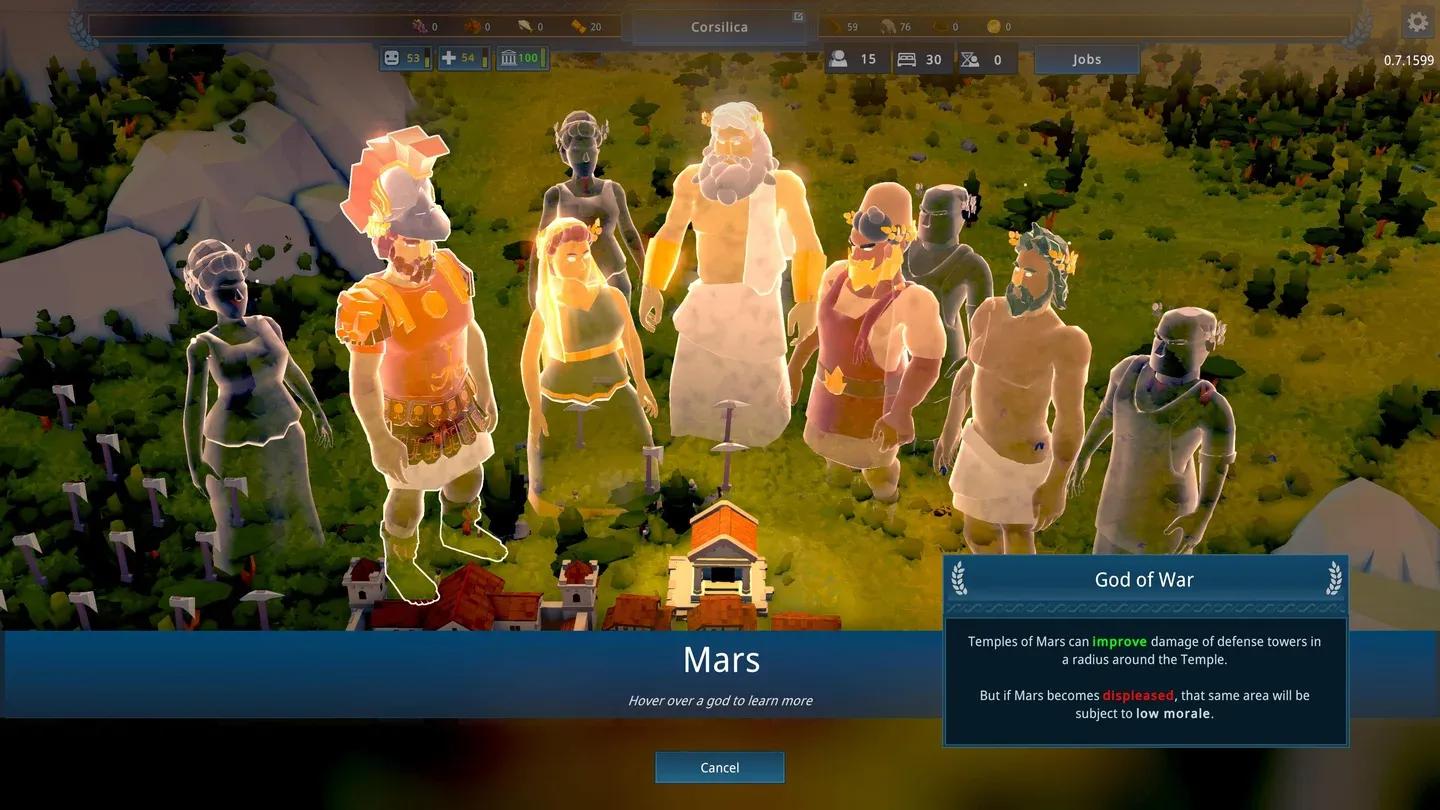
Nova Roma currently features five Olympian deities, each tied to a specific production category. Here's the full breakdown:
| God | Domain | Favor of the Gods Bonus | Ideal Placement |
|---|---|---|---|
| Jupiter | Thunder, King of Gods | +3 citizen happiness within a 5-tile radius | Surrounded by Hovels and Insulae |
| Ceres | Agriculture and Fertility | +1 output to the 3 nearest Farms, Vineyards, and Orchards | Center of your farming cluster |
| Neptune | The Sea | +1 fish yield to the 5 nearest fishing buildings | Coastal, near Fishing Huts |
| Vulcan | Fire and the Forge | +1 output to the 5 nearest fire-based industry buildings | Next to Charcoal Makers and Weaponsmiths |
| Mars | War | +25% damage to the 3 nearest defense towers | Adjacent to Guard Tower clusters |
The practical takeaway here is that Ceres is the single most valuable early-game deity. Her farm output bonus compounds fast when you have three or four agricultural buildings in range, and food shortages are the number one reason early settlements collapse. Build her Small Temple first, position it centrally in your farming district, and activate Favor of the Gods immediately.
Jupiter is your second priority if you're expanding residential zones quickly. The +3 happiness radius stacks well when you pack Insulae around the temple, and happy citizens are less likely to abandon your city during resource crunches.
Ceres temple radius over farms
How do Divine Tasks work?
Each deity issues Divine Tasks, which are objectives tied to that god's domain. Completing them earns additional Favor beyond what temples provide. Jupiter wants population growth and happiness-boosting buildings. Mars demands Guard Towers and Weaponsmiths. Ceres asks for Bread donations, while Vulcan requests Stone.
Almost every god will eventually ask for Gold donations, so getting a Tax Office running early isn't optional. Higher-tier Insulae apartments also generate tax income passively, which makes the Housing tech branch more economically important than it first appears.
Gods will also demand that you construct Large Temples and eventually Grand Temples as your city grows. Don't treat these as optional vanity projects. Large Temples unlock Festivals, which cost Gold, Wine, and Grapes but deliver significant happiness boosts to your population. Grand Temples unlock god-specific emergency powers that you spend Favor to activate:
- Jupiter: Cancels rain, droughts, and floods
- Ceres: Instantly satisfies all citizen hunger and diet requirements
- Neptune: Sinks enemy invasion ships
- Vulcan: Extinguishes all active fires city-wide
- Mars: Temporarily boosts friendly troop damage and movement speed
The Neptune and Vulcan Grand Temple powers are situationally the strongest. Neptune's ship-sinking ability can neutralize an entire naval raid for the cost of some Favor, and Vulcan's fire suppression is a genuine lifesaver in dense industrial districts where fires spread fast.
What's the best tech tree path for early game?
The Technology Tree in Nova Roma is unlocked with Favor, which is why the religion system and tech progression are inseparable. Spending Favor efficiently in the early game determines whether your settlement stabilizes or spirals into a resource crisis.
After testing multiple settlement configurations, here are the branches worth prioritizing in roughly this order:
Agriculture and Food comes first. Place Fishing Huts near shoaling fish immediately since fishing provides weather-independent food production that buffers against drought seasons. Grape Vines near Farms set up your future wine export economy. Dedicate Ceres and Neptune temples close to these buildings before anything else.
Housing is the second unlock to chase. The Small Insula tech lets more citizens share a single building footprint, and a Food Counter on the ground floor of a Small Insula adds a happiness bonus. Denser, happier housing means more tax income with less urban sprawl.
Finance follows immediately. The Tax Office is the backbone of your Gold income, and almost every Divine Task eventually demands Gold donations. Running without one for too long puts you behind on both religion and construction simultaneously.
Utilities should come next, specifically the Fire Brigade. Dense industrial zones catch fire regularly, and without suppression infrastructure the damage compounds fast. A Fire Brigade near a well handles most early-game blazes before they spread.
From there, the priority order depends on your playstyle, but Industry unlocks are generally more valuable than Entertainment in the mid-game. Foresters eliminate the need to manually clear trees for Wood. Stone Quarries near Stone Deposits automate your building material supply. A Claypit and Charcoal Maker feed the Pottery Workshop, which produces goods that boost Insulae happiness. The Charcoal Maker also combines with Wheat from Farms to produce Bread, which is both a citizen food requirement and a Ceres Divine Task offering.
For Trade and Shipbuilding, the Dock combined with the Trading Agreements tech automates buying and selling specific resources. The Shrewd Dealmaking tech applies bulk purchase discounts, which matters once you're importing luxury goods for festivals.
The Epic Games Store's official Nova Roma religion and tech guide has additional context on how these branches interact if you want to plan further ahead.
How to prevent divine jealousy from destroying your city
Here's the mechanic most guides gloss over: the gods track each other. Pouring all your Favor and festival resources into Ceres while Neptune has a dirt-floor shrine is a fast way to lose your entire port district to a tidal wave.
The practical fix is rotation. Don't host back-to-back festivals for the same deity. Check the Religion tab regularly and treat any god sitting at "Indifferent" as an emergency, not a background task. Keeping all five temples at roughly the same architectural tier matters too. A marble Grand Temple for Jupiter next to a basic shrine for Mars will create problems.
The key resource bottleneck for festivals is Wine, which requires Grapes, a Pottery Workshop for containers, and a Winery in your production chain. Getting that chain running early gives you the flexibility to throw festivals on demand rather than scrambling when a god's meter drops into the red.
Logistics tips that keep your religion system funded
The religion system only functions if your underlying economy is healthy enough to supply it. A few logistics rules that make a real difference:
- Keep Granaries within 10 tiles of residential blocks. Transporters with long travel distances cause starvation even when granaries are full.
- Maintain a food production buffer of roughly 20% above your current population's needs. One bad harvest without reserves is unrecoverable in the early game.
- Place industrial buildings like tanneries and mines downstream from your aqueduct intake. Contaminated water triggers plague, which devastates the population you need to staff temples.
- Build Fishing Huts early as a secondary food source. Wheat farming is weather-dependent; fish production isn't.
For more strategies across all game systems, browse the latest guides on GAMES.GG to find additional city-builder tips and early access game coverage.