Search games, articles, guides...CtrlK
Sign InGet Started
Master Once Human's survival mechanics, base building, and combat from day one with this complete beginner's guide.

Written by Nuwel
Content Writer
See more GAMES.GG guides on Google
Add us as a preferred source and our guides show up first in your results.
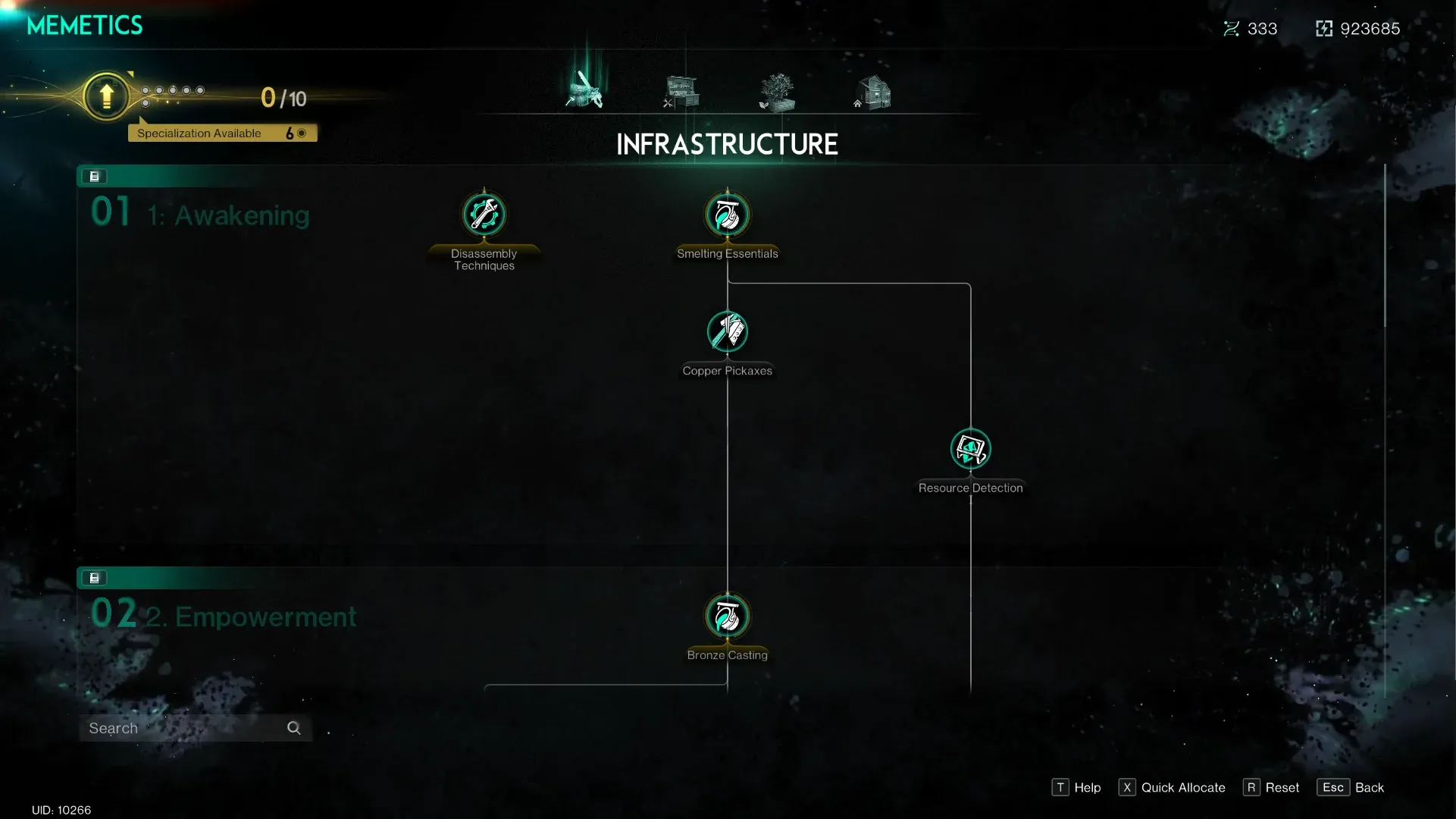
Once Human Memetics Guide: All Trees, Costs, and Unlock Order
Master Once Human's Memetics system with full skill tree breakdowns, Meme Point costs, and the smartest unlock order for every playstyle.
Once Human Beginner's Guide
Master Once Human faster with 18 essential tips covering base building, Deviants, Memetics, sanity, and server wipes.
Once Human Deviant Update Rundown
Everything you need to know about Once Human's Deviant Update 2.3.26, console beta on PS5 and Xbox, and the new Starchrom economy.
Once Human drops you into a post-apocalyptic open world with no hand-holding and a lot of ways to die. Developed by Starry Studio and published by NetEase Games, this free-to-play multiplayer survival game launched on July 9, 2024, and has since pulled over 168,000 reviews on Steam, sitting at "Mostly Positive" overall with a recent surge to "Very Positive" at 86% approval. The core loop is familiar if you've played survival crafters before, but the Stardust contamination system adds a layer of resource management that catches most newcomers off guard. Here's what you need to know before the wilderness eats you alive.
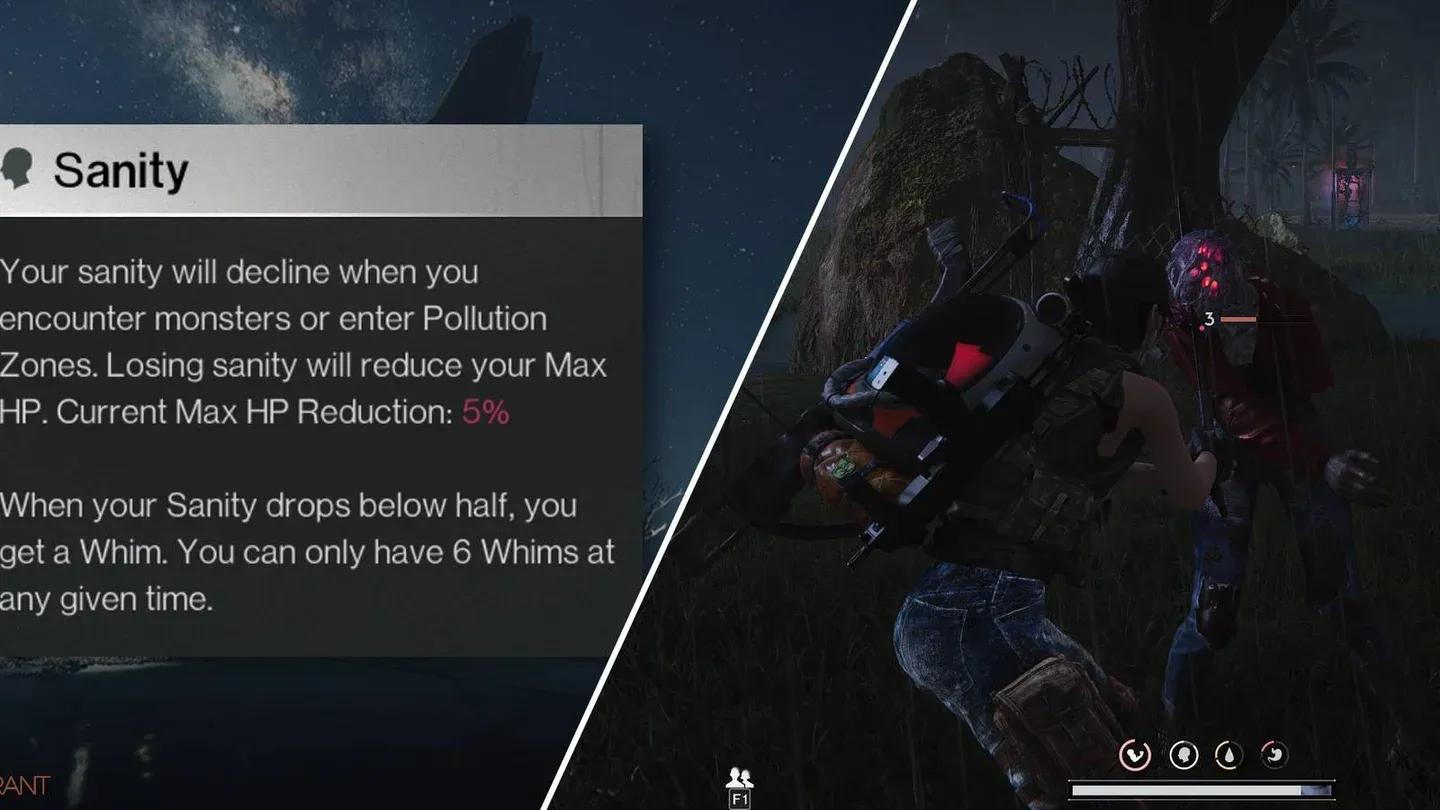
Sanity drops with contamination
The short answer is Stardust. This isn't just a lore element; it's a mechanical threat that affects everything around you. Stardust pollution doesn't just hit living enemies. It contaminates the soil and water, which means the food and drink you find in the world can reduce your Sanity stat. When Sanity drops, your maximum HP shrinks with it. That's a double penalty most players don't see coming.
This creates a genuine dilemma early on: do you eat the contaminated food and risk losing max HP, or do you go hungry and take the stamina hit? Neither option is clean, and that tension is exactly what the game is built around. You're not just managing hunger and thirst like in most survival games. You're managing the slow corruption of your character from the inside out.
Once Human also leans hard into its multiplayer structure. You can team up with friends for co-op play, compete in PvP, or mix both depending on the server type you choose. The game supports online co-op and PvP simultaneously, so the social layer matters from the start.
Once Human has roughly 100 gun blueprints split across seven categories. Every blueprint you collect or craft opens up new build options, and the depth comes from accessories and gun perks rather than just base stats. You can add different parts to any firearm and upgrade it well beyond its starting form.
This means early looting is about more than finding the highest-damage weapon. A lower-tier gun with the right perk combination can outperform a rarer weapon with mismatched parts. Pay attention to what perks each blueprint unlocks, not just the weapon tier.
| Category | Best for | Notes |
|---|---|---|
| Assault Rifles | Versatile combat | Strong mid-range option |
| Sniper Rifles | Boss fights, distance | High single-target damage |
| Shotguns | Close-quarters | Effective against grouped enemies |
| SMGs | Fast movement builds | Lower damage, higher fire rate |
| LMGs | Sustained fire | Heavy, but strong for long encounters |
| Pistols | Backup weapon slot | Lightweight, reliable fallback |
| Special | Unique mechanics | Blueprint-dependent, often powerful |
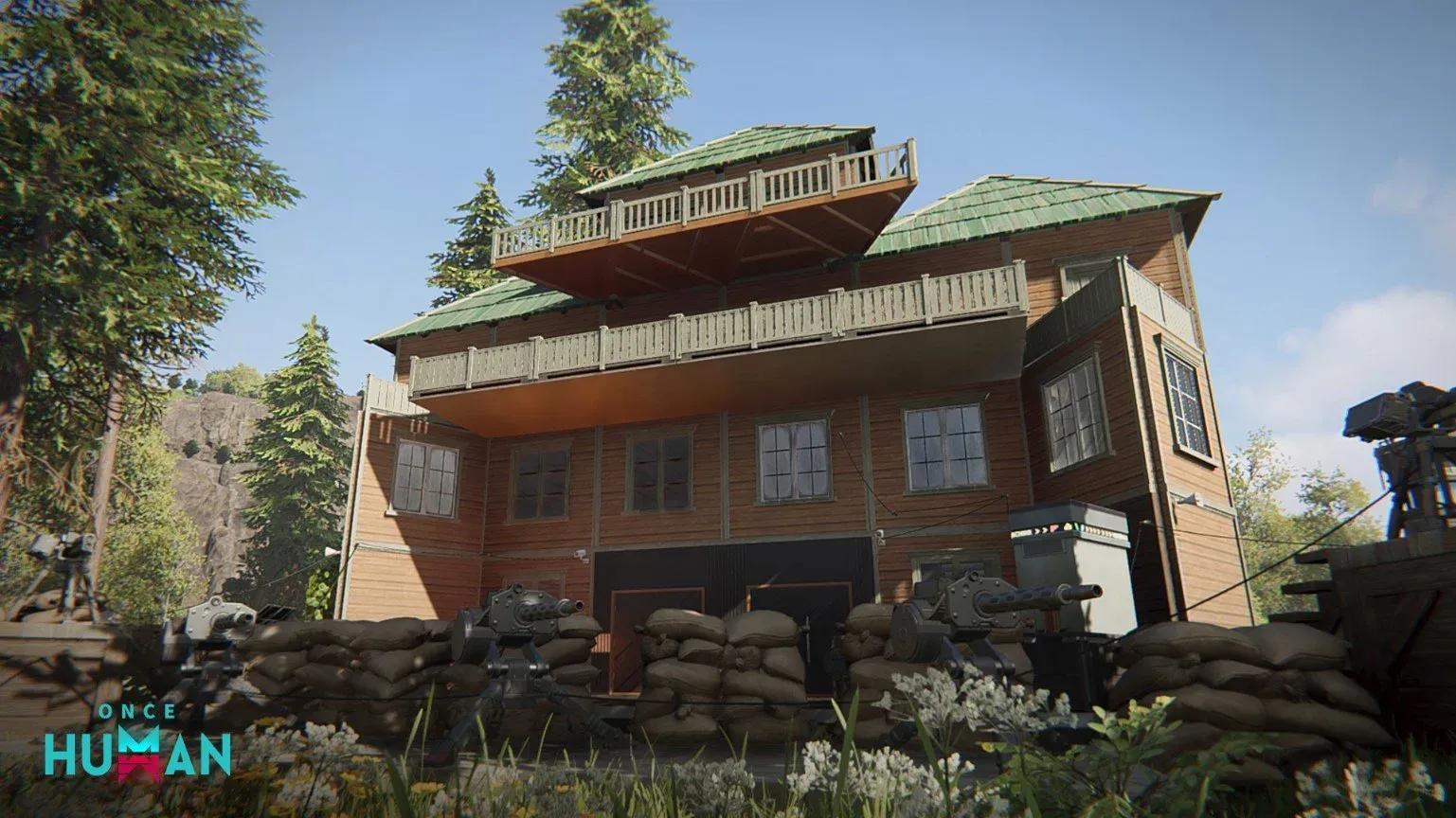
Base building centers on the Territory Core, which you place to claim a piece of land as your own. From there, you can build anything from a bare-bones survival shelter to a multi-room structure with a kitchen, garage, and patio. The game gives you genuine creative freedom here.
The standout feature is relocation. You can move your entire territory at any time, which removes one of the biggest frustrations in survival games: committing to a bad location early and being stuck with it. If you build near a resource node that dries up, or you want to reposition closer to a new area of the map, just pack up and move.
For new players, the practical advice is to start small. Build what you need to survive and craft, then expand once you understand the resource flow. Overbuilding early wastes materials you'll need for weapon upgrades.
Once Human's enemy roster includes creatures that were once human, transformed by Stardust corruption. Beyond standard enemies, the game features dimensional bosses, which are the primary source of powerful gear and a key method for reducing Stardust pollution in an area. Defeating these bosses benefits not just your character but the wider survivor population in that region.
Boss fights in Once Human reward preparation. Your weapon perk loadout matters significantly here, and going in with mismatched parts is the fastest way to burn through resources without getting the kill. Test your build against standard enemies first to confirm your damage output before committing to a boss attempt.
Based on the game's core mechanics, here's a practical order of operations for your first session:
Once Human runs on Windows 10 64-bit minimum, with an Intel Core i5-4460 and GTX 750ti as the floor. The recommended specs call for an i7-7700 and GTX 1060 6G. The game requires 100 GB of storage, and an SSD is strongly recommended for load times.
With 86% positive reviews in the most recent period and a player base that spans 10 supported languages, the game is clearly in a healthy state heading into version 2.3.6, announced on April 9, 2026. The Stardust system gives it genuine mechanical identity compared to other survival crafters, and the combination of PvP, co-op, base building, and boss hunting means there's a real game here regardless of how you prefer to play.
The main friction points for new players are the learning curve around Sanity management and the sheer volume of blueprint options. Both become manageable once you understand the systems, which is exactly what this guide is here for.
For more survival game breakdowns and strategy content, browse more guides on GAMES.GG to find what fits your playstyle next.