Search games, articles, guides...CtrlK
Sign InGet Started

Master Once Human's Deviation system, base building, and seasonal progression with this complete beginner's strategy guide.

Written by Nuwel
Content Writer
See more GAMES.GG guides on Google
Add us as a preferred source and our guides show up first in your results.
Once Human Cross-Progression Guide: How to Link PC & Console Accounts
Transfer your Once Human progress between PC, PS5, and Xbox in minutes with this step-by-step account linking guide.
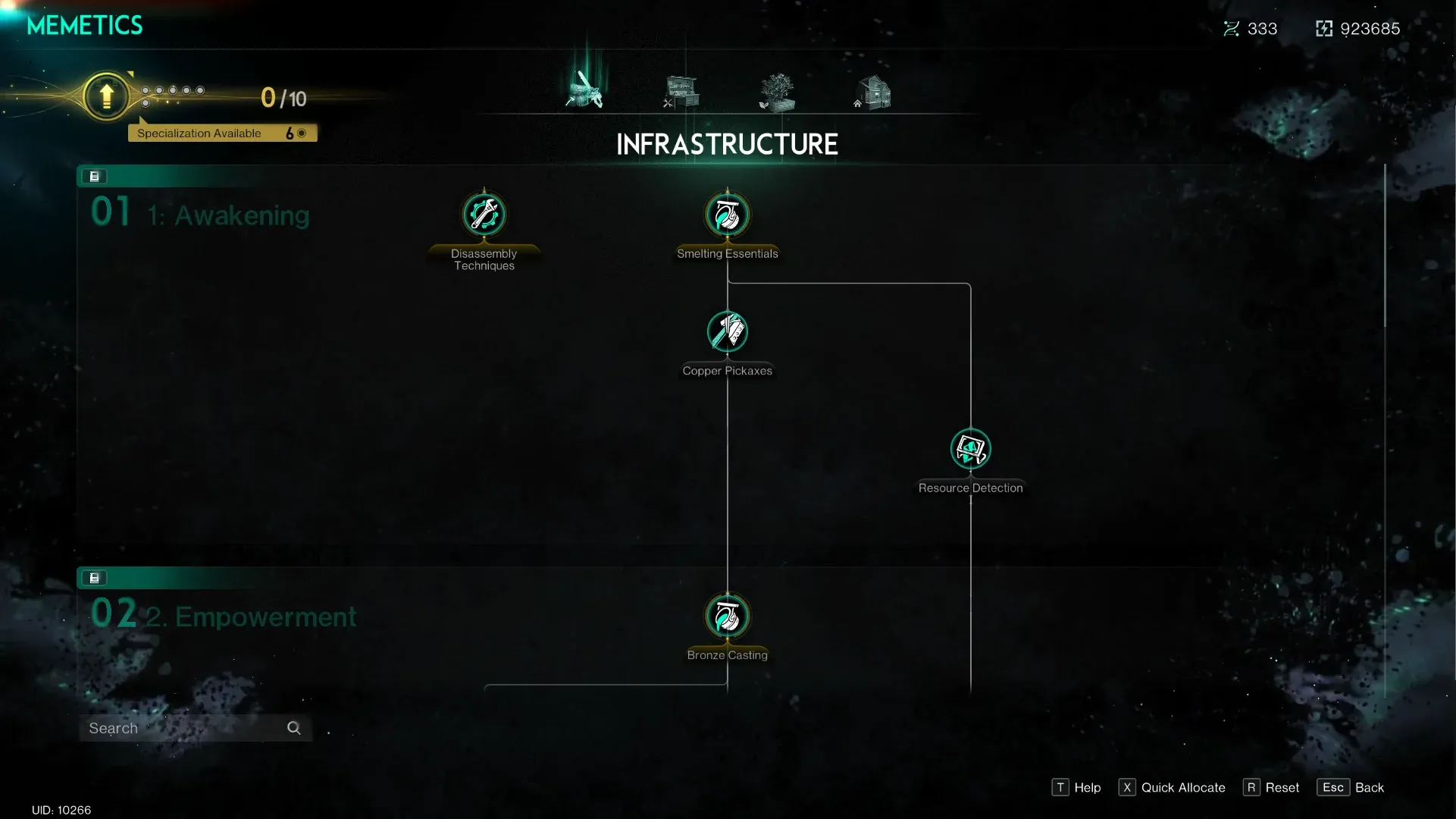
Once Human Memetics Guide: All Trees, Costs, and Unlock Order
Master Once Human's Memetics system with full skill tree breakdowns, Meme Point costs, and the smartest unlock order for every playstyle.
Once Human Beginner's Guide
Master Once Human faster with 18 essential tips covering base building, Deviants, Memetics, sanity, and server wipes.
Once Human drops you into a post-apocalyptic world infected by an alien substance called Starchrom, and the first few hours can feel overwhelming. You're juggling base construction, creature collection, gunfight mechanics, and a seasonal server structure that wipes your gear every few months. The good news: once the systems click, the game is genuinely compelling. This guide breaks down everything you need to hit the ground running, from your first territory claim to endgame world events.
Most survival games follow the same loop: gather wood, build a house, craft better gear, repeat. Once Human layers two systems on top of that foundation that change how the whole game feels.
The first is Deviations, mutated creatures you capture and deploy as combat companions, base utility workers, or passive buff sources. Some fight beside you, others generate resources while you're offline, and rare ones provide buffs that rival a full gear upgrade. Treating Deviation collection as a secondary concern is one of the most common mistakes new players make.
The second is the seasonal reset structure. Servers wipe periodically, taking your character level, gear, and territory with them. That sounds brutal, but the Cradle system preserves permanent account-level upgrades across every reset. Invest in Cradle upgrades early and you'll start each new season meaningfully stronger than before.
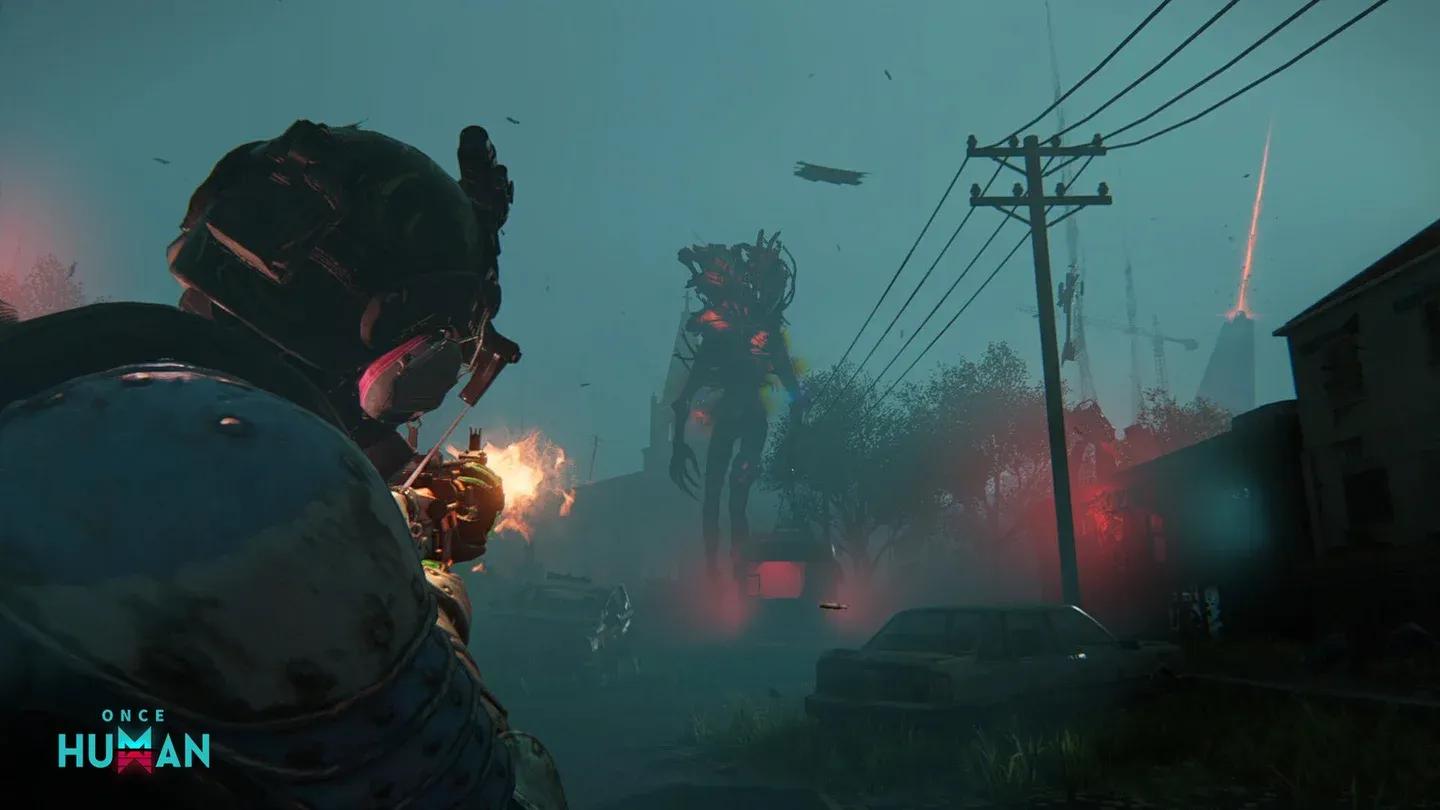
Deviation capture in action
Your base location matters more than how well you build it. A territory placed near resource nodes saves hours of travel over the course of a season. Before committing to a spot, scout the surrounding area for ore deposits, crafting materials, and proximity to world event spawn points. On PvP servers, your territory can be raided by other players. On PvE servers, your base is protected. Unless you specifically want the tension of player raids, PvE is the smarter starting choice.
The game's best equipment requires Starchrom-infused materials, which only drop from world events and high-level content. The crafting loop follows a standard survival pattern (gather, process, craft) but Starchrom gear sits in its own tier above everything else. Don't expect to reach it in your first few hours, but keep it as your medium-term goal.
Dynamic events spawn across the map and offer the best loot and Starchrom materials in the game. They scale with the number of players participating, so grouping up increases both your survival odds and your reward quality. Skipping events means slower progression than players who consistently show up for them.

World event reward overview
Five distinct build paths exist in Once Human, each suited to a different playstyle. Here's how they stack up:
| Build | Tier | Playstyle Summary | Key Stats |
|---|---|---|---|
| Firearm DPS | S | Mid-range assault rifles and SMGs, sustained damage | Weapon damage, accuracy, fire rate, crit chance |
| Support | A | Healing and buff Deviations, group-focused | Deviation effectiveness, healing power, group utility |
| Sniper | A | Long-range precision, stealth repositioning | Headshot multiplier, range, stealth |
| Deviation Master | A | Combat Deviations as primary damage source | Deviation damage, collection, enhancement |
| Melee Tank | B | Close-range tanking with heavy armor | HP, melee damage, armor, gap-closing |
Firearm DPS is the clear starting recommendation. Assault rifles and SMGs are available early, ammunition is common, and the playstyle (aim, use cover, mod weapons) is immediately intuitive. Even a basic AK-47 with solid weapon mods outperforms a rare unmodded weapon, so don't sleep on the modding system.
Melee Tank sits at B-Tier for a reason: closing distance in a gun-focused game is risky, and you'll need specific Deviations providing healing or damage absorption just to survive the approach. Save this one for when you understand the combat system well.
For players who enjoy a support role in group content, the Support build becomes invaluable during world events and dungeons, providing healing, damage buffs, and crowd control through Deviation abilities. It's weak solo but strong in any organized group.
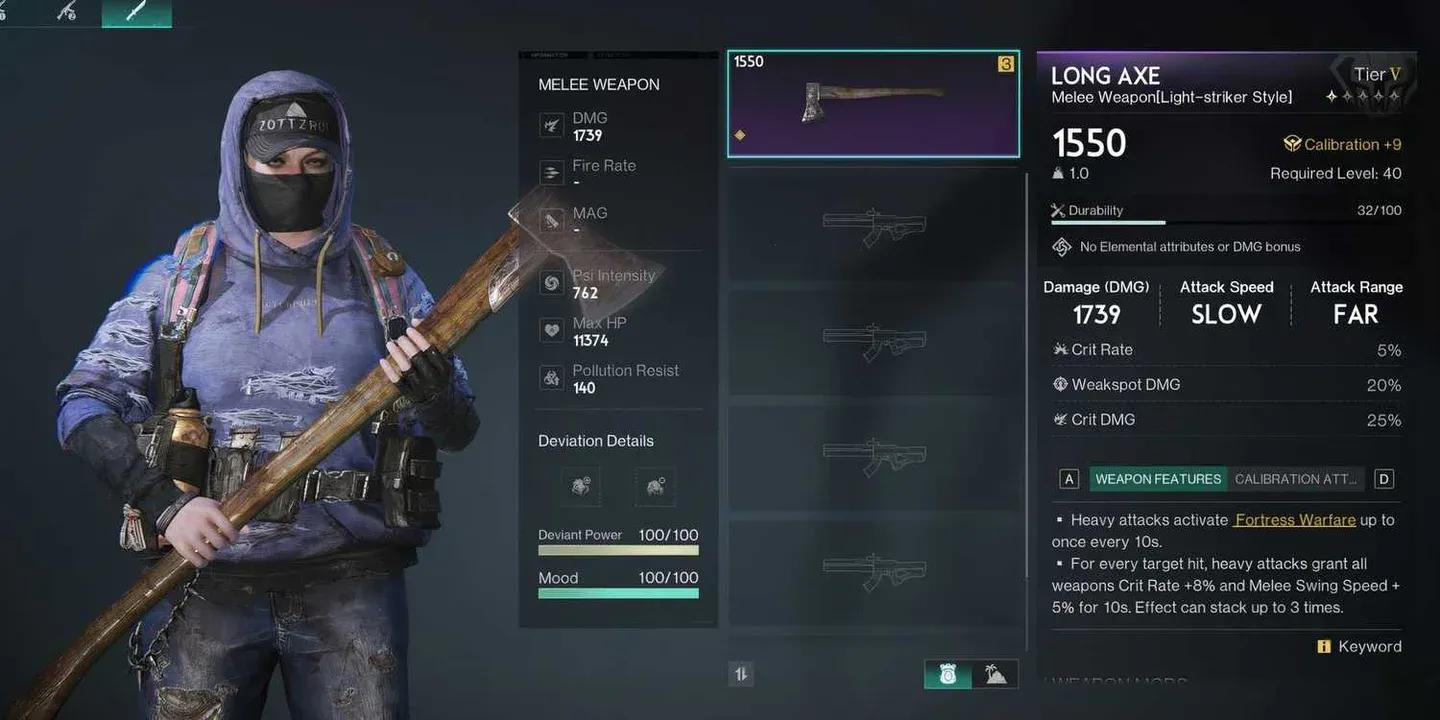
Weapon mod setup for DPS build
Once Human's weapon selection covers the standard survival shooter range, but a few stand out for new players:
| Weapon | Range | Best Use Case |
|---|---|---|
| AK-47 | Medium | All-purpose early and mid-game workhorse |
| SMG | Close-Medium | Sustained DPS, applies status effects fast |
| Shotgun | Close | Building clearing, tight spaces |
| Sniper Rifle | Long | Headshot one-shots, Sniper build essential |
| Pistol | Close | Emergency sidearm when primary runs dry |
The SMG deserves special attention: its high fire rate applies status effects from elemental ammunition faster than any other weapon type, making it a strong pairing with elemental builds even outside the dedicated Firearm DPS path.
Once Human's map is structured as a series of regions with escalating difficulty and reward quality. Moving through them in order keeps the challenge curve manageable:
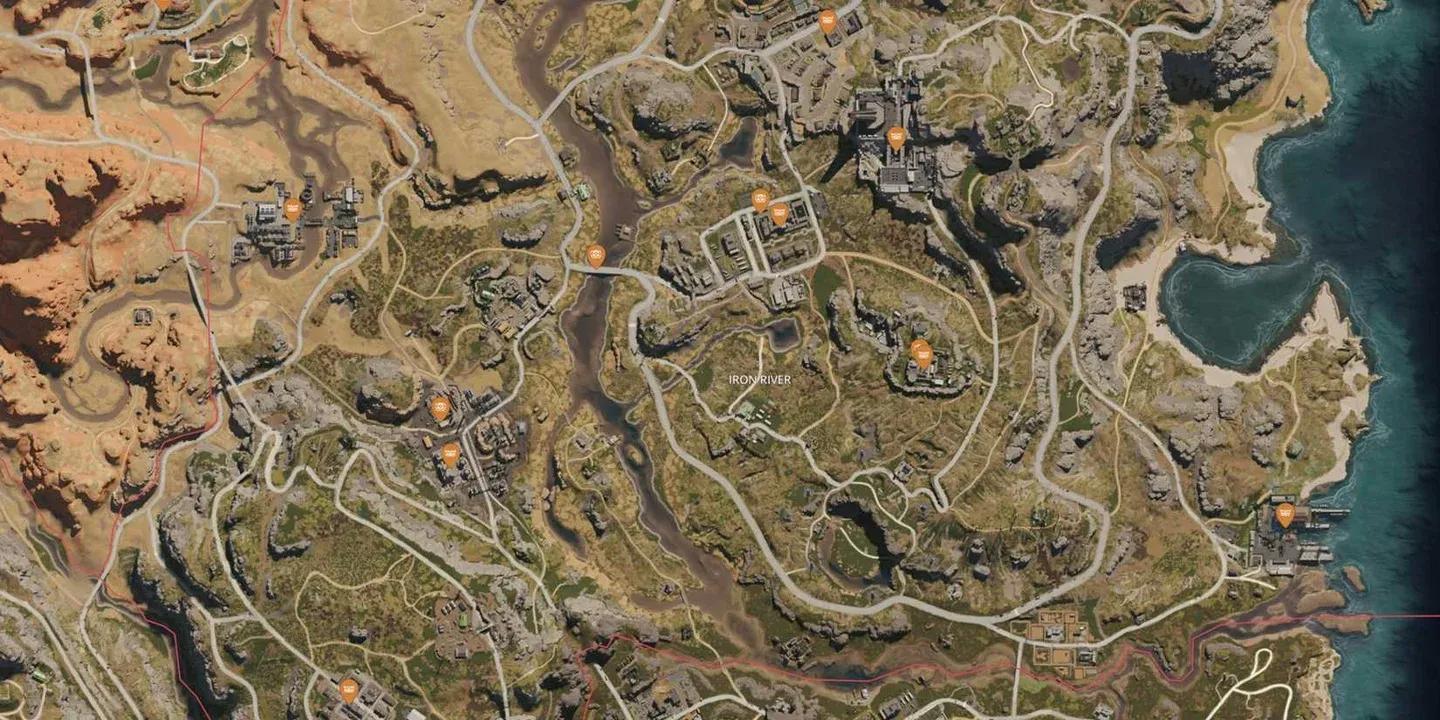
Iron River endgame zone layout
After spending time with Once Human's systems, a few patterns consistently hold new players back:
Both options exist. Servers are designated as either PvP (territory raiding allowed between players) or PvE (bases fully protected). The PvE designation doesn't remove any content, it only removes the player-vs-player layer. New players should start on PvE servers to learn the systems without the added pressure of base raids.
Character levels, gear, and territory are wiped at season end. Cradle system upgrades are permanent and carry over to every new season. This makes Cradle investment the most reliable long-term progression in the game.
Deviations are deployed before and during fights. Combat Deviations actively attack enemies alongside you, while utility Deviations provide passive buffs or healing. Always deploy your combat Deviations before engaging a fight. The power difference with and without them is significant.
For more survival game strategies and the latest gaming coverage, browse more guides at GAMES.GG.