Overview
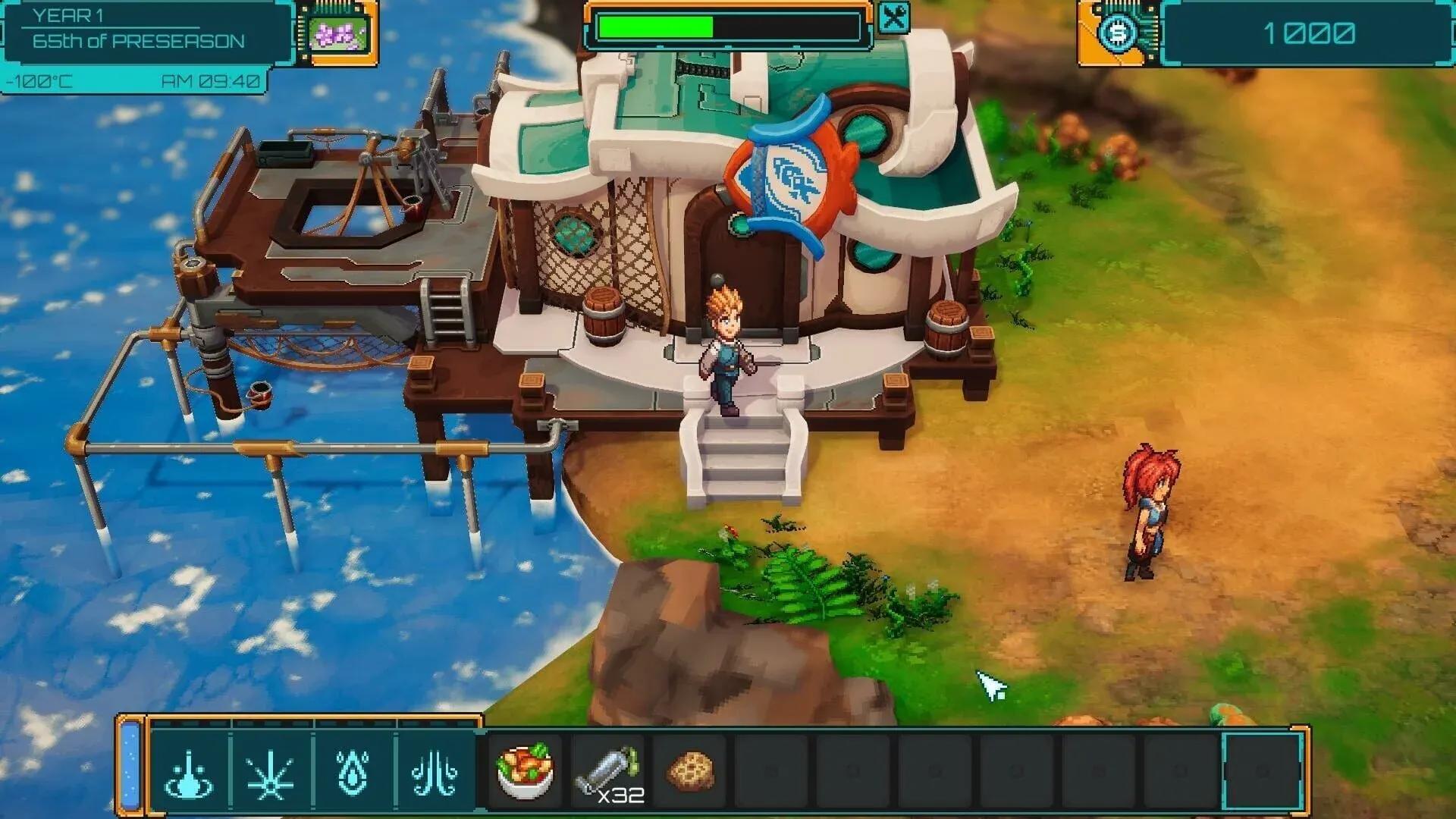
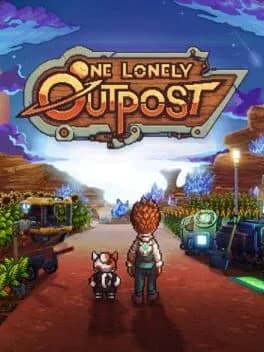
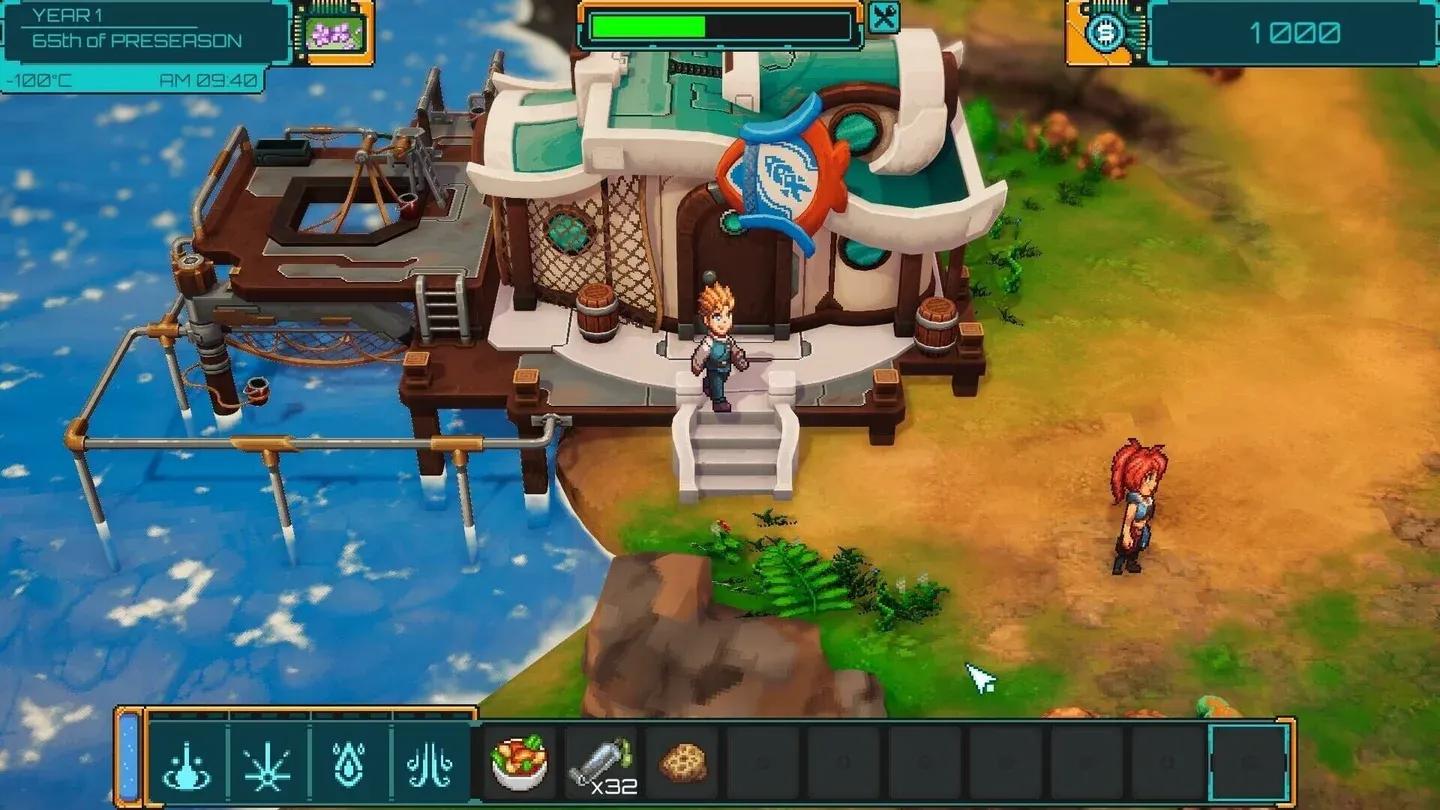
One Lonely Outpost is a farming simulation and colony-building RPG set on a desolate alien world. You start with almost nothing: an ancient space-RV, a handful of seeds, and a tech gauntlet that serves as your primary tool. The goal is to grow enough food to attract colonists, build out a functioning town, develop an economy, and eventually establish full independence for your settlement. It's the familiar farming sim loop, but transplanted into a sci-fi setting that gives it a distinct identity.
The game released on March 6, 2025, across PC (Windows and macOS), Xbox, PlayStation, and Nintendo Switch. Freedom Games handled both development and publishing, which is relatively uncommon and tends to give smaller studios tighter creative control over the final product.
What kind of farming does One Lonely Outpost offer?
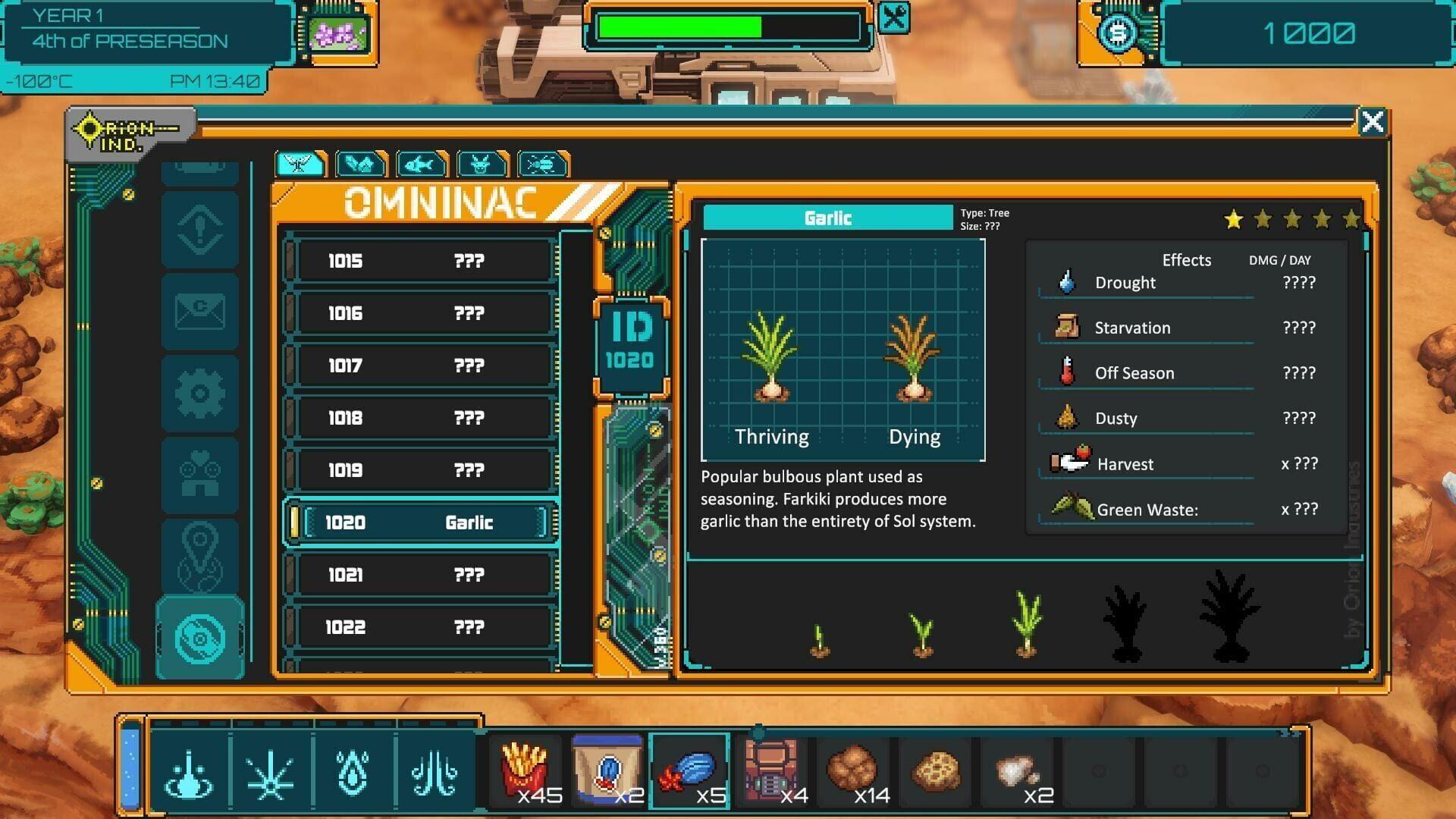
One Lonely Outpost gives players a real choice in how they approach food production. You can run a traditional, organic operation with natural crops and conventional livestock, or go full sci-fi with robo-cows and gene-spliced crops. This isn't just cosmetic. The two approaches represent genuinely different playstyles, and the game supports both without pushing you toward one.
Key farming and colony features include:
- Traditional crops and livestock
- Robo-cows and gene-spliced produce
- Colony growth tied to food output
- Town and economy building
- Independence as a long-term goal
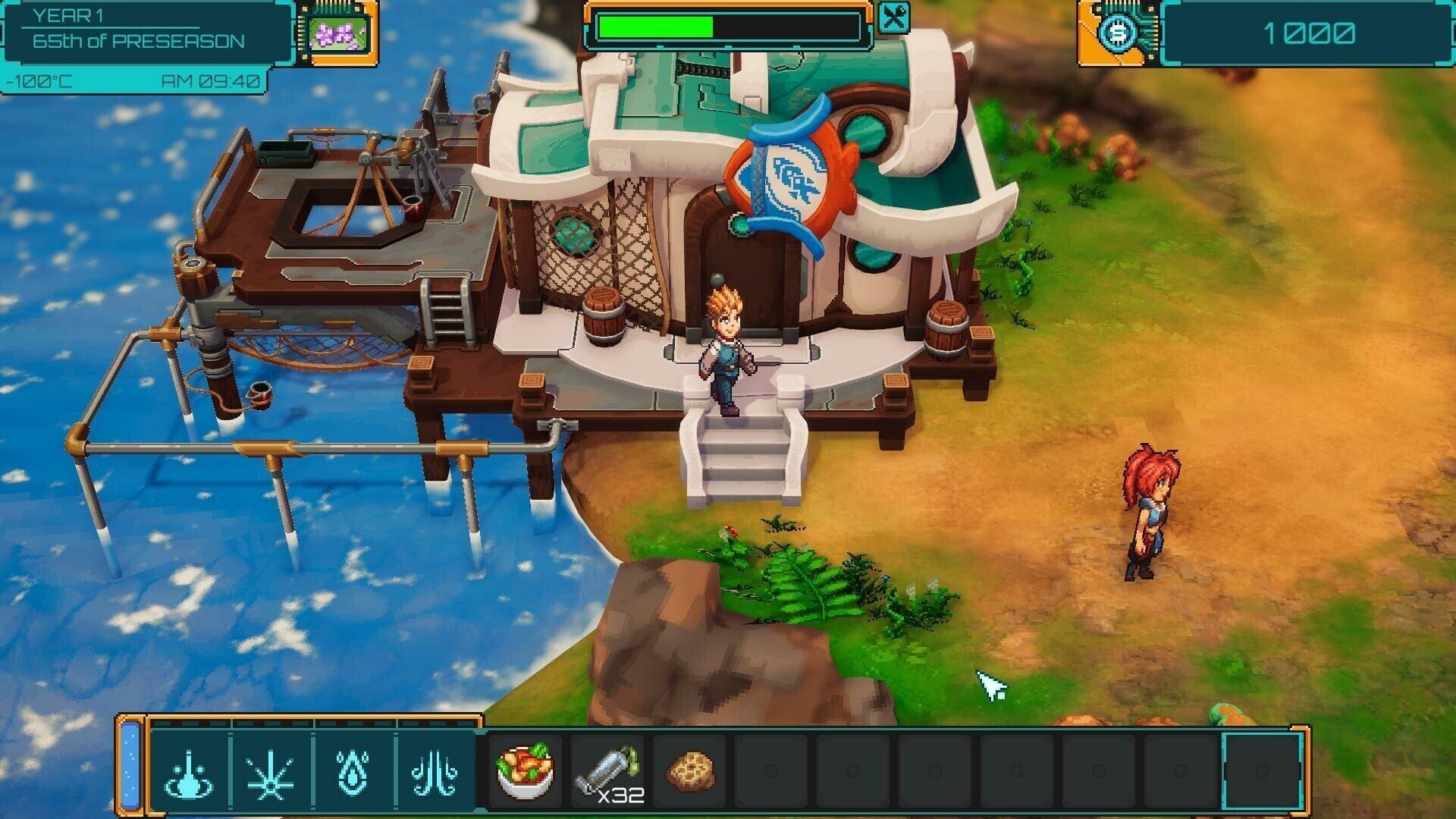
The colony-building side of things ties directly to farming output. More food means more colonists. More colonists means more infrastructure, more social options, and more economic activity. The loop is clean and purposeful, which is what separates a well-designed farming sim from one that just asks you to water plants indefinitely.
World and setting: what's waiting beyond the farm?
The alien world in One Lonely Outpost isn't just a backdrop. Scattered across it are ruins from a civilization that predates your arrival, and exploring them fills in the story of the planet while rewarding curiosity. It's a smart way to add narrative depth to a genre that often keeps story minimal.
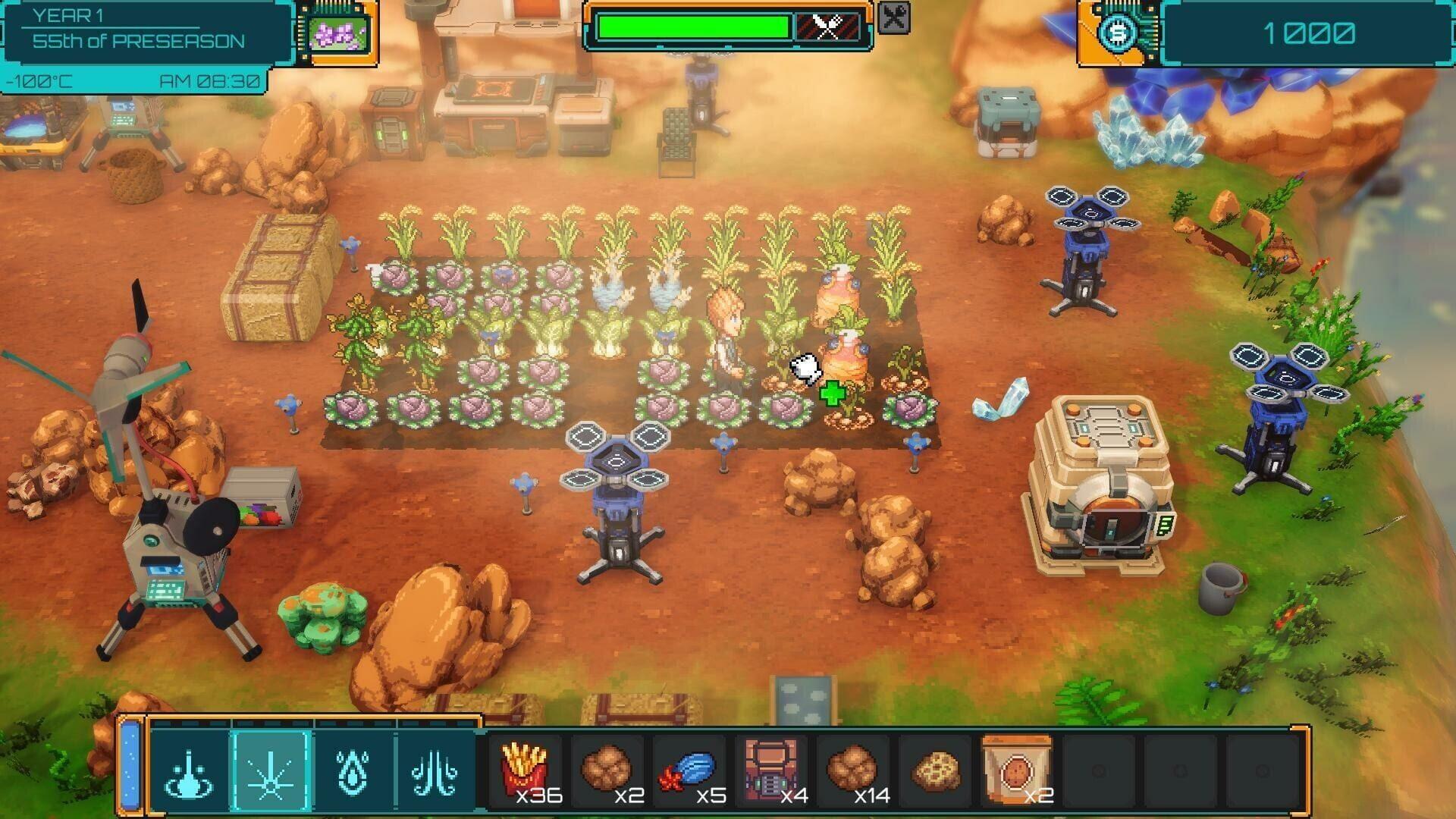
Outside of farming and exploration, the game layers in relationship mechanics with the colonists who join your settlement. Characters have distinct personalities, and building those relationships over time opens up social storylines, including romance options. Mini-games appear throughout as lighter diversions, keeping the pacing from feeling like a grind.
Gameplay and mechanics: how does the loop hold together?
The core loop in One Lonely Outpost balances several systems without letting any one of them dominate. Farming feeds the colony. The colony generates the people and economy that make expansion possible. Exploration fills in the world's history. Social mechanics give individual characters meaning beyond their function. Mining adds another resource layer when farming needs a break.
The tech gauntlet is the connective tissue here. As your primary tool, it handles most of your interactions with the world, and its progression likely tracks with your colony's growth. The result is a game that rewards players who engage across all its systems rather than min-maxing a single path.
Conclusion
One Lonely Outpost makes a strong case for the sci-fi farming sim as a genre worth taking seriously. The choice between organic and high-tech agriculture, the colony-building structure, the alien ruins to explore, and the relationship mechanics with colonists all work together to give the game more texture than a standard farming RPG. Available on every major platform as of March 2025, it's positioned as one of the more ambitious entries in the colony sim space.