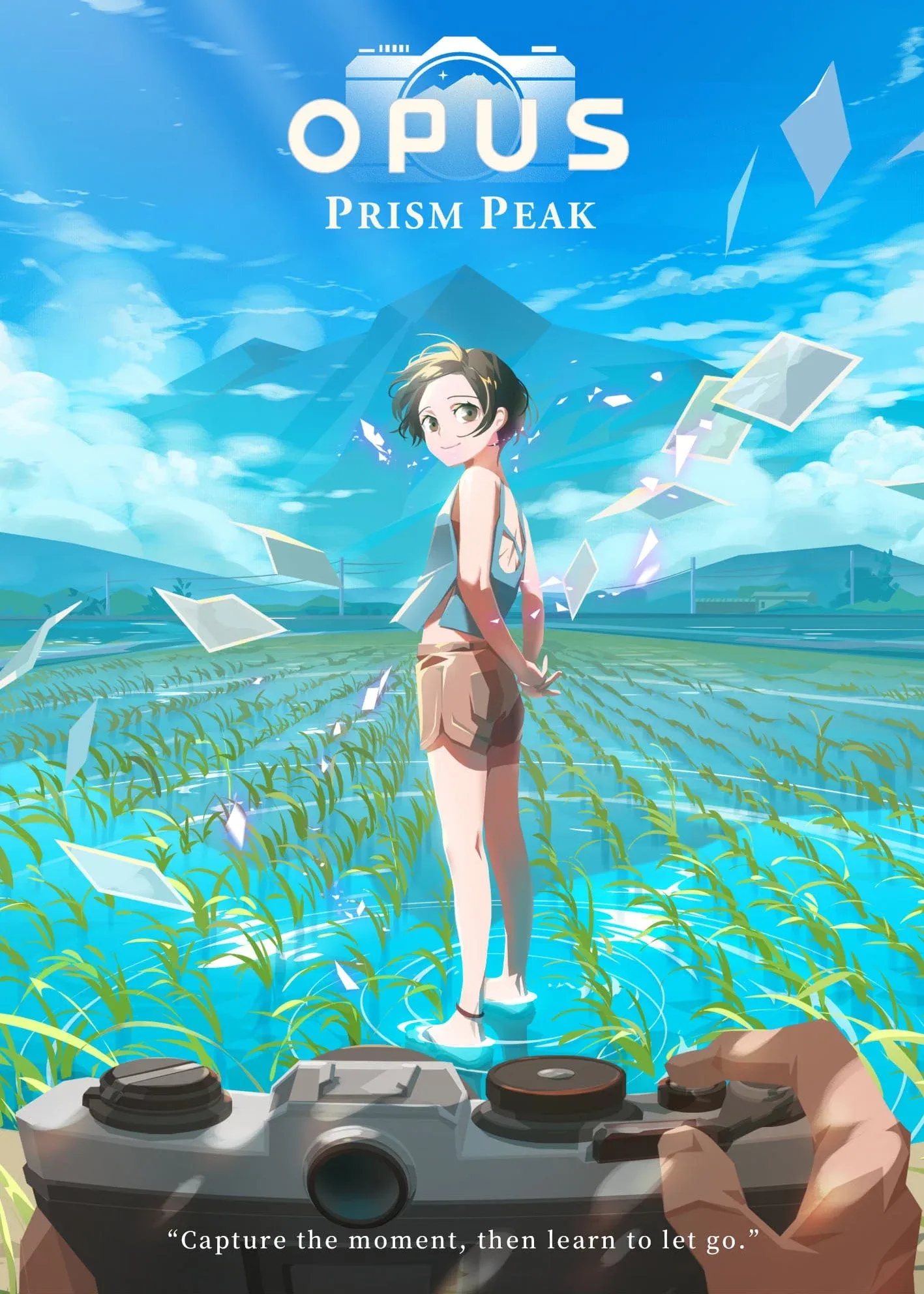


What is OPUS: Prism Peak?
OPUS: Prism Peak is an adventure game developed by SIGONO (Steam app 1947910) where you follow Eugene, a traveling photographer, and a mysterious girl as they climb a mist-covered mountain. The game blends environmental photography challenges with spirit bond mechanics and a layered memory-driven narrative set across the Dusklands and surrounding regions. Progress hinges on how well you read light, fog, and spirit totems through your camera, then carry those bonds into the Sacred Firebowl sequences that gate the game's multiple endings.
This guide covers the core systems, spirit bond requirements, and firebowl solutions you need to reach all four endings. Cross-check in-game text and patch notes for any post-launch changes, since some values may shift after updates.

How does the photography system work?
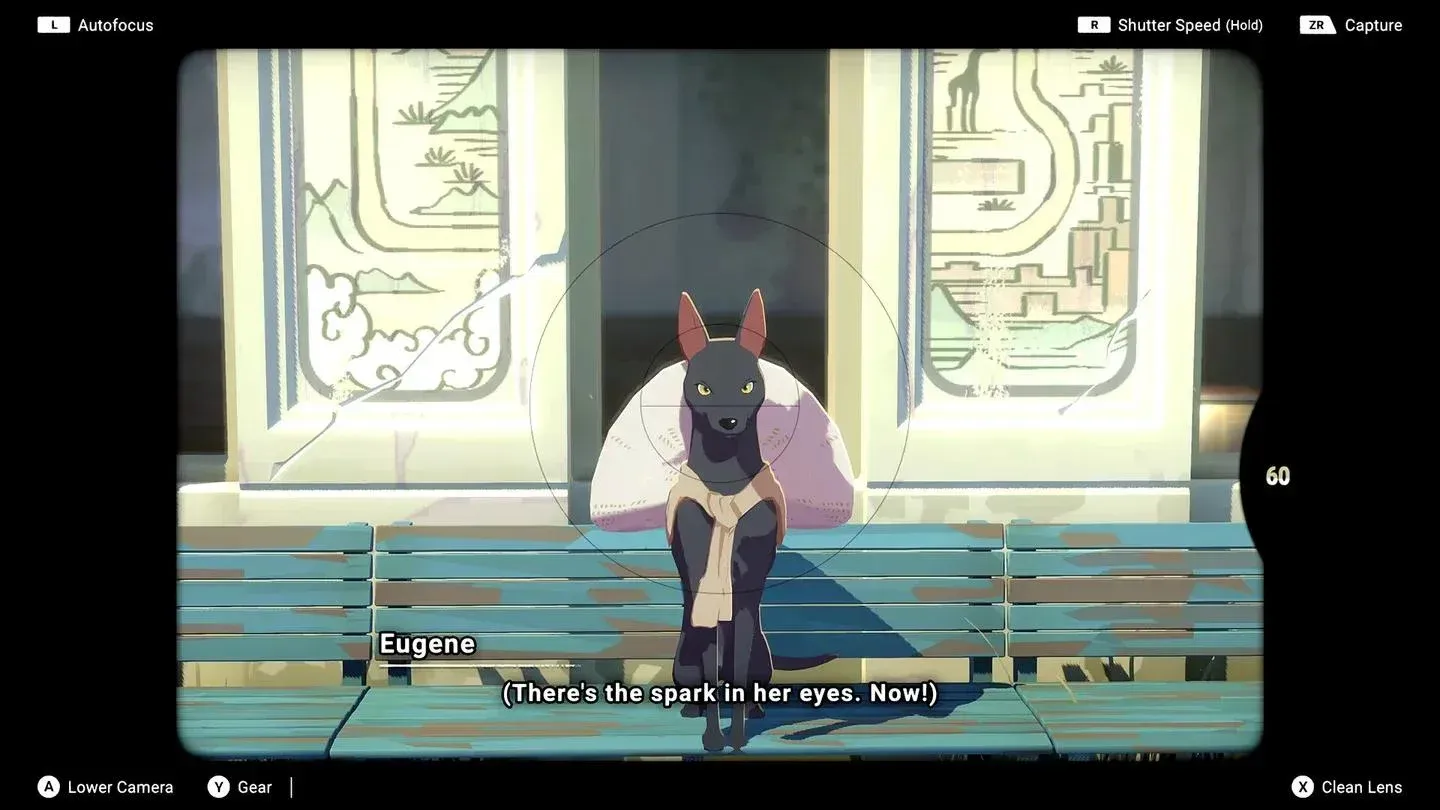
The camera is your primary tool and the system everything else feeds into. Three environmental conditions shape almost every puzzle you encounter.
Light, fog, and spirit totems
- Reflective water setups reward precise framing and timing. Position Eugene so the water surface mirrors a spirit or landmark. This puzzle structure repeats throughout the chapters.
- Fog silhouettes require you to catch subjects at the right depth inside the mist. Too close and the silhouette collapses; too far and the subject disappears entirely.
- Spirit totem interactions tie directly into the bond system. Photographing a totem in the correct context can advance a spirit's bond tier, which then unlocks firebowl options later.
Lens parts are unlockable rewards tied to firebowl progress. Specific lens types like wide angle and double exposure appear in achievement descriptions and map back to those rewards, so pushing through the firebowl sequence early opens more photographic options for cleanup runs.
How do spirit bonds work?
Five spirit types appear across the game: deer, dog, bird, fox, and mountain. Each spirit has its own request structure, bond pacing, and connection to specific firebowl rows.
What each spirit asks for
The bond system is not purely about taking photos near a spirit. Each spirit responds to specific photographic conditions and framing choices. Meeting those conditions advances the bond tier, and higher tiers unlock content in the firebowl sequences.
The recommended routing order is to fully understand the camera mechanics first, then read through the spirit bond requirements before touching the Sacred Firebowl guide. Jumping straight to firebowl solutions without the bond context leads to confusion when silent checks fail.
How do you solve the Sacred Firebowl?
The Sacred Firebowl is a five-bowl sequence that acts as the game's primary gating system for endings. Each bowl has specific requirements: a required photo, a spirit tag, and tuning conditions that vary per bowl.
Bowl-by-bowl structure
All five bowls have failure recovery options, but bowl three is the most commonly failed checkpoint. Bowl three failure is almost always traced back to incomplete dog spirit bond work from earlier in the game.
For completion routing:
- Confirm all spirit bond thresholds are met before approaching bowl three.
- Keep the required photo types for each bowl in mind while shooting earlier chapters, since some photos cannot be retaken after specific story beats.
- Use the tuning notes for each bowl carefully. Tuning is a distinct step from simply having the right photo.
What are all the endings and how do you unlock them?
OPUS: Prism Peak has four ending tiers: bad, normal, good, and true. Each tier has a threshold based on your accumulated choices, spirit bonds, and photography completeness.
Ending gate conditions
The true ending requires the most preparation. The character dynamic between Eugene and the girl feeds directly into the ending gates. Eugene's background as a traveling photographer and the girl's memory arc are both tracked through story choices and optional interactions, not just photography scores.
For clean save planning:
- Use a flowchart approach with multiple saves at key decision points.
- Achievement names can hint at story beats, so players who want a spoiler-light run should hide achievement descriptions until a chapter is complete.
- The bad ending is reachable without any specific setup, but the true ending requires deliberate routing through spirit bonds and character choices.
How to 100% achievements without spoiling the story
The recommended approach for achievement completion is straightforward. Follow the achievement table in release order, hide the description column until each chapter is finished, and keep one sandbox save for optional spirit portrait attempts.
Whenever an achievement references a technical photography term like wide angle or double exposure, that maps back to lens parts unlocked through firebowl rewards. Revisit the photography guide whenever you hit one of those terms, since the lens part may be the unlock condition rather than a specific in-game action.
For players routing a full completion run, the suggested order is:
- Photography mechanics and lens basics
- Spirit bond requirements for all five spirits
- Sacred Firebowl solutions with tuning notes
- Endings flowchart with clean save placement
Achievement checklist overview
Quick reference: core systems at a glance
OPUS: Prism Peak rewards players who treat the photography system as more than a puzzle mechanic. The bonds, the firebowl, and the endings all trace back to how carefully you engaged with each spirit and each shot. Get the dog spirit bond done early, keep a sandbox save for portraits, and let the firebowl rewards open up your lens options before tackling the late chapters.
For more guides covering adventure games and narrative-driven experiences, browse more guides on GAMES.GG.