Search games, articles, guides...CtrlK
Sign InGet Started
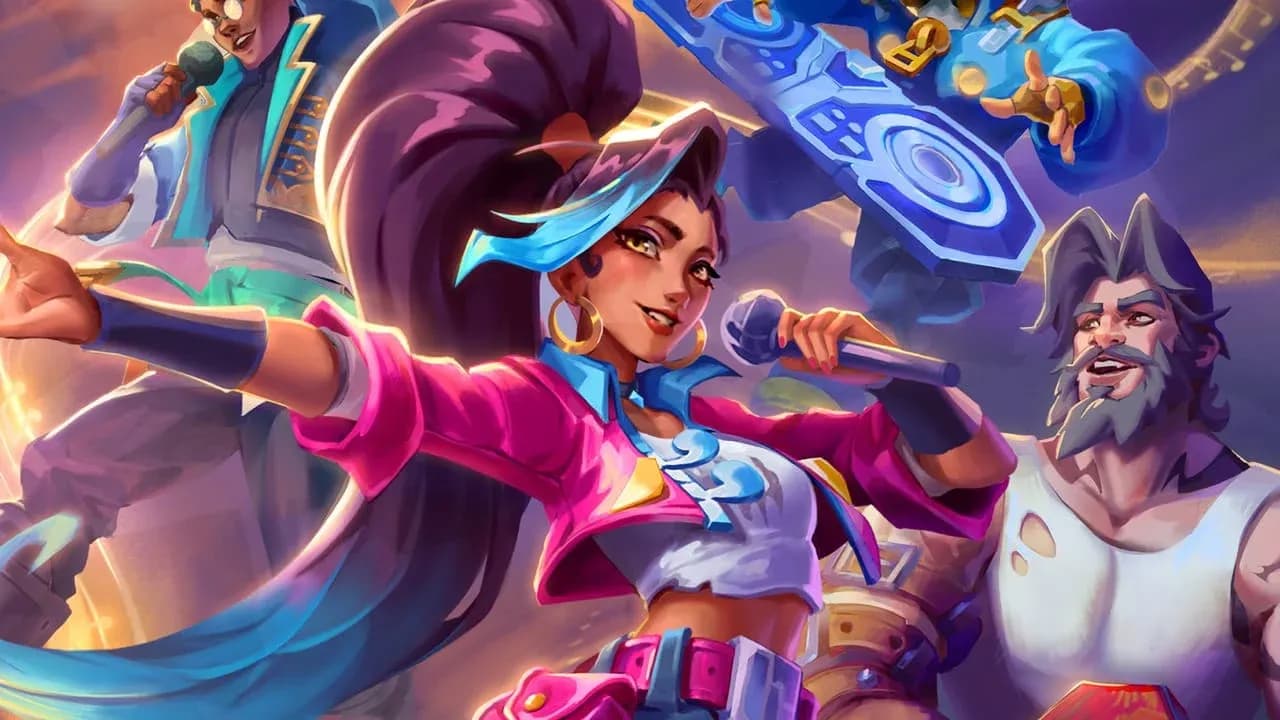
Iridium Studios' musical JRPG blends rhythm combat, deep puzzles, and a 20-hour story worth playing on PC, PS5, Xbox, and Switch 2.

Written by Nuwel
Content Writer
See more GAMES.GG guides on Google
Add us as a preferred source and our guides show up first in your results.
People of Note Weird Owls: All 20 Locations
Find all 20 Weird Owls in People of Note, answer every trivia question correctly, and claim Vox's best weapon, The Third Echo.

People of Note Guide: All Maestro Locations
Find all 5 Maestro (?) locations in People of Note to unlock the Sidenote trophy with this step-by-step guide.

People of Note Beginner Tips and Tricks
Master turn-based combat, recruit musicians, and dominate every battle performance in People of Note by Iridium Studios.
People of Note is the second game from Iridium Studios, published by Annapurna Interactive, and it refuses to be filed neatly into any single genre. Part turn-based RPG, part rhythm game, part puzzle box, part musical theater production, it runs 20 to 30 hours depending on how deep you go. Reviewers across multiple outlets scored it between 8/10 and 95/100, with one outlet giving it an Editor's Choice Award. That kind of consensus is hard to fake.
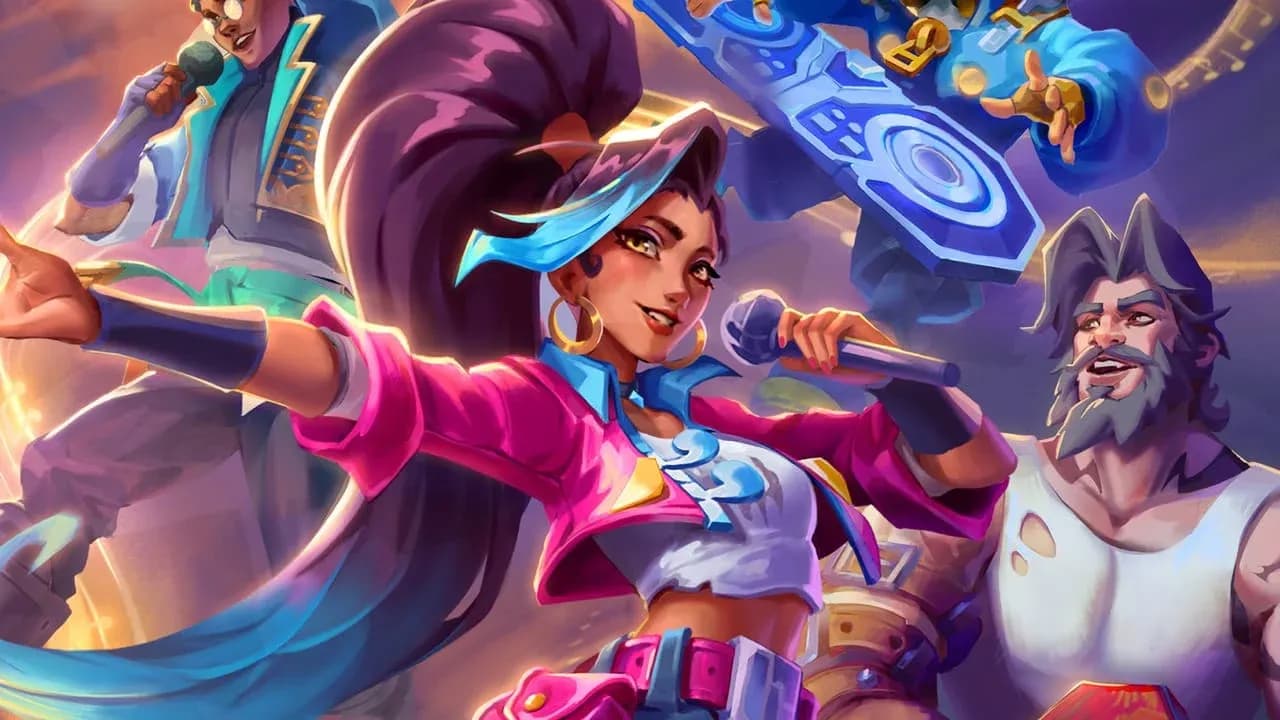
Cadence, People of Note's lead
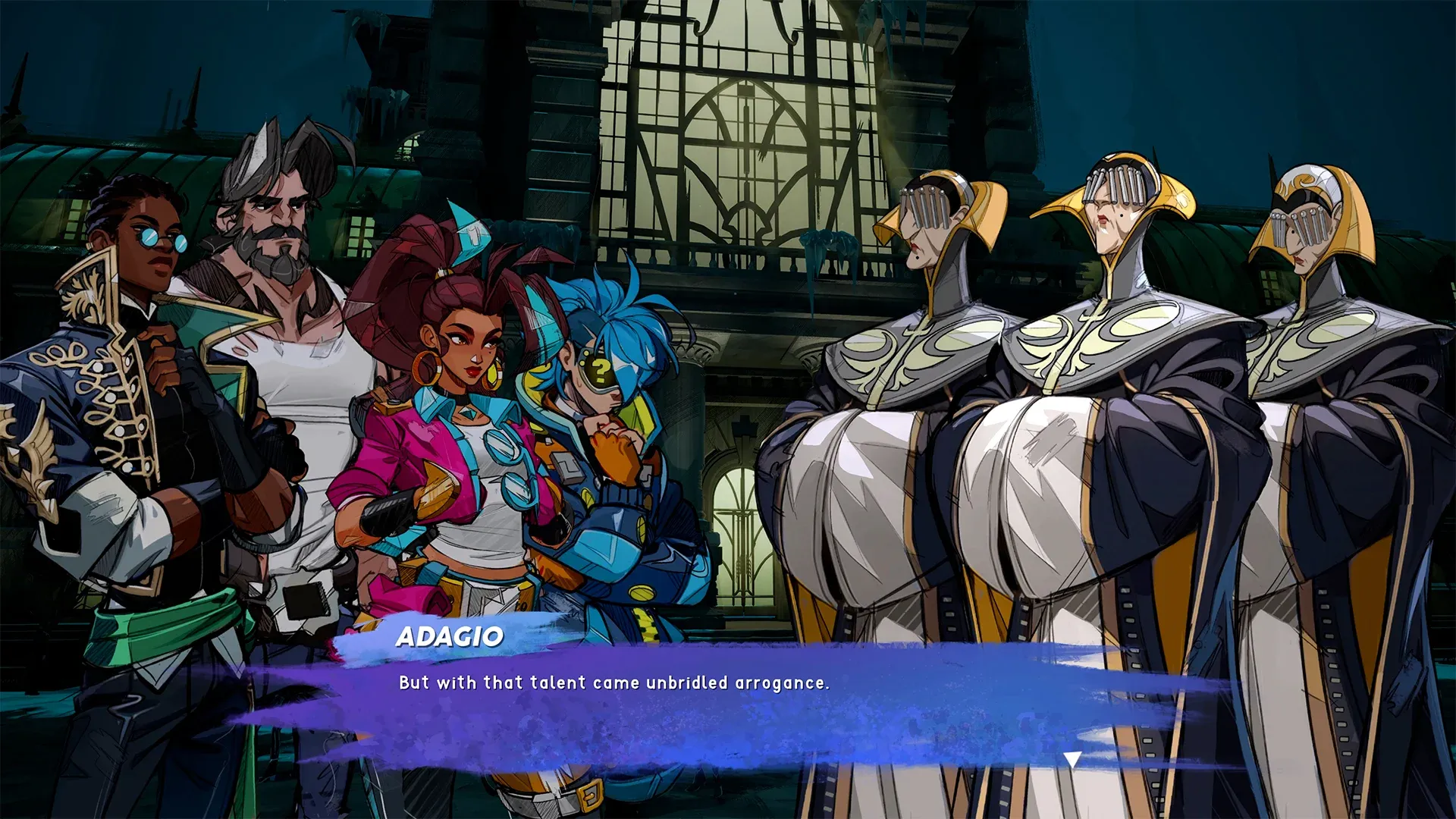
The game puts you in the boots of Cadence, a pop singer trying to win the Noteworthy Song Contest, a competition her world treats like Eurovision crossed with American Idol. The reigning champions are Smolder, a boy band with institutional backing from a corrupt Council of Fifths member named Sharp. After being told her sound alone won't cut it, Cadence leaves her home city of Chordia to recruit bandmates from across the world of Note.
Those bandmates are Fret, a grizzled rock guitarist from the desert canyon nation of Durandis; Synthia, an EDM DJ from the perpetually rain-soaked neon city of Lumina; and Vox, a rap prince from the oceanside walled city of Pyre. Each character comes from a nation built entirely around their genre, down to the architecture, clothing, and enemy designs. Durandis has buried guitars and amps lining its wind-blown roads. Lumina is a rave that never stops. Pyre looks like the Emerald City if it threw block parties.
The story starts breezy and colorful, then escalates into something with genuine stakes, including an unexpected character death before the final act and a final boss that goes Full Sephiroth, transforming into an angelic nightmare.
This is where People of Note earns its reputation. Combat is turn-based but structured around Stanzas, which represent one full turn. The time signature at the top of each Stanza determines how many actions each side gets. A 3/4 Stanza gives your party 3 actions and the enemy 4. A 2/4 Stanza flips that ratio.
Keeping your button presses on the beat earns bonus damage. The practical approach: most combat music runs in 4/4 time, so counting 1-2-3-4 and hitting the button on each beat gets you Perfect ratings consistently. Abilities have different timing patterns, and they get more complex as the game progresses. Vox's Beatbox move in particular has some of the trickiest timing in the game.
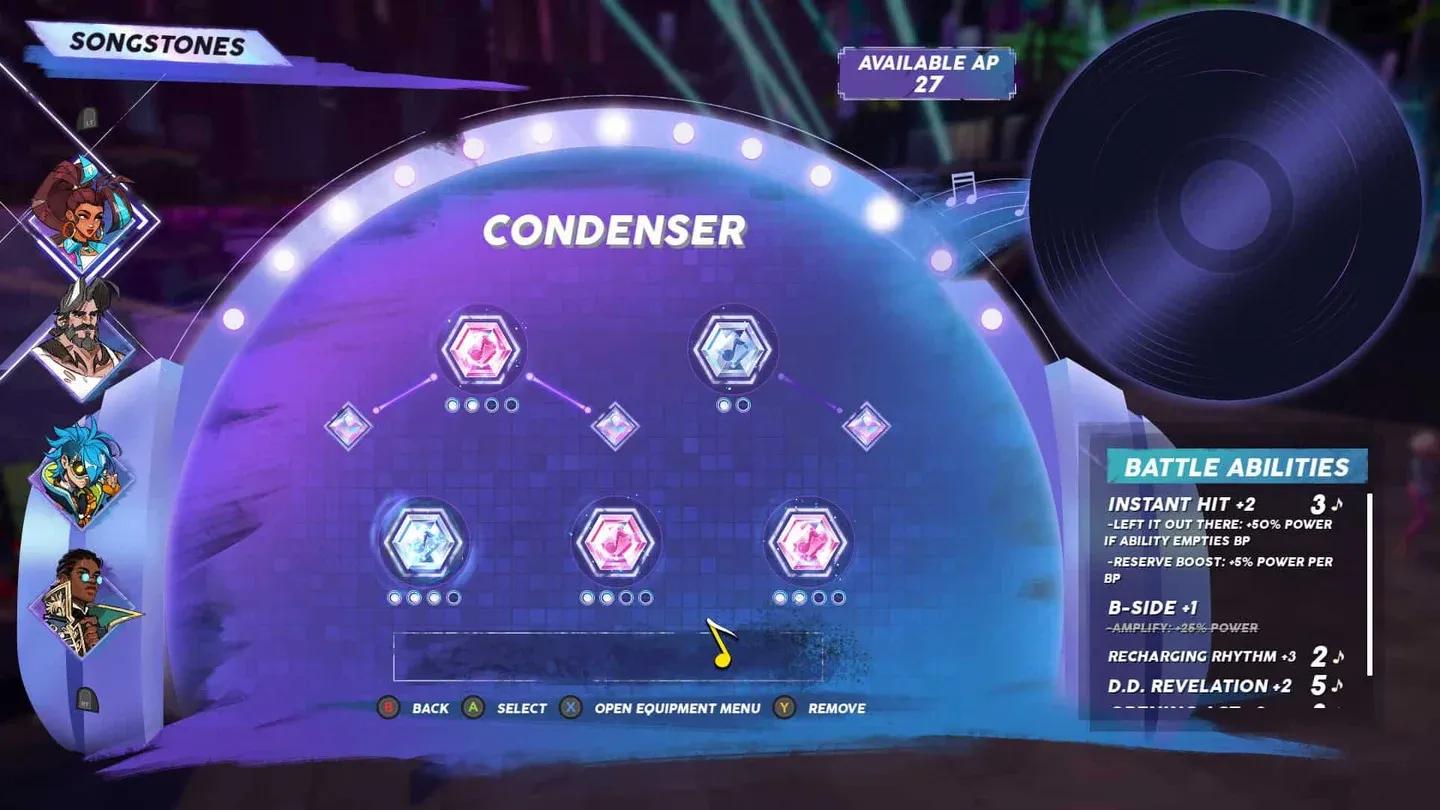
Songstone loadout screen
Songstones are the game's ability system, slotted into a grid similar to Final Fantasy VII's Materia. Each stone belongs to one of five genre categories: Pop, Rock, EDM, Rap, or uncategorized. Characters can only equip stones matching their genre plus uncategorized ones, meaning Cadence uses Pop stones, Fret uses Rock stones, and so on.
To power up Songstones, you spend AP (ability points), which you earn by winning battles. Remix Stones fit into diamond-shaped slots and modify how a Songstone works. The Amplify Remix Stone boosts damage output, while Backstage Pass reduces ability cost. Leveling up only raises base stats, so Songstone management is the real depth layer.
The genre restrictions mean you can never see Cadence rap or Synthia play rock, which feels like a missed opportunity in a game explicitly about genre fusion. It's a real design tension, but it doesn't break the system.
| Character | Genre | Songstone Types | Notable Ability |
|---|---|---|---|
| Cadence | Pop | Pop + Uncategorized | Opening Act |
| Fret | Rock | Rock + Uncategorized | Healing support |
| Synthia | EDM | EDM + Uncategorized | BP transfer |
| Vox | Rap | Rap + Uncategorized | Beatbox |
Mash Ups are the game's limit breaks, combining two band members into a single powerful attack, buff, or debuff. They're fun and often decisive, but there's a catch: most bosses open with an ability called Mash Down that completely drains your Mash Up meter, limiting you to one per boss fight unless the battle drags on long enough to rebuild it.
Bosses also have a Crescendo meter made up of three bars. Each turn it fills slightly. Once a bar completes, the boss gains a significant power spike, and attacks that previously tickled you start taking half your health. The rush to beat bosses before that meter fills is one of the most compelling tension mechanics in the game.
Iridium Studios built meaningful accessibility into the game's structure. At the start, you choose from three difficulties: Garage Band, Rising Talent, and Superstar. Rising Talent provides a challenging but fair experience.
Beyond that, you can turn off combat entirely and play through the story as an interactive narrative, completing it in roughly 8 to 10 hours. Puzzles can also be toggled off independently. These aren't watered-down modes, they're genuine options that let you engage with whichever of the game's three pillars interests you most.
The puzzle system is the game's most divisive element. You acquire ability stones throughout the world: Forte pushes objects, Accelerando speeds things up, Harmonize joins water flows together, and Inversion makes white and black structures appear or crumble. Most puzzle types are satisfying, and the flute puzzles, where you manipulate a flute on the ground to play a specific note and interact with the environment, are a particular highlight.
The Harmonize puzzles are where things get frustrating. If you fail to sync waterborne platforms correctly, you can get stuck and need to reload a save. Keeping multiple save slots active is strongly recommended specifically because of this. Some players eventually turn puzzles off in the final dungeon after several hours of failed attempts.
There are also Puzzle Battles, which are really well designed, giving your party fixed abilities and a specific objective like dealing 200 damage in a single attack. These are essentially tutorials disguised as encounters, teaching you what the combat system can actually do.
Visually, People of Note draws comparisons to PS1 and PS2 era JRPGs in the best way, with fixed camera environments and big dramatic backdrops. The character art style resembles DoubleFine's Brütal Legend, where proportions are stylized to emphasize personality. Each character's design reflects their nation: Cadence wears a blue-and-pink outfit with hoop earrings and a wild blue streak; Fret sports tattoos, a white tank, and heavy leather boots with buckles; Synthia wears digital goggles that change to reflect her emotions; Vox wears a marching band jacket with black, gold, and green accents.
Enemy designs lean into musical puns throughout. You'll fight an orcarina (a killer flute creature) and a banjoey (a kangaroo-like enemy). The world's shops include locations named after bands, and one attack is literally called Ring of Fire.
For side content, Weird Owls appear as glowing spots on the ground. Answer their trivia questions correctly and you earn feathers. Collect at least 5 feathers and you can trade them for rewards in a later area. If you fail, you can pay an NPC to return the owls to their original spots for another attempt. There are also optional side quests that unlock exclusive Mash Ups unavailable through the main story, a treasure hunt, and a late-game merchant who only sells items if you bring 5 Vinyls from every dungeon in the game.
The main complaint across every review is the lack of a map. The game's characters even joke about it at one point, which is funny the first time and less funny when you're backtracking across a large area trying to remember where a shop was.
Playtime ranges from 8 to 10 hours if you skip combat and puzzles, up to 25 or more hours with full engagement and optional content.
People of Note launched on April 7-8, 2026 on Windows PC (Steam, Microsoft Store, Epic Games Store), Xbox Series X and S, PS5, and Switch 2. It's priced at $24.99.
At that price, the value is hard to argue with. Review scores ranged from 8/10 to 9/10 to 95/100, with one outlet awarding it Editor's Choice. The lower scores point to the same issues: some grating dialogue loaded with references, a missing map, and occasional bugs including a boss that stopped animating mid-fight and one encounter that sped up unexpectedly during a sidequest.
None of those issues break the experience. The combat system is genuinely original, the characters are worth spending 20 hours with, and the music, particularly the full music video sequences for each main character, is the kind of thing you'll remember. Iridium Studios made something that works as an RPG, a rhythm game, and a story-driven adventure simultaneously.
For more gaming recommendations and guides across every genre, browse more guides at GAMES.GG.