
The Obake is one of Phasmophobia's most frustrating ghosts to pin down, and that's entirely by design. Named after a shapeshifting creature from Japanese folklore, this ghost actively works against your evidence-gathering by making fingerprints disappear faster than usual and occasionally skipping them altogether. If you've been staring at a blank surface after a clear ghost interaction, the Obake might be your culprit.
What is the Obake in Phasmophobia?
The Obake is a ghost type built around deception. Its core mechanic is shapeshifting: during a hunt, it can briefly take on the appearance of another ghost model of the same gender, most visibly during hunt flicker events. That visual trick is rare enough that most investigators never catch it, but it's a definitive confirmation if you do.
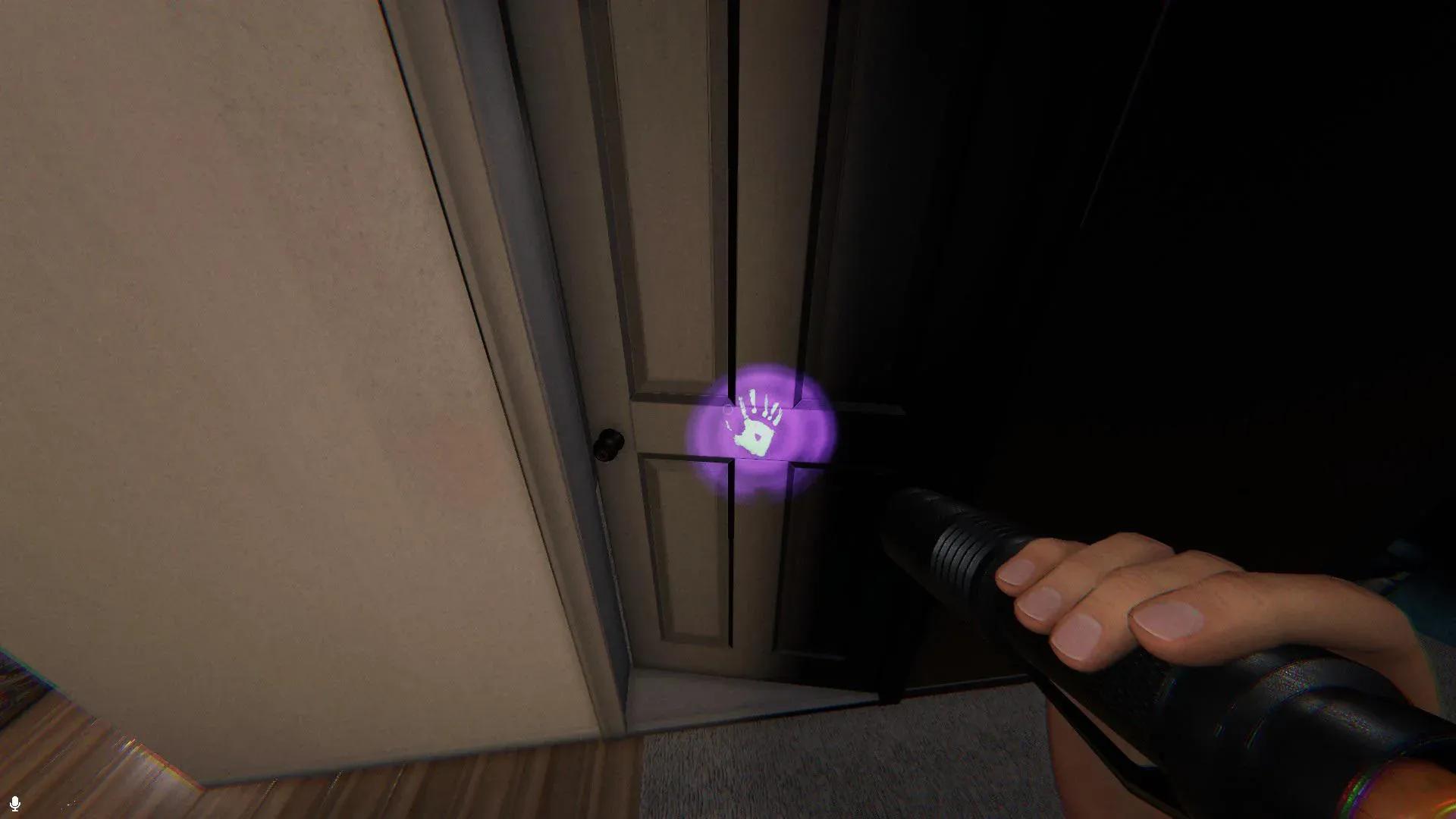
Beyond the shapeshifting, the Obake's most impactful trait is how it handles fingerprint evidence. This ghost has only a 75% chance to leave fingerprints when it interacts with a surface. That means roughly one in four interactions will leave nothing behind, which can send investigators chasing the wrong ghost type entirely.
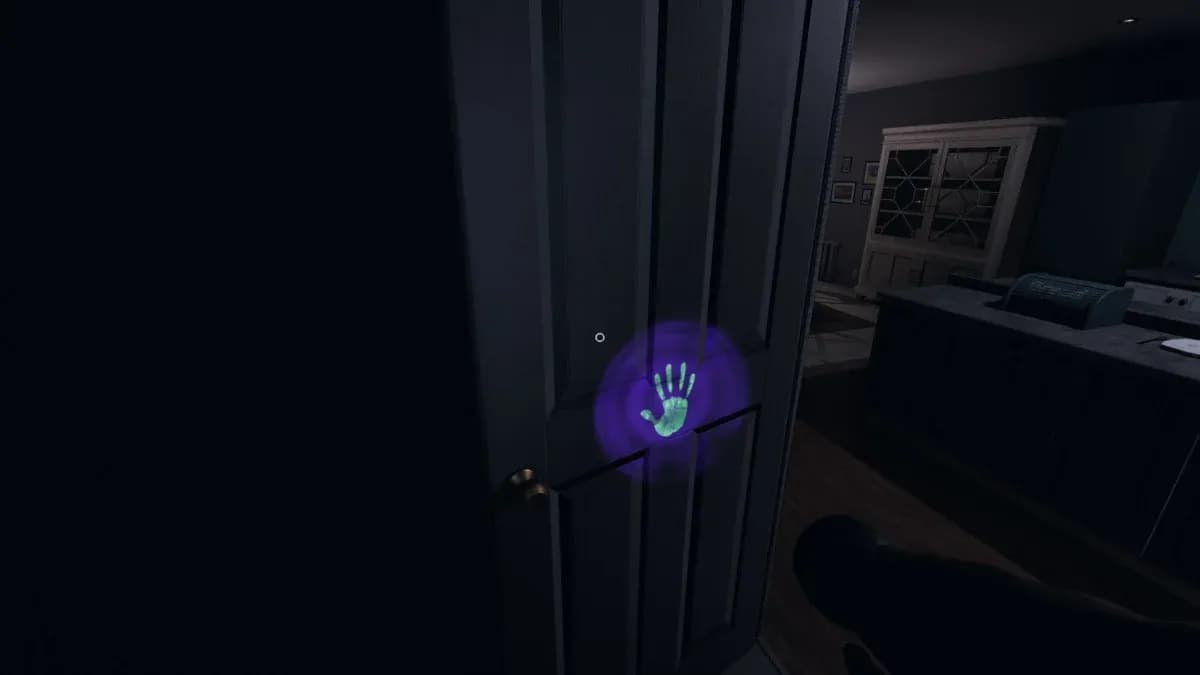
UV scan reveals Obake prints

What evidence does the Obake leave?
The Obake's three required evidence types are:
- EMF Level 5
- Ultraviolet Fingerprints
- Ghost Orbs
This combination is specific enough to narrow things down quickly, but the Obake's tendency to suppress its own fingerprint evidence means you can't rule it out just because the UV scan came up empty on the first pass.
| Evidence | Collection Method |
|---|---|
| EMF Level 5 | Hold the EMF Reader while the ghost interacts with objects |
| Ultraviolet Fingerprints | Sweep UV light across surfaces the ghost has touched |
| Ghost Orbs | Review video camera footage placed in the ghost room |
What makes Obake fingerprints unique?
This is where the Obake separates itself from every other ghost in the game. When it does leave prints, they can appear as six-fingered handprints or double impressions on light switches, patterns that no other ghost produces. Spotting either of these is an instant confirmation, no second-guessing required.
EMF readings from ghost interactions carry a 33% chance of registering as EMF 5 when that's one of the ghost's evidence types. That means you may need multiple readings before the EMF Reader spikes to 5, so don't call it a miss after one scan. The EMF Level 5 mechanics work the same way for every ghost that uses this evidence type.
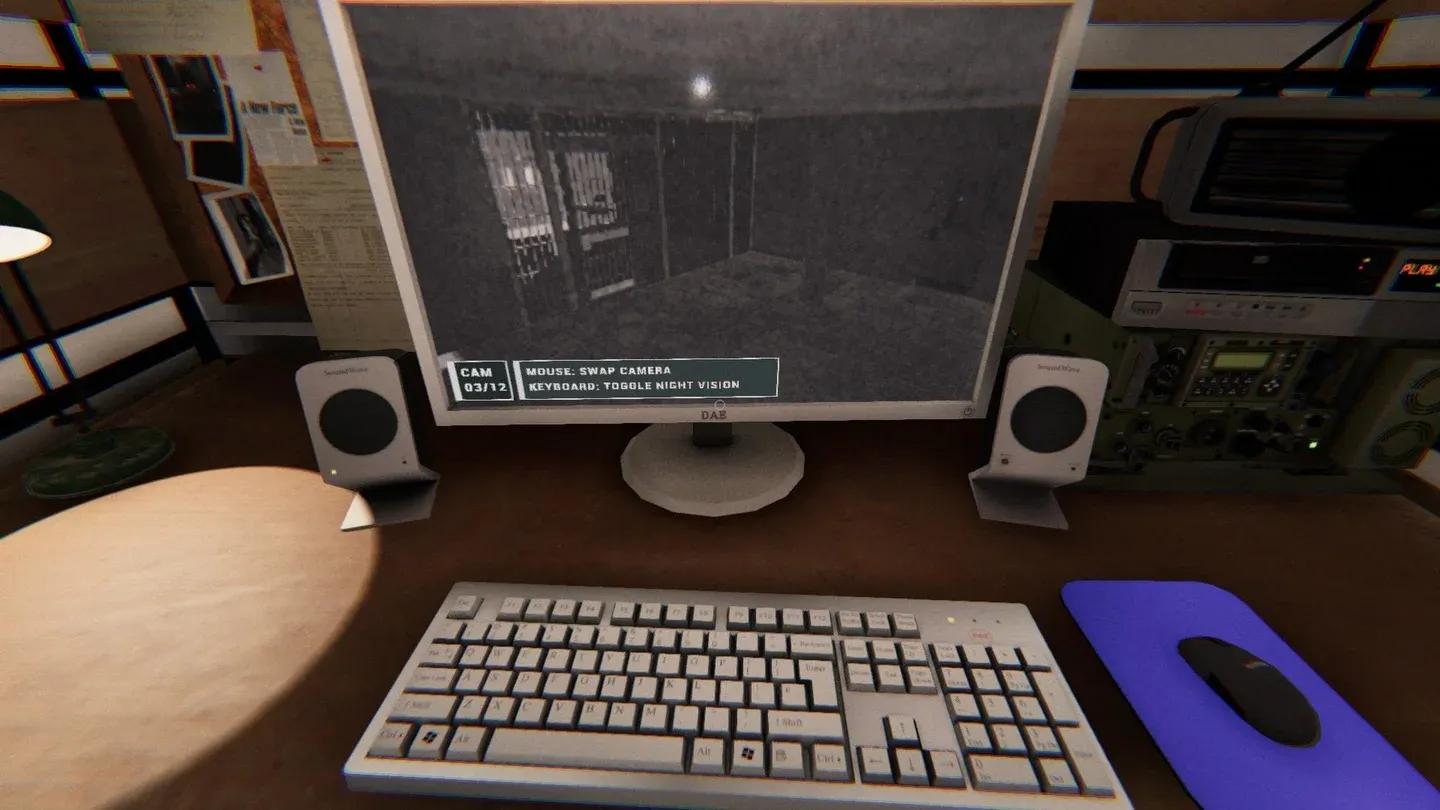
Ghost Orb on camera monitor
How to run an Obake test in Phasmophobia
Here's the most efficient sequence for confirming an Obake once you've identified a likely ghost room:
- Set up video cameras pointing at the ghost room and check the monitor for Ghost Orbs before committing to the room.
- Bring the EMF Reader and keep it active while the ghost moves around or interacts with objects.
- UV scan every surface the ghost touches, immediately after each interaction.
- Drop salt in high-traffic areas. While UV footprints in salt aren't guaranteed with Obake, the presence or absence of them adds context.
- Look for unique print patterns on light switches and doors. Six-fingered prints or doubled switch impressions lock in the identification.
How does Obake compare to similar ghost types?
Several ghosts share one or two evidence types with the Obake, which is why ruling out alternatives matters.
| Ghost Type | Unique Fingerprints | Shapeshifts | Evidence Set |
|---|---|---|---|
| Obake | Yes (rare patterns) | Yes, during hunts | EMF 5, UV, Ghost Orbs |
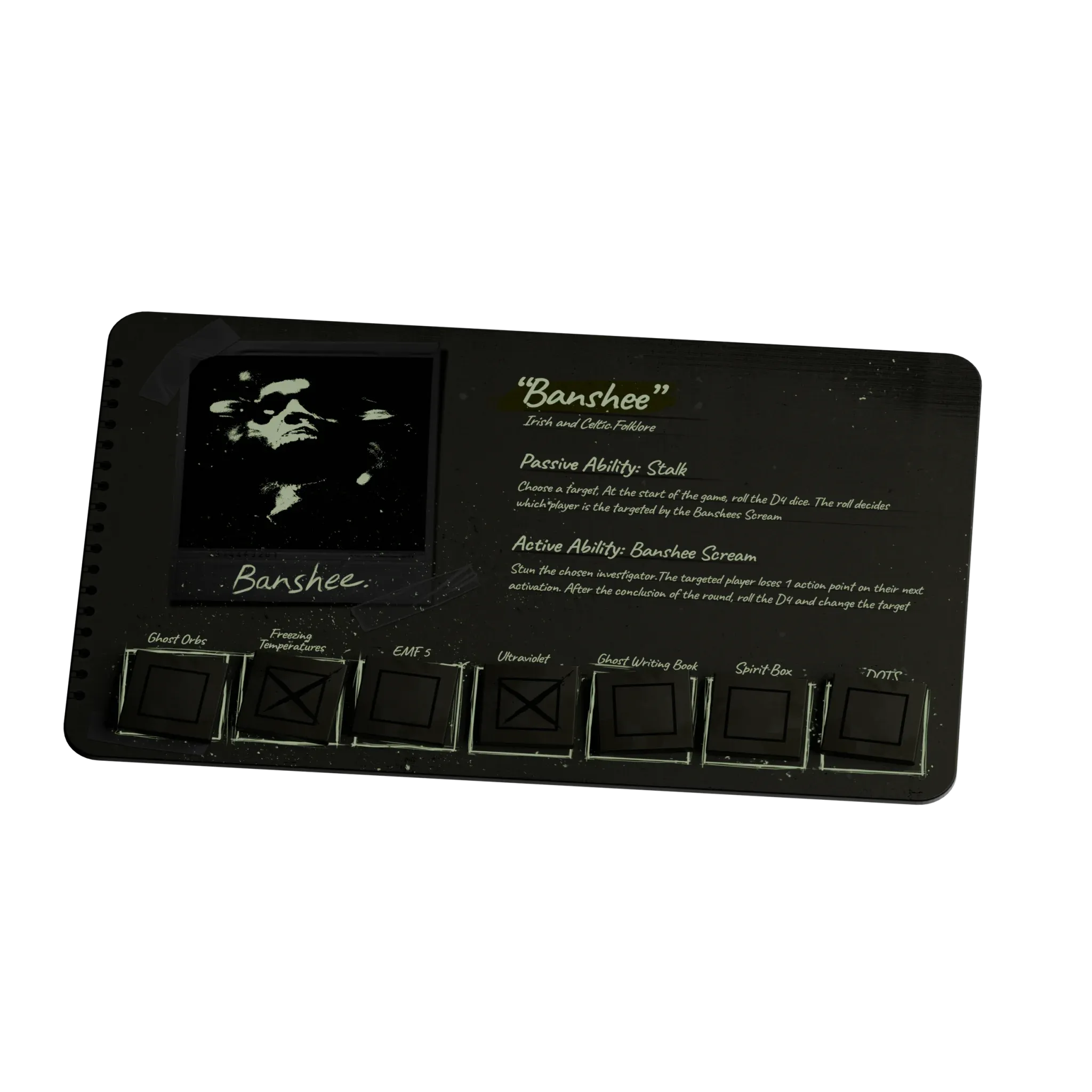
| Banshee | No | No | Ghost Orbs, UV, D.O.T.S |
| Mare | No | No | UV, Ghost Writing, Spirit Box |
| Jinn | No | No | EMF 5, Spirit Box, Freezing Temps |
The Jinn shares EMF 5 but has completely different secondary evidence. The Banshee shares Ghost Orbs and UV but lacks EMF 5. If you're seeing all three Obake evidence types and spotting unusual fingerprint patterns, nothing else fits.
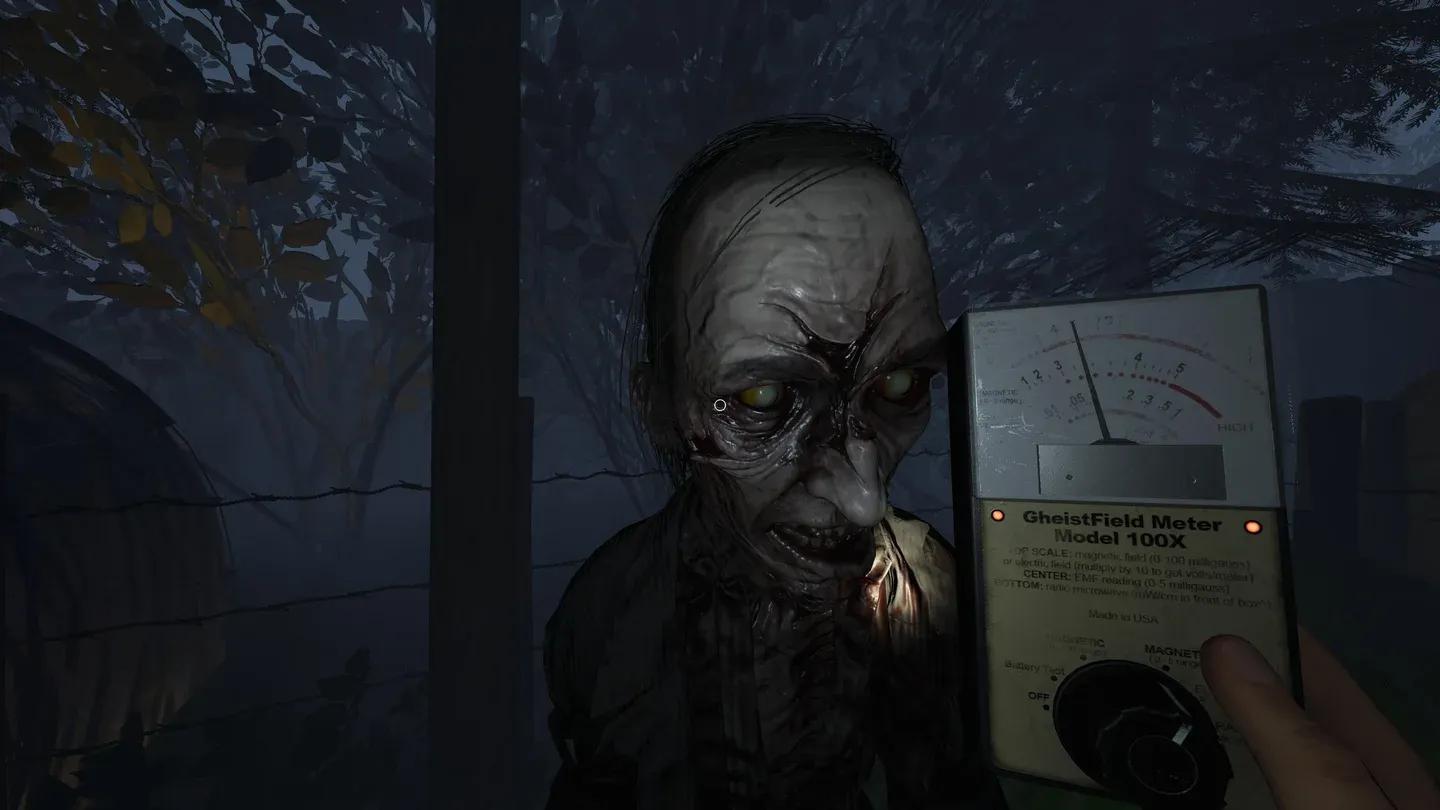
EMF Reader spiking to Level 5
What gear do you actually need?
Keep the loadout focused. The must-haves for an Obake investigation are:
- EMF Reader for catching Level 5 spikes during interactions
- UV Flashlight for scanning surfaces immediately after ghost movement
- Video Cameras for monitoring Ghost Orbs remotely
A Thermometer helps narrow down the ghost room faster but doesn't contribute to Obake's evidence set directly. Salt is worth bringing to test footprint behavior, though UV footprints in salt are not guaranteed with this ghost type.
EMF 4 readings correspond to ghost events, while EMF 5 has a 25% chance to display on the reader during any qualifying interaction. Understanding these EMF reading mechanics helps you distinguish between different types of ghost activity.
Quick identification checklist
Before submitting your ghost ID at the end of a contract, run through this:
- EMF Level 5 confirmed on reader
- UV fingerprints found on at least one surface
- Ghost Orbs visible on camera feed
- Fingerprints faded unusually fast (supports Obake)
- Six-fingered prints or doubled light switch impressions spotted (confirms Obake)
- Shapeshifting observed during a hunt flicker (definitive confirmation)
The Obake rewards patience and fast UV scanning more than almost any other ghost in the game. Once you understand that missing prints isn't a mistake, it's just how this ghost behaves, the identification process becomes much more manageable. For more ghost guides and investigation strategies, browse more guides on GAMES.GG.