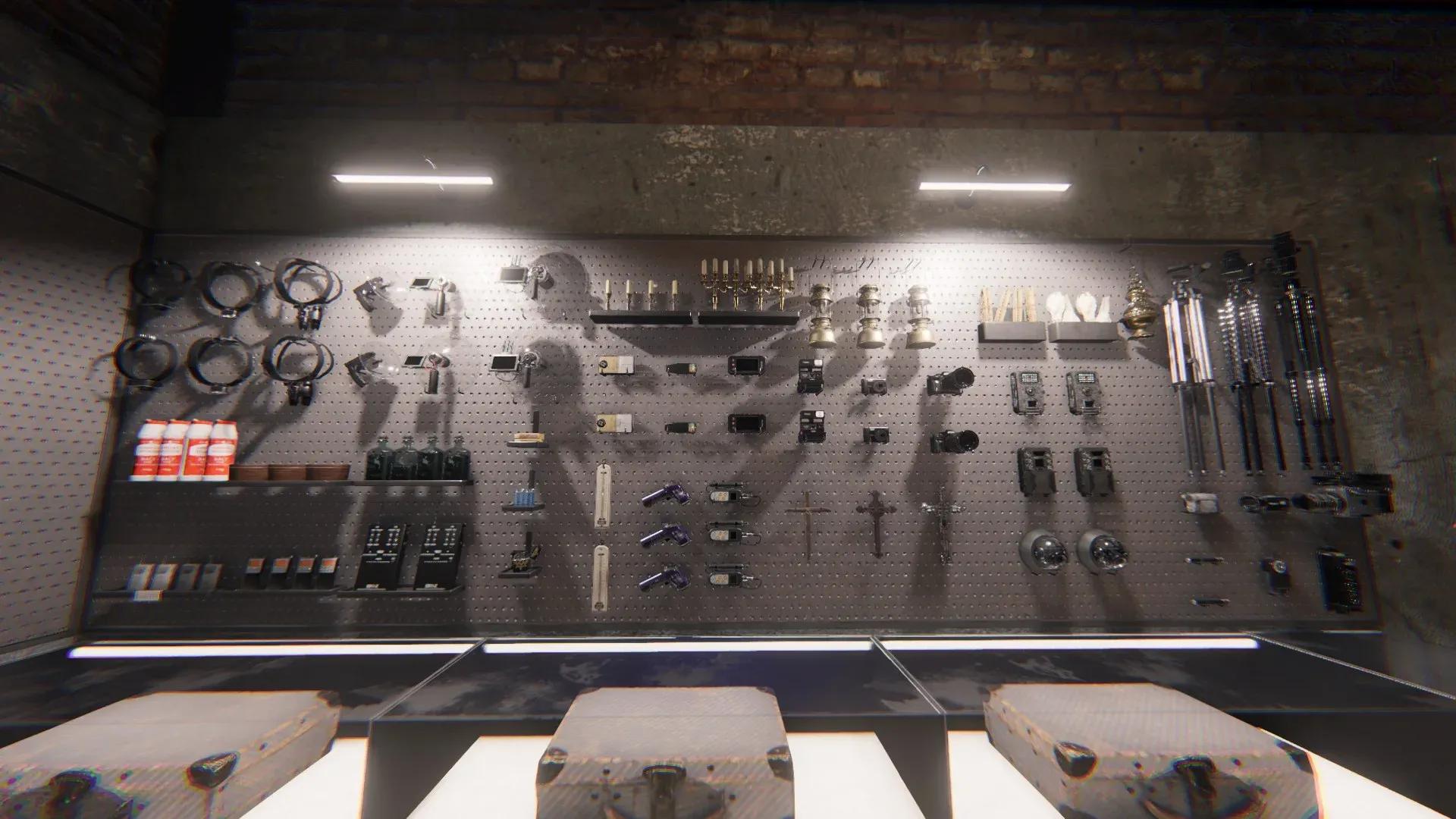

Picking the right equipment in Phasmophobia can be the difference between a clean identification and a very expensive trip to the respawn screen. With the Ascension update reshuffling item tiers and adding new upgrade paths, a lot of older advice no longer holds up. This guide breaks down the item tier system, explains what each category of equipment actually does for your investigation, and tells you which pieces are worth prioritizing as you level up.
How does the Phasmophobia item tier system work?
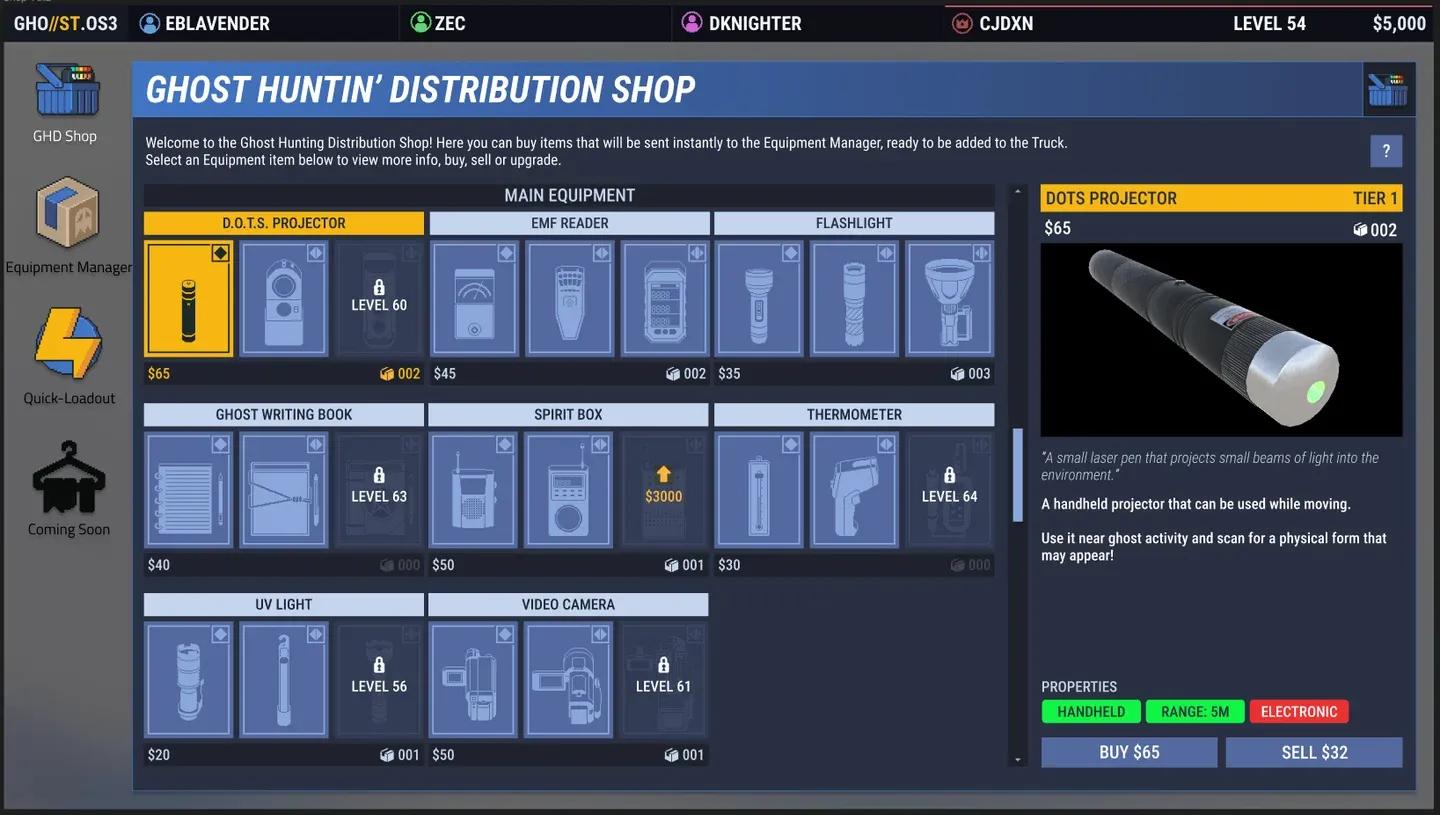
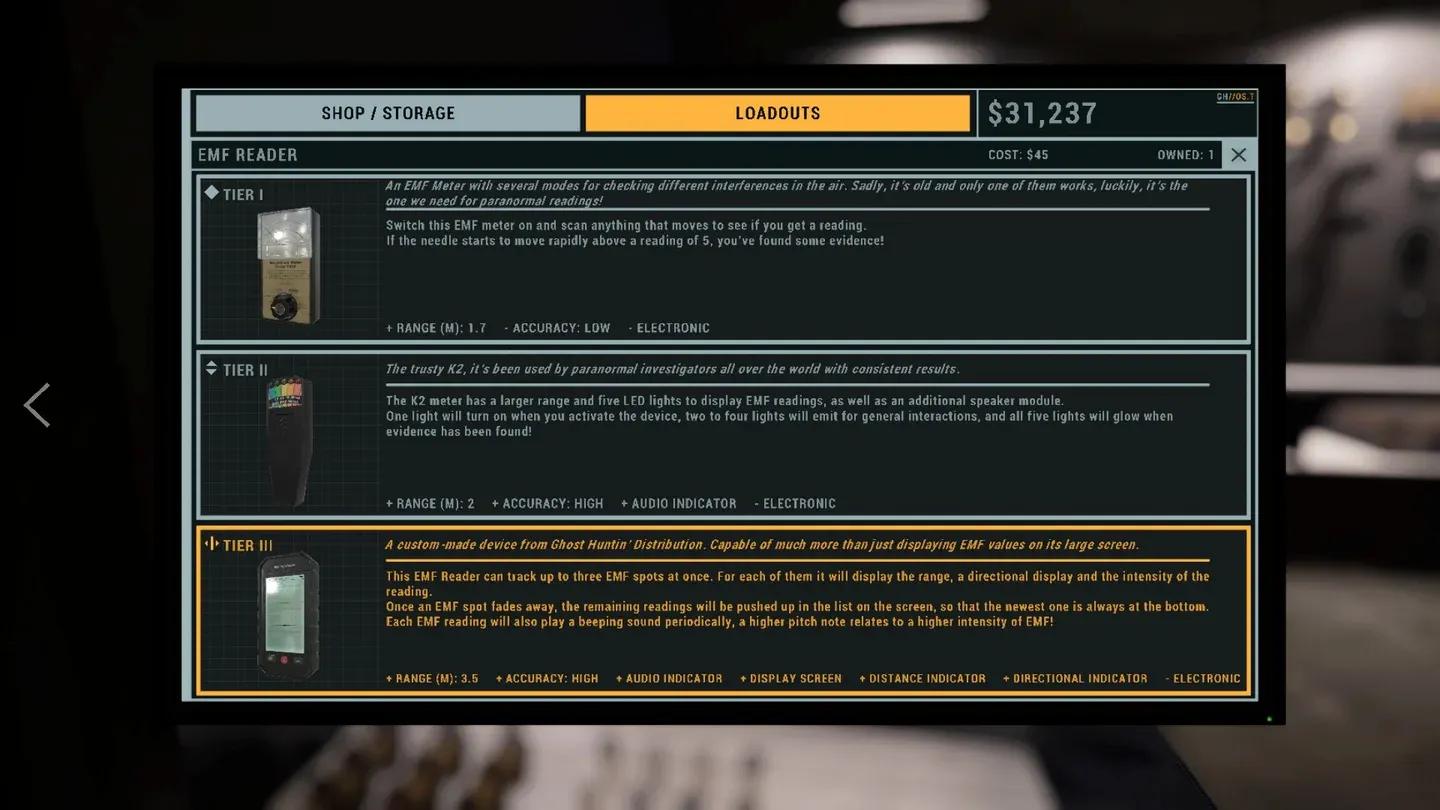
Phasmophobia organizes its equipment into multiple quality tiers, each representing an upgraded version of a base item. Higher tiers generally offer improved range, longer battery life, faster response times, or additional functionality compared to their lower-tier counterparts. Unlocking higher-tier versions requires reaching specific player levels, and the cost scales accordingly.
The tier system was overhauled with the Ascension update, which restructured how players progress through equipment unlocks. If you played before that update and are returning now, expect your mental model of the item ladder to be outdated. The community has been actively re-ranking items since that patch, and the consensus has shifted on several key pieces.
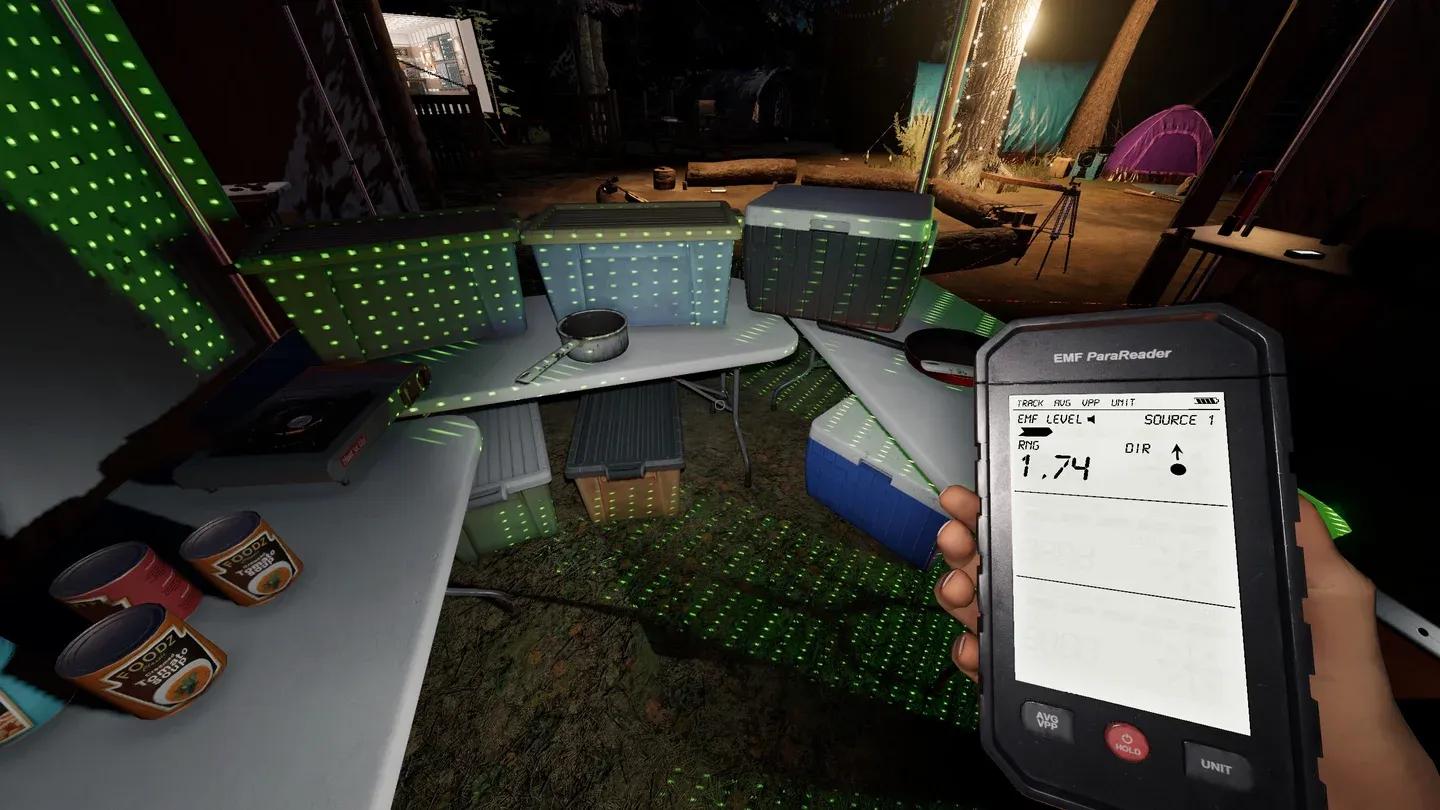
EMF reader tier upgrades

What are the best items in Phasmophobia?
Based on community rankings aggregated from submitted tier lists on TierMaker, the top-rated items consistently fall into a few categories: evidence-gathering tools, safety equipment, and utility items that support the investigation without directly identifying the ghost.
Evidence tools sit at the top of most lists because identifying the ghost is the entire objective. Items that provide clear, reliable evidence with minimal ambiguity are naturally rated higher than those that require specific ghost behavior to trigger. The community broadly agrees that tools giving you evidence passively or with low risk are more valuable than tools requiring you to be in close proximity to an active ghost.
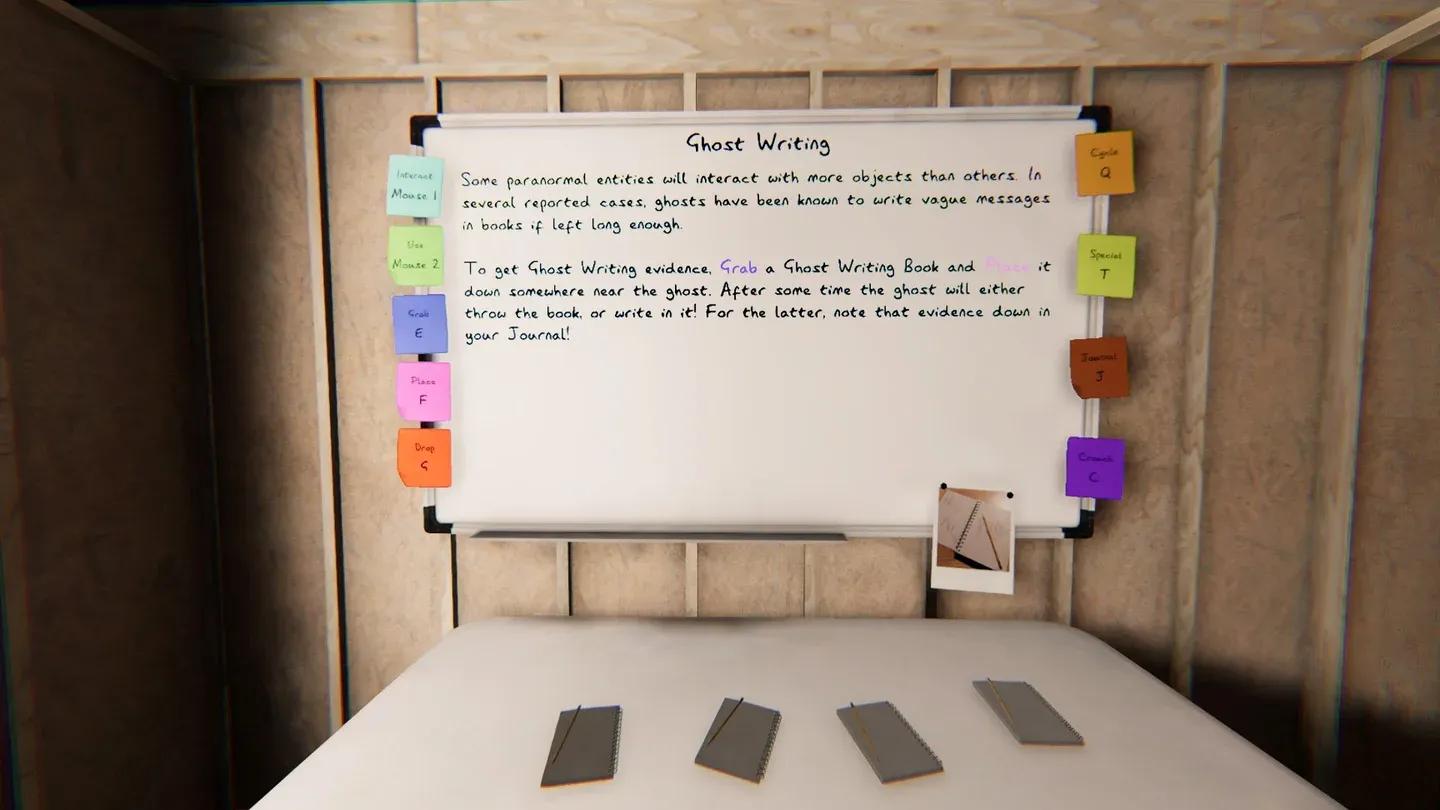
Ghost writing book in use
Which items are rated lowest by the community?
Items that land at the bottom of community tier lists tend to share a few traits: they either duplicate evidence that other tools cover more reliably, require very specific ghost behavior to produce results, or simply have limited use cases across the full ghost roster.
Some utility items also rank lower not because they are bad, but because their value is highly situational. An item that saves your life on one map might sit unused across five others. The community tier lists on TierMaker's Phasmophobia rankings reflect cumulative averages across 14 submitted lists, so items with polarizing opinions tend to settle in the middle tiers rather than the extremes.
How should you spend your money as a new player?
New players face a real budget problem. You start with limited funds, the default equipment is Tier 1 across the board, and harder difficulties punish you financially for failed investigations. Spending on the wrong items early means grinding easier maps longer to recover.
The practical approach is to identify the 3 or 4 evidence types you find yourself using most consistently and upgrade those tools first. Most experienced players agree that video cameras, EMF readers, and spirit boxes cover a wide enough range of ghost types to justify early investment. Upgrading these to Tier 2 before touching other items gives you a reliable core kit.
For a deeper look at exactly how each equipment type functions and what the tier differences mean in practice, the Steam Community guide on all equipment types, tiers, and uses covers the specifics in detail, including data sourced from the Phasmophobia Wiki.
Video camera tier selection
Equipment comparison: core evidence tools by tier
The table below summarizes the general performance improvements players can expect when moving between tiers on the most commonly used evidence tools. Specific numbers vary by item, so treat this as a directional guide rather than exact figures.
| Equipment | Tier 1 | Tier 2 | Tier 3 |
|---|---|---|---|
| EMF Reader | Basic detection range | Extended range, faster response | Maximum range, instant response |
| Spirit Box | Single channel | Improved clarity, wider trigger range | Full spectrum, responds at distance |
| Video Camera | Standard night vision | Enhanced night vision range | Full night vision plus motion detection |
| Ghost Writing Book | Standard activation | Faster ghost interaction | Fastest interaction, glow visibility |
| Thermometer | Single point reading | Wider area reading | Area reading plus freeze detection |
What utility items are worth upgrading?
Beyond pure evidence tools, several utility items consistently appear in the upper half of community rankings. Sanity pills and strong flashlights rank well because they directly affect your survival odds on every single investigation, regardless of ghost type. Items that keep you alive longer mean more time gathering evidence, which translates directly to better accuracy and fewer failed runs.
The Insanity mechanic (which community data notes triggers a 20% sanity regen effect on certain item uses, as referenced in the Steam equipment guide) means sanity management tools have a higher ceiling than they might appear at first glance. Keeping your sanity above the threshold that triggers ghost hunting behavior is a consistent priority across all difficulty levels.
Sanity pill inventory count
Building the right kit for your playstyle
There is no single loadout that works perfectly for every investigation. The most effective approach is to build a flexible core of 3 to 4 high-tier evidence tools and fill remaining slots based on the map size and your team composition. Solo players tend to value safety items more highly because there is no teammate to watch the monitors or cover additional evidence types.
For team play, coordinate who brings which evidence tools to avoid duplication. Two players both carrying EMF readers means one of you has a wasted slot that could hold a thermometer or spirit box.
For more guides on building effective strategies across different game types, browse the full guides section at GAMES.GG to find additional resources.
Pre-investigation item loadout