
Phasmophobia has 27 distinct ghost types, and not all of them play by the same rules. Some are predictable enough that experienced investigators can identify them in under two minutes. Others will hunt you down before you've even set up your equipment. Knowing the difference between a manageable Shade and a nightmare-tier Deogen before you step through the front door changes how you approach every single contract.
This guide ranks each ghost type based on how dangerous and how difficult to identify they are in practice, drawing from widespread community experience and player voting patterns.
How does this tier list work?
Ghost rankings in Phasmophobia aren't purely about raw danger. A ghost can be terrifying but still relatively easy to handle once you understand its behavior. The tiers here reflect a combination of two factors: how lethal the ghost is during a hunt, and how tricky it is to pin down with evidence.
These rankings come from aggregated community voting across multiple tier list submissions (covering 12 to 26 player-submitted lists as of late April 2026). While we don't have hard numerical scores per ghost, the data shows clear consensus on which spirits sit at the top and which ones players routinely dismiss as low-priority threats.
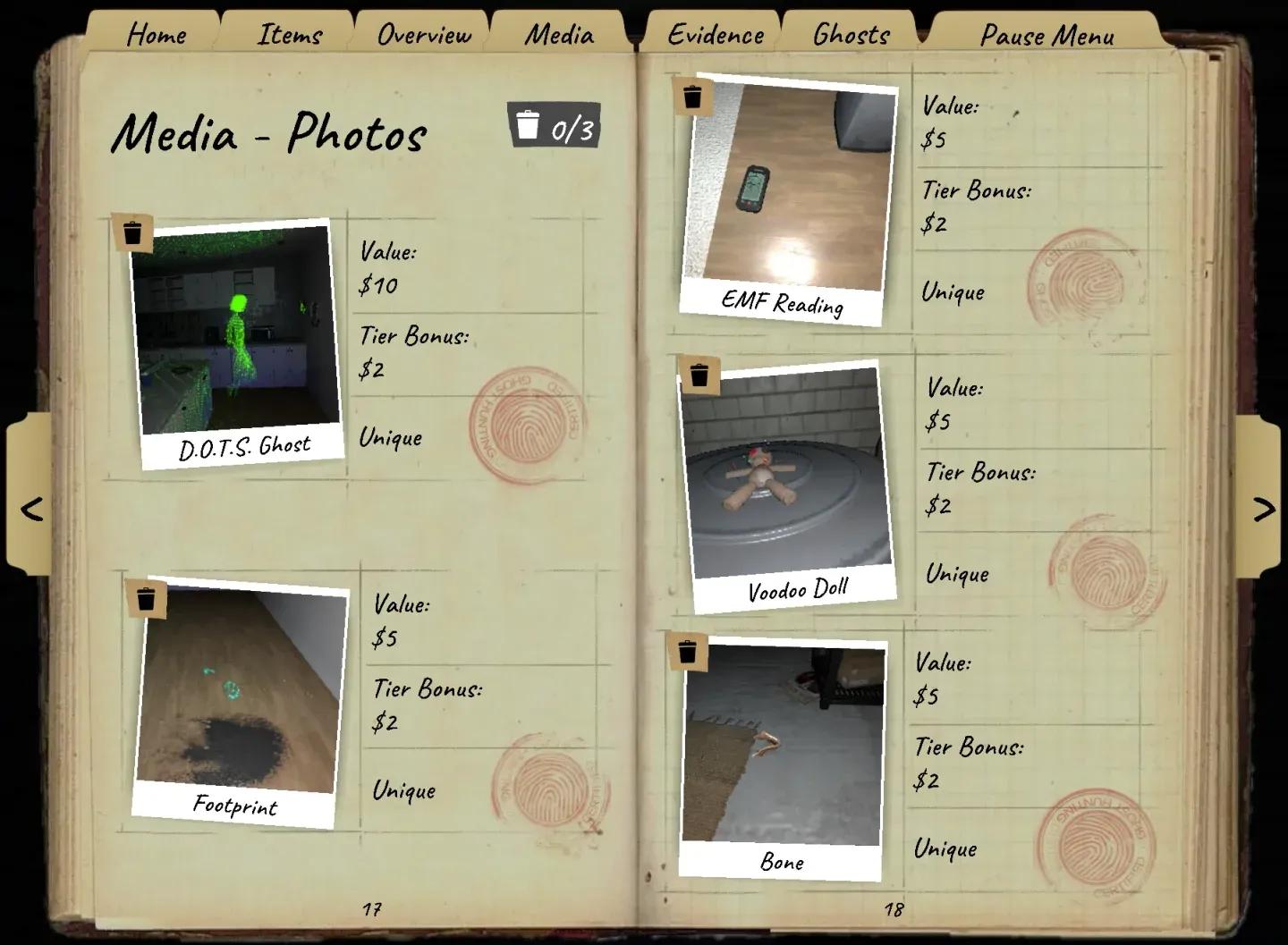
Ghost evidence journal screen

What makes a ghost "S-tier" dangerous?
The ghosts that consistently land in the top tier share a few qualities. They either hunt more aggressively than the average spirit, have abilities that punish mistakes severely, or are genuinely hard to distinguish from other ghost types using standard evidence. Some do all three.
Player consensus points to ghosts with unpredictable hunt triggers or special behaviors that bypass normal investigator countermeasures as the most threatening. The Deogen, for example, is notorious for always knowing where you are during a hunt, making the usual "hide and stay quiet" strategy completely useless unless you know exactly how to handle it.
On the flip side, ghosts in the lower tiers tend to be slow hunters, give off clear evidence early, or have predictable enough patrol patterns that even newer players can work around them with basic preparation.
Evidence pools, sanity thresholds, and hunting behaviors have all shifted through 2025 patches, which means some ghost types have moved up or down in player estimation as mechanics changed.
Ghost tier breakdown
The table below organizes all 27 ghost types into five tiers based on aggregated community rankings. Ghosts are listed within each tier alphabetically rather than by exact rank, since the community data doesn't produce precise within-tier ordering.
| Tier | Ghosts | What they share |
|---|---|---|
| S (Peak threat) | Deogen, Moroi, Onryo, Raiju | High lethality, hard to counter or identify quickly |
| A (Strong threat) | Banshee, Hantu, Myling, Obake, Yokai | Dangerous with specific conditions, manageable with knowledge |
| B (Moderate) | Goryo, Jinn, Mare, Oni, Revenant | Threatening in the right circumstances, clear counters exist |
| C (Manageable) | Demon, Phantom, Poltergeist, Shade, Twins | Predictable enough that prepared teams handle them reliably |
| D (Low threat) | Boogey, Wraith, Yurei | Easiest to identify and survive once you know their quirks |
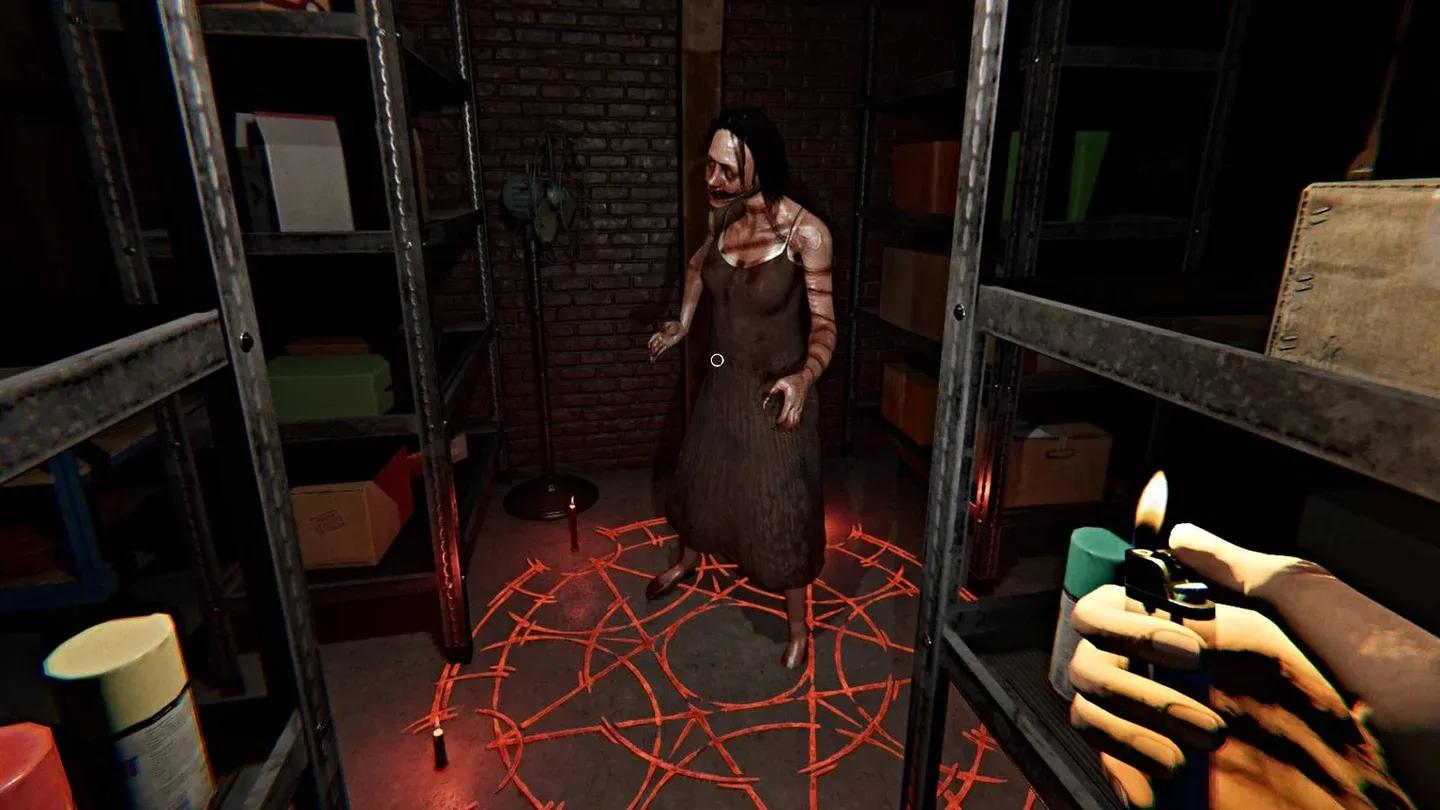
Deogen ghost room detection
S-tier ghosts: what you need to know
Deogen sits at the top of most player rankings. Its defining trait is that it always knows your exact location during a hunt, which removes hiding as a viable strategy. The only real counter is understanding that it slows to a crawl when it gets very close to you, which opens a specific window to escape.
Moroi ranks highly because it can curse investigators through the spirit box, causing accelerating sanity drain that makes hunts come faster and faster. The longer you stay in the building without treating your sanity, the worse the situation gets.
Onryo hunts based on flame-extinguishing events rather than sanity alone, which catches players off guard who rely on sanity pills as their primary defense. Three flames going out in sequence can trigger a hunt regardless of your current sanity level.
Raiju moves faster than average during hunts specifically when electronic equipment is active nearby, which punishes the common habit of leaving gear running everywhere.
A-tier ghosts: situationally deadly
Banshee targets a single player per investigation rather than hunting the whole group, which sounds manageable until you realize it will ignore everyone else to chase that one target relentlessly. Solo investigators get no benefit from this mechanic.
Hantu speeds up in cold temperatures and slows in warm areas, making map knowledge and freezing room awareness genuinely important for survival.
Obake can leave six-fingered handprints as a unique evidence type. Community testing shows this happens with fairly high frequency, though it doesn't guarantee six fingers every time. The Steam community ghost danger tier list documents occurrence rates for this and other unique evidence markers.
Yokai hunts at higher sanity thresholds if players are talking near it, which means a noisy team triggers hunts much earlier than expected.
B through D tiers: the ghosts you can work with
Ghosts in B-tier aren't pushovers, but they have clear, learnable counters. The Jinn can't use its speed boost if you turn off the location's fuse box, which is one of the most direct "off switch" mechanics in the game. The Oni is active and visible frequently, which makes it easier to gather evidence on but also means it interacts with objects and players more often.
C and D tier ghosts are where most new players build their confidence. The Shade is notably passive and hunts less often when players are grouped together, making it one of the safest ghosts to investigate with a full team. The Wraith doesn't leave UV footprints after stepping in salt, which is a useful identification clue rather than a danger.
Why do tier rankings shift between patches?
Kinetic Games has adjusted evidence pools, sanity drain rates, and hunting behaviors repeatedly through 2025 and into 2026. A ghost that was straightforward to identify in one patch can become genuinely ambiguous after evidence pool changes. Community rankings reflect this, with lists submitted over different time periods showing meaningful disagreement on mid-tier placements.
The safest approach is treating any tier list as a starting framework rather than a fixed rulebook. Use it to know which ghosts deserve extra caution, but always be ready to adapt when a ghost behaves differently than the tier suggests.
For more investigation guides and the latest ghost behavior updates, browse more guides on GAMES.GG.