
Ghost hunts in Phasmophobia are the moment everything goes wrong fast. The exit doors slam shut, electronics start flickering, and suddenly you're sprinting through a dark hallway hoping the ghost picks a different corridor. Surviving is absolutely learnable, though, and the difference between a dead investigator and a live one usually comes down to preparation made before the hunt even starts. This guide breaks down every survival method, from the basics of hiding to advanced looping techniques.
How do you know a hunt has started?
Misreading a ghost event as a hunt (or vice versa) gets players killed more often than people admit. Several indicators are exclusive to hunts versus regular manifestation events.
Exit doors are your most reliable tell. During a hunt, they audibly lock and physically close. During a ghost event, an exit door might close near a singing or chasing event, but it will never lock. If you try the handle and it won't budge, a hunt is active.
Electronic interference flickers within 10 metres of the ghost on the same floor during a hunt (15 metres for the Raiju specifically). Lights will dim or flicker as the ghost approaches and cannot be toggled until the hunt ends. Ghost events can also turn lights off or cause them to shatter, so don't rely on lights alone.
The ghost model during a hunt is always a full, solid model. During events, it can appear as a shadow or semi-transparent figure. The phasing or blinking behavior is also hunt-exclusive: the ghost stays invisible during the grace period, then starts blinking as it actively hunts.

How do you prevent hunts before they start?
The safest hunt is the one that never happens. Three tools directly reduce hunt frequency.
Incense (smudging) is the most flexible option. Burning Incense near the ghost prevents it from starting a hunt for the next 90 seconds. That window drops to 60 seconds against a Demon and extends to 180 seconds against a Spirit. One important caveat: if a hunt prevention cooldown from a previous Incense is still active, burning a new one will not reset or extend the timer, so don't waste it.
The Crucifix works differently. Placing it near the ghost's favorite room stops the hunt from initiating at all, consuming one of its two charges per blocked hunt. Place it along your escape route near the favorite room so it covers the most dangerous area.
Sanity management is the long game. Most ghosts cannot hunt while your sanity stays above their hunt threshold. Keeping lights on, holding lit candles, avoiding ghost events, and using Sanity Pills when needed all extend the time before hunts become likely.
| Prevention Method | Duration / Effect | Key Limitation |
|---|---|---|
| Incense (smudge) | 90s (60s Demon, 180s Spirit) | Does not stack; won't end ongoing hunt |
| Crucifix | Blocks hunt initiation | 2 charges per Crucifix; must be near ghost |
| Sanity management | Delays hunt threshold | Less effective at lower starting sanity |
What's the best way to hide from a ghost?
Once a hunt is active, your three broad options are hiding, running, or looping. Hiding is the default for most players and, when done correctly, the most reliable.
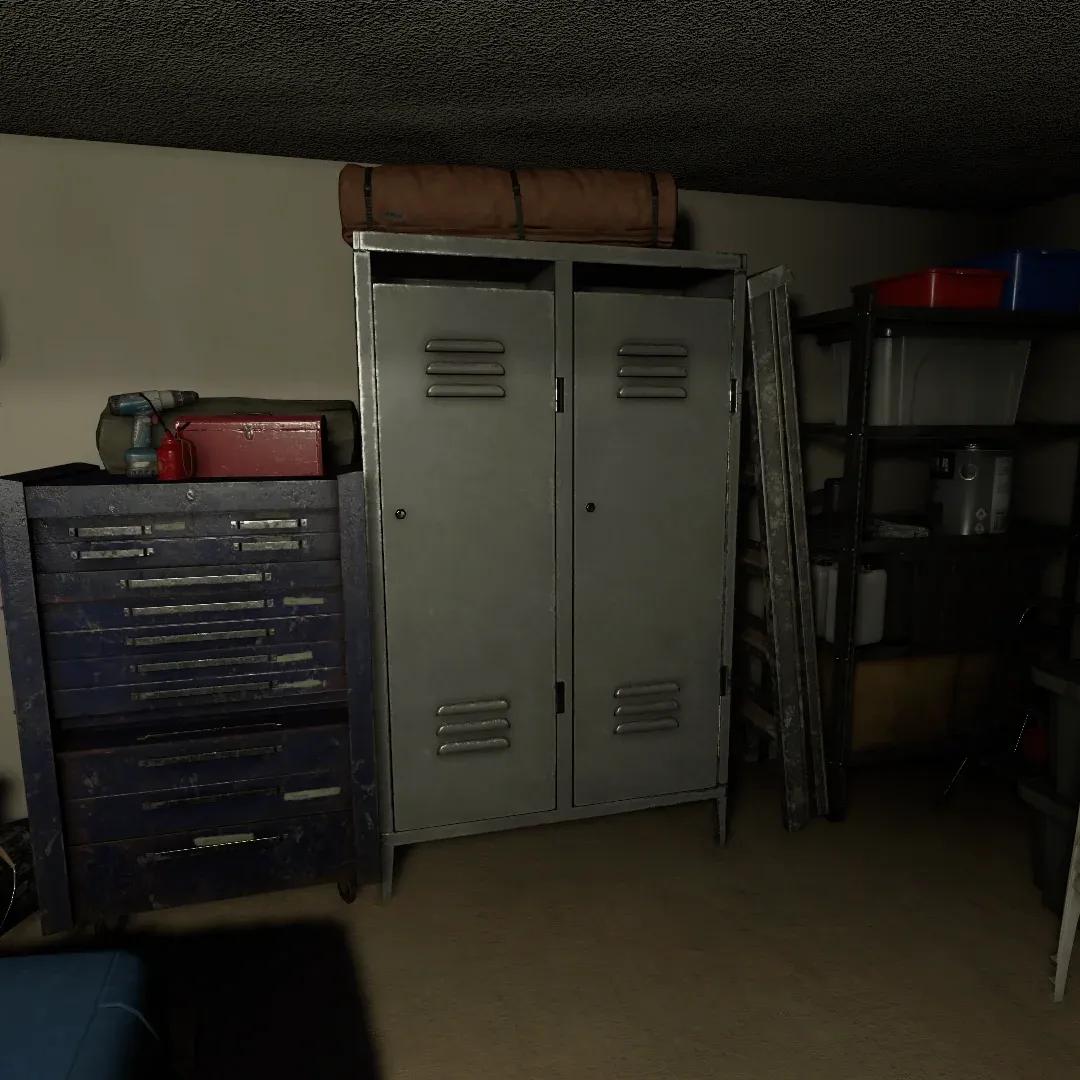
Official hiding spots like closets, lockers, and small tents are always the safest choice. These are never blocked off, unlike some furniture-based spots that can become inaccessible depending on the map.
For furniture hiding, the general rule is that the object needs to cover you at least to eye level. If it doesn't, crouch. Items with small collision hitboxes, like potted plants or the bushes at Maple Lodge Campsite, won't actually hide you from the ghost, so don't rely on them.
If no furniture is available, hiding in a small, dead-end room is a last resort. On large maps like Sunny Meadows Mental Institution, this works reasonably well because the ghost has so much area to cover. On small maps like 6 Tanglewood Drive or 42 Edgefield Road, it's genuinely risky since the ghost can stumble into your room easily. Always close the door if you're hiding in a room, as the ghost can detect players hiding behind open doors.
One ghost that completely breaks the hiding strategy is the Deogen. It always knows where every player is during a hunt, so sitting in a locker against a Deogen just gets you cornered. See the looping section below for how to handle it.
How to run and break line of sight effectively
Sometimes hiding isn't an option and you need to outrun the ghost. Sprint in Phasmophobia lasts only 3 seconds before triggering a 5-second cooldown, so burning it immediately isn't always smart.
The most important rule: never run in a straight line. Most ghosts accelerate with continued line of sight. Use corners, doors, and furniture to break their view of you. Two line-of-sight blockers in quick succession (turning a corner and closing a door, for example) work best before ducking into a hiding spot.
Knowing the map layout before a hunt starts is what separates experienced players from beginners. Maps like Brownstone High School and Sunny Meadows have near-symmetrical layouts that are easier to memorize. Maple Lodge Campsite has a more organic structure. Tighter maps like 42 Edgefield Road and 6 Tanglewood Drive have fewer escape routes, making dead-end awareness especially important.
Ghosts like the Revenant and Hantu have speed advantages that make straight-line chases even more dangerous. If you know you're dealing with one of these, prioritize breaking line of sight immediately rather than trying to outrun them.
How does looping work, and when should you use it?
Looping means circling around a piece of furniture or a structural feature so the ghost can never quite reach you. The Grafton Farmhouse is a classic example, where you can loop between the Dining Room, Kitchen, and Foyer. Kitchen islands across multiple maps also work well.
The mechanic works because looping constantly breaks line of sight, which prevents the ghost from building up speed. Crouching while looping reduces the rate at which the ghost gains speed even further.
Three ghost types are actually easier to loop than to hide from: the Deogen, Hantu, and Thaye can all become slower than a player's walking speed under certain conditions and don't accelerate with line of sight. Against a Deogen specifically, looping is essentially the only viable survival strategy since hiding is useless.
On the other hand, looping is more dangerous against Phantoms, ghosts with speed advantages, or crawling ghosts. If you're not confident in the loop geometry, bail and find a hiding spot instead.
Tier III Salt pairs well with looping. Placing it in lines at regular intervals can slow a hunting ghost for 2 seconds per pile, potentially letting you maintain a loop for the entire hunt duration. Keep an Incense ready as a backup in case the ghost catches up.
Managing electronics during a hunt
Active electronic equipment held in your hand, including flashlights even when resting on your shoulder, attracts the ghost within 7.5 metres. The default weak-light flashlight that can't be removed from the shoulder is the one exception; it won't attract the ghost.
For the Raiju, the stakes are higher. Active electronics nearby (even thrown on the floor) push its speed close to that of a Revenant. Swap electronics into your inventory or turn them off before dropping them when a Raiju is the suspected ghost type.
Head Gear is particularly dangerous to forget because it requires holding the Special key for a moment to turn off. If the ghost is already nearby when you remember, it may already be too late. Make turning off Head Gear your first action when a hunt starts.
How do you know when a hunt has ended?
The ghost disappears and teleports back to its room when a hunt ends. Hunting sounds stop, and lights become toggleable again. Flicking a light switch is a quick check: if it clicks and the light responds, the hunt is over. Trying an exit door also works; if it opens, you're safe.
For players hiding away from the ghost, patience is the key. Don't leave your hiding spot based on silence alone, since some ghost vocalizations (particularly the Myling) are only audible at short range and may not be heard from a distance.
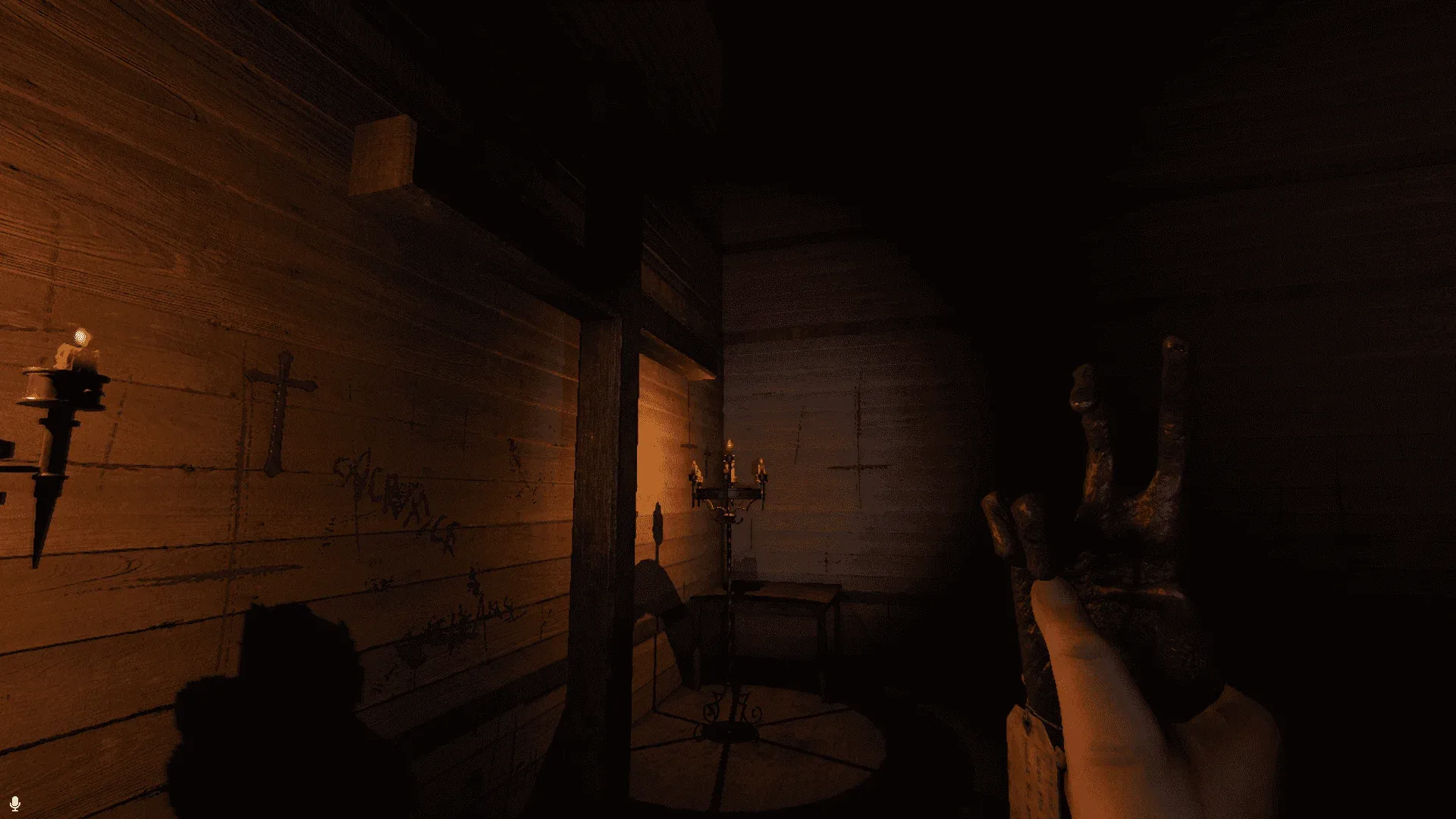
One unusual mechanic: if all players manage to get outside the investigation area during an active hunt, the hunt ends early. The only practical way to do this legitimately is with the Monkey Paw, which can unlock all exit doors even during a hunt.
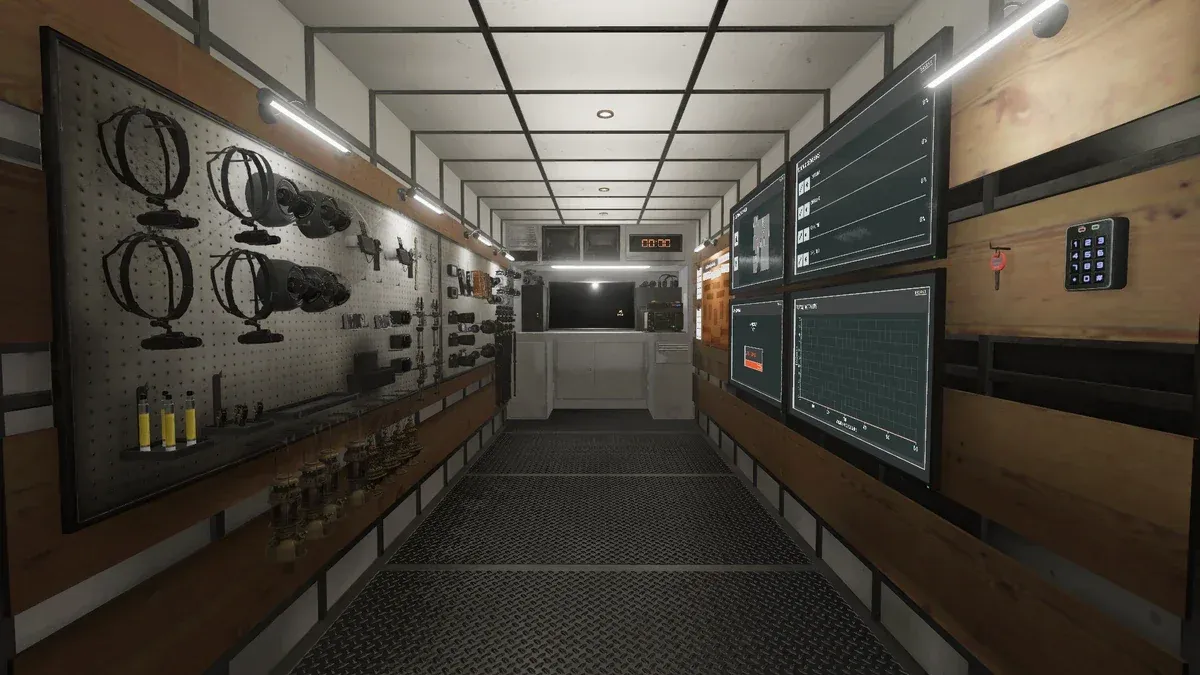
For team coordination, players far enough from the ghost can still use global chat during a hunt. If you spot the exit doors locking or the activity monitor in the truck hitting 10, call it out immediately so teammates can react during the grace period before the ghost can actually detect anyone.
For more ghost-hunting strategies and game guides, browse more guides on GAMES.GG. The Phasmophobia Wiki's hunt survival guide and the detailed hunt mechanics page are also worth bookmarking for quick reference between contracts.