

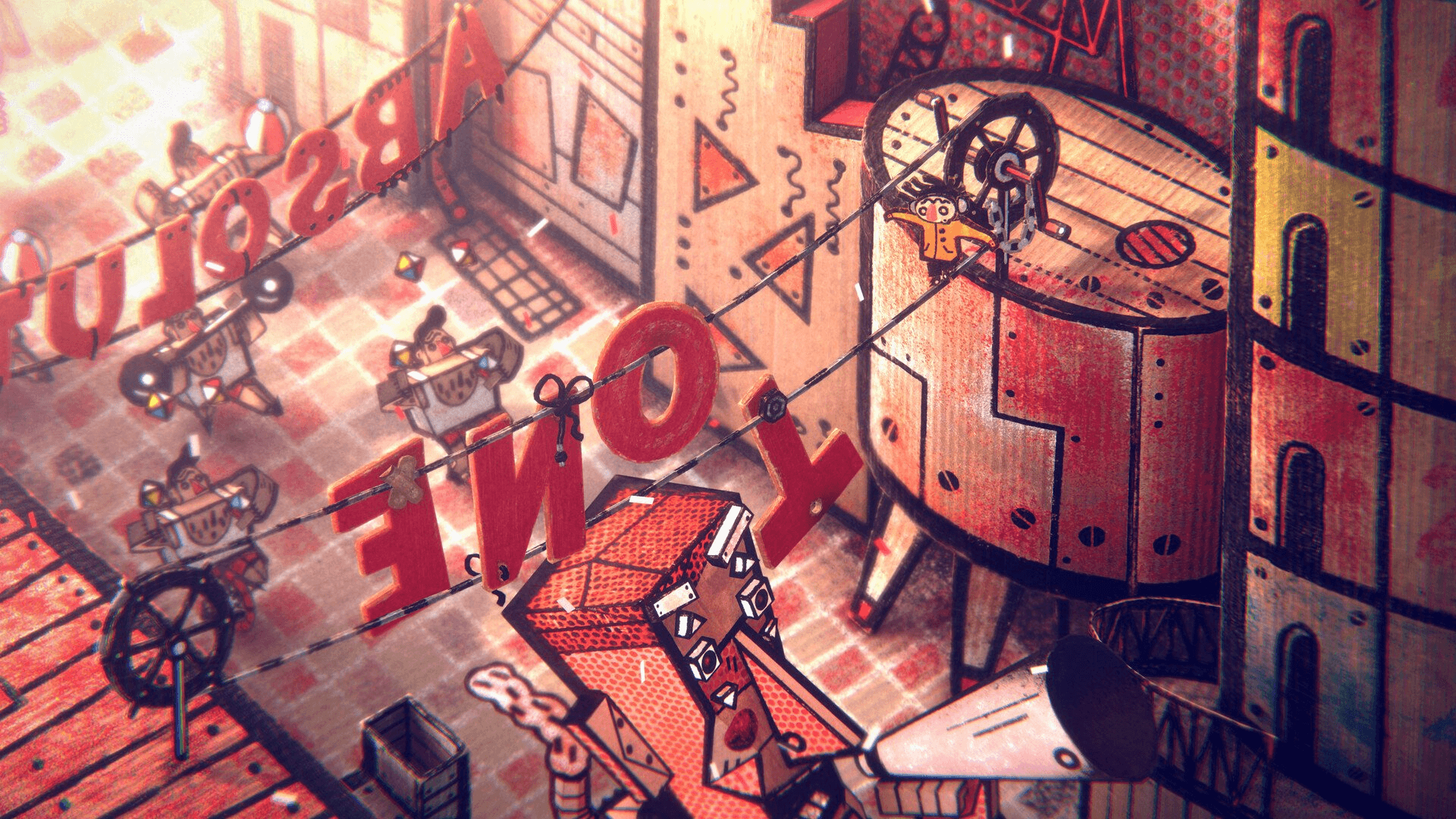
Phonopolis drops you into a strange cardboard city where every lever, pipe, crank, and paper flap might be the thing standing between Felix and freedom. Developed by Amanita Design, this puzzle adventure hides its logic inside visual jokes and busy paper stages. The puzzles rarely explain themselves, and that's the point. This guide gives you the mental framework to read each scene correctly, find what you're missing, and work through the trickiest moments without turning the whole thing into a frustrating pixel hunt.
How does Phonopolis work as a puzzle game?
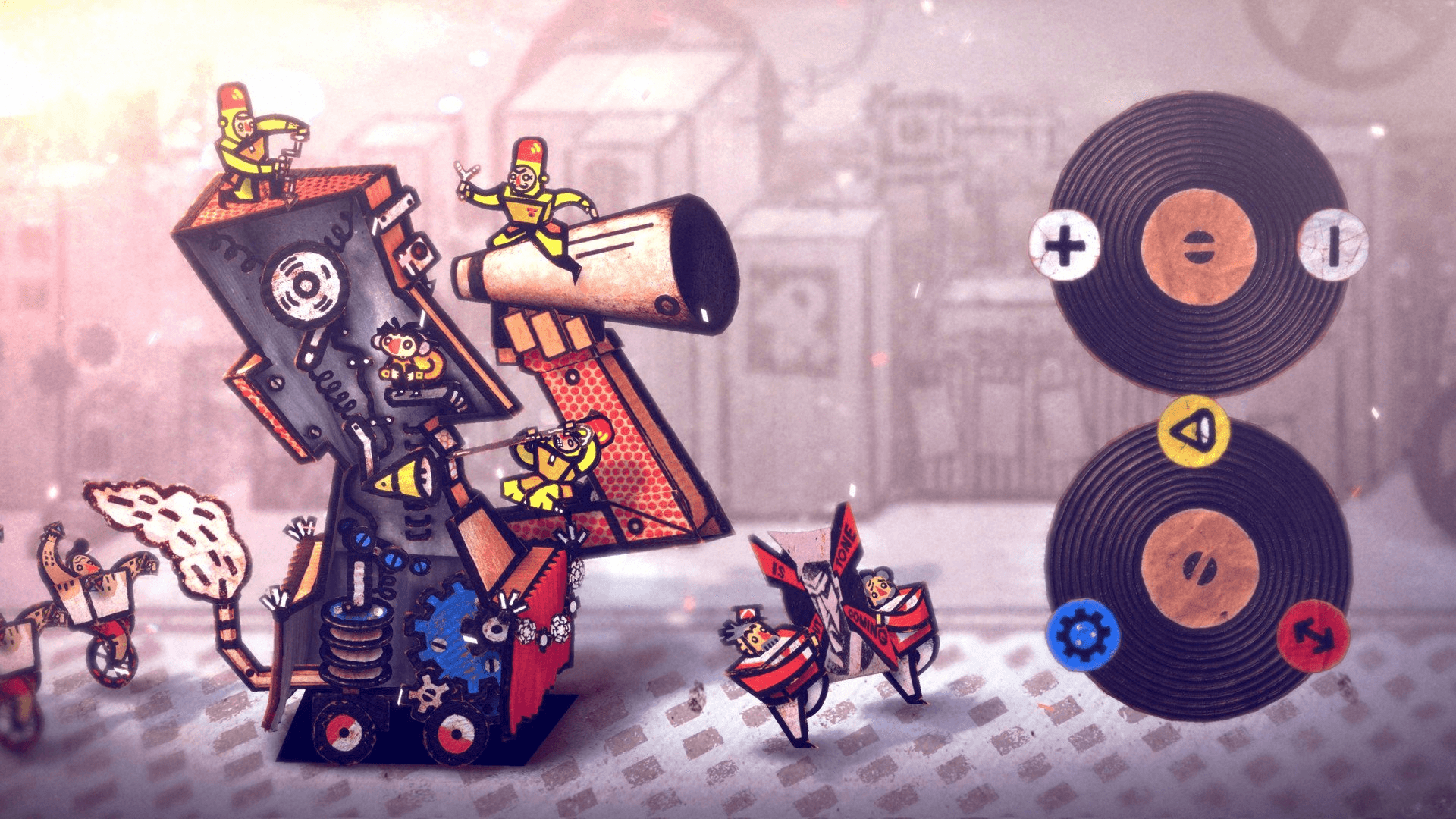
Phonopolis is a point-and-click puzzle adventure where nearly everything on screen can be clicked, dragged, pushed, pulled, rotated, or inspected. The city is built from cardboard bureaucracy, and Felix's job is to outsmart a machine that takes itself very seriously despite being made of paper. Most puzzles follow a cause-and-effect structure: one action unlocks another, and the scene itself tells you what changed if you know how to look.
The game belongs to a tradition of puzzle games that reward observation over speed. Clicking faster does nothing here. What matters is learning to read the visual language of each screen.
How to read a Phonopolis scene correctly
Before touching anything, do a full calm scan of the screen. Most players jump straight to clicking, which is exactly how you miss the thing that matters. Start in the foreground, move to the walls, then check signs, wires, switches, and anything near the edges. Amanita Design loves hiding functional parts inside visual gags, so that silly dial or paper flap you dismissed as decoration might be the trigger for the entire puzzle chain.
A reliable method is to divide each scene into three zones: left, center, and right. Work through each zone by clicking its moving parts, readable signs, and machine controls. This pass catches the majority of easy-to-miss interactions and keeps the story moving at a reasonable pace.
What counts as an interactive object?
Anything the game lets you manipulate is interactive: levers, flaps, cranks, pipes, dials, and characters. If a part moved once during your session, assume it might matter again after a nearby machine activates. The scene is a connected system, not a collection of isolated switches.
Cause and effect: the core puzzle logic
Most puzzles in Phonopolis follow this structure:
- A machine needs power before you can use it
- A locked path needs a code, a repositioned part, or a specific machine state
- A character needs visible proof that something changed before they react
When you can see a machine but can't interact with it yet, ask what it's missing. That question alone solves a significant portion of puzzles before you need any outside help.
What should you do when you're completely stuck?
Don't replay the whole scene. Reset your thinking from the last thing that changed. A light turned on, a panel opened, a character moved, or the machine noise shifted. In Phonopolis, a small animation is the game's way of pointing at something important. Follow that signal.
Here's a practical unstuck checklist:
- Click or drag every object that recently moved or made a sound.
- Return to any character or machine that ignored you on a previous visit.
- Look for matching symbols, colors, or repeated shapes within the same scene.
- If nothing responds, leave the screen if the game allows it, then return and check what stayed changed versus what reset.
How to approach puzzles without spoiling the fun
Phonopolis has genuine comedic discoveries built into its puzzle design. Rushing to a full solution list on the first run strips those moments out entirely. A layered approach keeps the experience intact:
- Step 1: Identify the goal of the room. What does Felix need to accomplish here?
- Step 2: Find what the room is missing. What element would make the next step possible?
- Step 3: Only then look for an exact interaction order if you're still stuck.
This method preserves the funny little discoveries that make Amanita Design games worth playing while still preventing the kind of frustration that kills momentum.
Achievements and optional actions
Phonopolis includes achievements tied to optional interactions, meaning some of the game's best moments are things you can walk right past. During your scene scans, pay attention to objects that don't seem connected to the main puzzle. These are often the optional interactions that unlock achievements. They're usually small, self-contained, and don't affect progression, but they add a lot of character to the city.
Tips summary: the fastest way to get unstuck
- Scan the full scene before clicking anything
- Divide screens into left, center, and right zones
- Follow motion, sound, and animation cues as puzzle signals
- Ask what a machine is missing before hunting for solutions
- Treat Felix's held objects as directional clues, not inventory puzzles
- Check optional interactions during every scene for achievement progress
- Leave and re-enter screens when nothing responds to reset your perspective
For more help across every section of the game, the Phonopolis guides collection covers full walkthroughs, exact puzzle solutions, screenshot layouts, and a complete achievements breakdown.