Overview
Plague Inc. presents a unique strategic challenge that transforms global pandemic simulation into an engaging tactical experience. Players begin by selecting a pathogen type and patient zero's location, then guide their disease through careful evolution and adaptation. The game tracks infection rates across countries and continents, modeling real-world factors like climate, healthcare infrastructure, population density, and international travel patterns.
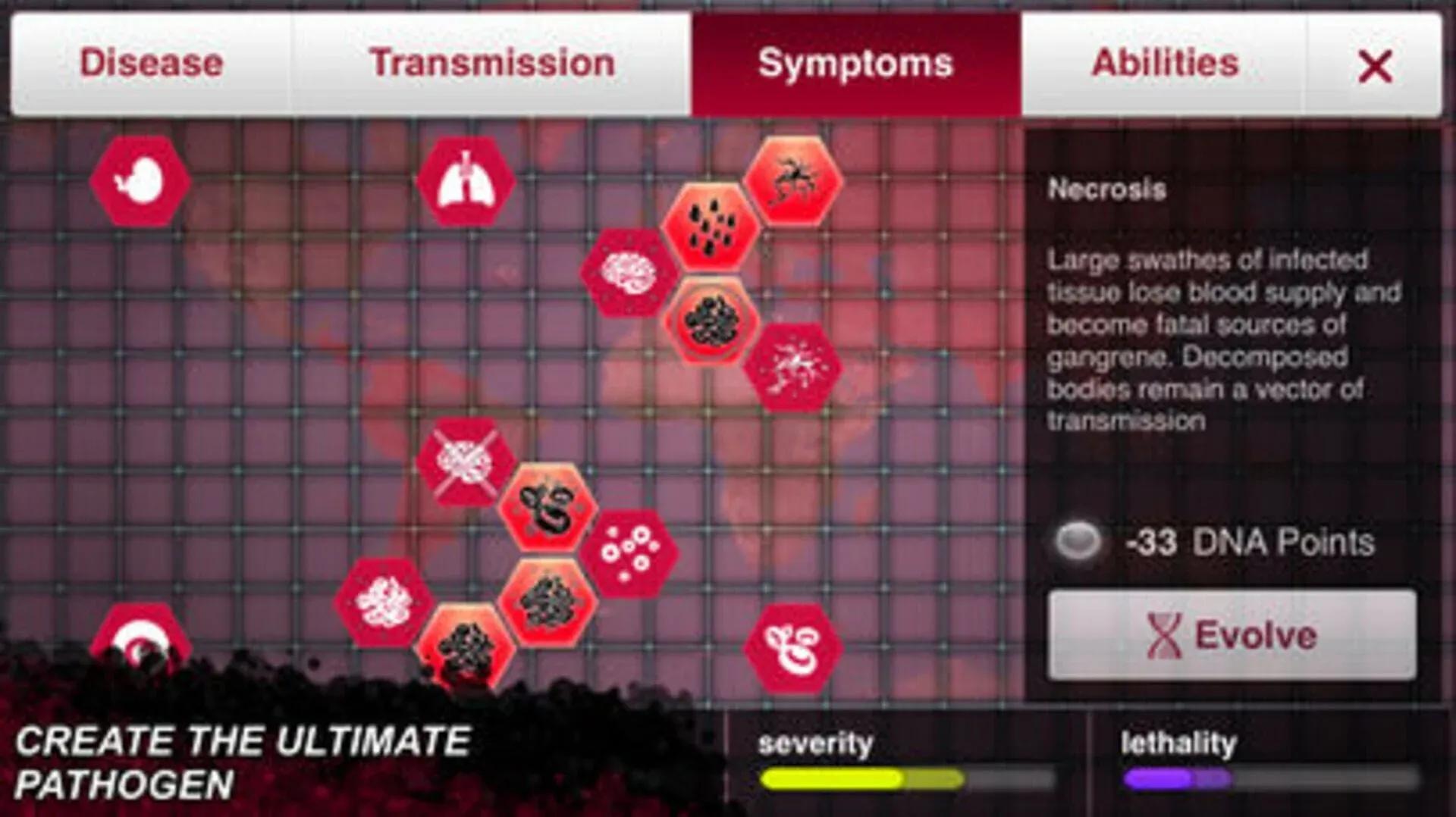
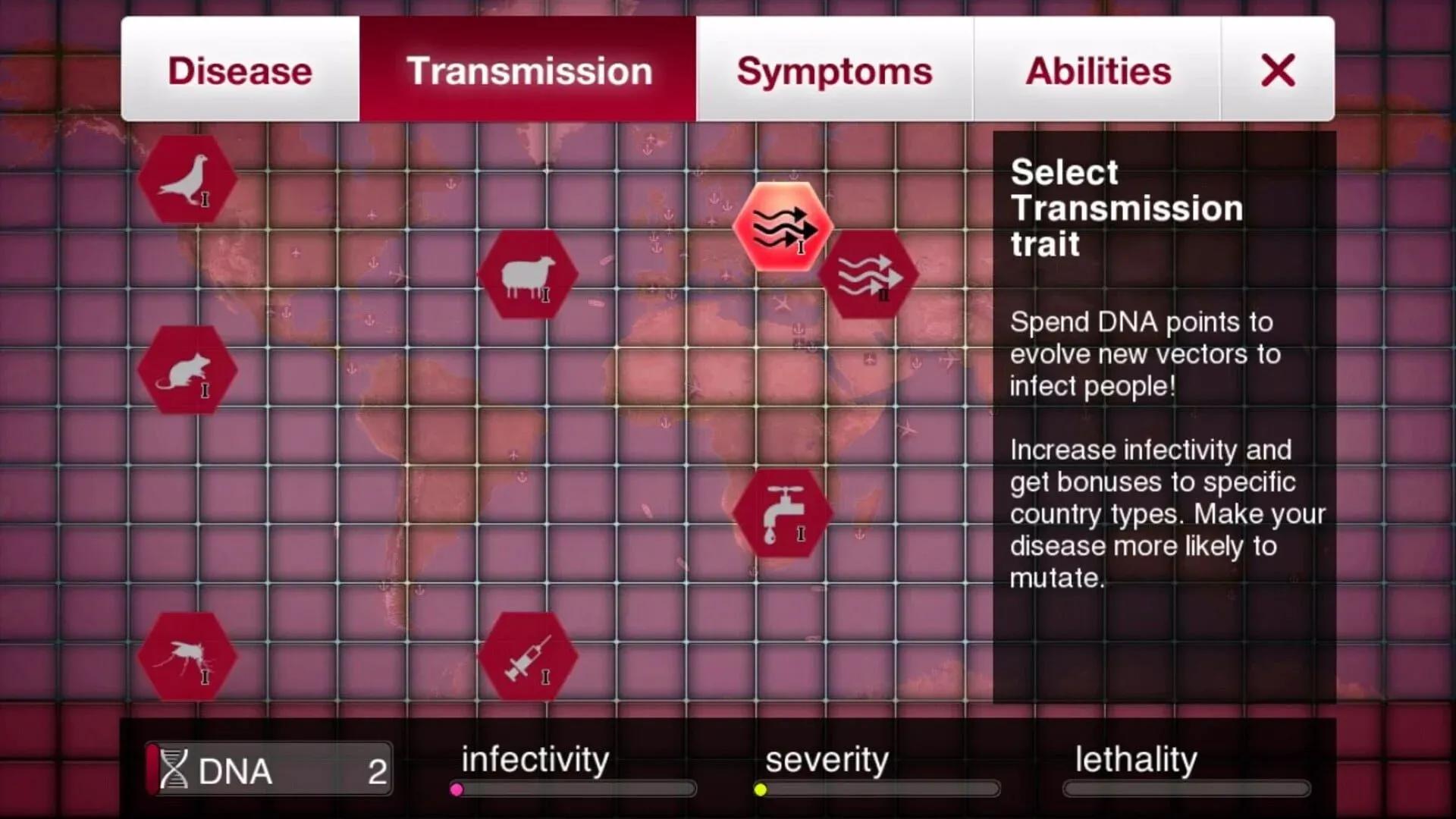
Success requires balancing multiple competing factors. Diseases that kill too quickly alert authorities before spreading globally, while overly benign pathogens allow scientists time to develop cures. Players earn DNA points by infecting new hosts, which fund evolutionary upgrades across three main categories: transmission methods, symptoms, and abilities. Each upgrade presents strategic trade-offs that fundamentally alter how the disease spreads and responds to environmental pressures.
The simulation engine incorporates sophisticated variables that mirror actual epidemiological concerns. Wealthy nations deploy aggressive research programs and healthcare responses, while developing countries offer easier initial spread but fewer opportunities for transmission to other regions. Seasonal factors affect airborne transmission, and government actions like border closures or medical martial law force tactical pivots.
What Makes the Plague Types Different?
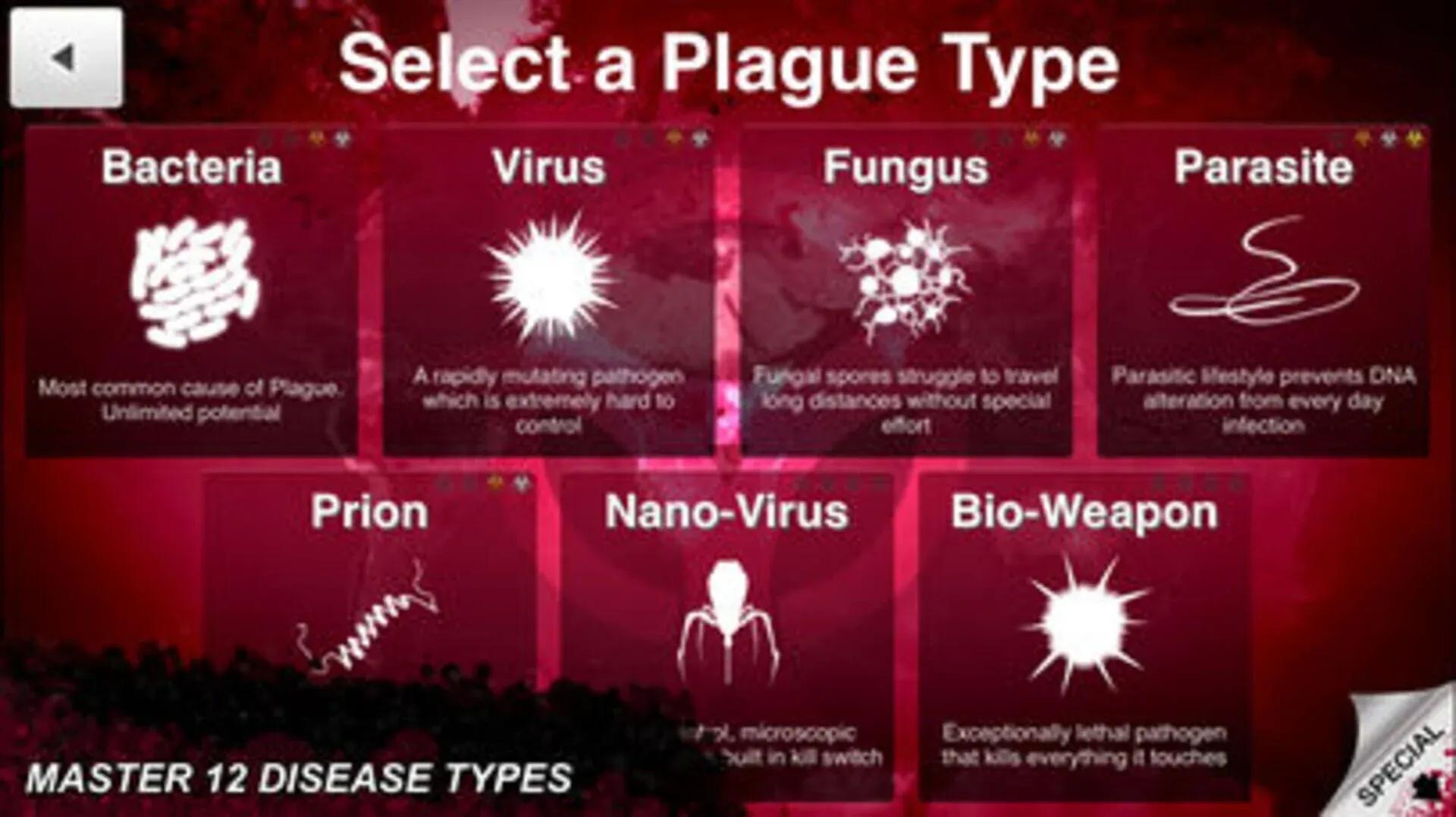
The game features multiple pathogen classes, each demanding distinct strategic approaches. The basic bacteria serves as an introduction to core mechanics, offering balanced characteristics and straightforward progression. Viruses mutate unpredictably, creating symptoms without player input and requiring adaptive strategies. Fungi struggle with natural transmission, necessitating careful investment in spread mechanisms.
Plague Inc.
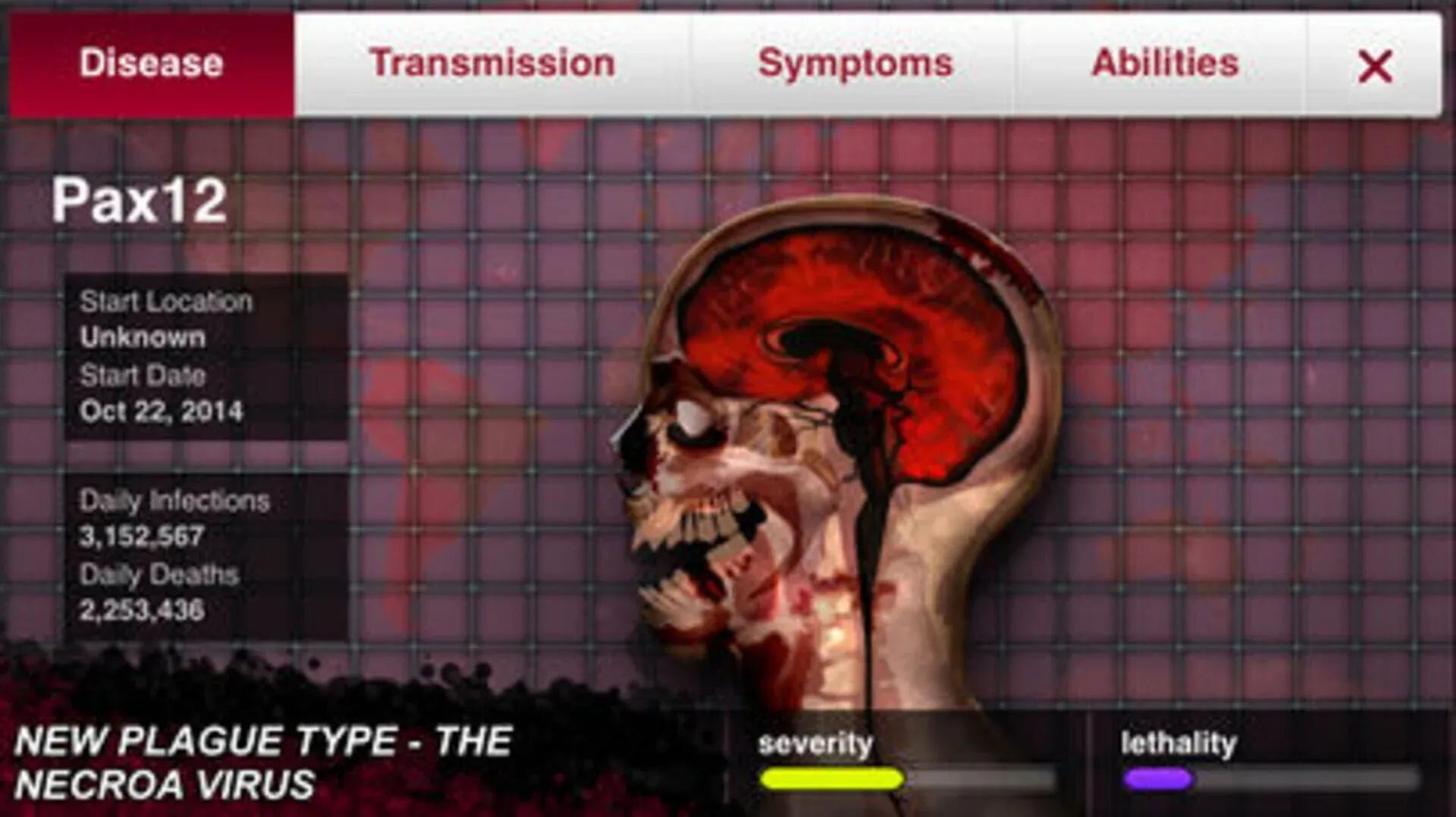
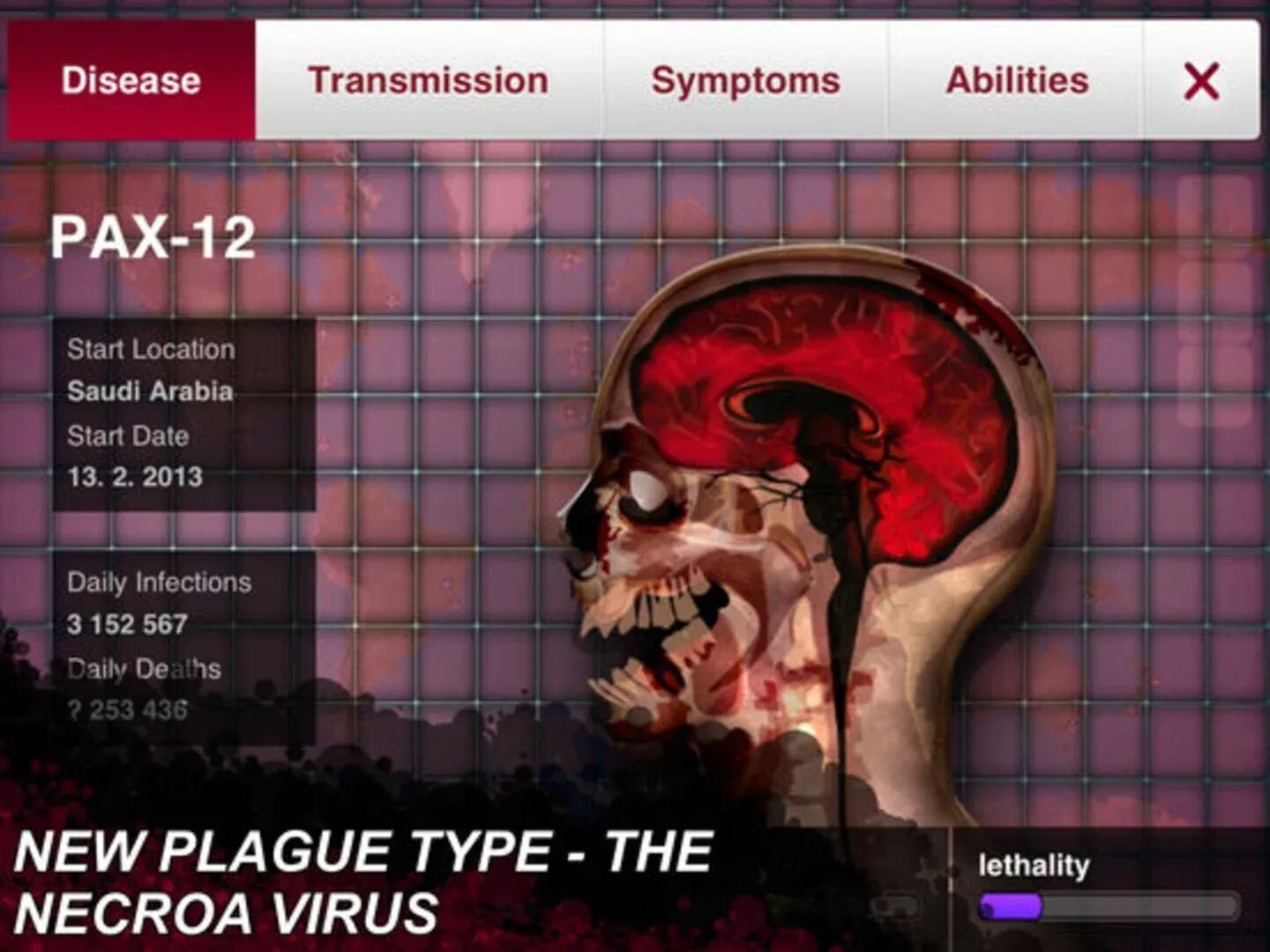
More exotic plague types unlock through successful campaigns. The parasite avoids detection longer but spreads slowly. Prions remain invisible to researchers for extended periods while gradually degrading cognitive function. Bioweapons represent engineered threats with inherent lethality that escalates automatically. The neurax worm and necroa virus introduce alternative victory conditions beyond simple extinction, allowing mind control or zombie apocalypse scenarios respectively.
Strategic Depth Through Evolution Management
The evolution system forms the tactical heart of the experience. Transmission upgrades determine spread vectors—airborne particles for densely populated regions, waterborne for countries with poor sanitation, or blood-borne through insects in tropical climates. Symptom selection shapes disease severity and visibility, ranging from subtle coughs to organ failure and total system collapse.
Plague Inc.
Abilities provide defensive options against human countermeasures. Drug resistance counters pharmaceutical interventions in wealthy nations, while environmental hardening protects pathogens in extreme climates. Genetic reshuffle resets cure research progress at critical moments, buying precious time during the final stages when humanity mobilizes its full scientific capacity.
Resource management becomes increasingly critical as campaigns progress. DNA points accumulate through infections and special events, but spending requires careful prioritization. Investing heavily in transmission early maximizes global spread but leaves diseases vulnerable to treatment. Conversely, developing lethal symptoms prematurely triggers aggressive responses before achieving worldwide saturation.
Real-Time Global Simulation
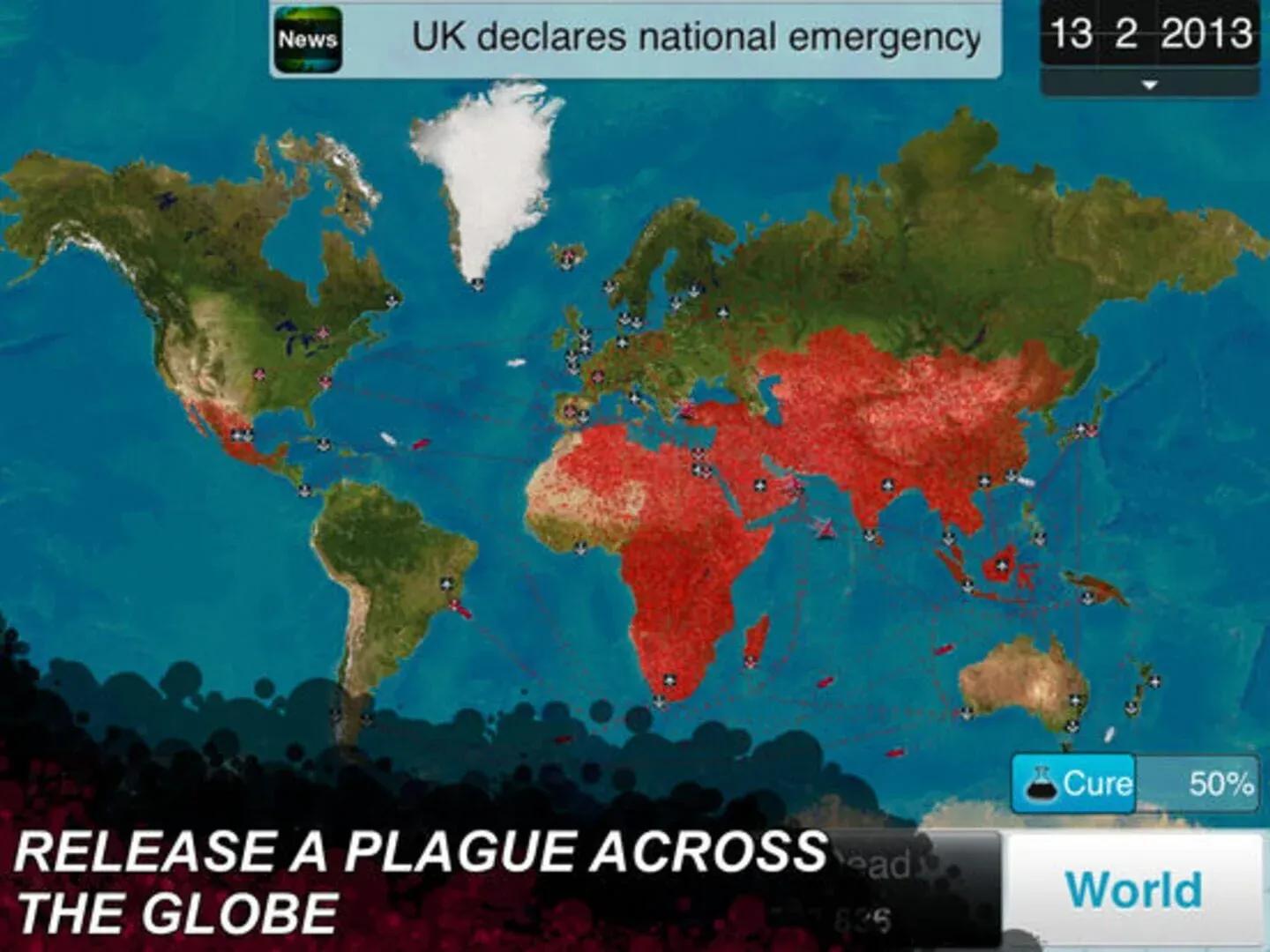
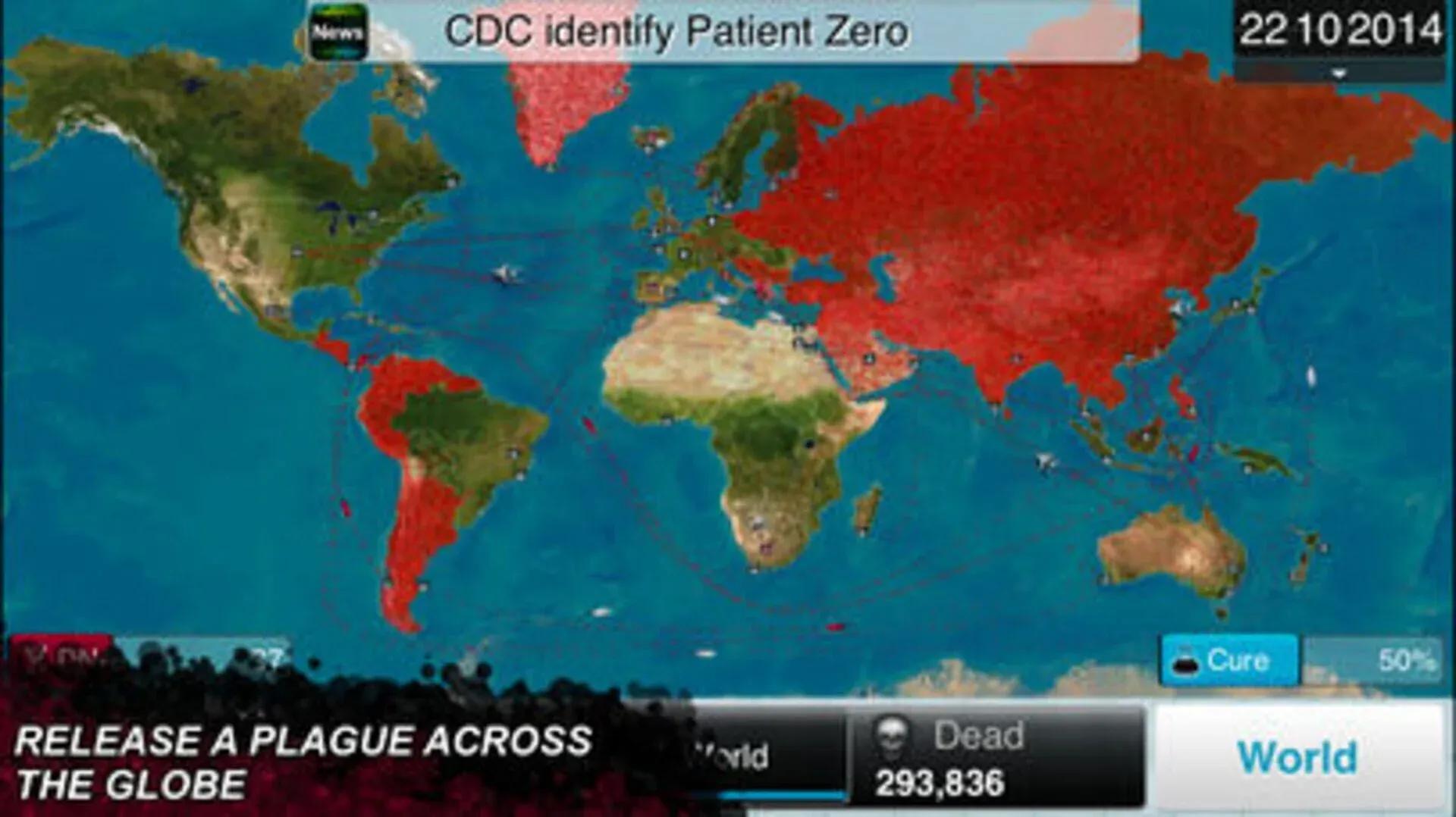
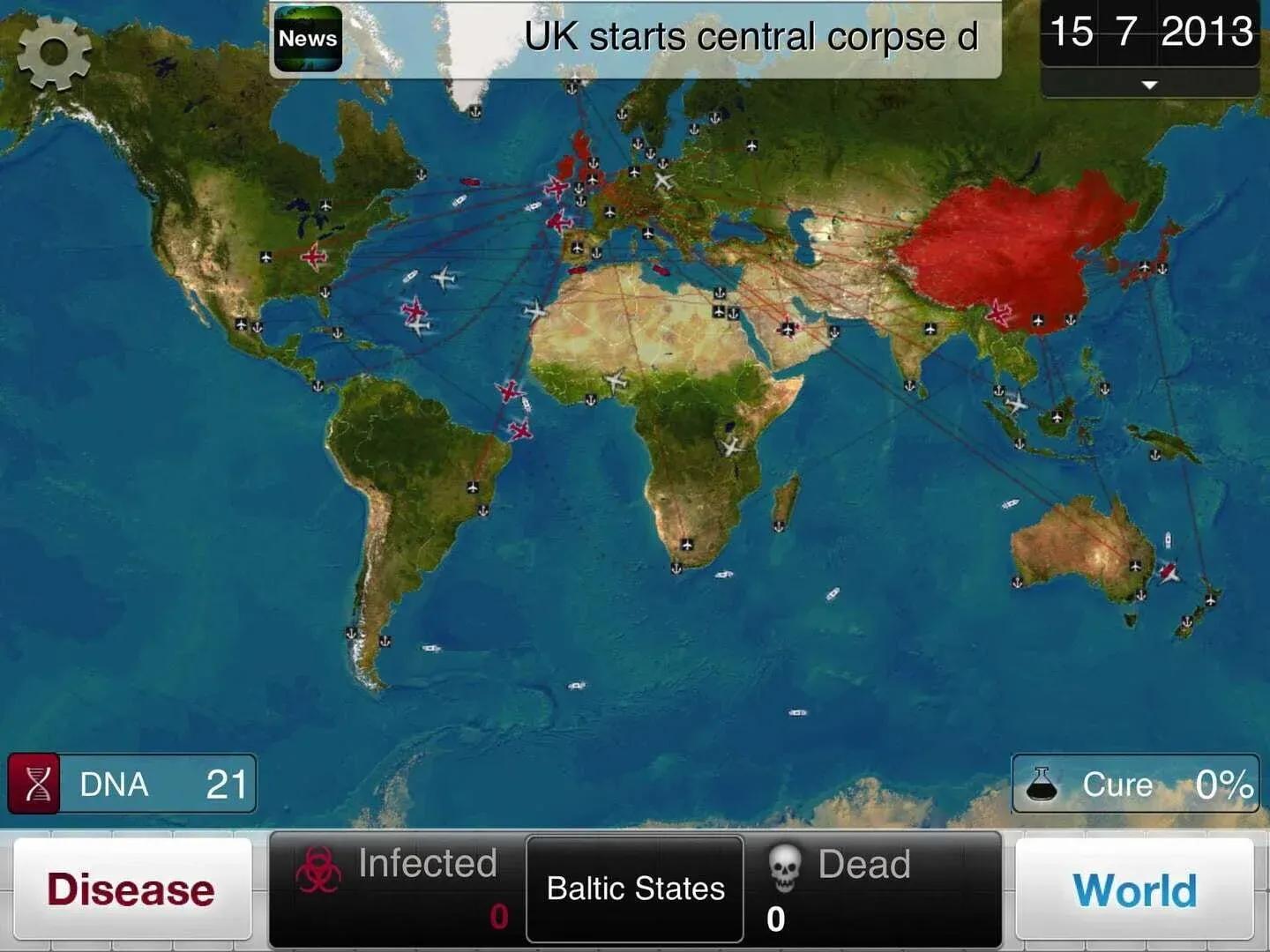
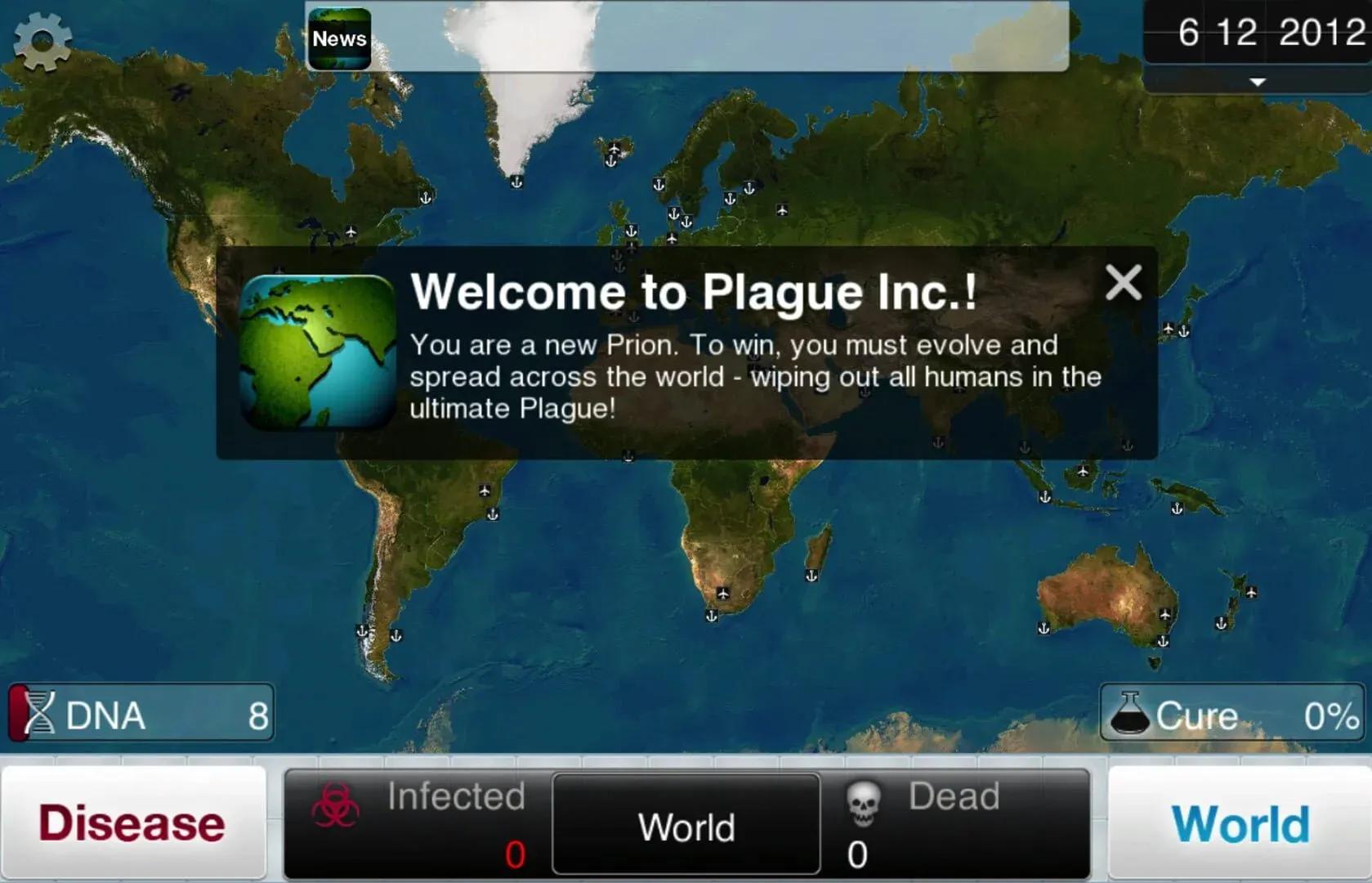
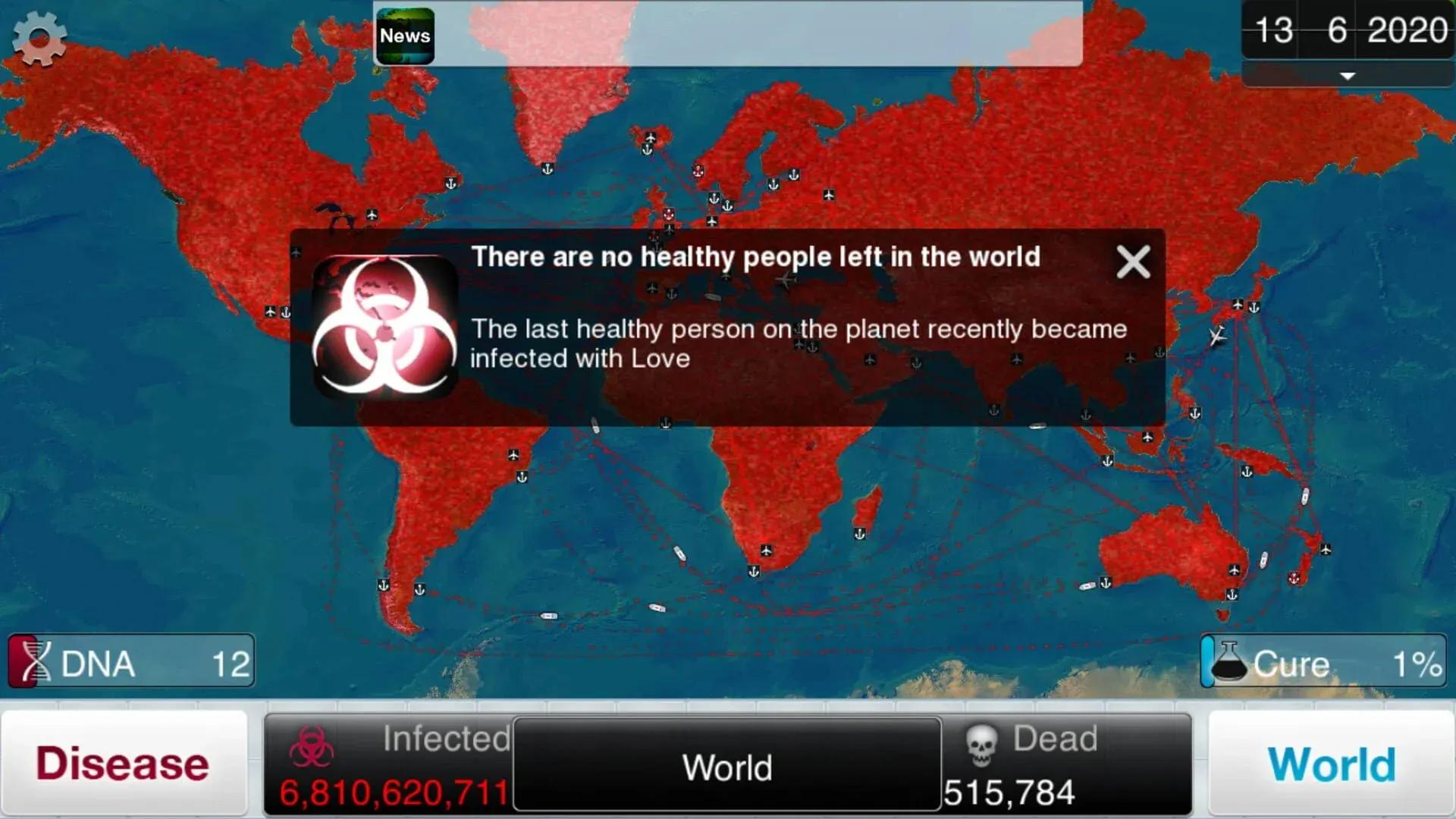
The world map displays infection data through color-coded countries and detailed statistics. Players monitor infection counts, death tolls, and cure research percentages while tracking news headlines that report disease developments and government responses. The simulation runs continuously, with speed controls allowing tactical pauses for strategic decisions.
Plague Inc.
Random events inject unpredictability into campaigns. Medical conferences accelerate cure research, while natural disasters or political unrest create opportunities for transmission. Special events tied to specific plague types offer unique DNA bonuses or narrative developments that enhance the strategic landscape.
Geographic strategy matters significantly. Island nations like Greenland, Iceland, and Madagascar present notorious challenges due to limited ports and airports. Countries with robust healthcare systems detect and combat diseases more effectively, while nations with weak infrastructure succumb rapidly but contribute less to global spread.
Replayability and Challenge Modes
Multiple difficulty levels adjust AI responsiveness and cure development speed. Casual mode allows experimentation with mechanics, while brutal difficulty demands near-perfect strategic execution. Each pathogen type multiplies replay value through distinct gameplay patterns and unlock requirements.
Plague Inc.
Scenario mode extends the core experience with specialized challenges. These range from historical recreations to fictional outbreaks with modified rules and victory conditions. Some scenarios reverse the premise, tasking players with controlling beneficial genetic modifications or combating established diseases.
The game tracks detailed statistics across campaigns, recording infection patterns, evolution choices, and completion times. This data feeds competitive impulses while helping players refine strategies for higher difficulties or faster victories.
Conclusion
Plague Inc. delivers a thought-provoking strategy experience that combines accessible mechanics with genuine tactical depth. The pandemic simulation creates compelling scenarios where players constantly adapt to changing global conditions and defensive countermeasures. Multiple pathogen types, difficulty settings, and scenario challenges ensure substantial replayability for strategy enthusiasts seeking darkly fascinating gameplay. This cross-platform title demonstrates how unconventional premises and careful systems design can create enduringly engaging strategic experiences.