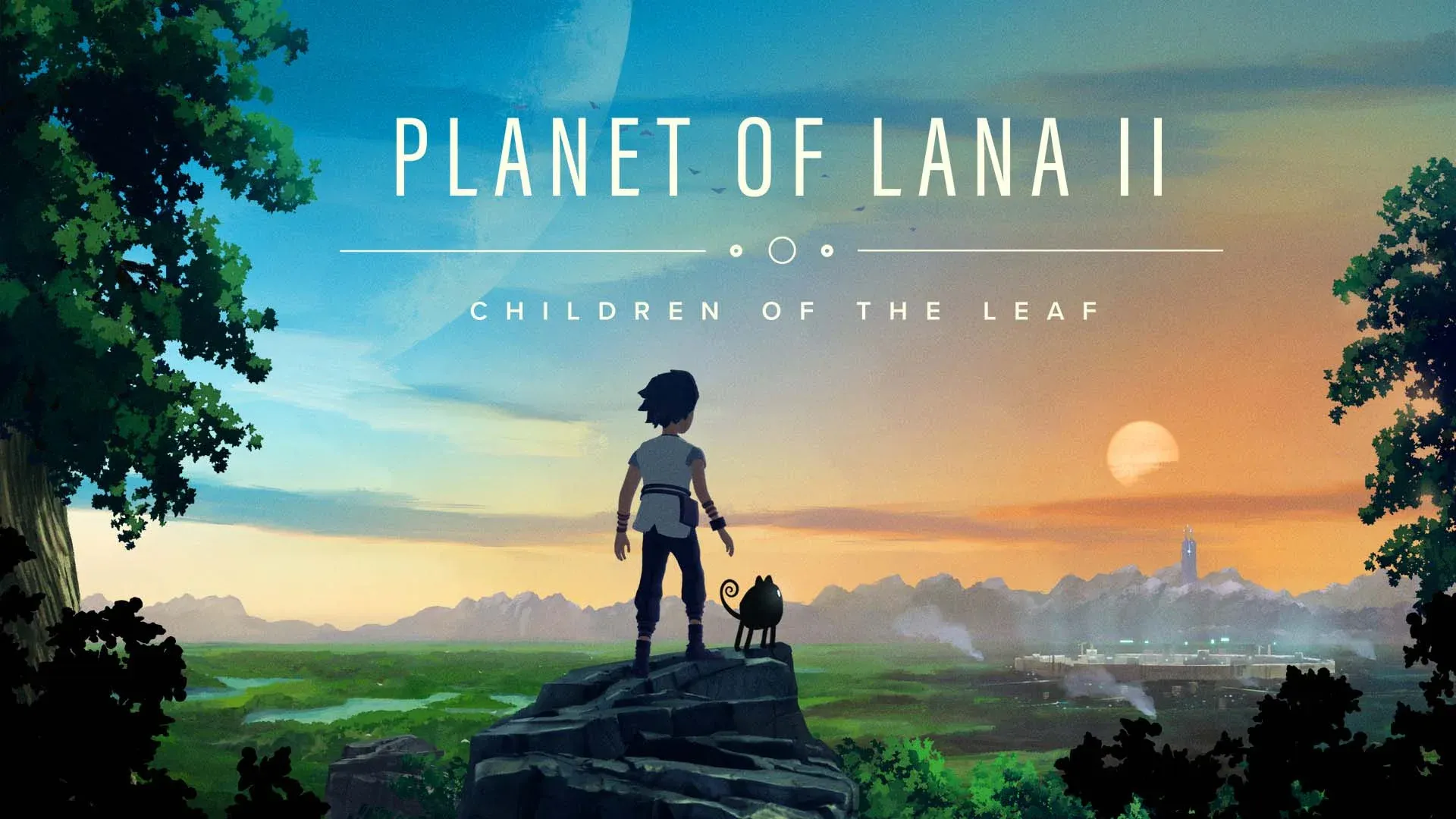

Planet of Lana II: Children of the Leaf keeps the cinematic calm of its predecessor but sharpens every moment of play. Puzzles demand better timing, movement is more fluid, and the bond between Lana and Mui is the engine that drives every solution. Whether you're just arriving at the Demoa ocean biome or puzzling through creature hypnosis for the first time, understanding how the new systems connect is the fastest way to stop getting stuck.
What's New in Planet of Lana II's Gameplay?
Planet of Lana II introduces several mechanics that didn't exist in the original. Rather than being incremental tweaks, these changes reshape how you think about every screen.
Mui command range expanded
Lana's Expanded Movement
Lana now has access to wall jumps, run-slides, and noticeably faster base movement. These aren't just cosmetic upgrades. They feed directly into puzzle design, where tight timing windows and vertical traversal paths assume you know how to chain these moves together.
- Wall jumps let you reach ledges that look completely out of range at first glance.
- Run-slides help you pass under low obstacles and squeeze through gaps mid-momentum.
- Faster movement means patrol enemies have less margin for error on your end, so you need to read their cycles carefully.
Mui's Extended Command Range
Mui's commands now reach farther across the screen, which fundamentally changes how you position Lana before sending Mui out. The old approach of walking Lana close to every interaction point is no longer necessary.
The better strategy: find a safe anchor spot for Lana, then direct Mui through gaps, across tight corridors, or into spaces Lana physically cannot enter. If a switch or lever seems completely out of reach for Lana, that's almost always the game signaling that Mui should handle it.
How Does Underwater Movement Work in the Demoa Ocean Biome?
The Demoa ocean area is one of the most significant new environments in the game. Lana can swim and dive freely here, without being locked to a single horizontal path. This opens up vertical exploration in a way the original never attempted.
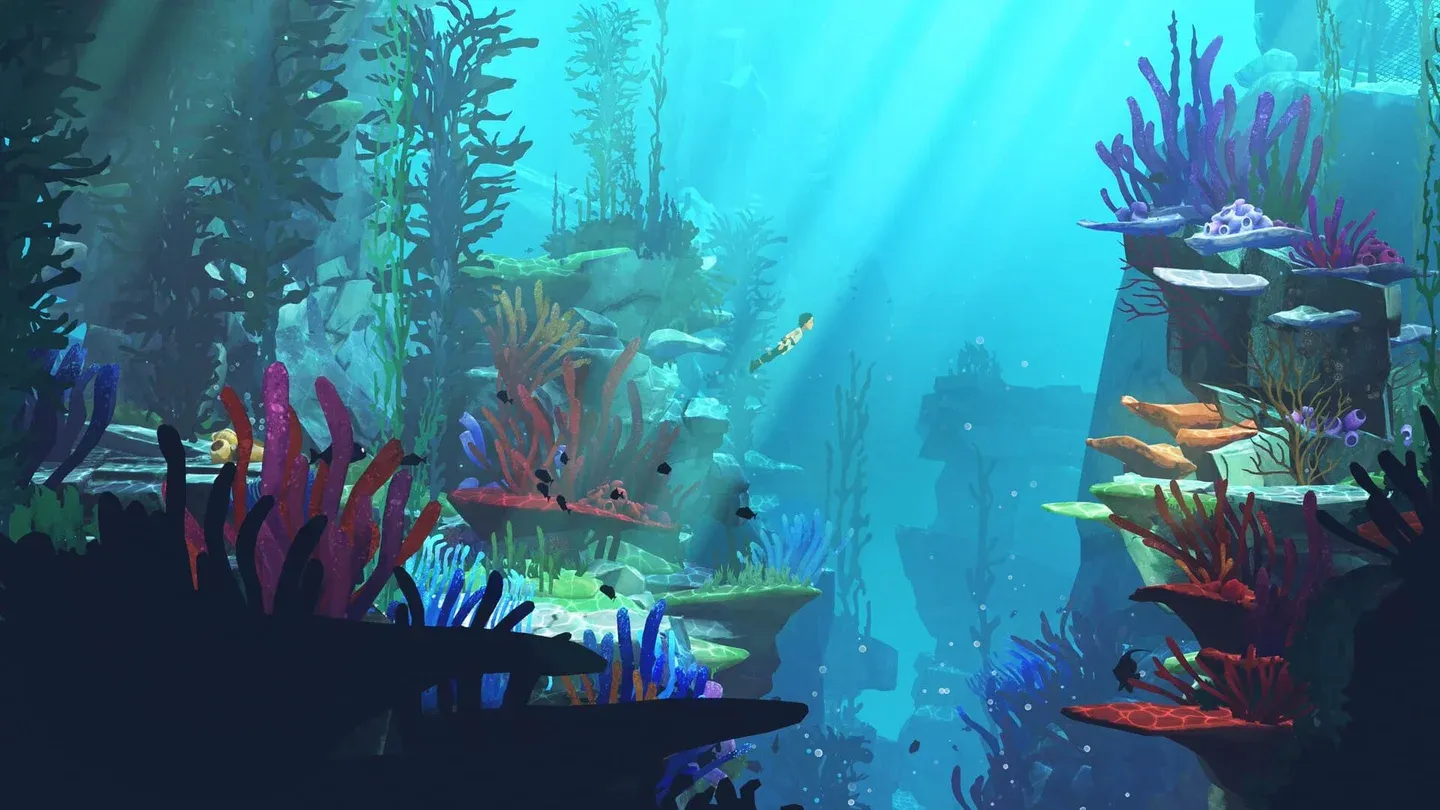
Demoa underwater free diving
Thinking in Three Dimensions
The instinct to scan left and right needs to expand. Coral tunnels, dark vertical gaps, and ceiling-level paths all hide progress and secrets. Looking up and down is just as important as scanning horizontally.
- Check above Lana when you hit a dead end. Vertical shafts often lead to the next area.
- Dark gaps in coral walls usually indicate a passable tunnel rather than a boundary.
- Some collectibles and alternate routes sit below the obvious swim line.
Mui in Deep Water
Mui cannot handle deep water the same way Lana can. Puzzles in the Demoa biome frequently split the two characters, with Lana exploring below while Mui navigates along plants, platforms, or safe surface paths above. Expect to coordinate their positions across different vertical levels rather than keeping them side by side.
How to Handle the Electrical Shark Patrol
The Electrical Shark is the stealth threat that defines the ocean biome. It patrols in predictable loops, but rushing through open water in a straight line will get Lana caught almost every time.
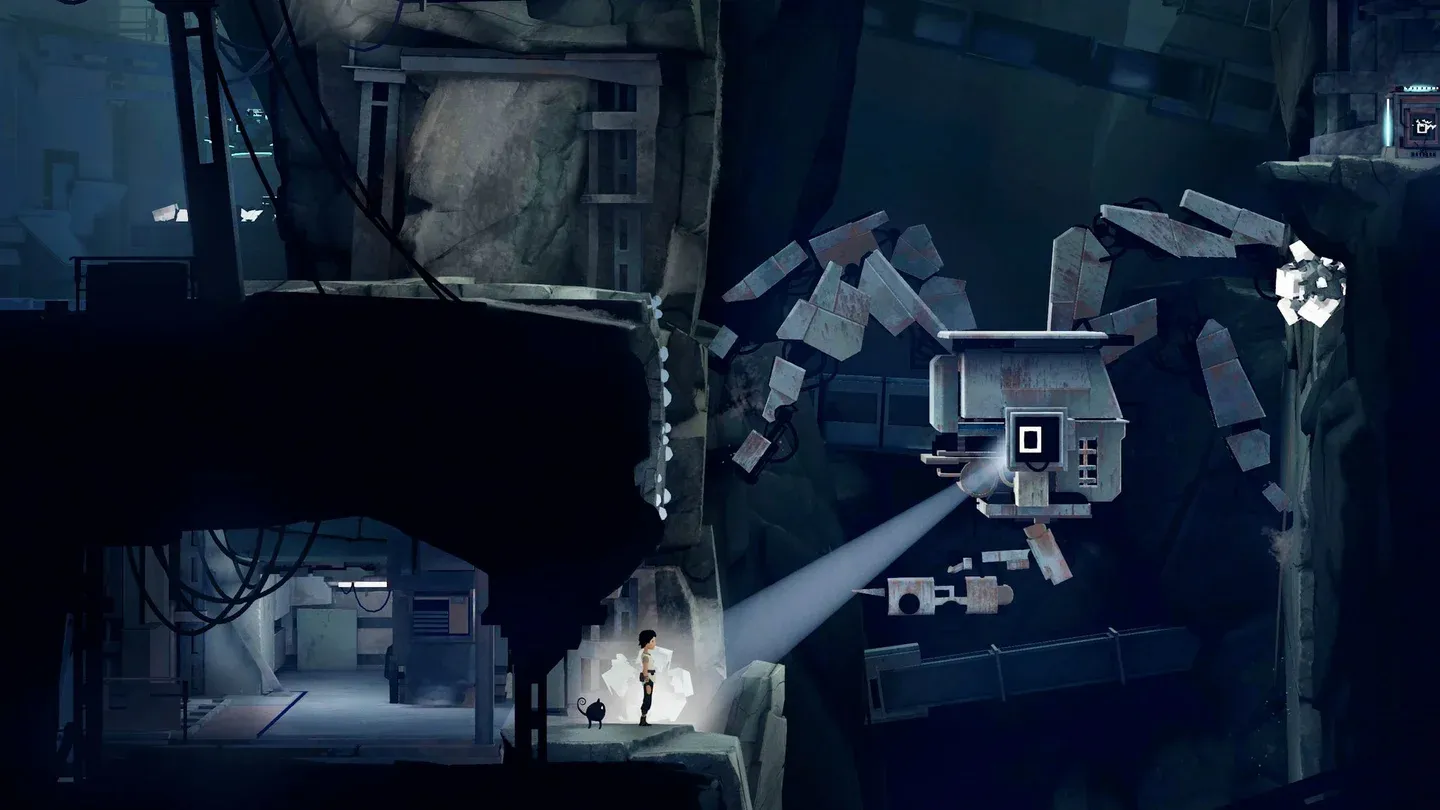
Electrical Shark patrol timing
Reading the Patrol as a Moving Wall
Think of the shark's path as a wall that shifts position. Your job isn't to outswim it. Your job is to find the gap in that wall and pass through it cleanly.
- Watch one full patrol cycle before moving. Count the beats.
- When a large opening appears in the shark's path, commit to the crossing completely rather than hesitating mid-swim.
- If the shark turns back sooner than expected, retreat to your starting point and reset. Partial crossings almost always end badly.
What Is the Inkfish Hypnosis Trick?
Creature hypnosis is one of the most exciting additions in Planet of Lana II. Certain creatures can be hypnotized and directed, turning them into tools rather than threats or obstacles.
Using the Inkfish as a Stealth Screen
The Inkfish is the clearest example of how creature control works. Once hypnotized, you can position it in a specific spot and trigger its ink release. The resulting cloud acts as a visual barrier, hiding Lana's movement from patrolling enemies.
- Position the Inkfish between Lana and the threat before triggering the ink.
- Time the crossing for the moment the cloud is at its densest.
- The ink cloud can substitute for tools you don't have yet, functioning as a smoke screen, a distraction trigger, or a movement window.
Applying the Inkfish Logic to Future Puzzles
What the Inkfish teaches is a general principle: small creatures often carry abilities that solve problems no item in your possession can. When a puzzle seems to be missing a key tool, scan the environment for a creature that might fill that role. A creature's natural ability frequently replaces a switch, a platform, or a cover mechanic.
How to Fix a Sequence That Won't Progress
Most moments where forward progress stops come down to sequence order rather than a missing solution. The puzzle logic is usually correct. The execution order isn't.
A Reliable Reset Process
When a sequence fails repeatedly, step back and approach it in this order:
- Move Lana to a fully safe position first.
- Send Mui to handle the required interaction.
- Activate the creature's ability if one is involved.
- Cross or advance only after the ability or event is active.
If timing still feels wrong, stop moving entirely and watch the patrol or animation loop for one full cycle. Most threats in Planet of Lana II run on a clear rhythm. Matching that rhythm rather than fighting it makes the next attempt straightforward.
New Abilities and Mechanics at a Glance
Every new mechanic in Planet of Lana II rewards the same core habit: scan the environment before acting, position both characters deliberately, and trust that the solution is already in the room. The tools are always there. The challenge is learning to read which one the puzzle is asking you to use.