Overview
Pluto is a roguelike deckbuilder from Siege Wizard Interactive, published by indie.io and released on March 9, 2026, for Windows and macOS. The premise is deliberately absurd: you play a wizard imprisoned for unspecified wizard crimes who wakes up to a birthday invitation from his niece. Getting out of jail and crossing a monster-infested world to make it to that party is the entire plot, and that framing does a lot of heavy lifting. It grounds the stakes in something small and personal rather than world-ending prophecy, which makes the whole thing feel fresher than another "chosen one" narrative.
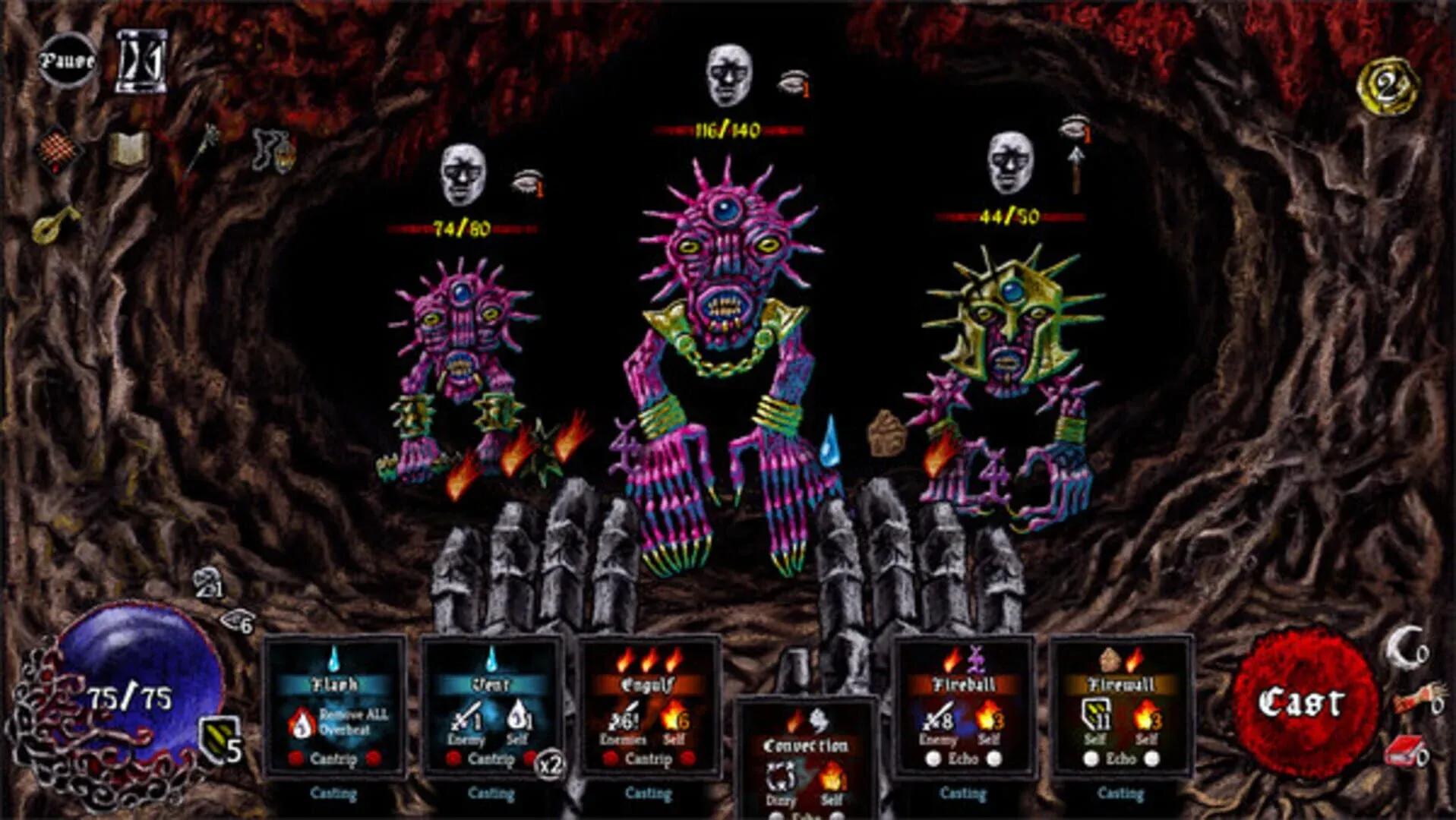
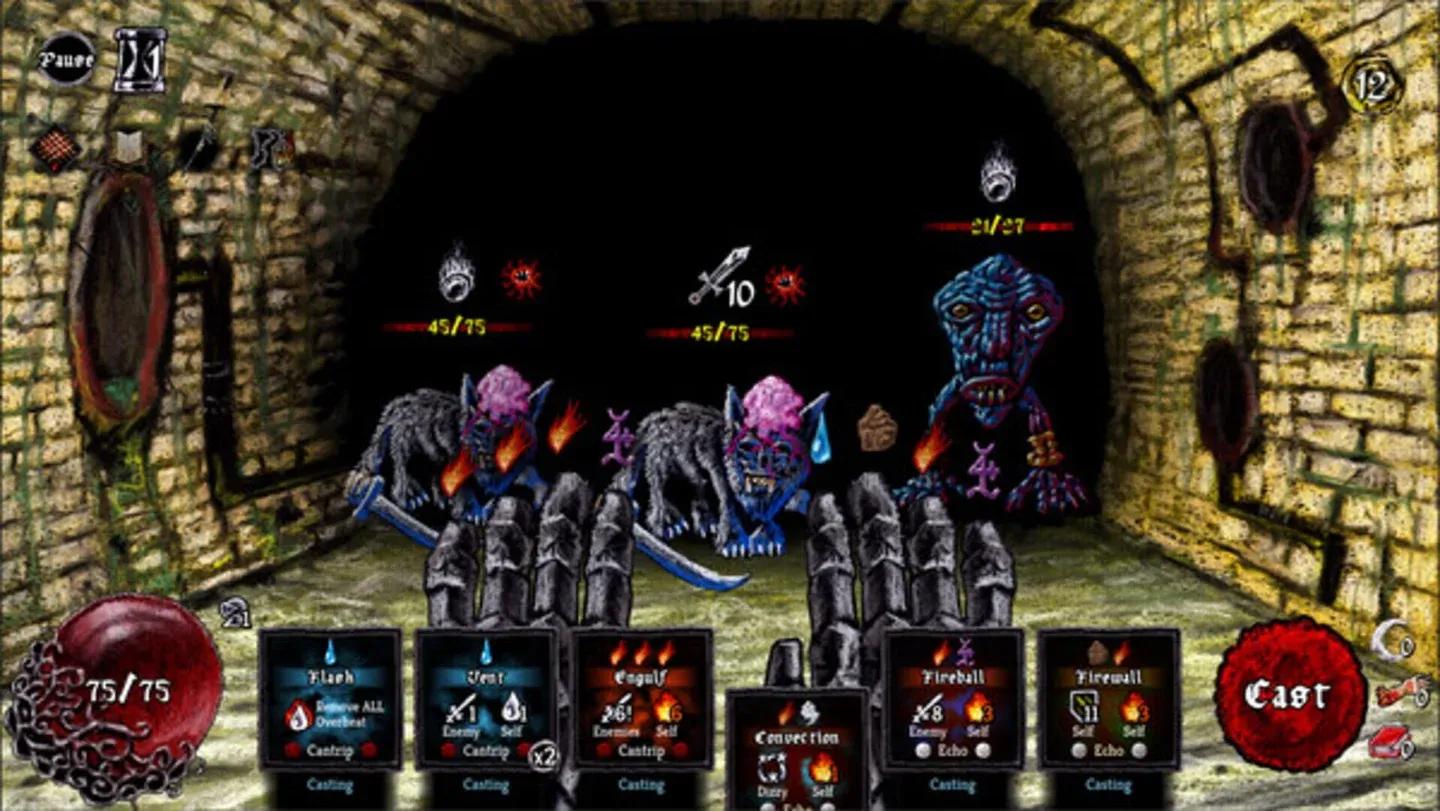
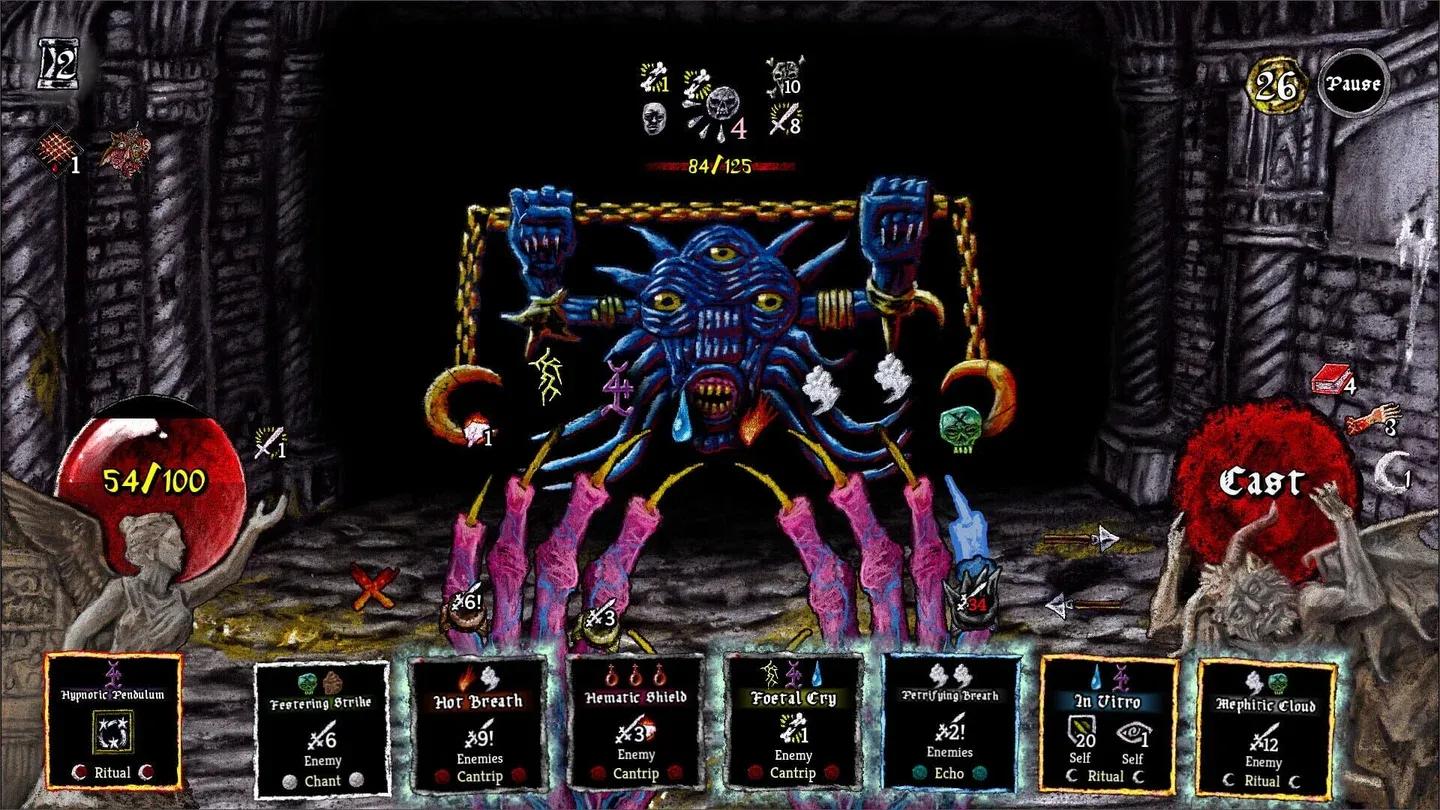
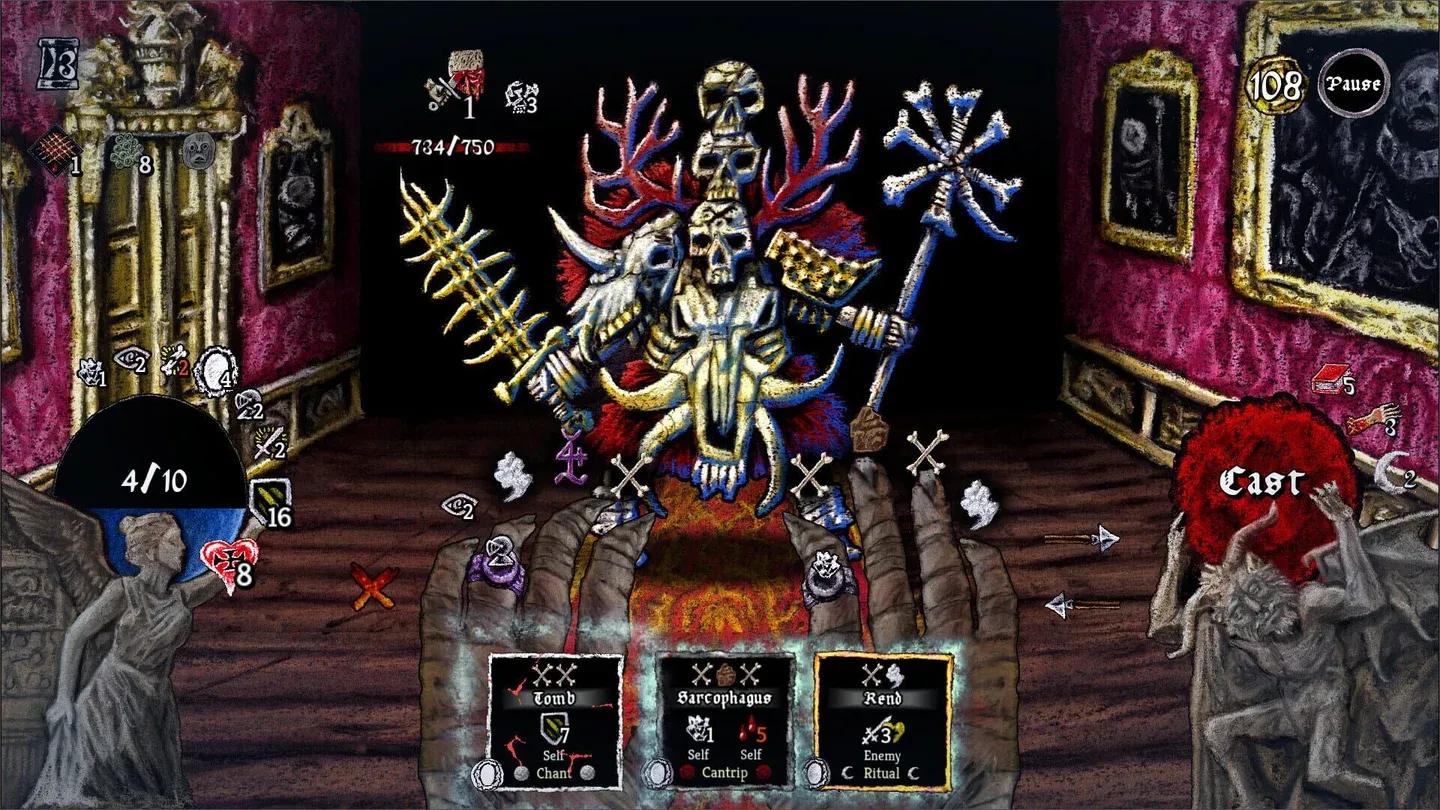
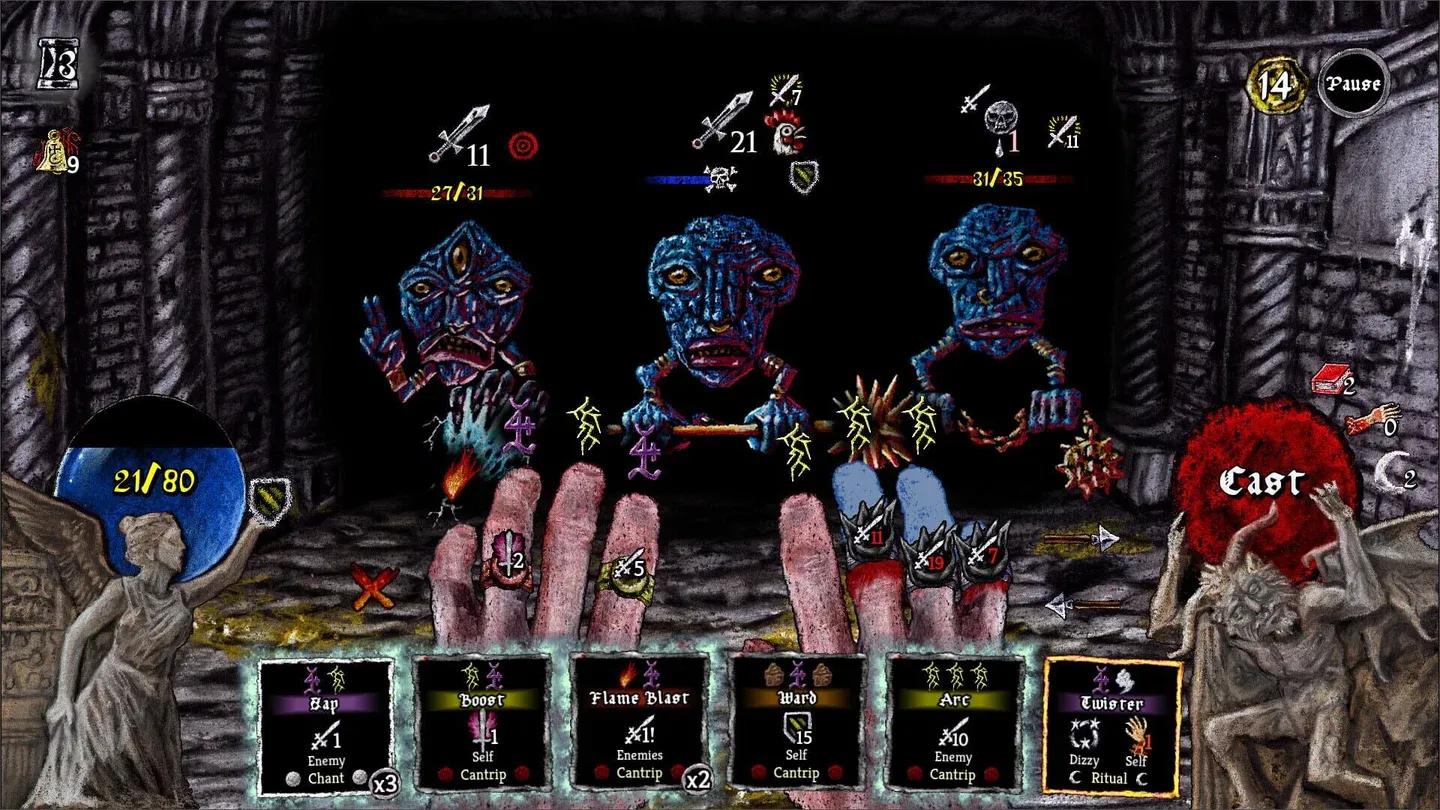
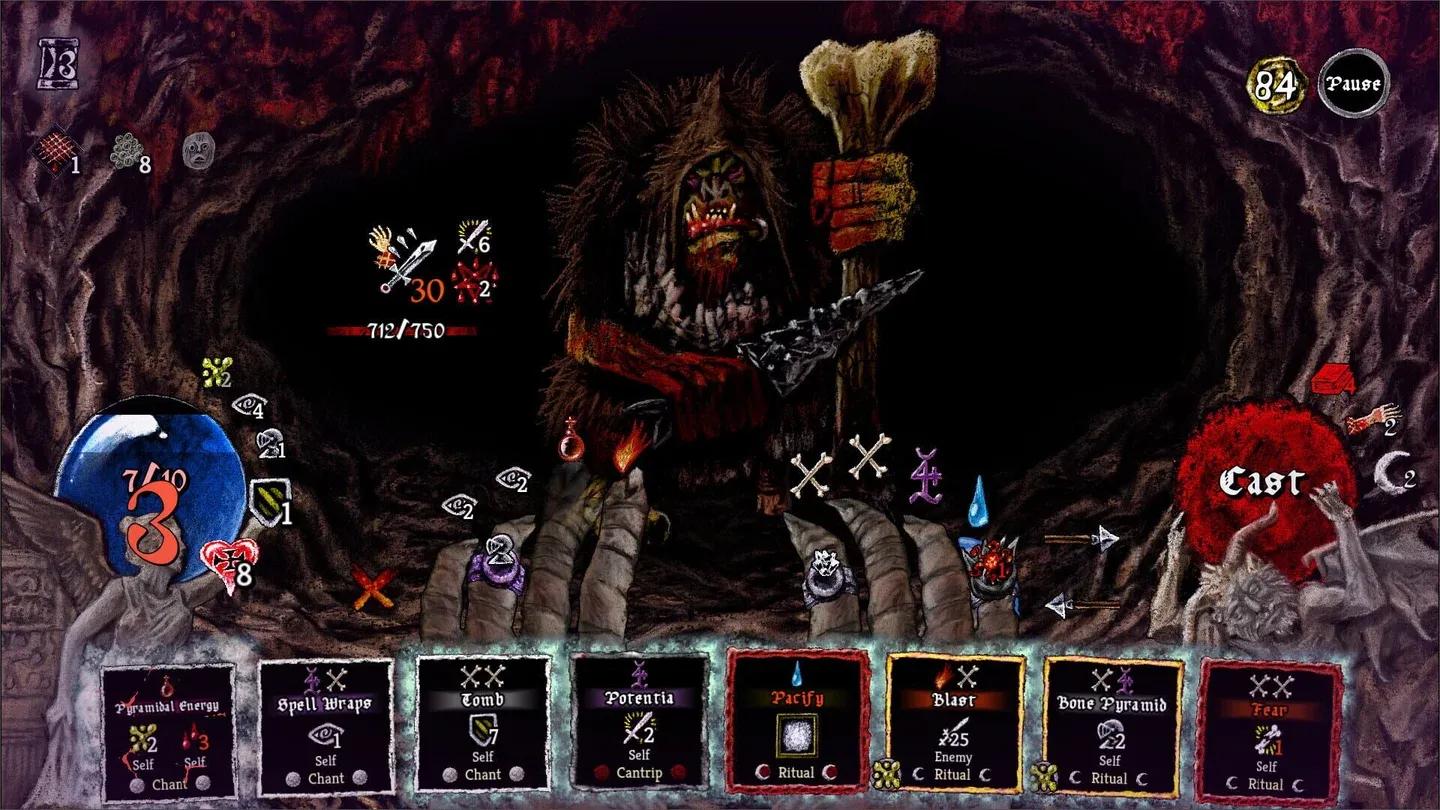
The game leans hard into the physical expressiveness of magic. Instead of clicking cards and watching passive animations, Pluto has you casting spells through sigils and gestures, making each turn feel like a frantic improvised performance rather than a calculated chess match. Bones crack. Blood gets spilled. The tone sits somewhere between chaotic slapstick and genuine tension, which is a harder balance to pull off than it sounds.
Gesture-based spell combat: how does it actually work?
The core question most players will have is how the gesture mechanic differs from standard deckbuilder input. In Pluto, spell casting is tied to physical finger movements and sigil inputs rather than simple card selection and confirmation. Each turn becomes a frenzy of execution, where the gestures themselves are the skill expression.
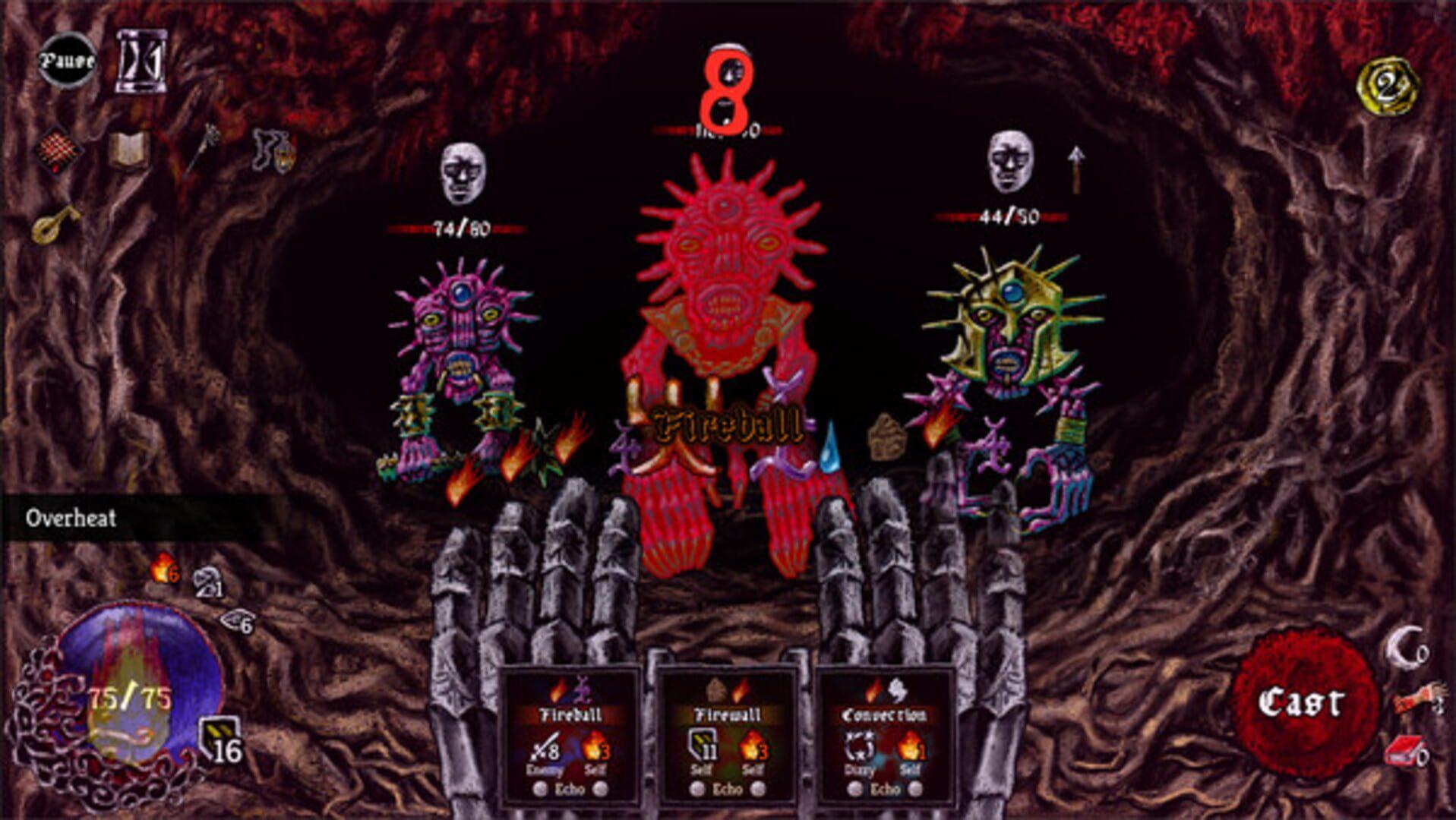
Key mechanics include:
- Gesture-driven spell casting
- Elemental power combinations
- Turn-by-turn resource management
- Roguelike run structure with permadeath stakes
- Enemy variety described as monstrosities across a hostile world
That physical layer separates Pluto from most card games, where the skill ceiling is primarily about deck construction and sequencing. Here, execution under pressure adds a second dimension.
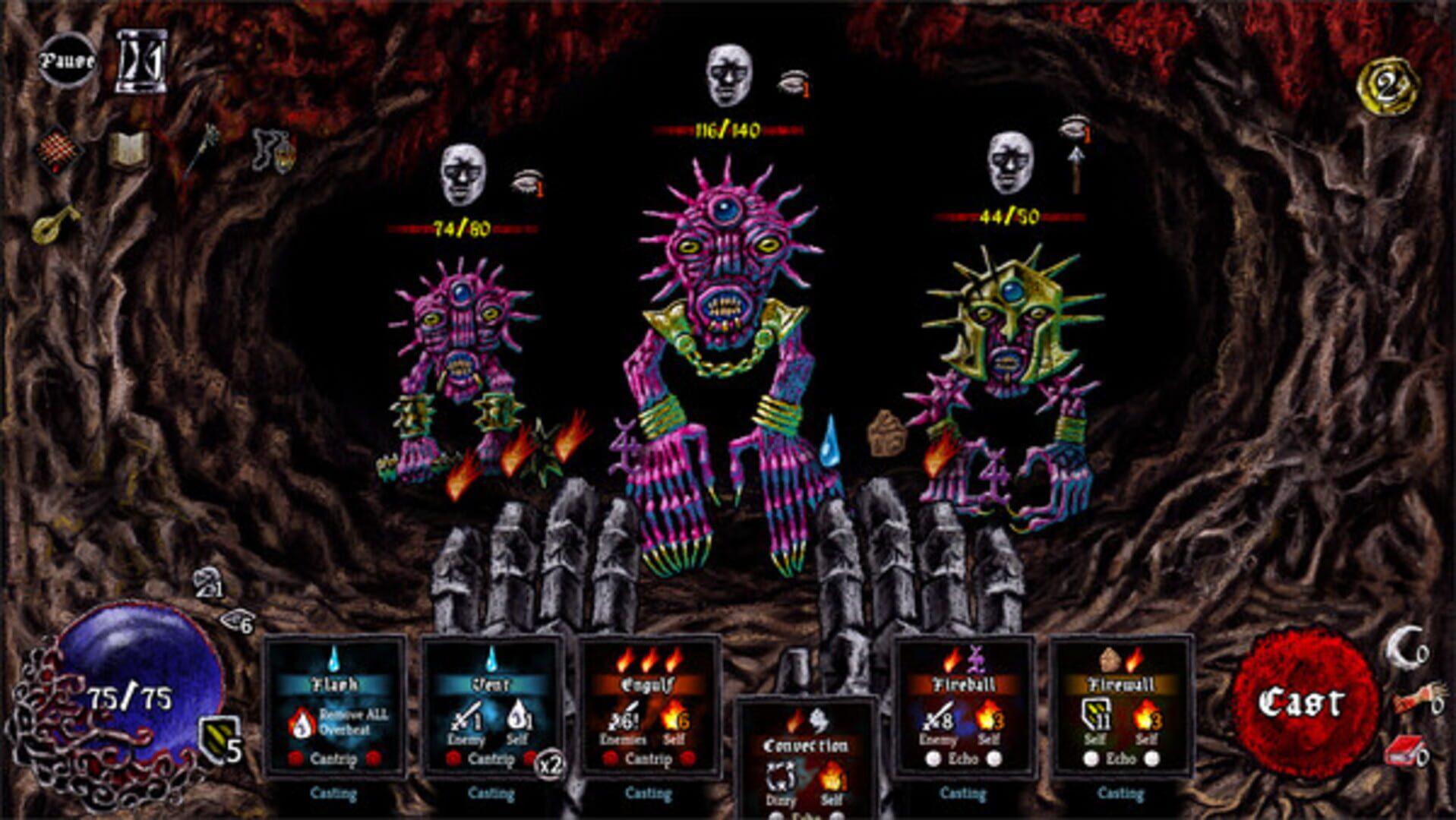
World and setting: a hostile world with low heroic stakes
The world of Pluto is hostile, crawling with creatures that want to end your uncle-shaped quest before it starts. But the setting works because of what the protagonist is not. He is not a prophesied hero. He is not particularly noble or powerful by wizard standards. He is a convicted criminal who just wants to attend a birthday party, and that specificity gives the world's dangers a different flavor. The stakes feel personal rather than epic.
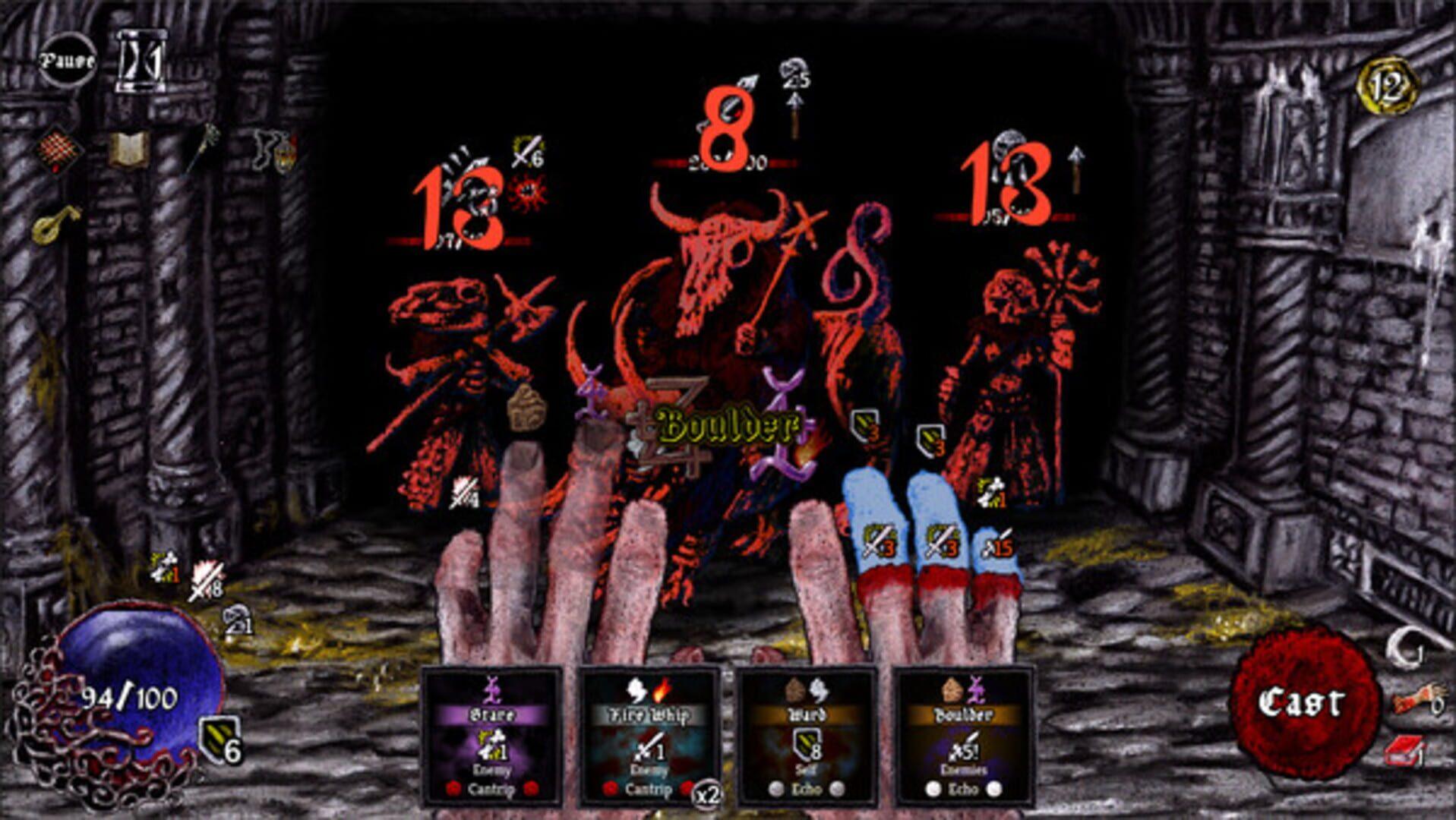
The atmosphere Siege Wizard Interactive builds around this premise is tonally consistent. The humor is dry, the danger is real within the run structure, and the world feels like it has its own absurd internal logic that the game respects.
Content and replayability
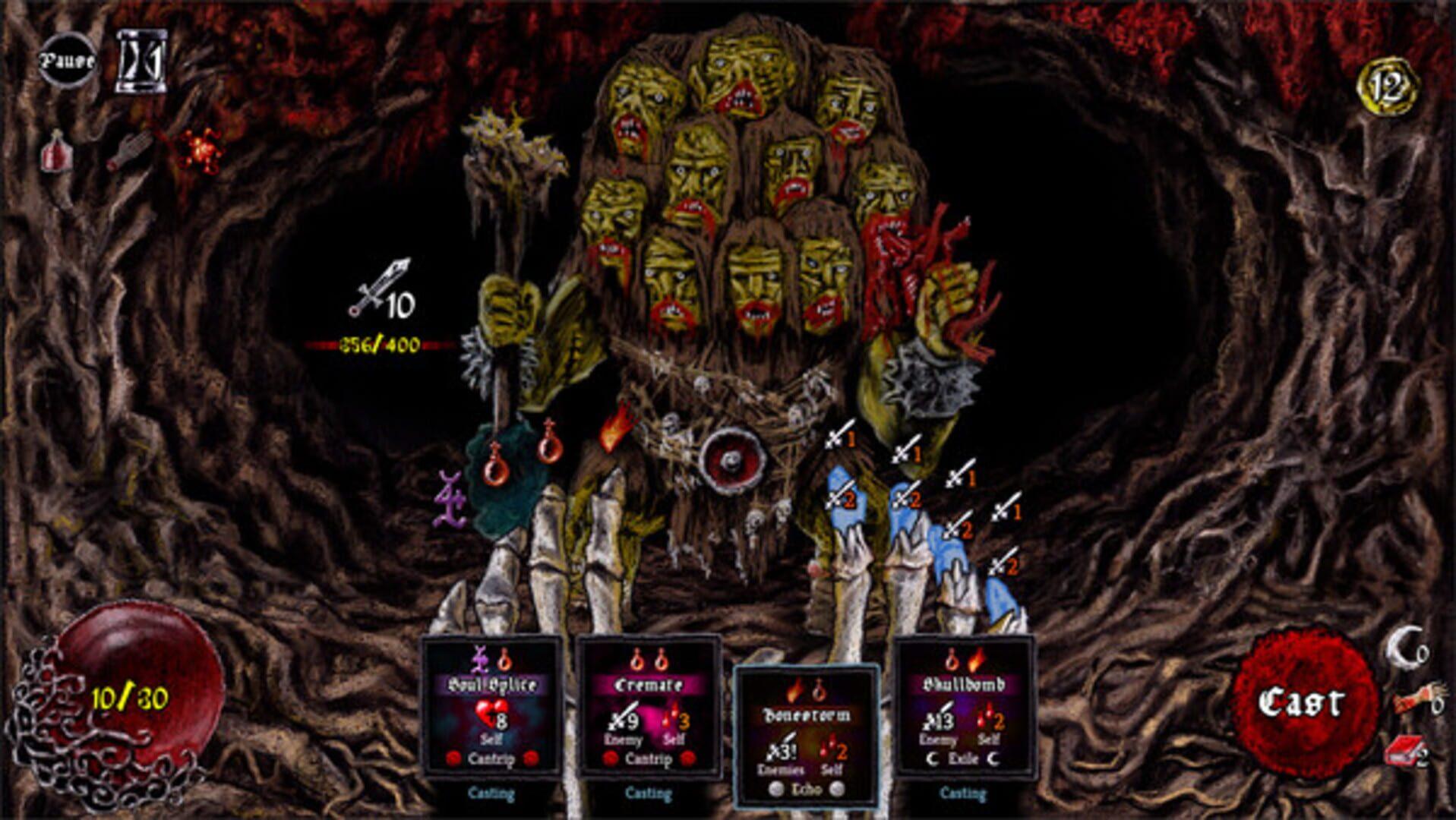
Roguelike deckbuilders live or die on run variety, and Pluto's structure supports repeated playthroughs through the randomized nature of encounters and deck construction across each attempt. The gesture mechanic adds a layer of replayability that goes beyond card synergies, since player execution varies from run to run in a way that pure card selection does not.
The game is available on both Windows and macOS, keeping the barrier to entry low for players across both platforms.
Conclusion
Pluto is a roguelike deckbuilder that earns its place in the genre by building something specific around an unusual core mechanic and a premise that knows exactly how silly it is. The gesture-based spell casting gives the card game loop a physical texture most deckbuilders skip entirely, and the "just trying to be a good uncle" framing keeps the tone grounded even when the combat gets chaotic. For players tired of saving the world, saving a birthday party turns out to be a surprisingly effective alternative.