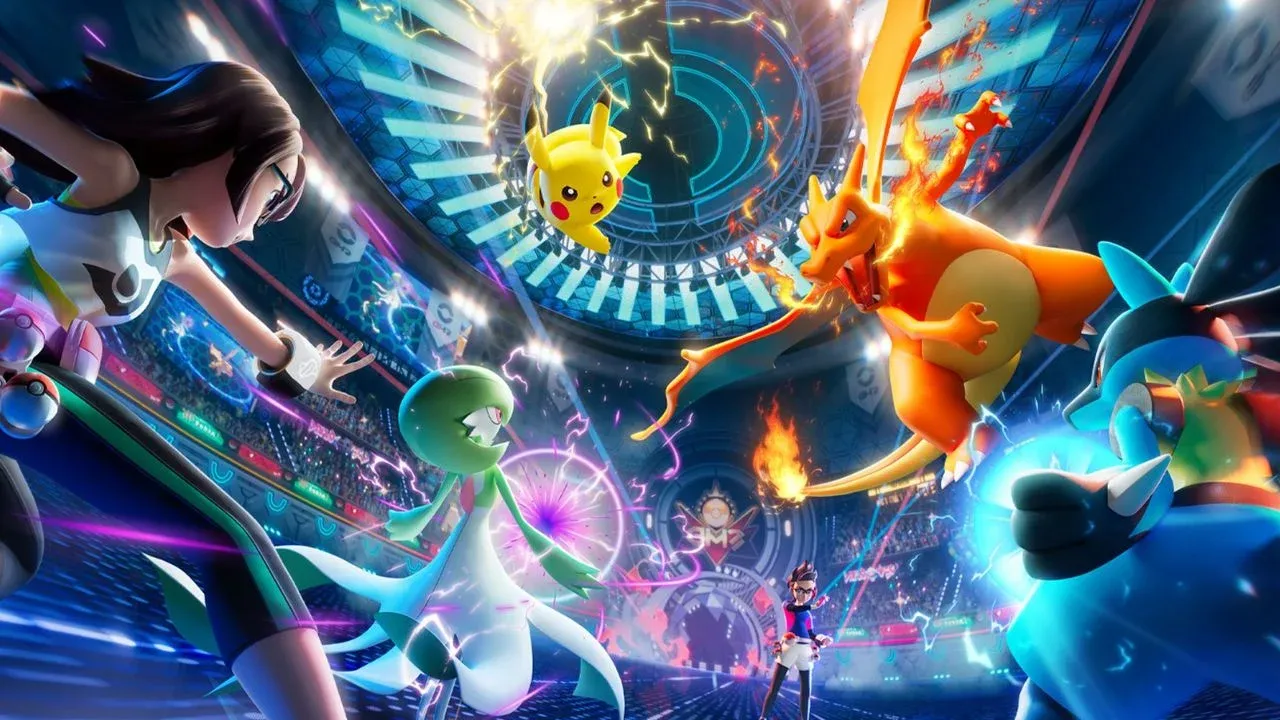


Pokémon Champions launches on Switch, Android, and iOS on April 8, 2026, and it plays nothing like the mainline games you grew up with. There's no catching wild Pokémon, no linear gym circuit, and no story to follow at your own pace. This is a pure competitive battling platform, built from the ground up around ranked play. That means the learning curve hits differently, and knowing what to prioritize before your first match matters a lot.
How do you get Pokémon in Champions?
Forget catching. Pokémon Champions uses a scouting system accessed through the Roster Ranch, and you have three ways to recruit.
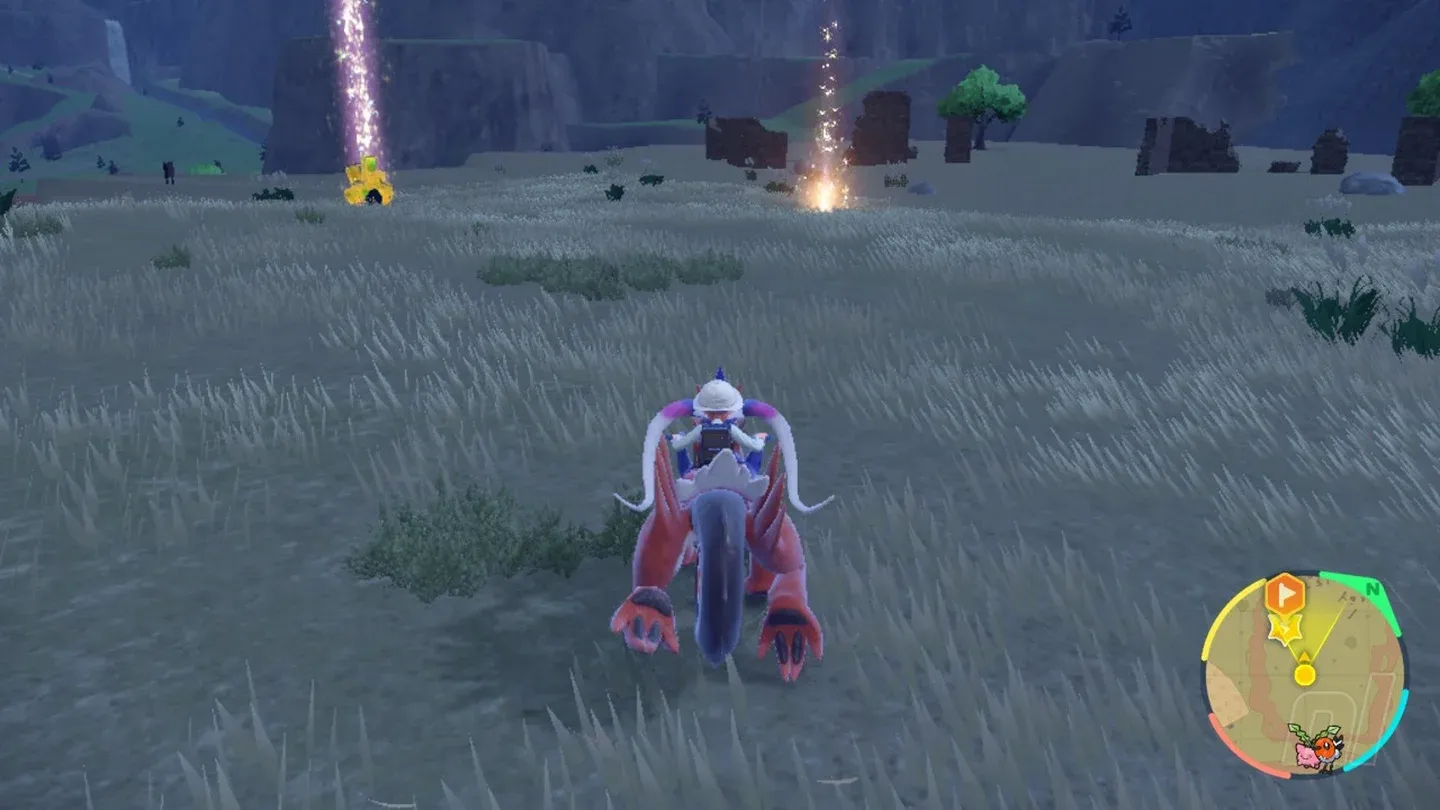
Roster Ranch scouting options
Trial Scout is the one to start with. This refreshes every 22 hours at zero cost, letting you test a Pokémon's combat style without spending anything. If you like what you see, you can convert that trial into a permanent recruit later. For new players, this is the single best way to understand different Pokémon roles before committing resources.
Regular Scout uses VP (Victory Points), the primary in-game currency, to permanently add a Pokémon to your roster. Once recruited this way, that Pokémon stays yours and can be trained indefinitely. This is where your competitive team actually gets built.
Ticket Scouting offers a third path. Fast Coupons reduce recruitment wait times by one hour each, while Regular Tickets let you recruit without spending VP at all. Both ticket types come mainly from mission rewards, so completing daily and weekly missions consistently keeps this resource flowing.
There's also Pokémon HOME integration. You can transfer Pokémon from Pokémon LEGENDS Z-A and Pokémon GO directly into Champions. One important caveat: Pokémon recruited inside Champions cannot be sent back to HOME, so that transfer is one-way.
How does VP training work?
This is where Pokémon Champions separates itself most sharply from the mainline series. Everything about a Pokémon's build, including moves, stats, and abilities, can be changed by spending VP. The cost scales with how much you're changing, so minor adjustments are cheap while full rebuilds cost significantly more.
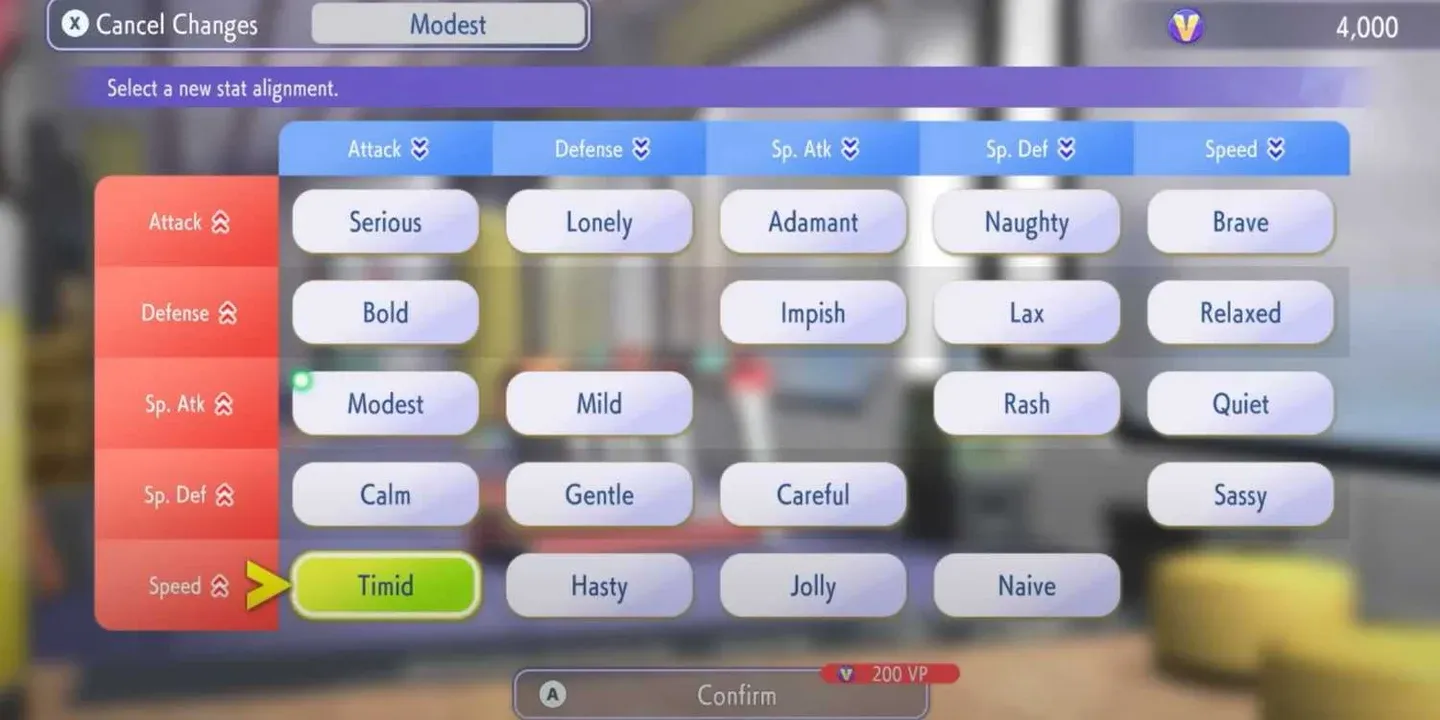
VP stat training breakdown
Each Pokémon has six core stats: HP, Attack, Defense, Special Attack, Special Defense, and Speed. You distribute training into these stats based on your strategy. Defensive builds prioritize Defense and Special Defense. Offensive builds go heavy into Attack and Speed. Training Tickets can accelerate this process, providing immediate stat boosts without waiting through normal training timers.
Move configuration is equally flexible. You can swap moves freely to counter specific opponents, switching to Special-based attacks against physical walls or slotting in priority moves against faster threats. One wrinkle here: Pokémon imported from HOME may know moves that don't exist in Champions, so you'll need to retrain those movesets with compatible options after importing.
Ability selection rounds out the build. Each Pokémon's passive ability can define entire matchups, whether that's boosting a specific damage type, setting weather, or triggering conditional effects. Choosing the right ability for your team's strategy is as important as the move selection itself.
VP training priority by team archetype
What battle formats are available?
Once your team is built, you have four ways to compete, each serving a different purpose.
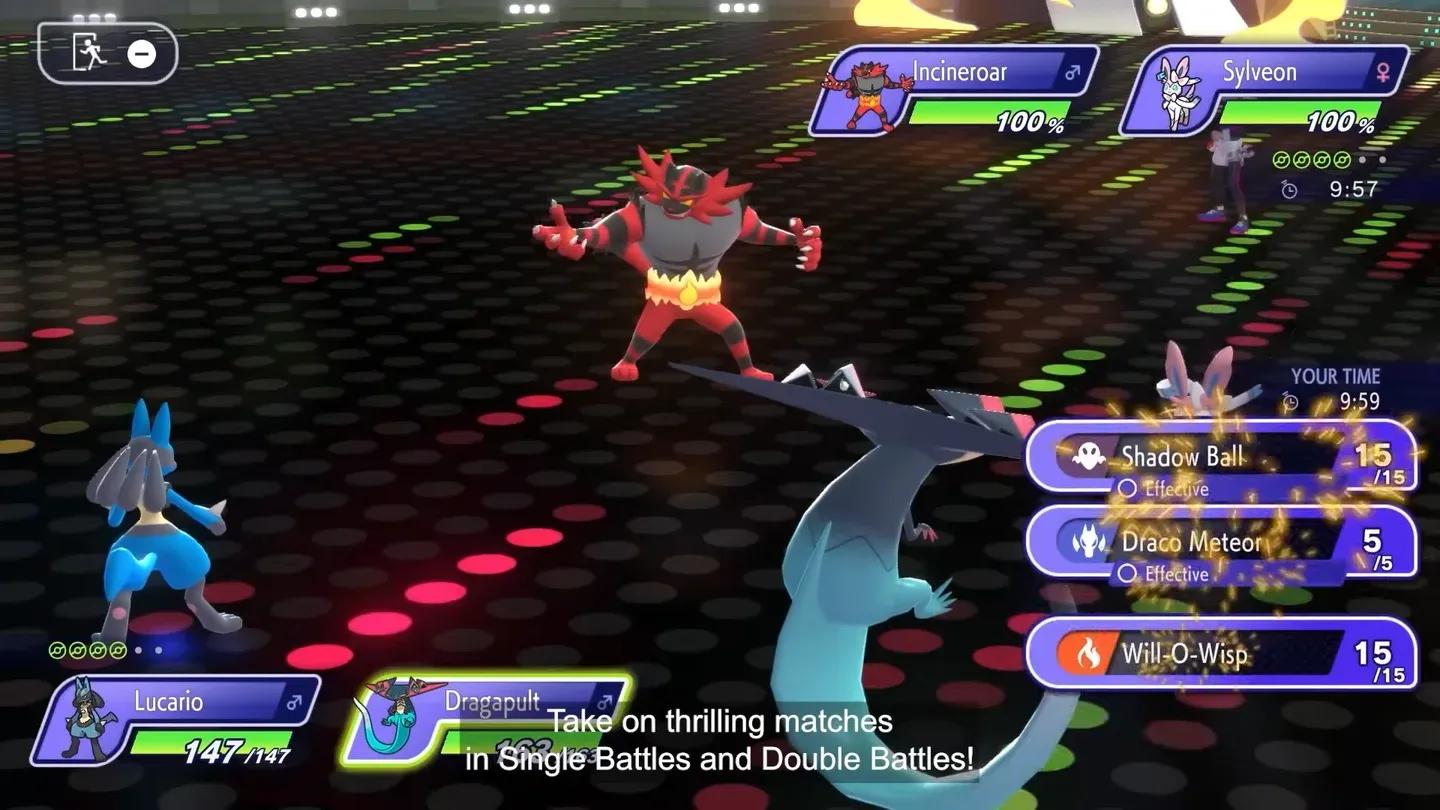
Ranked match lobby screen
Rank Battle is the competitive core. This is a 1v1 ranked ladder where wins raise your ranking points and losses drop them. The format rotates seasonally with changing rules and restrictions, which prevents any single team composition from dominating permanently. This is where you prove yourself long-term.
Casual Battle removes all ranking consequences. Test new compositions, try out different Pokémon, and experiment without any risk to your ladder position. This is the ideal preparation ground before taking strategies into ranked.
Private Battle lets you challenge friends directly with fully customizable rules, including level restrictions and team-building limitations. This mode also supports multi-player tournament organization, making it useful for community events.
Online Competitions function as in-game tournaments for higher-level competitive play.
One mechanic worth understanding before your first match: at the start of every battle, both players can see each other's full teams. This preview phase is where the real strategy begins. You're reading type matchups, guessing abilities, and adjusting your lead selection before a single move gets made. In Single Battles, you bring 3 Pokémon from your team of 6. In Double Battles, you bring 4.
Building your first team: what actually works
Your team slots hold 6 Pokémon, structured similarly to the PC box system from mainline games. The practical target for new players is simple: build a team that doesn't lose to itself. That means covering type weaknesses across your six slots so no single opposing type can threaten your entire roster.
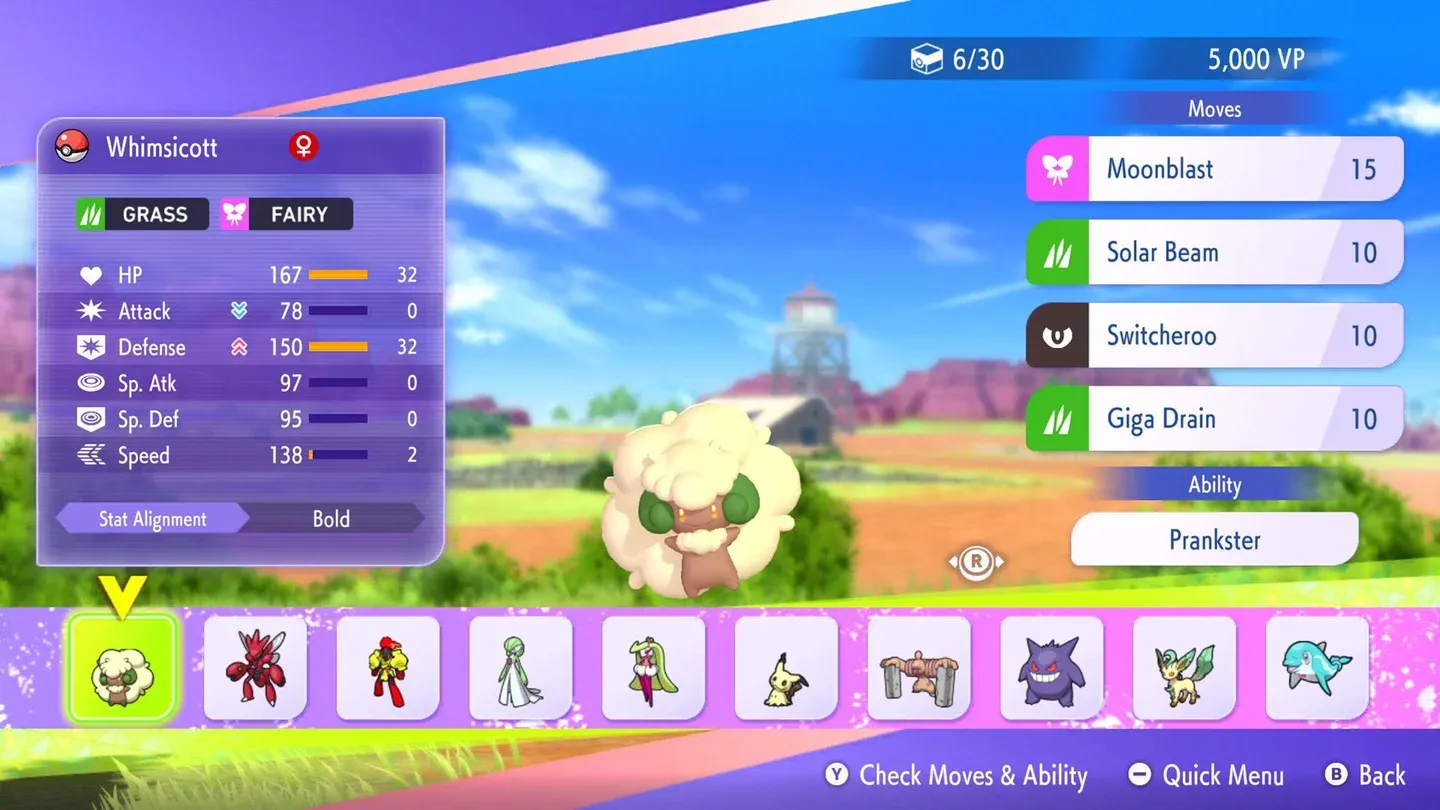
Team assembly PC menu
Avoid building around a single Pokémon. Hyper-offense centered on one sweeper falls apart the moment that Pokémon gets countered, which experienced opponents will do deliberately in the team preview phase. Spread your win conditions.
Battle regulations update regularly, introducing new restrictions each season. Certain species or held items may become restricted, and building a team with some flexibility in its roster means you won't need a full rebuild every regulation cycle.
Key tips before your first ranked match
- Use Trial Scout every 22 hours to build familiarity with Pokémon you don't own yet
- Train stats to match your team's strategy before entering ranked, not after
- Study the team preview phase in Casual Battle before going ranked
- Keep Regular Tickets and Fast Coupons from mission rewards rather than spending them immediately
- Imported Pokémon from HOME need moveset checks before competitive use
- Seasonal regulation changes affect which Pokémon and items are legal, so check the current format before building
For more on what the Mega-Evolved Abilities system adds to team building and what the pre-order bonuses include, the Pokémon Champions prep guide at The Experiment covers the launch details thoroughly.
The Switch version drops April 8, 2026. If you want more guides covering the competitive meta as it develops, browse the latest gaming guides at GAMES.GG for ongoing coverage.