

Pokémon Champions keeps its Pokédex deliberately limited, but there are still enough options in the Singles pool to make team-building genuinely complex. Singles battles run on a 1v1 format where each player brings three Pokémon, and the strategies that work in Doubles VGC play often fall apart here entirely. Knowing which Pokémon thrive in this specific format saves a lot of ranked frustration.
Pokémon Champions Singles tier list
Based on current meta analysis, Hippowdon and Garchomp sit alone at the top of the Singles format. Below them, a strong A+ tier rounds out the most reliable team-building options, while lower tiers still offer situationally useful picks.
info
This tier list applies specifically to Singles battles. Doubles (VGC) formats have different priorities, and many of these rankings shift significantly in that context.
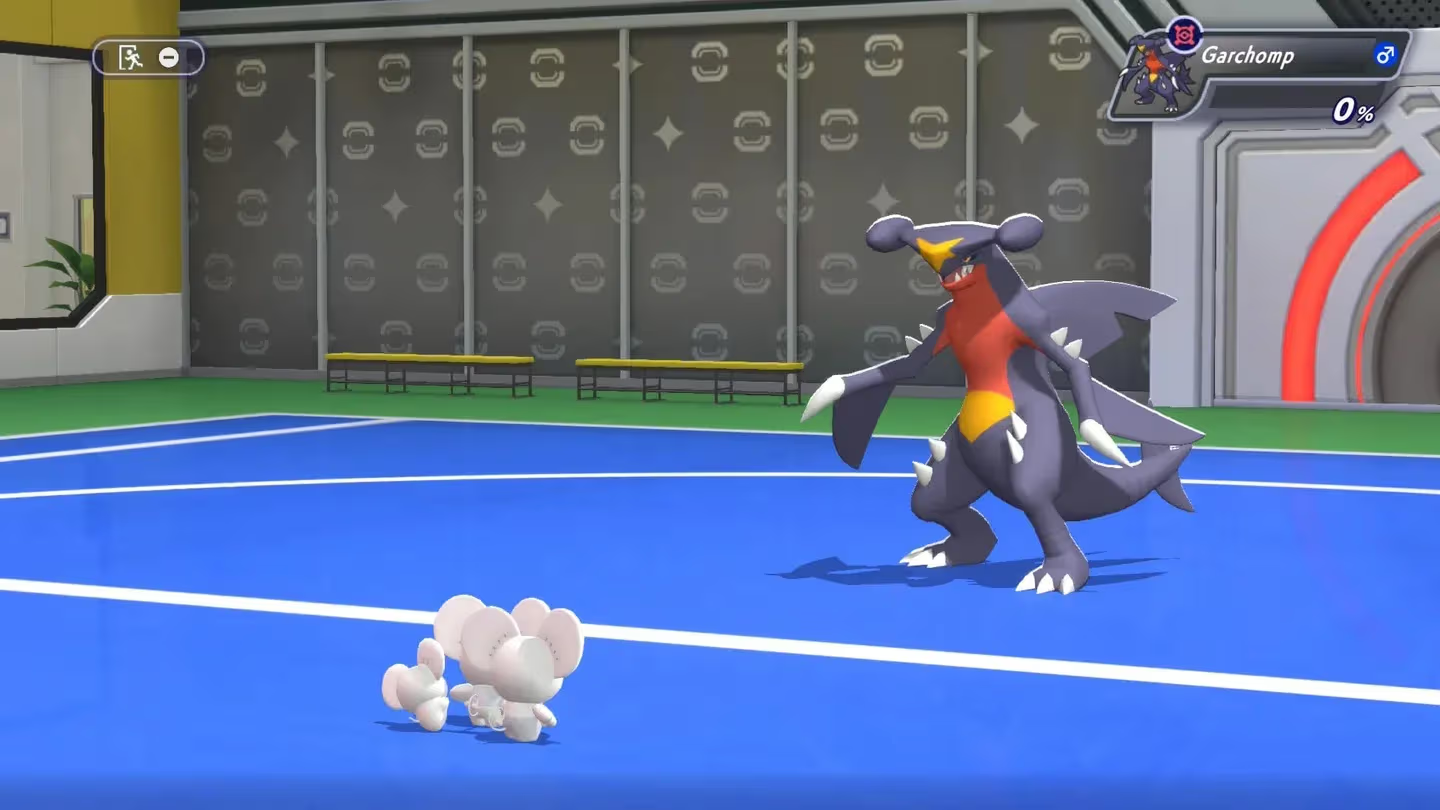
S-tier mon in action
What makes Hippowdon the best Singles mon?
Hippowdon earns its S-tier placement through a combination of bulk, passive damage, and a type chart that minimizes exploitable weaknesses. Its Sand Stream ability activates a permanent sandstorm upon entry, which chips away at opposing Pokémon every turn without requiring any move investment. That passive damage adds up fast in a format where health totals matter across three separate 1v1 matchups.
The support movepool makes Hippowdon even harder to deal with. Stealth Rock sets up entry hazard damage that punishes every switch, Yawn threatens sleep to force opponent errors, and Slack Off keeps Hippowdon healthy enough to stall through multiple turns. Pure Ground typing also helps here, cutting down on the number of type matchups that can threaten it.
info
Pair Hippowdon's Stealth Rock with a fast sweeper later in your party. The entry hazard damage stacks with Sand Stream chip, making even tanky opponents much easier to close out.
Why is Garchomp worth building around?
Garchomp takes the other lane entirely. Where Hippowdon wins through attrition, Garchomp wins through aggression. Its physical attack output is among the highest available in Pokémon Champions Singles, backed by a Speed stat that lets it move before most threats. The Rough Skin ability punishes physical attackers who make contact, adding a passive damage element that complements its offensive pressure.
What separates Garchomp from other physical attackers is flexibility. Its wide move variety and well-rounded base stats mean opponents can't reliably predict the set it's running, and access to a Mega Evolution adds another layer of threat. That unpredictability is genuinely difficult to prepare for in team preview.
What's in the A+ tier and why does it matter?
The gap between S and A+ is real but not enormous. Meowscarada, Archaludon, Hydreigon, and Greninja all bring enough offensive or utility value to anchor a Singles team. None of them match Hippowdon's stall ceiling or Garchomp's raw physical threat, but each covers different matchup holes.
For players who want to build around something other than the top two, the A+ tier is where to start. These Pokémon are reliable enough to carry games while being slightly less common in the meta, which can give you a small preparation advantage.
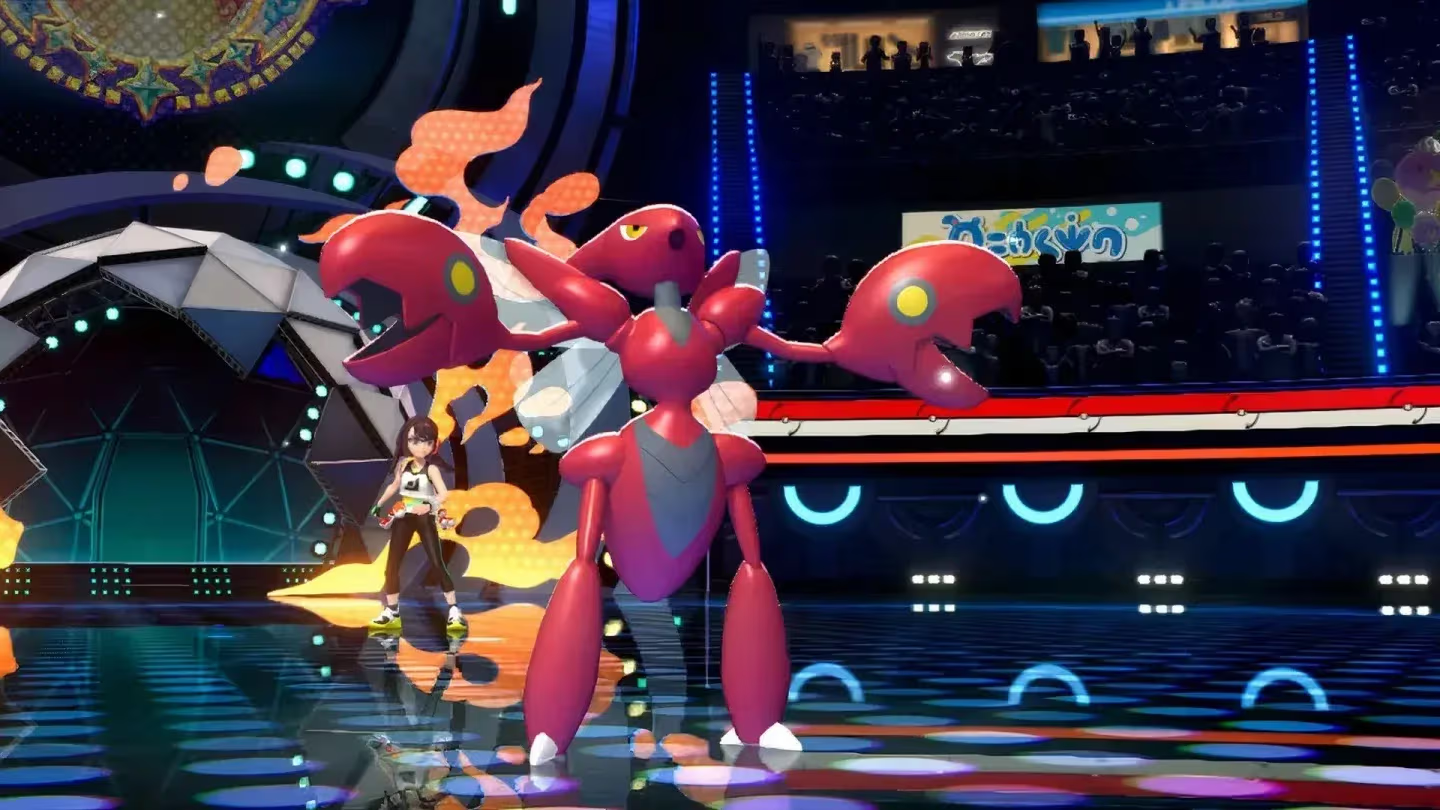
Build your three-mon roster carefully
What makes a Singles Pokémon worth using?
The Singles format rewards Pokémon that can do at least one of three things well: stall opponents out, sweep through multiple matchups with raw power, or set up conditions that make the rest of your team easier to play. Ideally, your best Pokémon does two of those things at once.
Entry hazards like Stealth Rock are especially valuable because their damage applies across all three of your opponent's Pokémon, not just the one currently on the field. Status effects and abilities that deal passive damage every turn compound that pressure. The flip side is that a sweeper who gets knocked out early can leave the rest of your team exposed, so having secondary options ready is part of building a complete Singles squad.
Moveset choices, held items, and overall build construction matter as much as the Pokémon itself. A well-built B-tier pick can outperform a poorly built S-tier one, so understanding why each Pokémon works in this format is more useful than just copying a name from the top of a list. For more team-building strategies across different formats, browse more guides on GAMES.GG.