
What the ranked system actually looks like
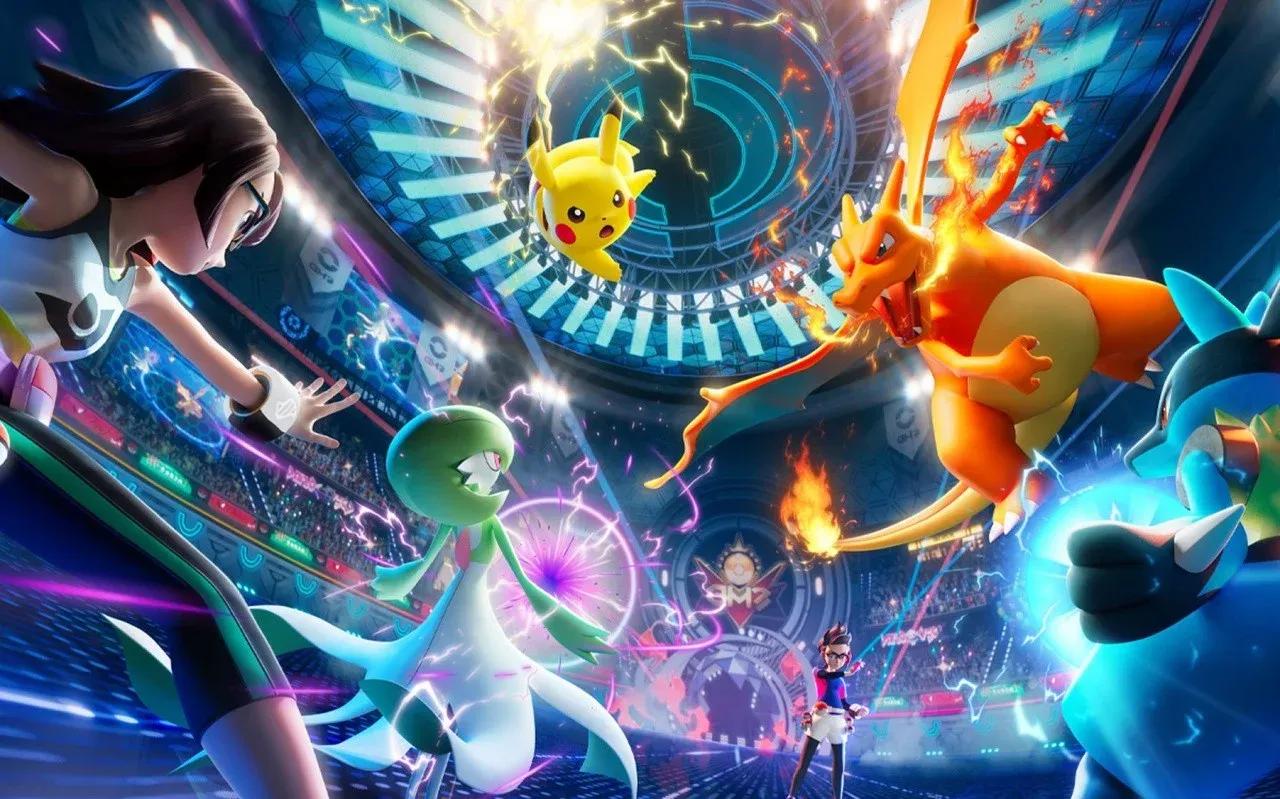
Pokémon Champions launched on April 8, 2026, and its ranked mode is more structured than most players expect from a Pokémon game. There are six tiers total, each named after a Poké Ball type, and each tier (except Beginner and Champion) splits into four ranks numbered 4 down to 1. You start at Poké Ball Tier, Rank 4, and work your way up through Great Ball, Ultra Ball, and Master Ball before hitting Champion Tier at the top.
A week after each season begins, Master Ball Tier ranks 3 through 1 and Champion Tier open up for play. So you cannot rush straight to the top on day one even with a perfect record.
How does rank progression work?
Every win fills your rank gauge by 1/4. Every loss drains it by the same amount. That math means you need a minimum of 4 net wins to clear a single rank, and with 4 ranks per tier across 5 tiers before Champion, the absolute floor for reaching Champion Tier is around 48 wins with zero losses.
Here's the thing most players miss: the Win Streak Bonus. String together more than 2 consecutive wins and each victory fills your gauge by 2/4 instead of 1/4, effectively halving the grind. With a sustained streak, you can clear a full tier in 8 matches. That bonus is the single biggest mechanical lever in the entire ranked system.
Singles and Doubles are ranked completely separately. Your Poké Ball Tier rank in singles has no connection to your Doubles standing, and each format pays out its own season rewards. This means participating in both formats is the most efficient way to maximize your VP (Victory Points) income across a season.
All Pokémon Champions tiers and season rewards
Season M-1 runs from April 8 to May 13, 2026. Here is the full reward breakdown for that season, identical across Singles and Doubles:
Reaching Champion Tier pays 20,000 VP at season end. Hitting Master Ball Rank 1 pays 15,000 VP. The jump between those two is significant, but so is the difficulty spike. For players who stall out in Master Ball, the 15,000 VP floor is still a meaningful reward worth grinding toward.
Also worth noting: first-time promotions to Great Ball, Ultra Ball, and Master Ball each grant a unique Trainer Title and additional Box storage (5 extra slots for Great and Ultra Ball, 10 for Master Ball).
What is VP and how do you earn it fast?
VP (Victory Points) is the primary currency in Pokémon Champions. You spend it on recruiting Pokémon (2,500 VP each), training adjustments, battle items, and cosmetics. There is currently no way to purchase VP directly with real money, so every point has to be earned in-game.
Here is what the earning landscape looks like:
- Ranked win: approximately 300 VP
- Ranked loss: approximately 120 VP
- Daily missions: 500 VP
- Weekly missions: up to 9,000 VP
- Battle Pass (level 30+): 500 VP per level, up to 20,000 VP total by level 50
- Achievements: 500 VP each
New players also start with a 20,000 VP headstart: 10,000 VP on account creation plus another 10,000 VP for completing the beginner battle tutorial. Starter missions add another 10,000 VP on top of that.
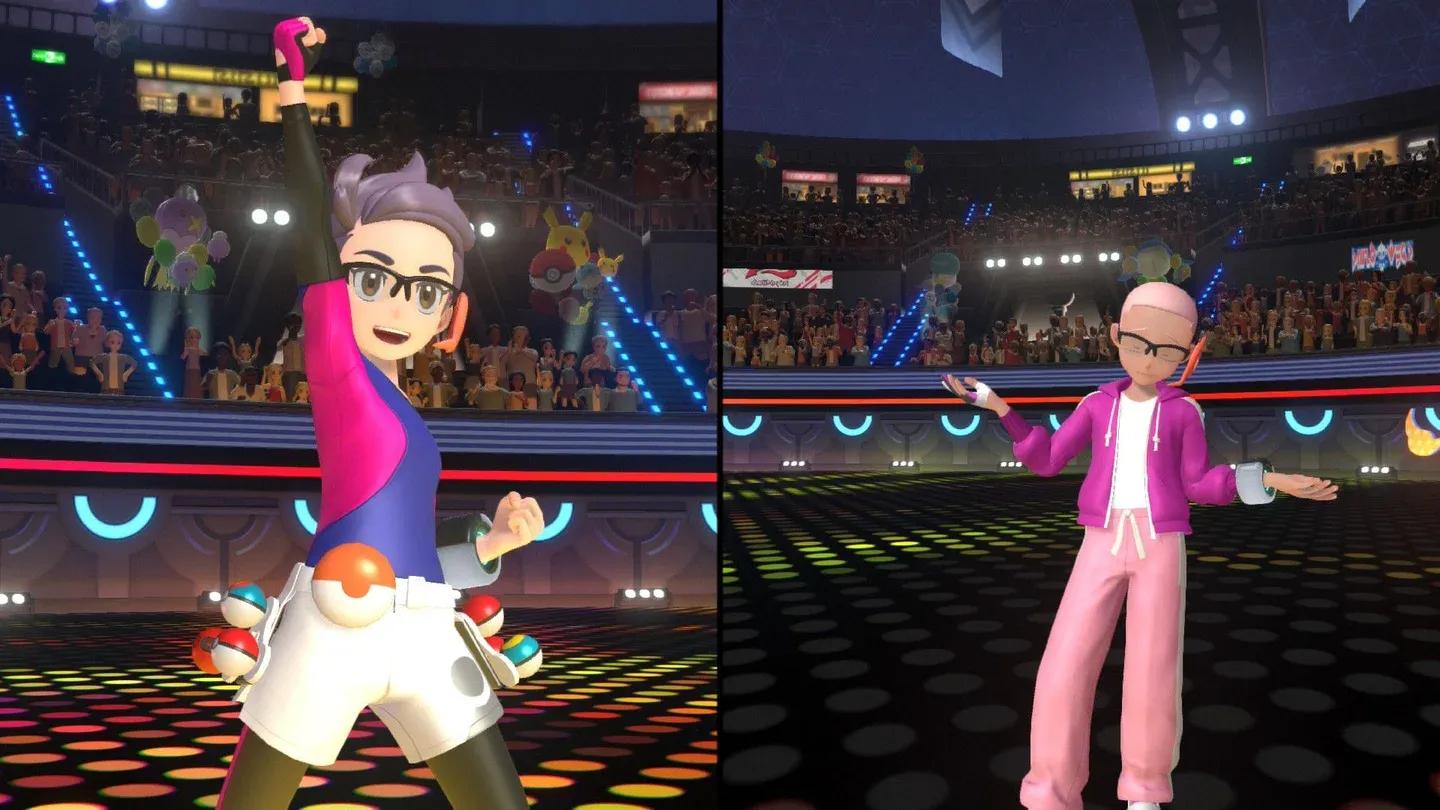
VP ranked tiers rewards screen
Ranked battles are the most reliable long-term source. Even a losing session generates VP, which matters when you are grinding through a tough matchup bracket. The key insight is that weekly missions alone can generate 9,000 VP per week, so treating those as mandatory rather than optional makes a real difference.
How to spend VP without falling behind
Training costs add up fast. Fully optimizing a single Pokémon costs around 2,300 VP or one training ticket. Individual adjustments break down like this:
- Change a move: 250 VP
- Change an ability: 500 VP
- Change a nature: 500 VP
- Adjust EVs: 5 VP per stat point (160 VP to max a single stat)
Training tickets are worth saving for full overhauls. If you only need to swap one move, spending 250 VP directly is more efficient than burning a ticket.
For recruitment, 7-day trial Pokémon cost nothing and let you test a new team member before committing 2,500 VP to a permanent slot. Transferring Pokémon from Pokémon HOME also bypasses the recruitment cost entirely, making it one of the best early VP-saving strategies available.

Training costs ranked tiers rewards
Tips for climbing faster in singles vs. doubles
Starting in singles to master matchups in a more contained environment before branching into doubles is a smart approach. Singles removes the added complexity of team positioning and partner synergy, which makes it easier to identify and fix specific weaknesses in your team.
Checking the game's most-used Pokémon leaderboard is also a practical tool when you hit a losing streak. Knowing what the field looks like at your rank helps you adjust your team rather than grinding the same losing matchups repeatedly.
Since both formats pay out season rewards independently, the optimal long-term strategy is to run both. Push singles as your primary format and use doubles as a secondary VP and reward source, even if your doubles rank ends up lower. Any rank above Poké Ball Tier 4 is free VP at season end.
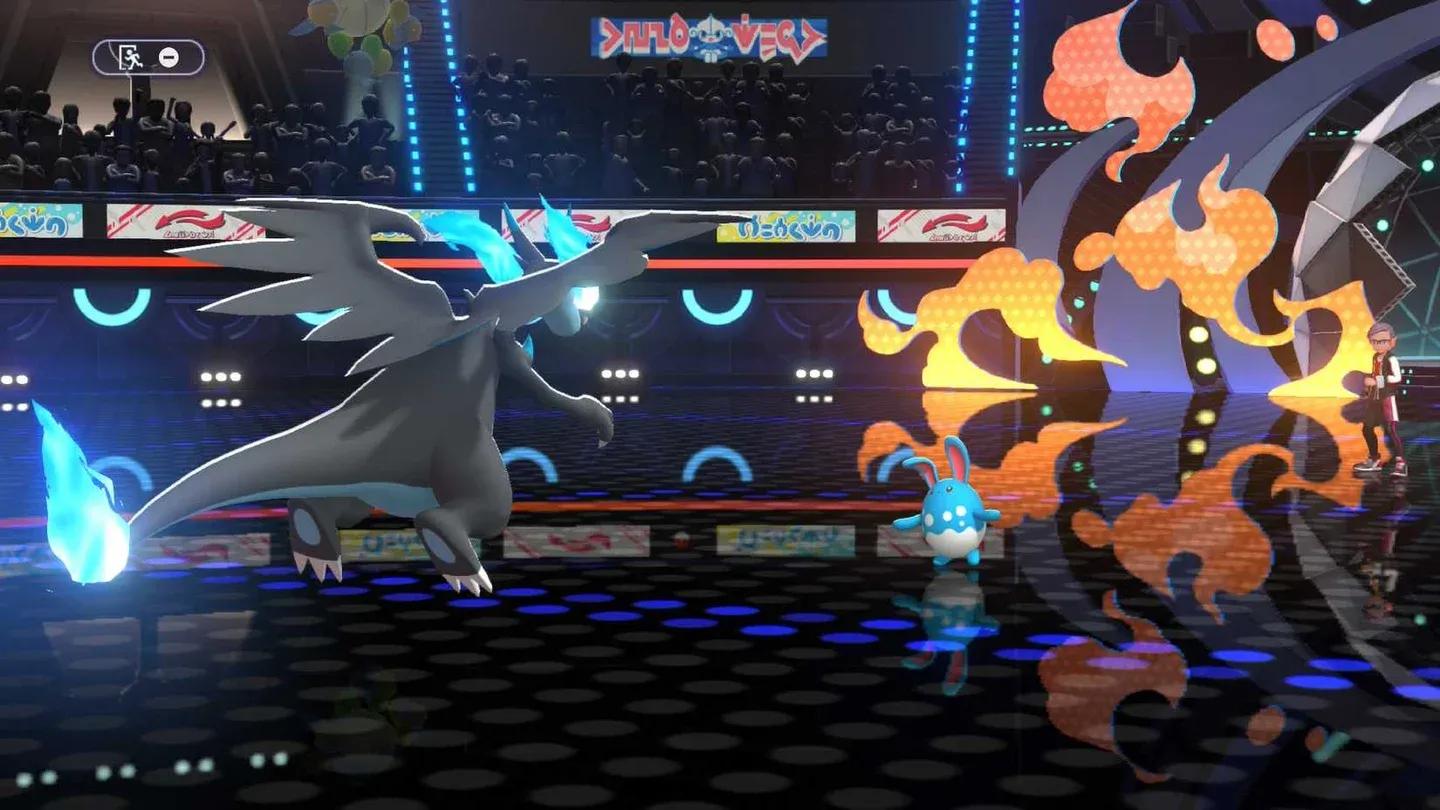
Singles vs doubles ranked tiers rewards
For more competitive guides and the latest on Pokémon Champions, browse more guides on GAMES.GG.