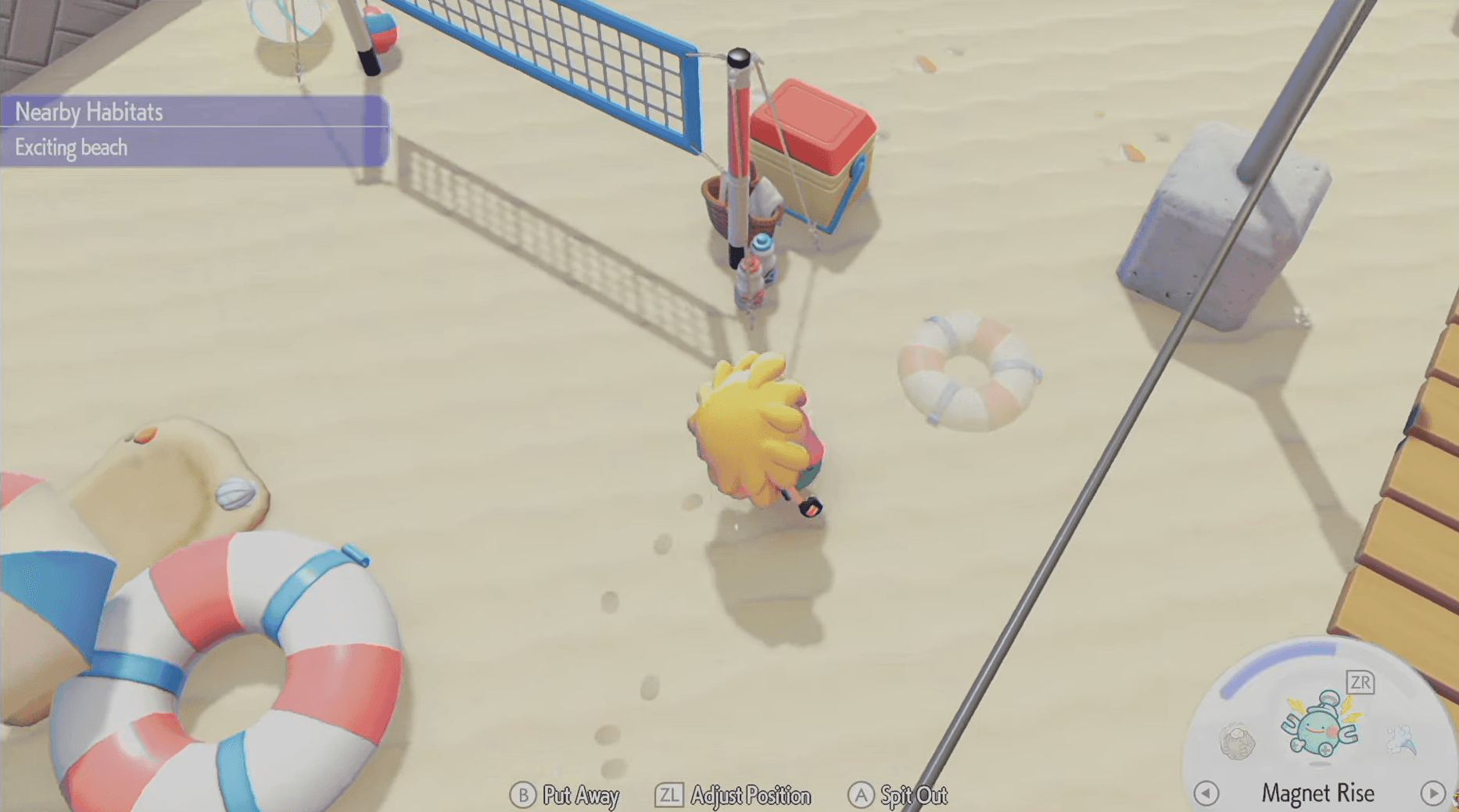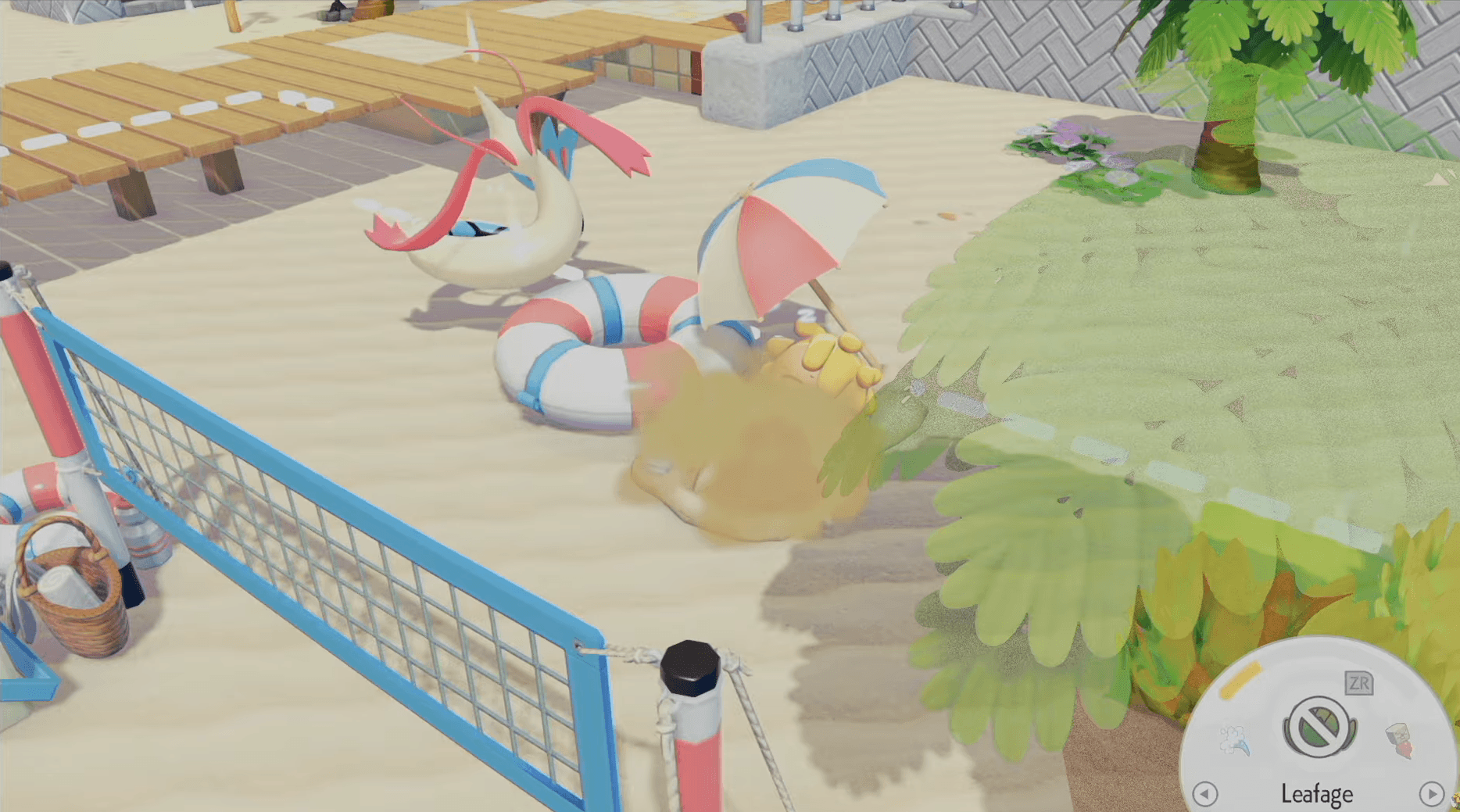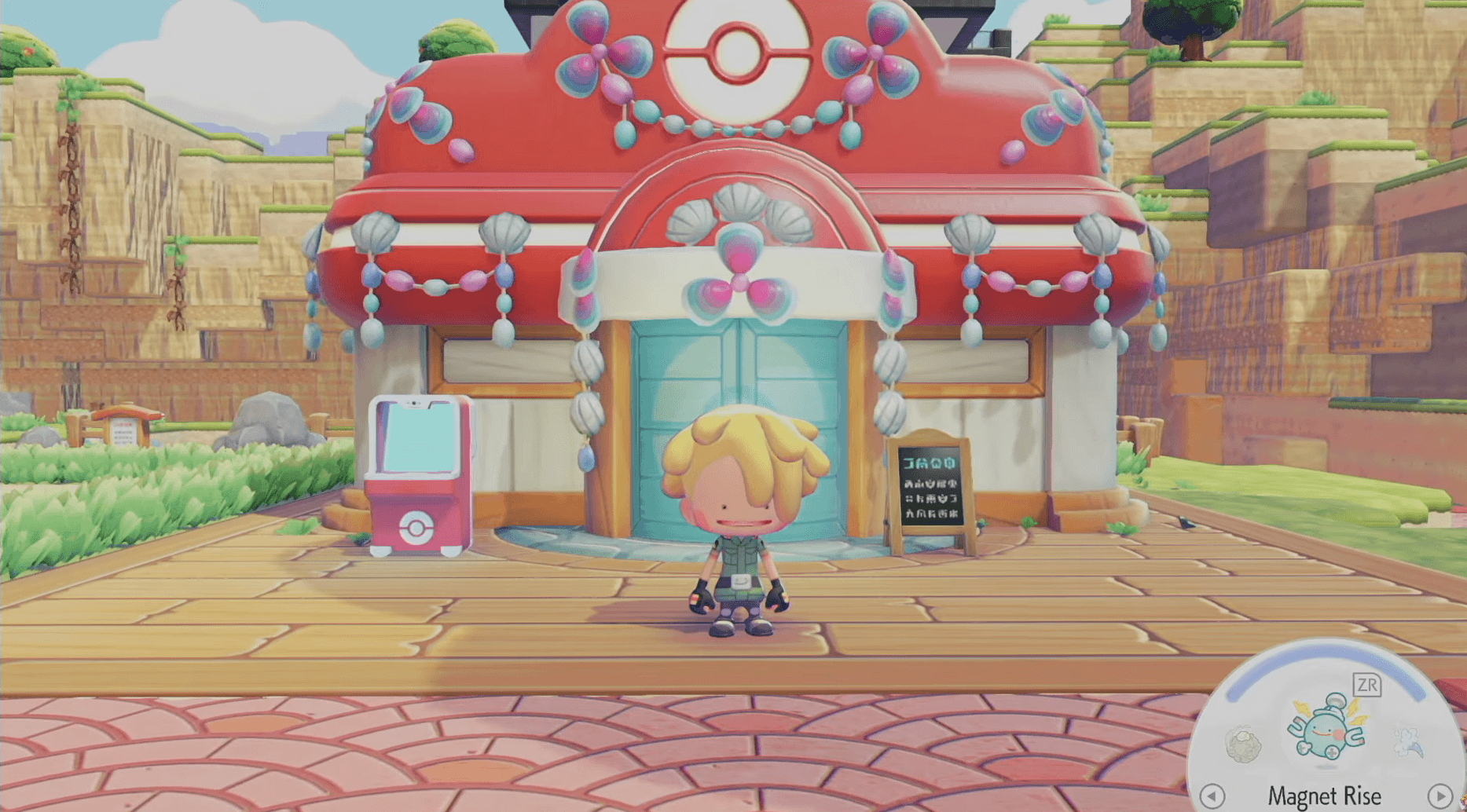

In Pokémon Pokopia, the familiar world of battles has been replaced by something far more interesting: a living, breathing ecosystem where every Pokémon carries a unique Speciality that shapes how you interact with the world around you. With humans gone from this desolate landscape, your Pokémon companions step up in remarkable ways, automating tasks, gathering resources, and even reshaping the environment itself. Understanding these Specialities is the difference between struggling to survive and building a thriving settlement.
What Are Specialities in Pokémon Pokopia?
Specialities are innate traits tied to each Pokémon in Pokopia, functioning either automatically in the environment or activating when a Pokémon is travelling with you. Think of them as passive jobs your Pokémon perform, reducing the manual grind and letting you focus on exploration and building.
Some Specialities trigger without any input from you. If the required materials or conditions are present, Pokémon will act on their own. Others require you to interact directly with the Pokémon and make a specific request. Knowing which is which saves a lot of confusion early on.
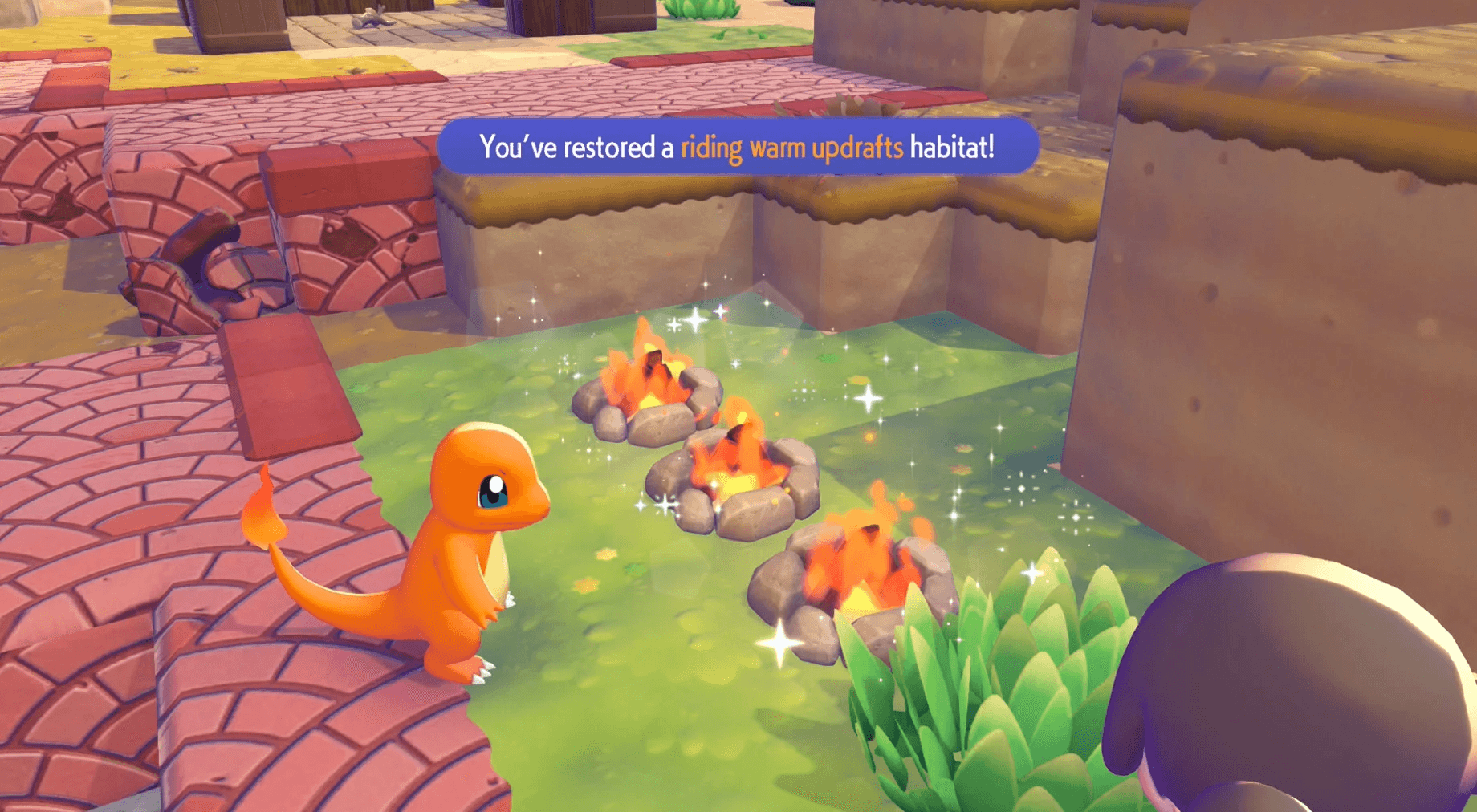
A few Specialities are unlocked almost immediately. Bulbasaur's Grow and Charmander's Burn are early examples, though their full potential may not become clear until later stages of the game. Meanwhile, certain Pokémon carry more than one Speciality, making them especially valuable companions.

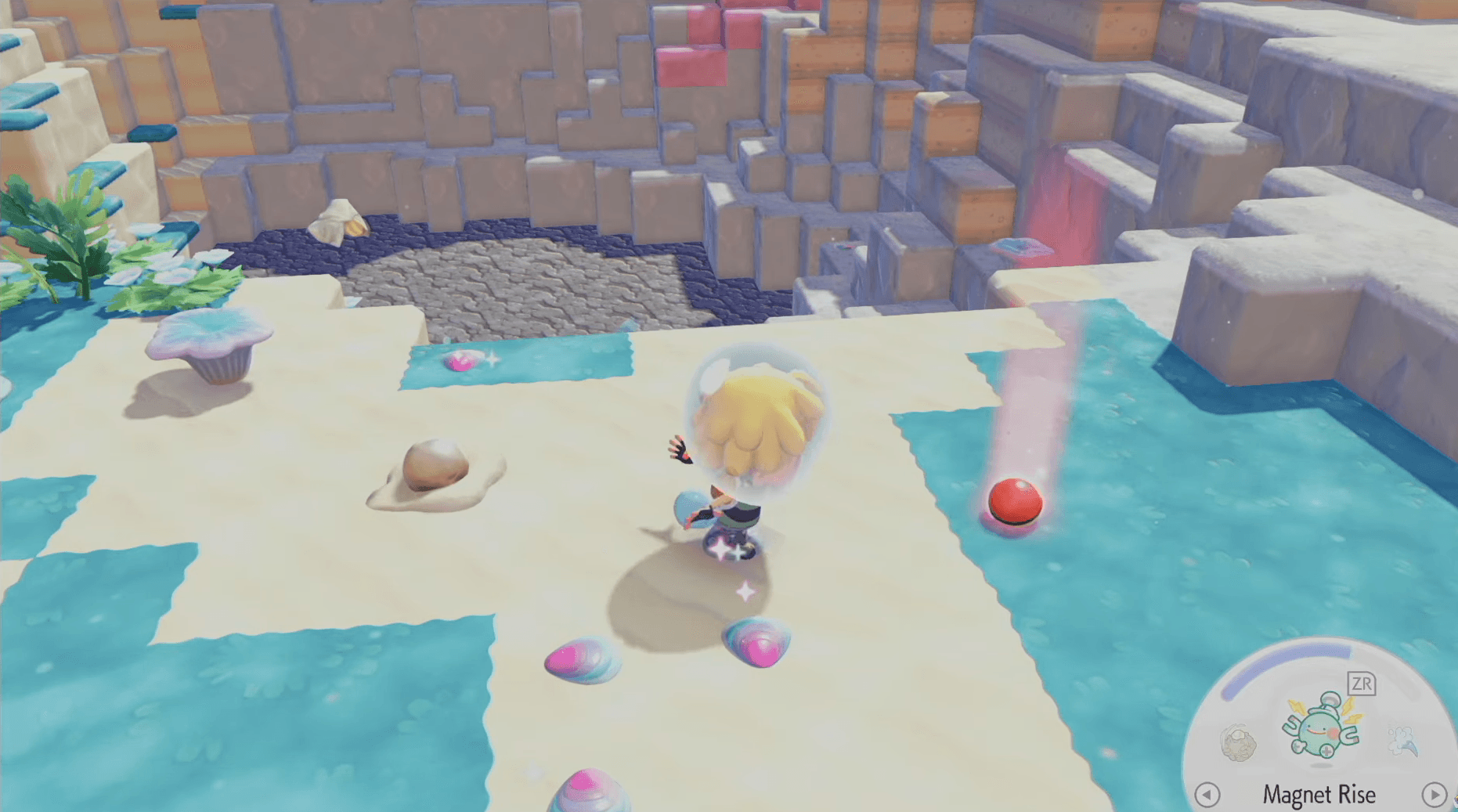
All Pokopia Specialities Listed and Explained
The table below covers every known Speciality currently in Pokémon Pokopia, along with a clear description of what each one does in practice.
Pokémon Pokopia Guide: All Pokémon Specialties
How Do You Use Specialities Effectively?
The smartest approach to Specialities is thinking in terms of automation. Several abilities, including Gather, Grow, Generate, and Litter, work entirely on their own when conditions are met. Setting up your town so these Pokémon always have access to the right resources means materials accumulate without you lifting a finger.
For active Specialities, the key is preparation. Before heading out on a long exploration run, stock up on the items specific Pokémon need:
- Chop Pokémon need Small Logs to produce Lumber.
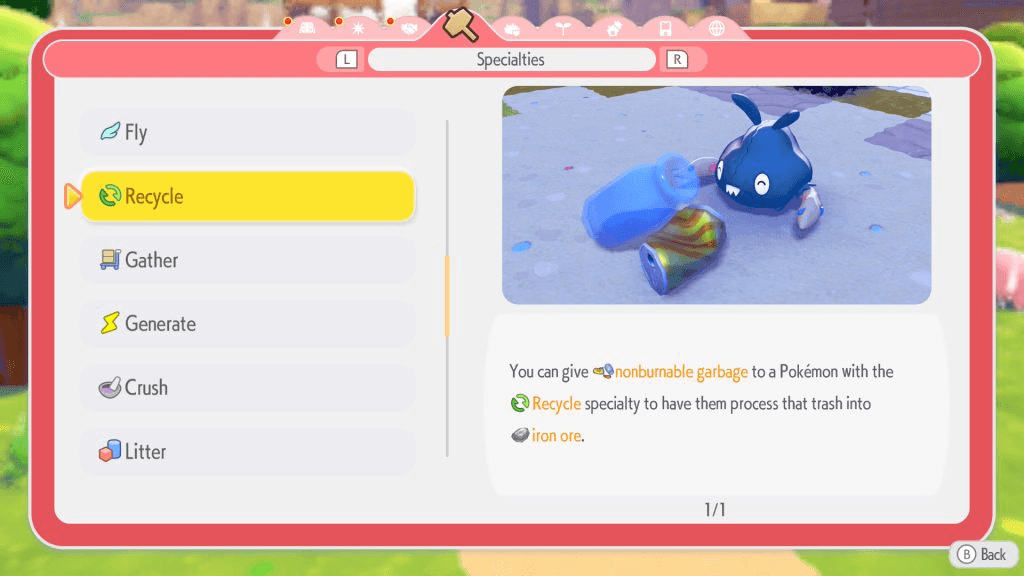
- Recycle Pokémon need Nonburnable Garbage to output Iron Ore.
- Crush Pokémon need whichever select materials you want broken down.
- Burn Pokémon need flammable items or specific craftable materials.
For the Search Speciality, always carry the Dowsing Machine. Pressing A while walking with a Search Pokémon triggers the ability, so keeping one in your party during exploration runs is a consistent way to uncover buried items you would otherwise walk right past.
Pokémon Pokopia Guide: All Pokémon Specialties
Which Specialities Should You Prioritize?
Not all Specialities carry equal weight in the early game. Here is a breakdown by priority tier based on their impact on progression:
High Priority (Early Game Essentials)
- Grow speeds up crop maturity, which feeds into almost every other resource chain.
- Water keeps plants alive and manages humidity, both critical environmental factors.
- Gather passively stocks your Community Box, reducing manual collection runs.
- Generate keeps machines running, which unlocks crafting and Trade functionality.
Mid Priority (Expansion Phase)
- Build and Bulldoze become essential once you start constructing and reorganizing your settlement layout.
- Chop and Crush feed your material crafting pipelines.
- Recycle converts waste into Iron Ore, a resource that becomes increasingly valuable.
Situational (Utility When Needed)
- Search is invaluable during dedicated exploration sessions but not a constant necessity.
- Fly cuts travel time dramatically when hunting specific Pokémon.
- Appraise is niche but essential the moment you start finding Lost Relics.
- Yawn serves a narrow but useful purpose for managing crop and environment conditions.
Tips for Managing Multiple Specialities at Once
With up to five Pokémon in your active party, you have room to stack Specialities strategically. A few practical setups worth knowing:
- Pair a Water Pokémon with a Grow Pokémon during farming sessions. Both abilities complement each other directly, with Water handling irrigation and Grow accelerating maturity.
- Bring a Search Pokémon alongside a Fly Pokémon during exploration. Search uncovers buried items while Fly gives you instant access to any Pokémon you need to track down.
- Keep a Burn Pokémon in your party when you have crafting items ready. Rather than returning to base, you can hand off materials on the go.
- Assign Gather and Generate Pokémon to base duty rather than active travel. Their passive contributions are most valuable when they have uninterrupted free time.
Understanding the full Speciality system in Pokémon Pokopia transforms how you approach every session. Whether you are automating your resource economy or gearing up for a focused exploration run, matching the right Pokémon to the right tasks is the foundation of everything the game offers.