Search games, articles, guides...CtrlK
Sign InGet Started
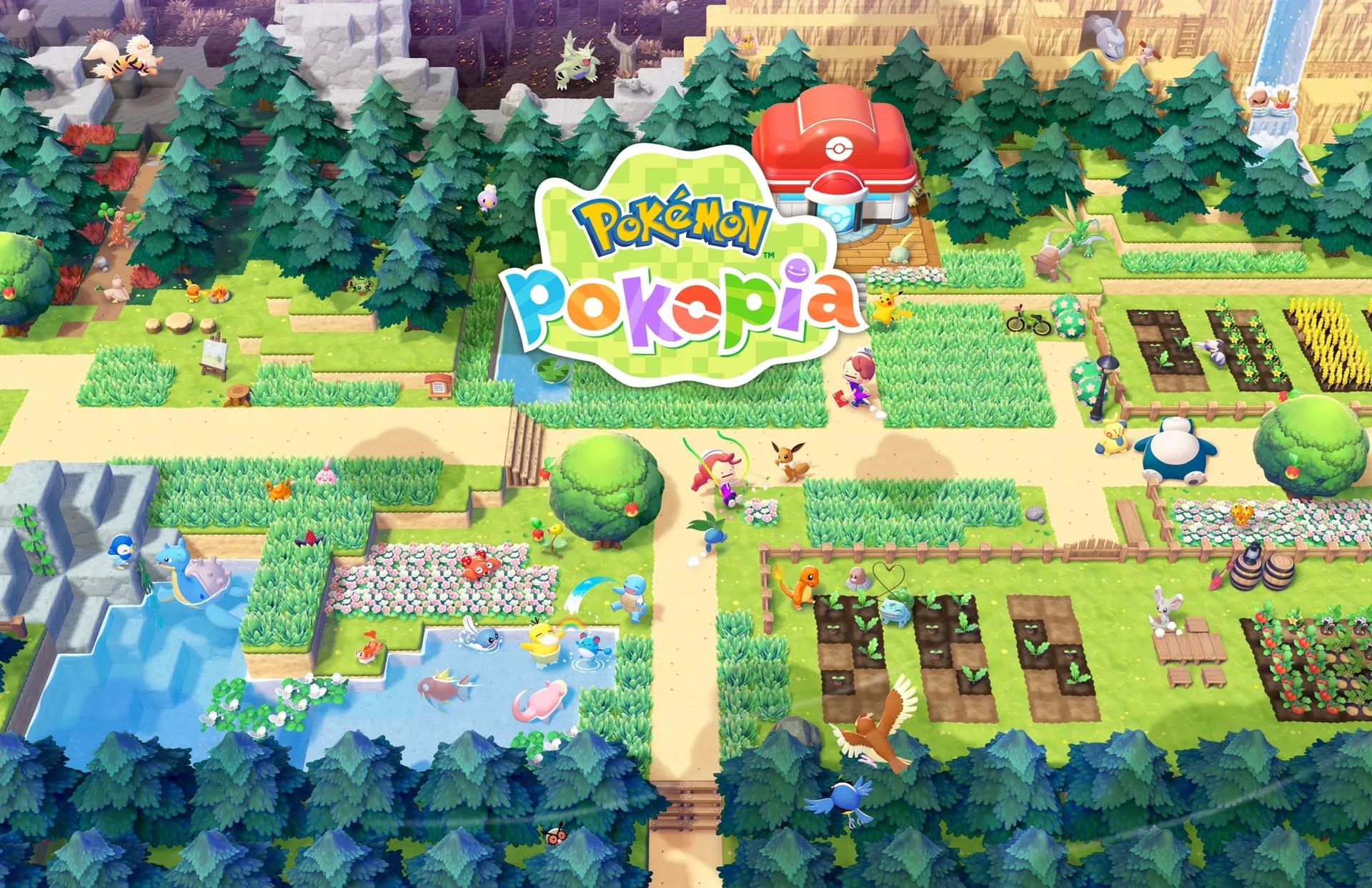
Learn how to raise humidity in Pokémon Pokopia fast, keep your Pokémon happy, and unlock key story progression milestones.

Written by Larc
Content Writer
See more GAMES.GG guides on Google
Add us as a preferred source and our guides show up first in your results.
Pokémon Pokopia Guide: How to Build the Exciting Beach Habitat for Feebas
Build Feebas's Exciting Beach Habitat in Pokémon Pokopia with just two items and complete the Fetching Scales event.
Pokémon Pokopia Guide: How to Build the Marine Leisure Activities Habitat
Build the Marine Leisure Activities Habitat in Pokémon Pokopia with 3 event items and attract Milotic to your island.
Pokémon Pokopia Fetching Scales for Feebas Event Guide
Collect Prism Scales, unlock swimming-themed furniture, and build habitats for Feebas and Milotic before August 28.
Humidity is one of those mechanics in Pokémon Pokopia that sneaks up on you. You're busy rebuilding structures and crafting habitats, and suddenly your Pokémon are unhappy and your story progress has stalled. Understanding how humidity works, and how to raise it quickly, makes the difference between a thriving world and a frustrated play session.
Humidity is an environmental stat tied directly to Pokémon comfort ratings. Each Pokémon in Pokopia has specific habitat preferences, and humidity is one of the key values that determines how content they feel in their surroundings.
Not every Pokémon wants the same conditions. Bulbasaur and Squirtle, for example, thrive in high-humidity environments with plenty of moisture and greenery. Charmander, on the other hand, prefers a warmer, drier climate. Placing fire-type Pokémon in a humid zone will drop their comfort rating, while water and grass types will flourish there.
Balancing these competing preferences is one of the trickier aspects of Pokopia, especially early on when resources are limited. The good news is that the more you progress, the more tools you have to manage it.
There are two main approaches to raising humidity, and they work best when used together.
The foundational method for increasing humidity is adding more watered plants, grass, trees, and flowers to your area. Each piece of vegetation you place and water contributes a small amount to the local humidity level. This approach is reliable but gradual, so do not expect a single garden to solve all your problems overnight.
Here is what to focus on for steady vegetation-based humidity gains:
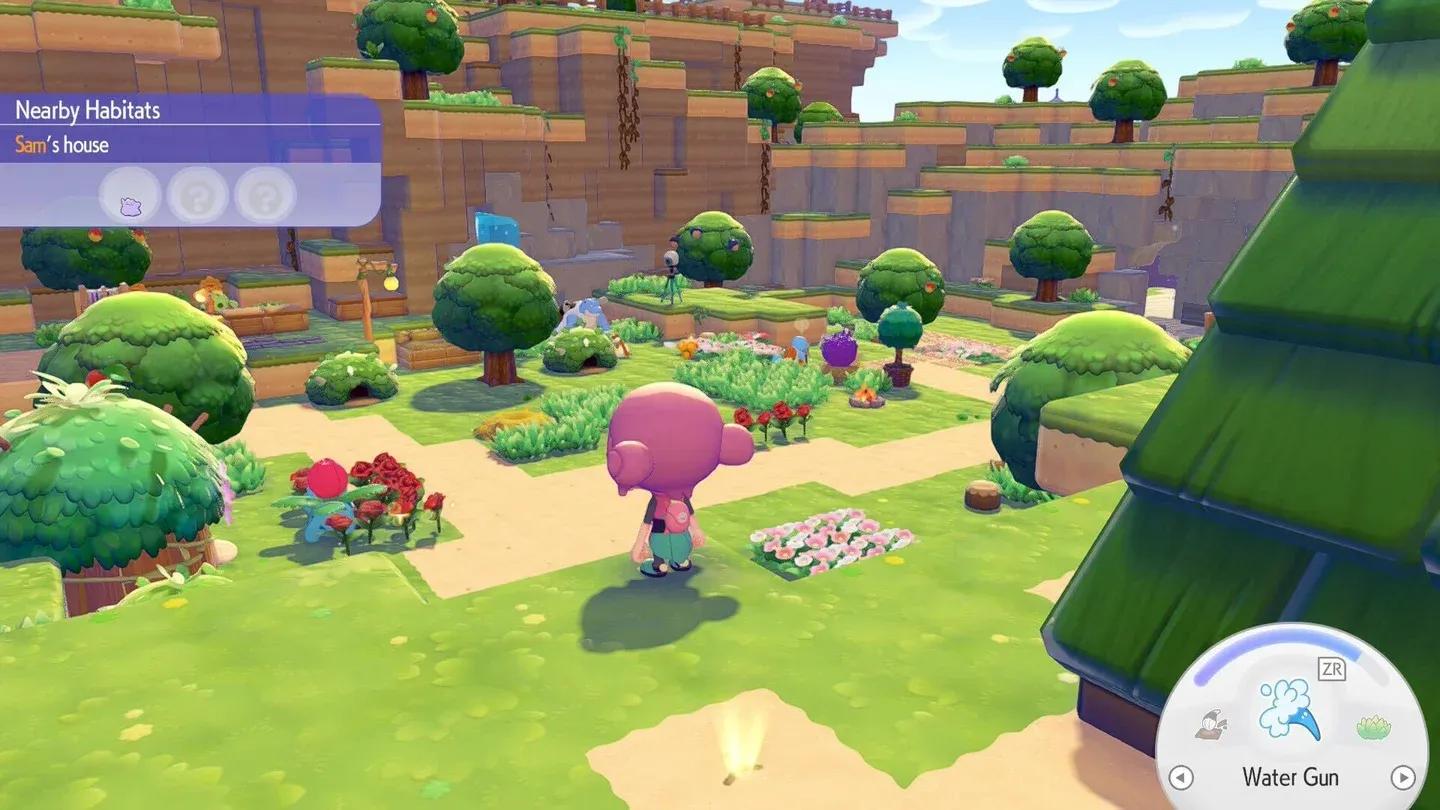
Planting trees raises humidity
If you want to raise humidity quickly, Pokémon requests are your best tool. Several Pokémon have specific quests that, when completed, produce a significant spike in local humidity, far outpacing what gradual planting can achieve.
The key Pokémon tied to humidity-boosting requests include:
Ticking off these requests does not just help your companions feel at home. It actively drives main story progression, making them a priority whenever they appear.
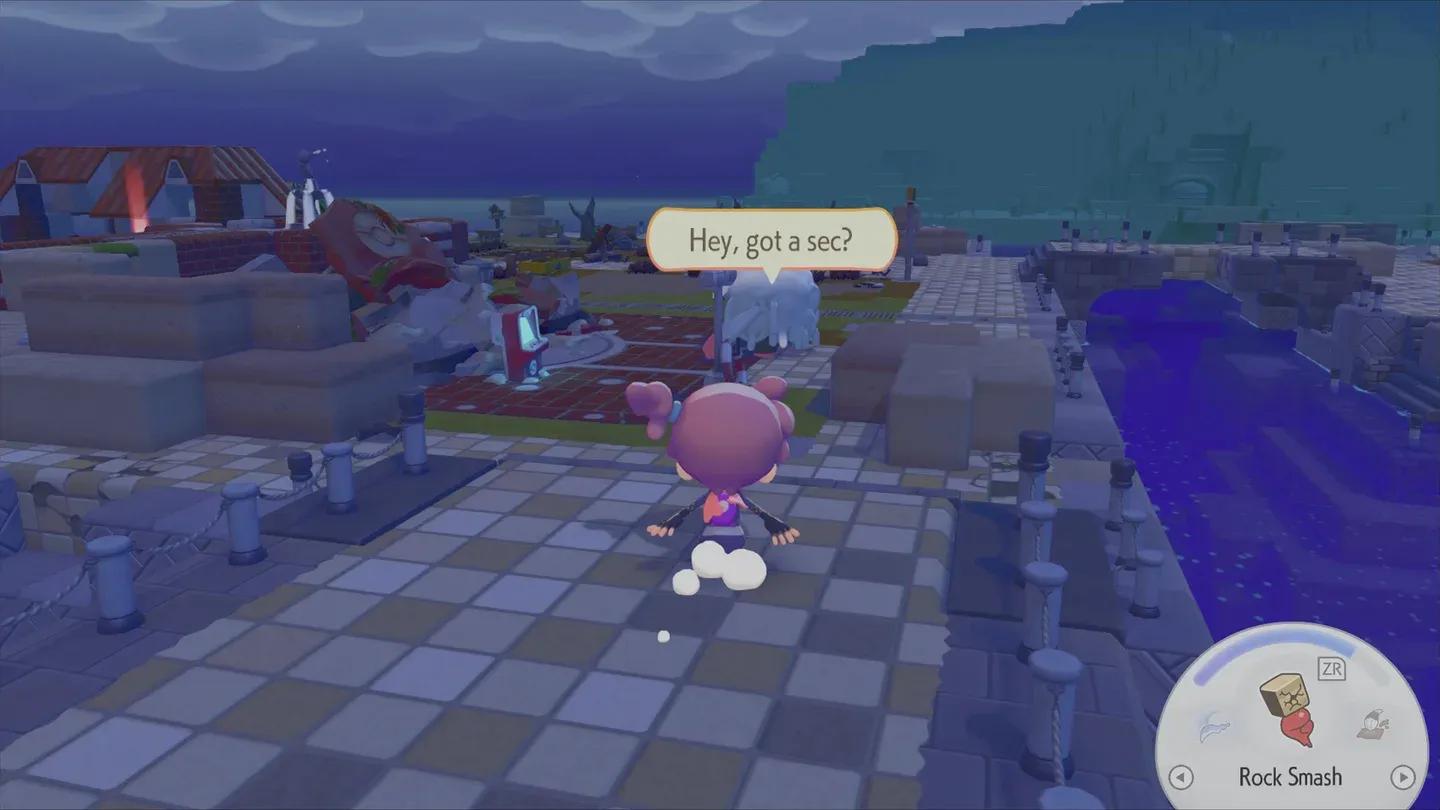
Squirtle quests boost humidity fast
| Method | Speed of Increase | Best Used For |
|---|---|---|
| Planting trees | Slow, gradual | Building a consistent humidity baseline |
| Watering grass and flowers | Slow, gradual | Fine-tuning humidity near specific habitats |
| Completing Squirtle requests | Fast, significant | Quick story-relevant humidity spikes |
| Completing Bulbasaur requests | Fast, significant | Vegetation-linked humidity boosts |
| Completing Slowpoke requests | Fast, significant | Additional large humidity increases |
This is where Pokopia gets genuinely interesting as a world-building game. You cannot just flood your entire map with moisture and call it done. Charmander and other fire-type Pokémon need lower humidity to stay comfortable, which creates a real tension when you have mixed Pokémon populations.
The solution is habitat separation combined with smart home placement. Building a Leaf Den for grass and water types keeps them comfortable without requiring you to physically relocate Charmander to the opposite end of the map. Homes act as comfort buffers, letting you manage conflicting environmental preferences in a much smaller footprint.
Practical steps for balancing humidity across Pokémon types: