










Omar Ghanem
Final Boss
A moon base, a robot girl, and the best new shooter in years
Capcom announced Pragmata back in 2020 with a trailer that showed a man in a spacesuit and a little girl on the moon. Intriguing, sure, but also a premise that could have gone anywhere, including nowhere. Six years later, the game is out, and here's the thing: it's one of the best things Capcom has shipped in a long time. Not because it reinvents anything, but because it executes its specific, slightly strange vision with real conviction.
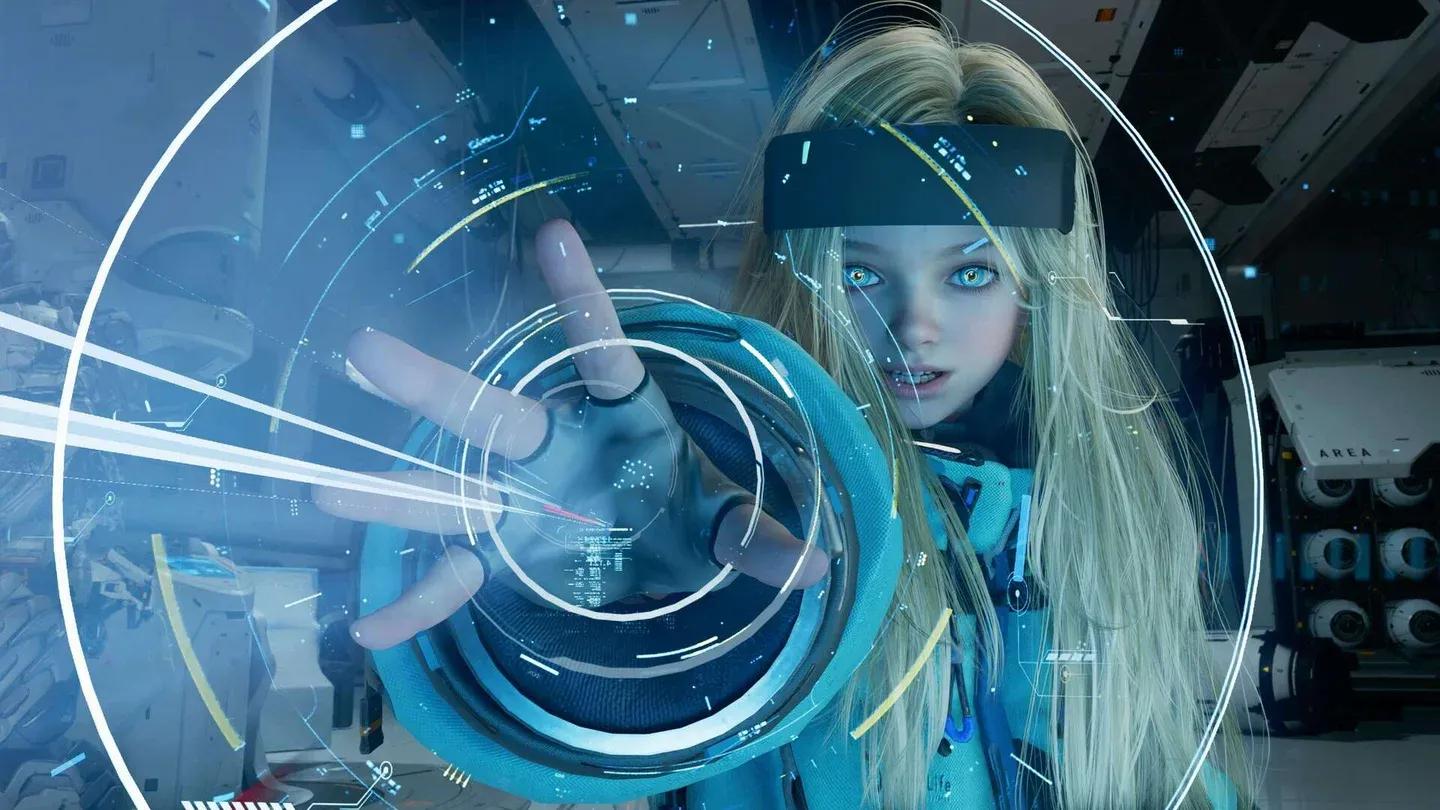
You play as Hugh Williams, an astronaut sent to investigate a lunar research facility that's gone dark. The crew doesn't survive the landing. Hugh does, barely, and almost immediately runs into Diana, an android built to look and act like an eight-year-old girl, who has the ability to hack every hostile system on the base. They need each other to survive. That setup does a lot of work fast, and the game never wastes it.
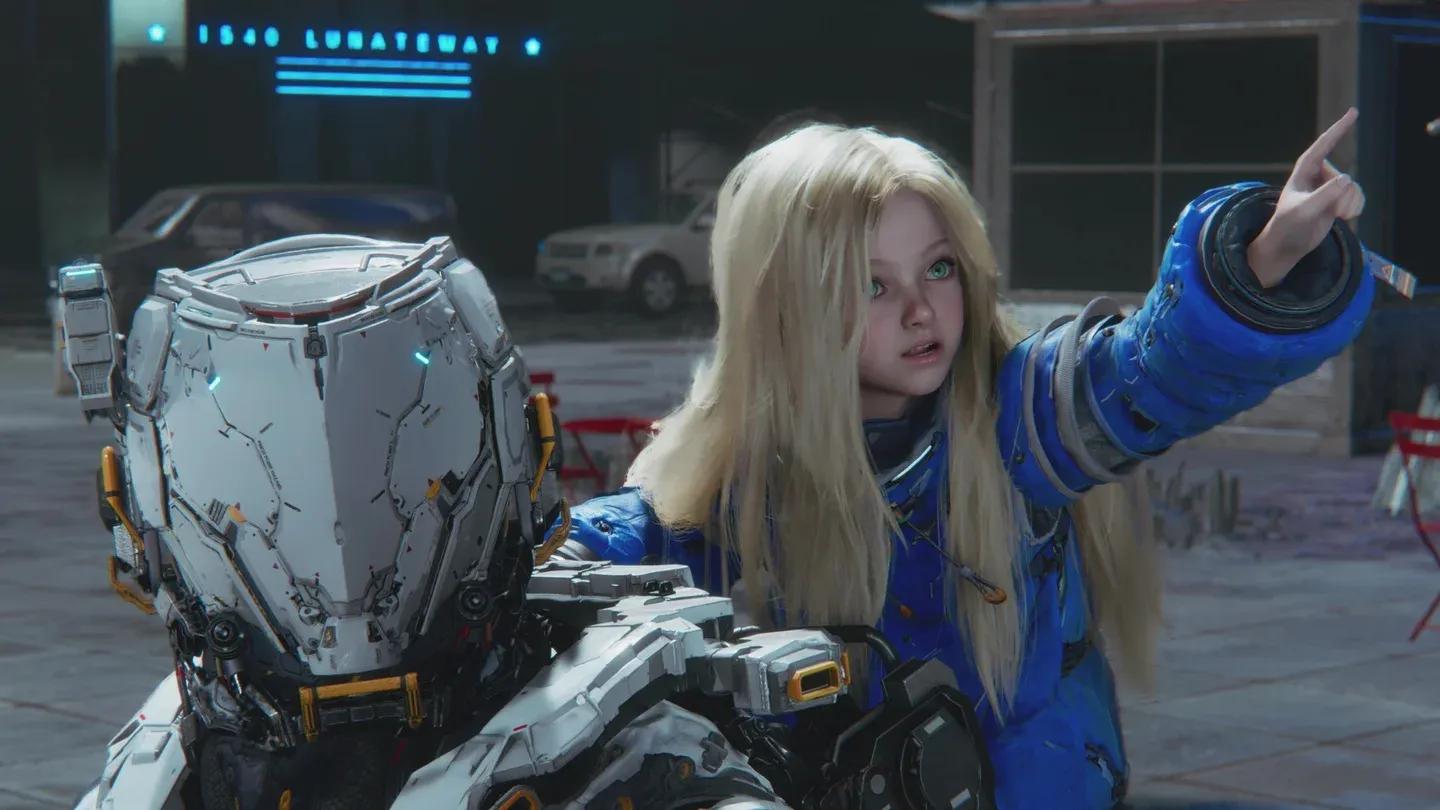
The core hack-and-shoot loop
Gameplay
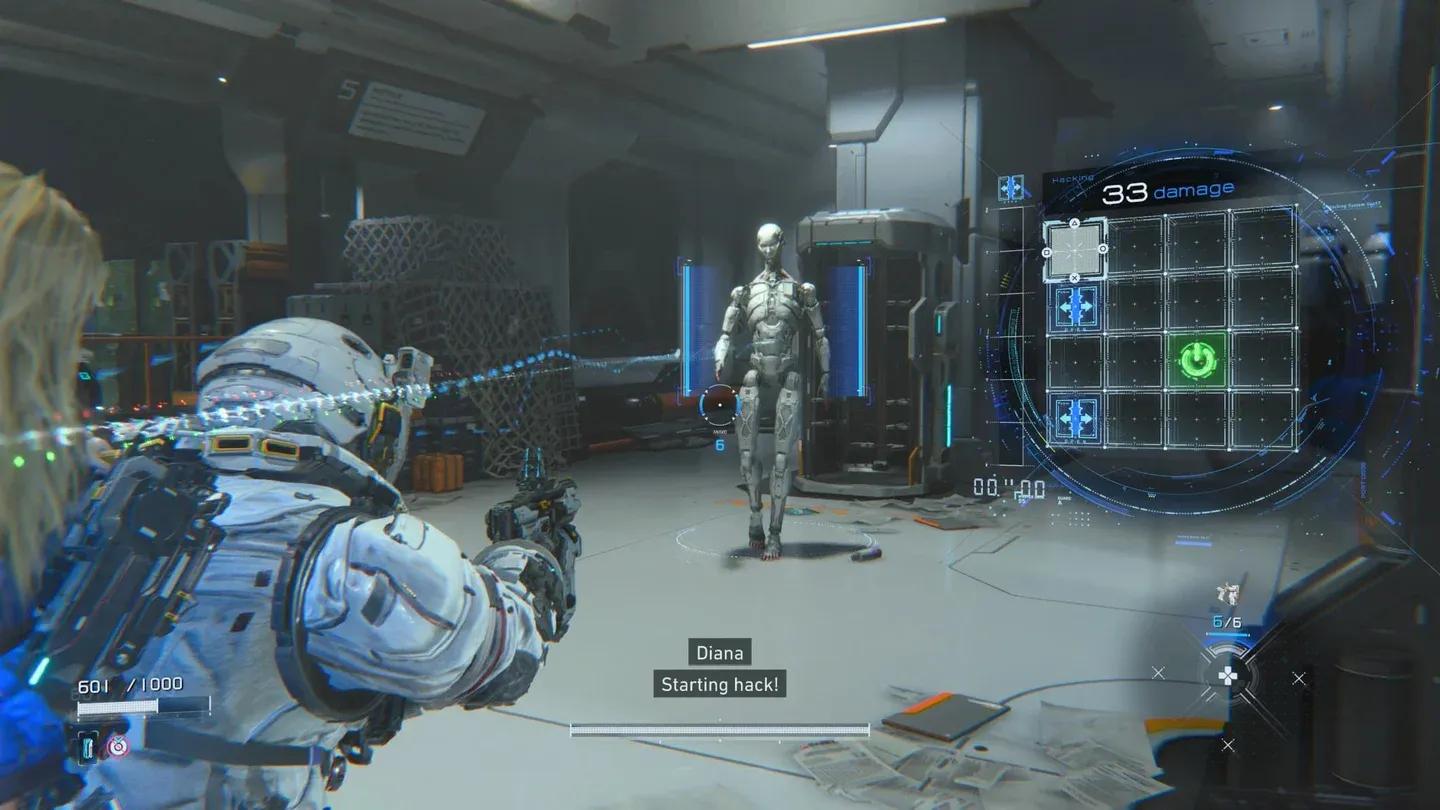
The combat is where Pragmata earns its reputation. Hugh handles the shooting side in standard third-person fashion, working through an arsenal that starts with a basic sidearm and expands into more creative and powerful weapons as the game progresses. Diana handles the hacking. Every enemy you face displays a hacking matrix next to it when you aim down sights, a grid puzzle that Diana can solve to expose weak points, disable shields, or temporarily take control of enemies.
The key here is that both systems demand your attention simultaneously. You're tracking enemy positions and managing ammunition while also reading the hacking grid and deciding which vulnerabilities to prioritize. Early encounters keep the grids small and manageable. By the midgame, you're juggling multiple enemies with complex matrices while dodging area attacks and managing finite resources. It never stops being satisfying.
The balancing act between hacking, dodging, and shooting creates a loop that builds in complexity without ever feeling arbitrary. New enemy types introduce new matrix patterns and new behaviors, so the game keeps teaching you things well into its back half. Combat arenas are well-designed and reward positioning, and the weapon variety is broad enough that you'll develop genuine preferences.
Progression ties directly into the relationship between Hugh and Diana. Unlocking rewards doesn't just give you stat bonuses; it builds out Diana's playroom with objects and memories from Earth, triggering bonus cutscenes and dialogue. It's a smart design choice because it makes the mechanical reward feel emotionally meaningful. You want to progress not just to get stronger, but to see Diana's reaction to the next thing Hugh brings her.
Rewards build Diana's playroom
Graphics and audio
The lunar research facility setting gives the art direction a specific and consistent palette: white corridors, cold metal, the black void of space through every window. It sounds sterile, and in a lesser game it would be. Here, the contrast between that clinical environment and Diana's expressive animations and warm character design does real visual work. She stands out in every scene, which is clearly intentional.
Hugh's suit design splits the difference between realistic NASA hardware and something from a sci-fi shooter, angular helmet, bulky white suit, which helps the game feel grounded rather than fantastical. The lunafilament technology that underpins the base's self-sustaining systems gets enough visual and narrative attention that the setting feels thought through rather than decorative.
The score does exactly what it needs to do. Tense combat sections get appropriately urgent music, quieter story moments breathe. The voice performances for both Hugh and Diana are strong; Diana in particular is a performance that could easily have been irritating and instead lands as genuinely charming.
Story
The surrogate father-daughter dynamic is not new territory. The Last of Us established the template, and games have been working variations on it ever since. Pragmata is aware of this and doesn't pretend otherwise. What it does differently is make Diana an active, capable participant rather than a dependent. She's not cargo. She hacks the enemies that would kill Hugh in seconds. The relationship is genuinely reciprocal, and that changes the emotional texture of the whole thing.
The main narrative mystery, involving the rogue AI IDUS and what actually happened to the facility's human staff, is competently constructed. There are optional notes and recordings that fill in the world, and a few twists that land well. The core story beats are predictable enough that you'll see the shape of the ending before it arrives, but the execution earns the emotion anyway. More than one scene in the back half of the campaign hits harder than it has any right to.
The duo's bond drives the story
Verdict
Pragmata is a focused, confident game that knows what it is and doesn't apologize for it. The hacking combat system is the most interesting thing to happen to third-person shooters in years, the world is well-realized, and Hugh and Diana are characters worth spending time with. The story's predictability is a real limitation, and the campaign doesn't always push its environments as far as they could go. But those are minor complaints against a game that delivers on its central premise almost completely.
Capcom's younger development teams are doing something right. This is the most excited I've been about a new IP from them since the GameCube era, and that's not hyperbole.
PRAGMATA Review
8.5/10
Pragmata is the kind of game Capcom used to make before they decided every release needed to be a franchise tentpole. It takes a genuinely weird idea, a third-person shooter where the hacking puzzle is as important as the gun, and executes it with the confidence of a studio that knows exactly what it wants to say. Hugh and Diana are the best new duo in games this year. The story goes places you can see coming from a mile away in places, but it earns its emotional payoffs anyway. If you have any fondness for tightly designed single-player action games with actual heart, Pragmata is not optional. It lands as one of the defining releases of 2026 so far, and a clear signal that Capcom's younger development teams have something serious to offer.
8.5
Pros
Hacking and shooting combat loop is endlessly satisfying
Hugh and Diana's relationship is genuinely emotionally resonant
Enemy variety and escalating complexity keep combat fresh throughout
Strong sci-fi world-building with grounded near-future setting
Generous post-game content rewards completionists
Cons
Core story beats are somewhat predictable
Campaign variety could be broader outside combat encounters
Some players may find the surrogate father-daughter premise overly familiar