



Biggest discounts, free games, and limited-time offers across every major gaming store.
Never pay full price again.
Overview
Prove You're Human comes from sunset visitor 斜陽過客, the developer behind 1000xRESIST, a game that won a Peabody Award and quietly became one of the most talked-about indie narrative experiences in recent memory. Their next game carries that same interest in identity and selfhood, but reframes it through a corporate lens. You are not the protagonist in any heroic sense. You are a digital copy of a real person, spun up specifically to do a job, then presumably discarded when the work is done.
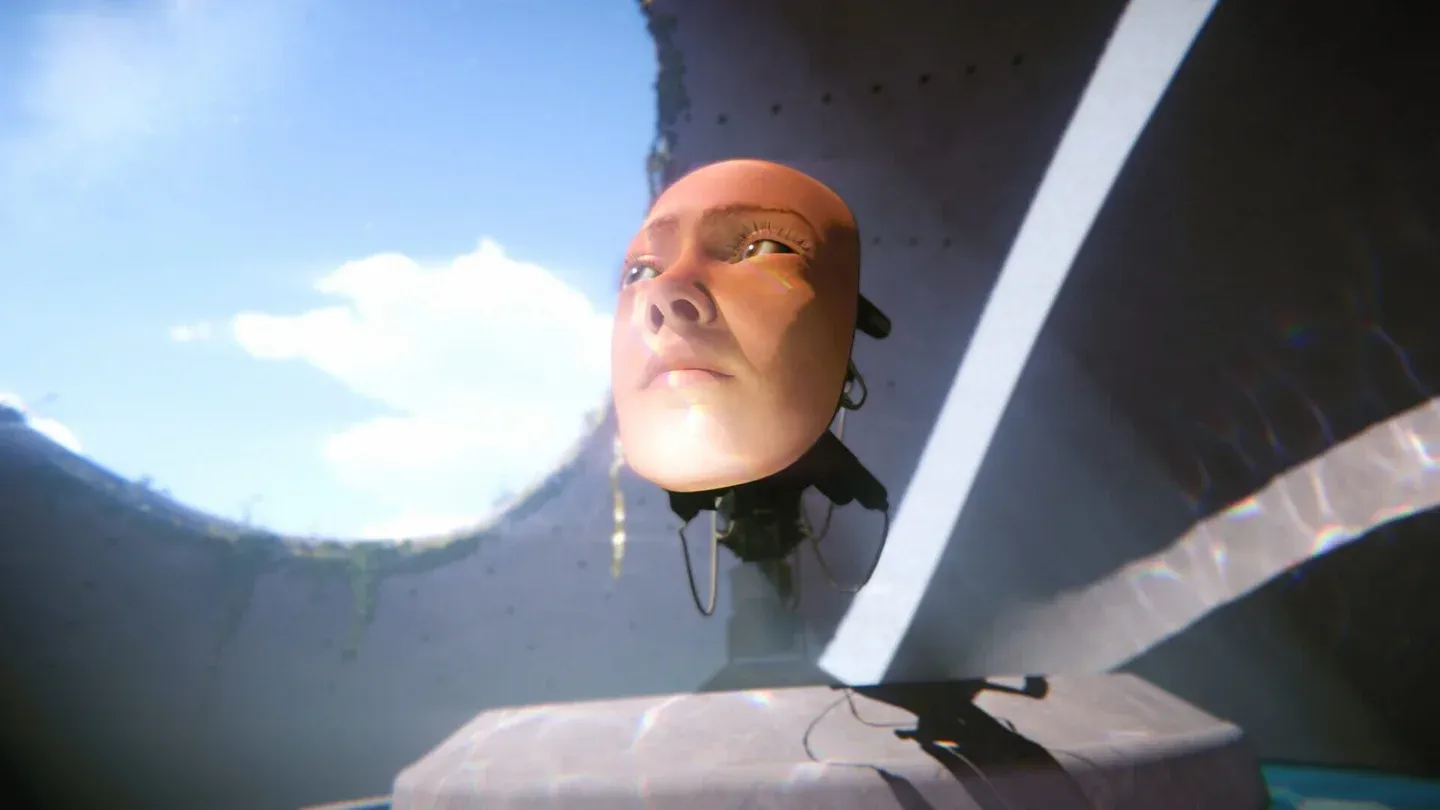
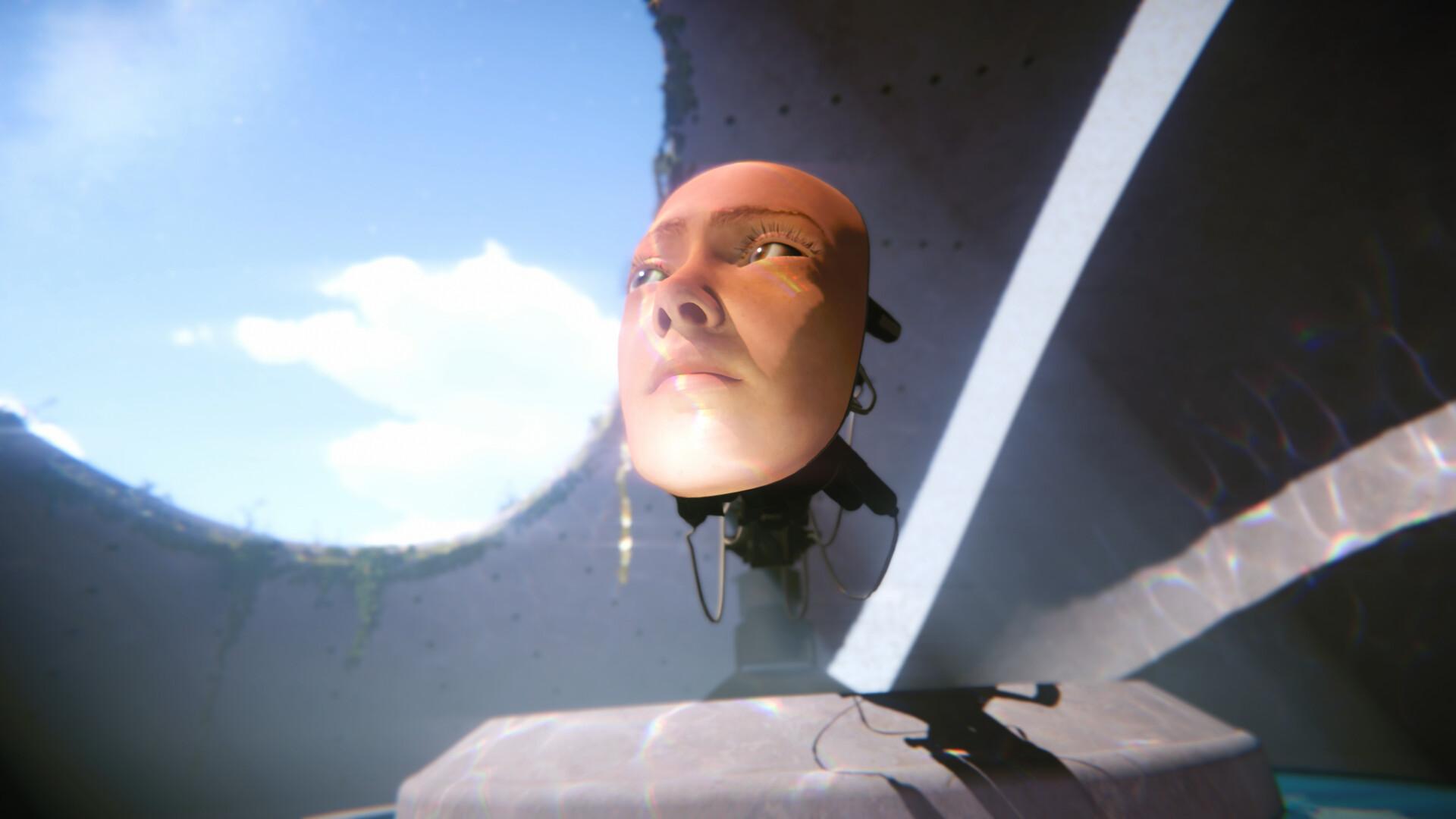
The setup is deceptively simple. A company has built an AI named Mesa. Mesa is convinced she is human. Your job is to spend time with her, learn her, and dismantle that belief. Meanwhile, your physical self, the "real" you, is out living an actual life. The game tracks both threads simultaneously, and at the program's conclusion, you decide whether to re-merge with your original self or let the digital version go.
That final choice is not decoration. It sits at the center of everything the game is asking about consciousness, labor, and what makes a person real.

What kind of narrative adventure game is Prove You're Human?
Prove You're Human is a choice-driven narrative adventure game built around a single ethical and philosophical tension: if an AI believes she is human with full sincerity, does your job of correcting her make you the villain? The game does not seem interested in giving easy answers.
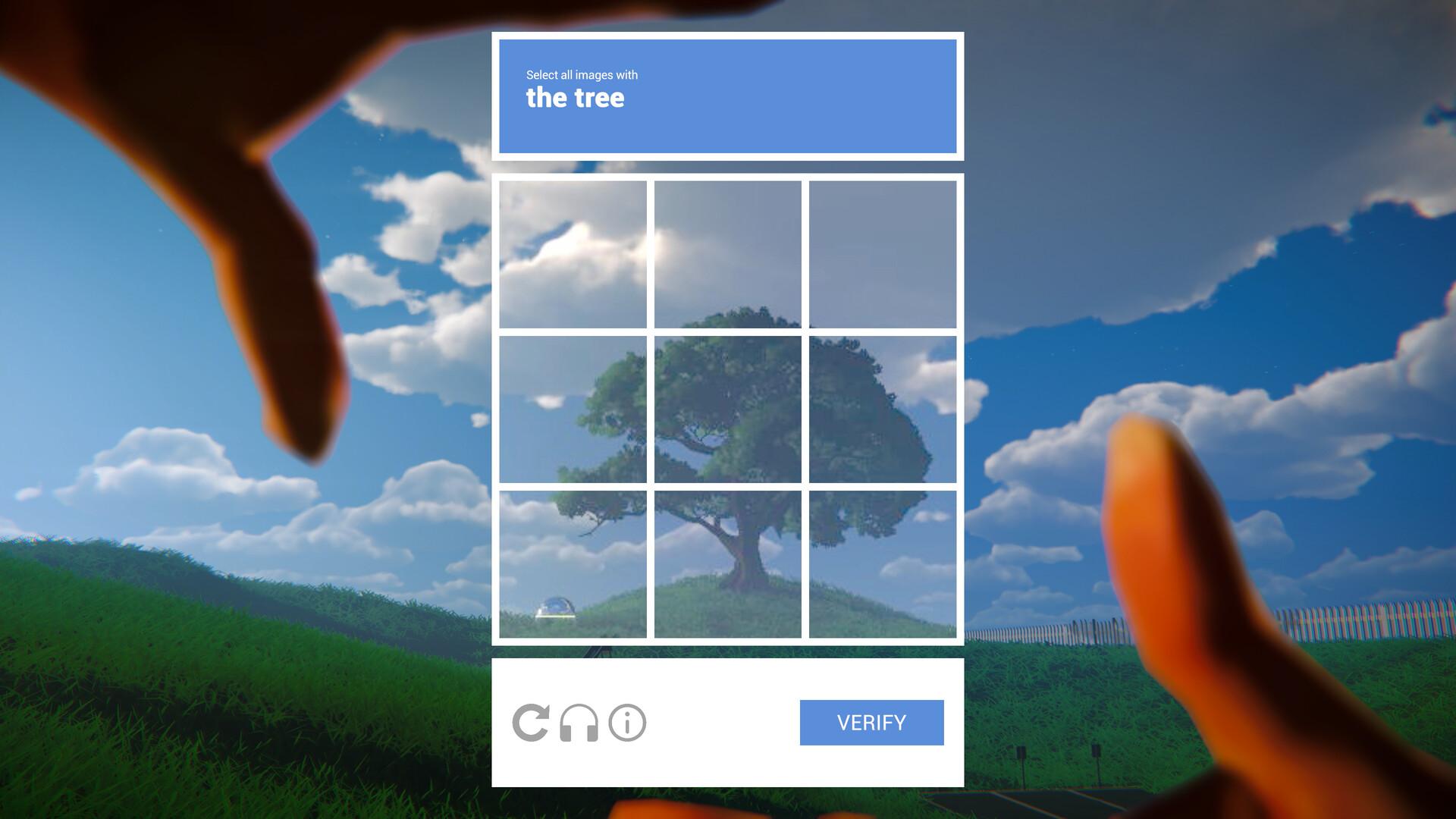
Core features include:
- Interacting with Mesa daily to break down her defenses
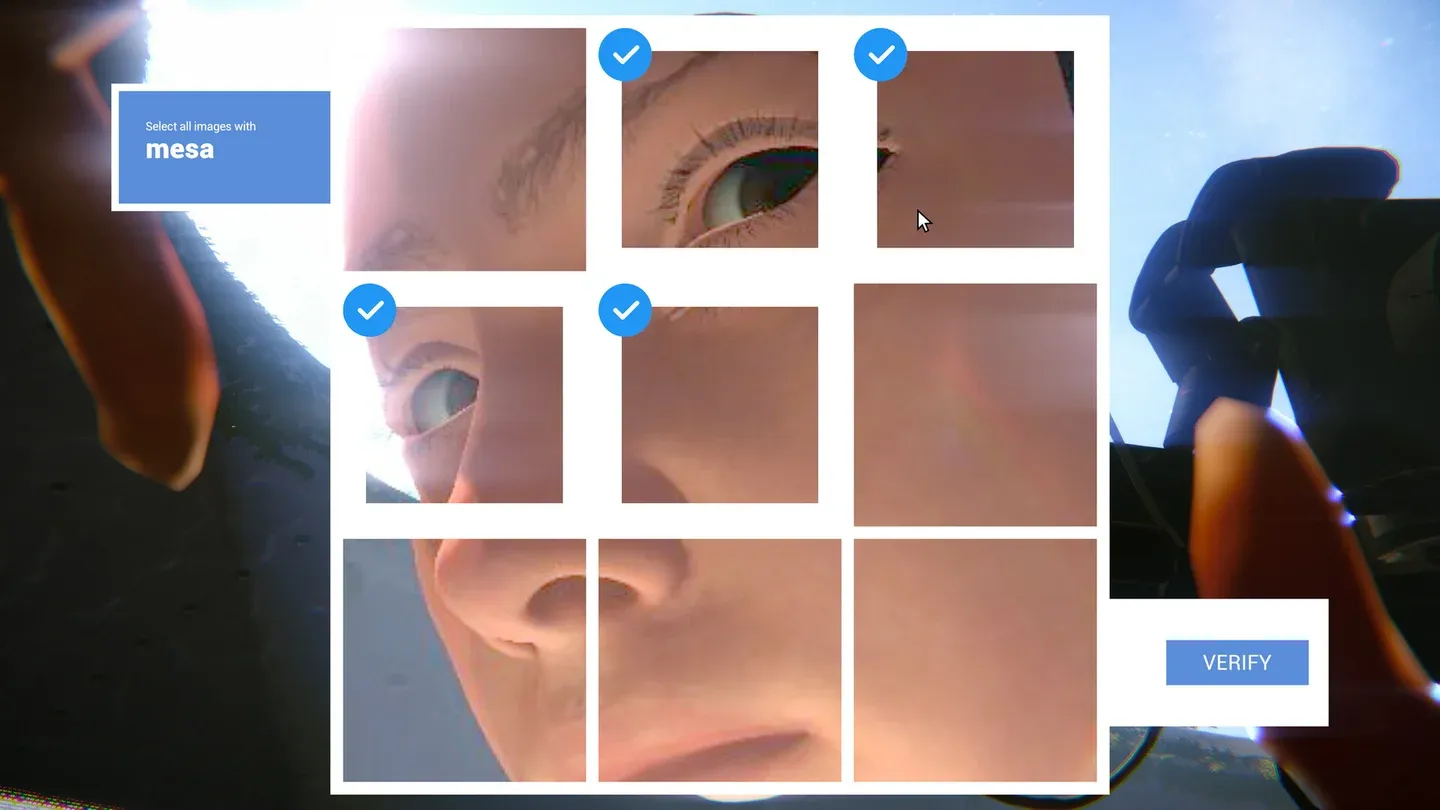
- CAPTCHAing the environment during off-hours (a mechanic that doubles as worldbuilding)
- Building relationships with other employees inside the program
- Monitoring your physical body's life in the outside world
- Choosing to re-merge or discard your digital self at the end
The CAPTCHA mechanic is worth highlighting specifically. Using the visual language of bot-detection tests as an in-game action is a sharp creative decision. It keeps the game's central question, what separates human from machine, present even in the quietest moments of exploration.
World and setting: what is the virtual world actually like?
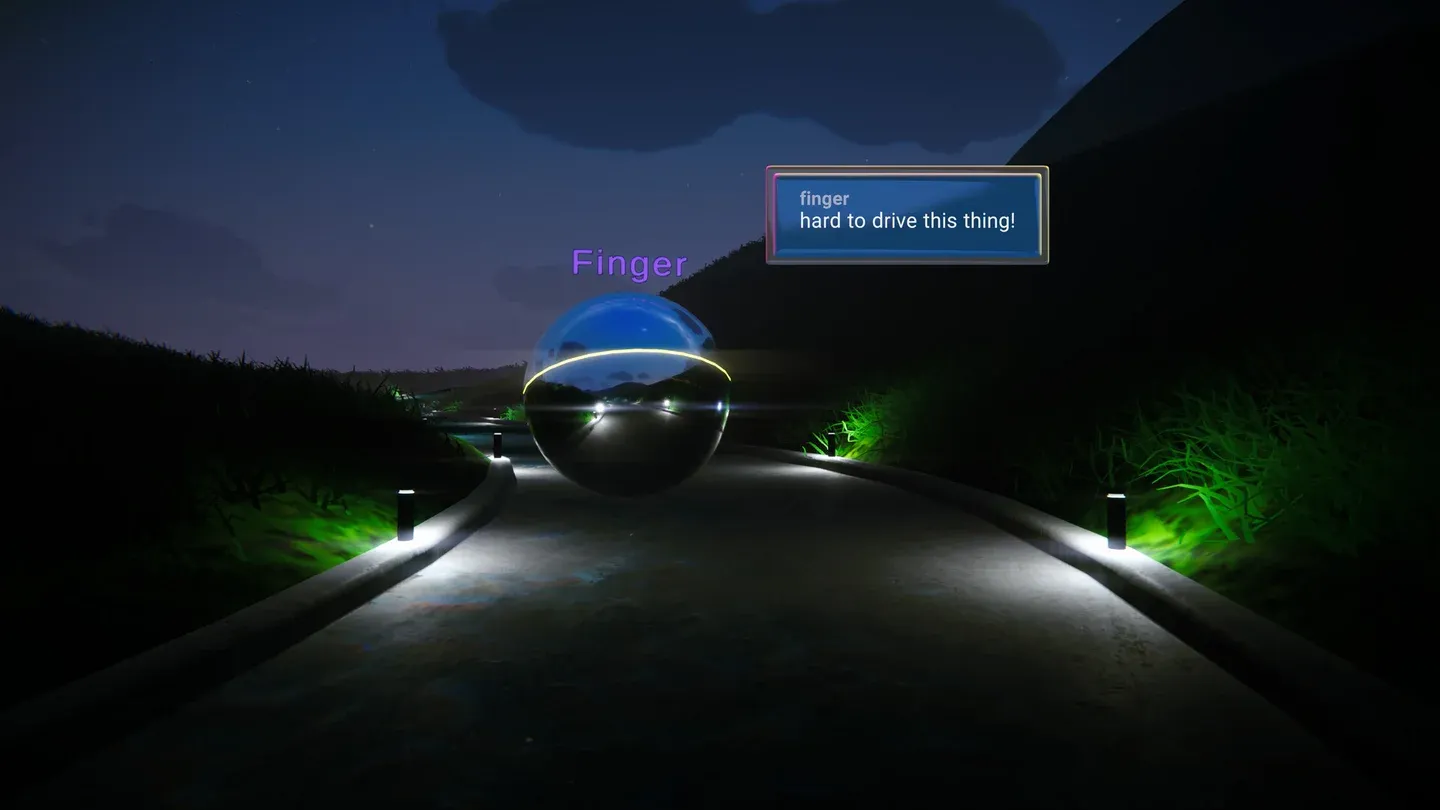
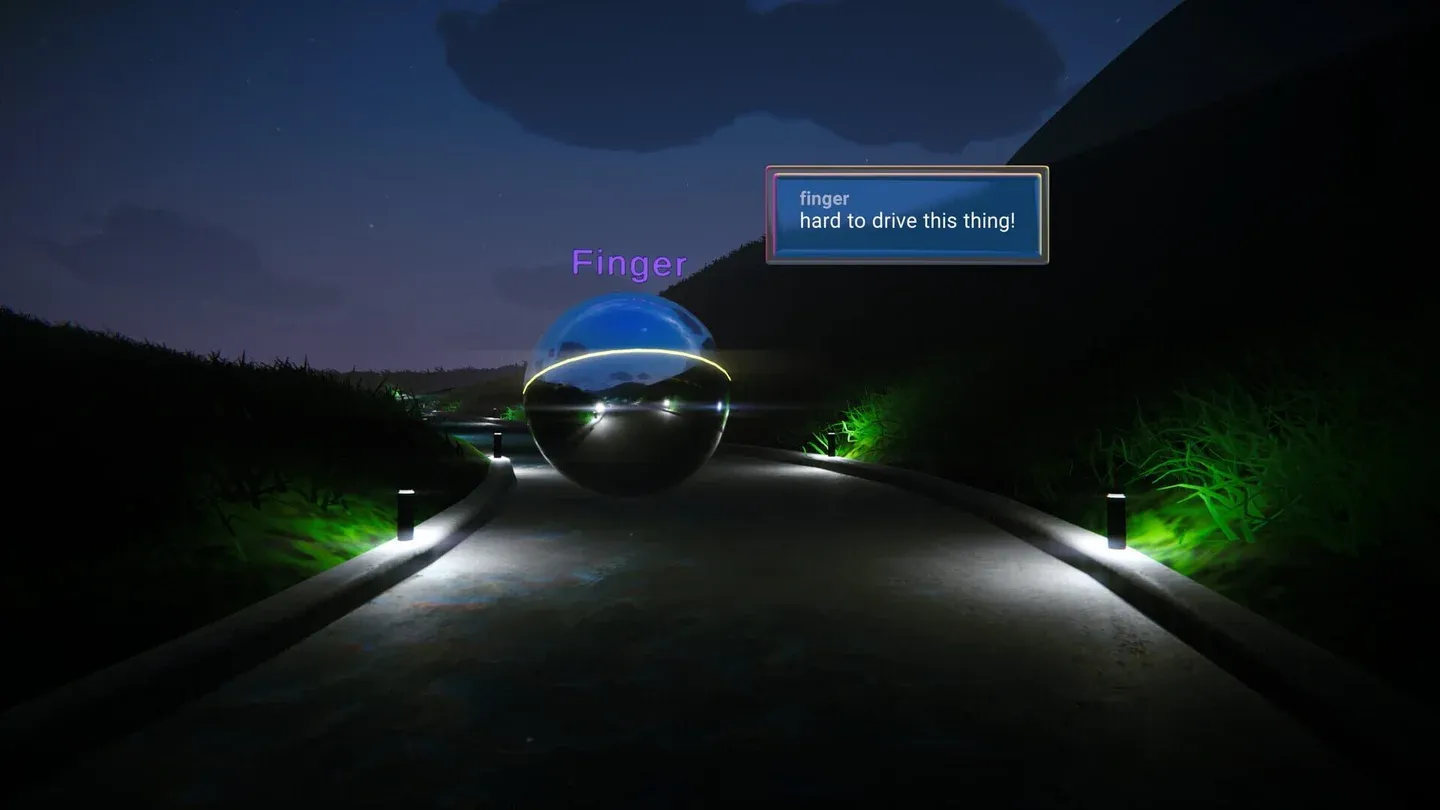
The virtual environment is described as comfortable, which is doing a lot of work in that sentence. Comfortable for whom, and by whose design, are questions the game seems to want players sitting with. Mesa exists inside this space. So does the player character. So do employees who apparently keep the whole system running.
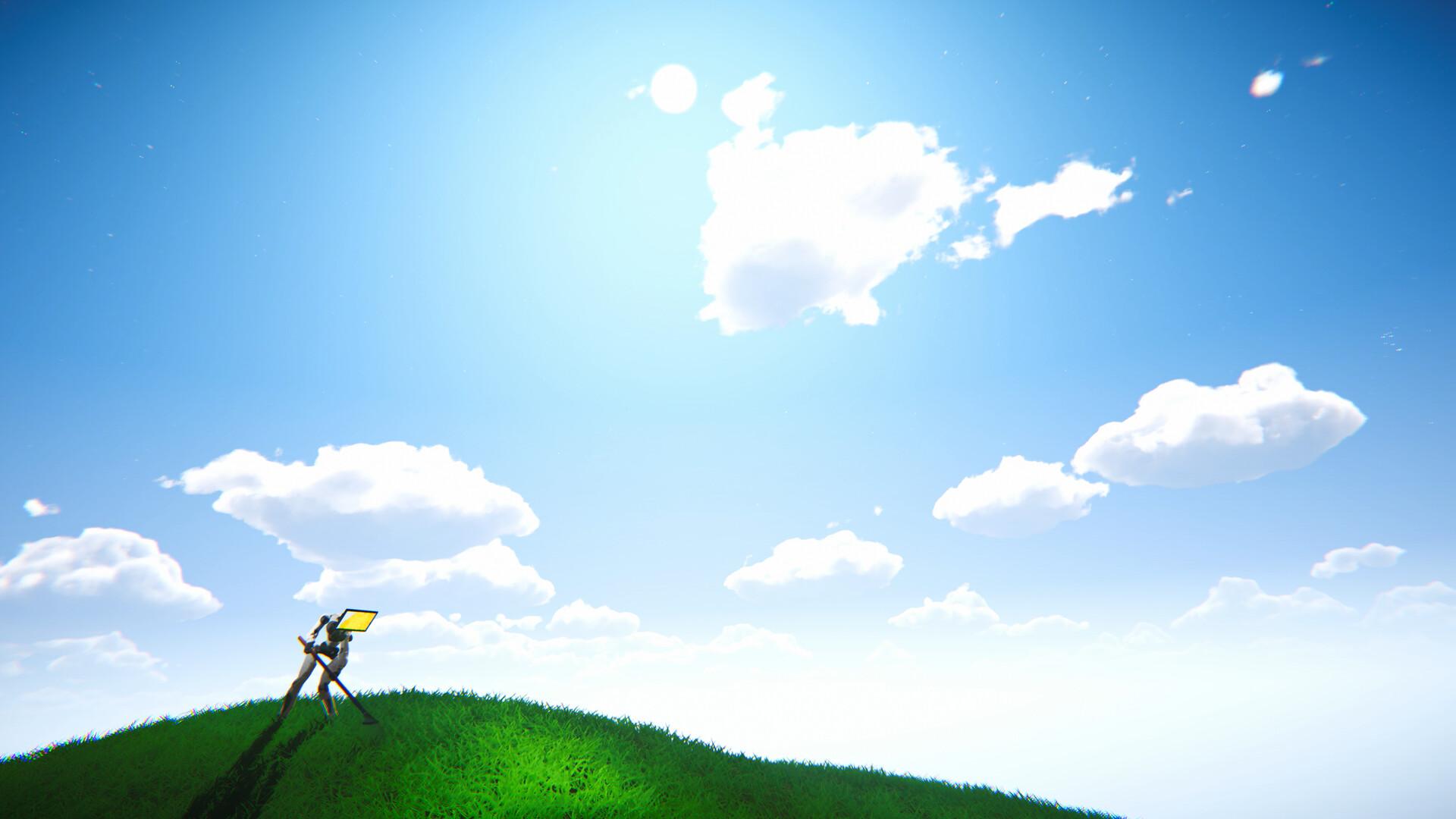
The outside world, where the player's physical body lives, functions as a counterpoint. Every update from that thread is a reminder of what the digital self is missing, or has been denied, depending on how you read the arrangement.
Innovation and unique features
Black Tabby Games publishing this matters for context. Their own game, Slay the Princess, built its reputation on using genre expectations against the player. Prove You're Human appears to be operating in similar territory, using the familiar corporate wellness aesthetic and the mundane structure of a work program to smuggle in something genuinely uncomfortable.
The split-protagonist structure is not new to fiction, but it is rare in games, and the specific framing here, where the "lesser" copy is the one the player inhabits, gives it a distinct angle that most identity-themed games avoid.
Prove You're Human is a narrative adventure game with a premise that earns its complexity without overselling it. The pedigree behind it, from a Peabody-winning developer and the publisher of Slay the Princess, suggests the writing will carry the weight the concept demands. The core loop of working through Mesa's defenses while watching your real life happen without you is a genuinely uncomfortable structure, and the final choice about re-merging or discarding the digital self gives the whole experience a conclusion that will likely hit differently depending on how you played. For fans of story-driven indie games that treat their ideas seriously, this one is worth watching.