

Sad Cat Studios' debut, Replaced, looks like a playable graphic novel. The hand-crafted 2.5D pixel art is genuinely hard to look away from. But Phoenix City will punish you the moment you stop paying attention to what's actually happening in the fight. This is a 13-to-15-hour game with missable quests, permanent upgrades locked behind side content, and combat that rewards reading visual cues over mashing buttons. Get ahead of all of it here.
Quick start overview
Before anything else, here's what you're working with at launch.
Pick your difficulty wisely
What difficulty should you pick in Replaced?
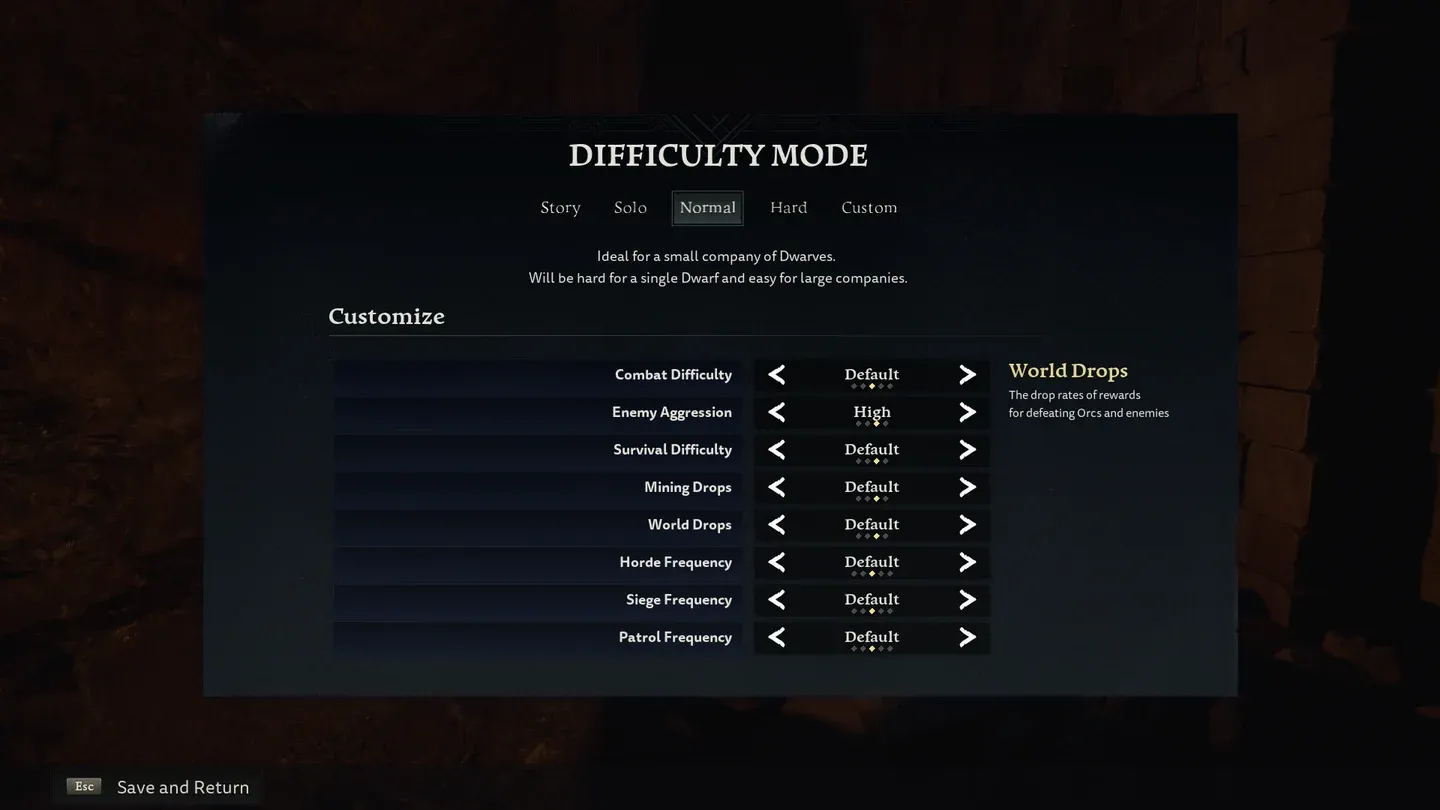
Your first real decision happens before the opening cutscene, and it matters more than it might seem. Here's what each setting actually changes:
- Easy: Damage taken is reduced substantially, enemies die faster, and every fight refills your entire Med-Stim supply. Works fine if you're here exclusively for the narrative.
- Normal: Balanced damage values across the board. You get 2 Med-Stims back after each encounter. Comfortable for most players, but anyone with action game experience will cruise through without much resistance.
- Hard: Damage spikes on both ends, certain enemies take considerably more hits to drop, and you only recover 1 Med-Stim per fight. Every scrap demands actual engagement with the mechanics.
Hard is the right call. It's not Soulslike punishment, but it forces you to actually use the dodge and counter system instead of ignoring it. On Normal, you can button-mash through most of the first half. On Hard, that stops working fast, and you'll be glad you built the right habits early.
How does combat work in Replaced?
Replaced's combat draws clear inspiration from the Rocksteady Batman Arkham games, adapted for a side-scrolling perspective. Speed matters less than recognition. Every enemy telegraphs their attack with a colored indicator above their head, and your response determines whether you take a hit or turn the situation around.
- Red lines above an enemy's head mean the incoming attack is unblockable. Hit the Dodge button (X on PlayStation, A on Xbox) immediately.
- Yellow lines signal a counterable attack. Press Counter (Triangle/Y) in the timing window to parry and follow up with a high-damage strike.
The early sections are forgiving enough that you can get away with ignoring these cues. Don't. Late-game encounters throw large groups at you simultaneously, and tracking multiple indicators while managing positioning becomes genuinely demanding. Build the muscle memory now, when the stakes are low.
How does the Huxley Gun system work?
The Huxley Gun is your primary tool throughout Replaced, but it doesn't function as a conventional firearm from the start. Early in the story, you complete a specific repair quest that unlocks its ranged capabilities. Before that point, it operates strictly as a melee baton.
Once repaired, the gun runs on an energy system that forces constant engagement with both ranges:
- Land melee hits on enemies to build energy.
- Dodge back to create distance, then fire ranged shots to spend that energy.
- Close the gap again to recharge through melee, and repeat.
The loop is straightforward, but it clicks in a satisfying way once you stop treating the gun as either a melee weapon or a ranged weapon and start treating it as both at the same time. Don't save your shots. Fire them when you have the energy, thin the crowd, then dive back in. Hoarding charges wastes the system entirely.
Why are side quests mandatory in Replaced?
This is the single most important thing to understand before you start: side quests in Replaced are not optional content. They are your primary source of permanent character upgrades. Skipping them doesn't just mean missing story flavor, it means entering the back half of the game underpowered.
Rewards from side quests include permanent Max HP increases, Med-Stim capacity upgrades, and weapon improvements. A concrete early example: a quest given by a man named David, who asks you to find a pair of binoculars, rewards a Genetic Profile 2 enhancement that permanently raises your Max HP. That health increase is noticeable in tougher encounters.
The catch is that Replaced uses a chapter-based structure. Certain quests become permanently unavailable once you advance the story past a specific point. There's no warning when this happens.
For players who want a deeper look at specific quest walkthroughs and upgrade locations, browse more guides on GAMES.GG for additional Replaced coverage as it becomes available.
Exploration is not a bonus activity
The same logic applies to exploration. Phoenix City's environments aren't just set dressing. Off-path routes, breakable walls, and platforming detours regularly hide Med-Stim upgrades, weapon parts, and health boosts that won't appear anywhere on the main route.
Some of these items sit behind environmental puzzles. Others require completing the side quests mentioned above. The overlap between exploration and questing is intentional: doing both thoroughly is what keeps you geared up for the difficulty spikes that hit in the second half.
If you stick to the critical path and skip the side content, you will reach those later encounters underequipped. The game doesn't scale down to meet you.
How do you survive chase sequences in Replaced?
Chase sequences are the most unforgiving sections in the game. A single mistimed jump restarts the entire sequence from the beginning, no checkpoints mid-chase.
Two adjustments fix most of the deaths players encounter here:
- Hold the jump button rather than tapping it. Holding gives you maximum height and distance, which you need to clear most obstacles cleanly.
- Jump earlier than feels natural. Waiting until you're right at the edge of an obstacle causes the physics to clip you into it, which counts as a fall. Committing to the jump a beat sooner than your instincts suggest consistently clears the gap.
These aren't complex adjustments, but they're easy to overlook when something is actively chasing you down the screen.
Movement is your actual defense
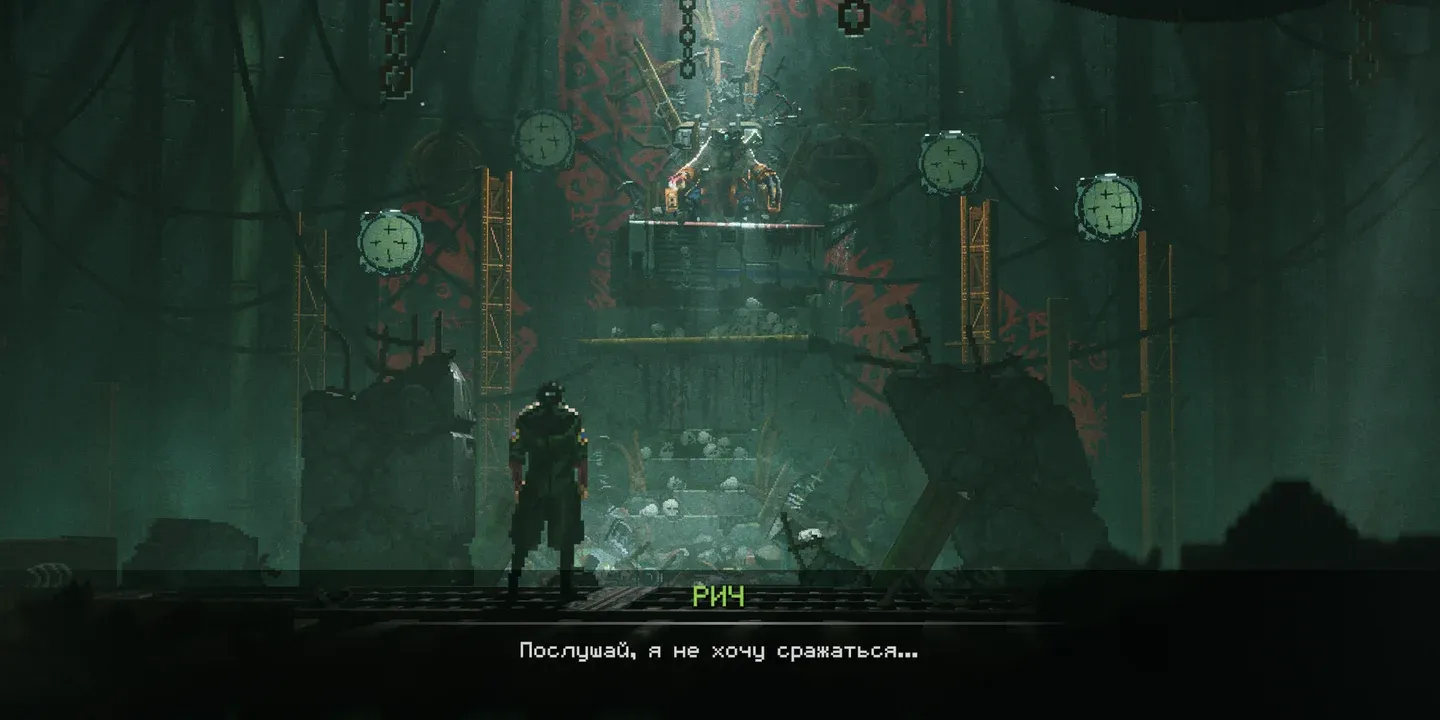
Standing still in Replaced's combat arenas is a fast way to get surrounded. The dodge mechanic covers ground quickly, passes through enemies, and grants a brief window of invulnerability. Chaining multiple dodges in a row lets you cross the entire arena and reposition behind a group.
The effective combat loop looks like this: dodge to evade incoming attacks and create distance, unload ranged shots from the Huxley Gun, roll back toward the group, land melee hits to rebuild energy, counter any yellow-indicator attacks, and repeat. It sounds repetitive written out, but it flows naturally once the muscle memory is there.
The key takeaway is that dodging isn't just defensive. It's also your primary movement tool and your setup for ranged attacks. Use it constantly, not just when an indicator appears.
Dodge through crowds, not away
Final tips before you start
A few things worth keeping in mind as you head into Phoenix City for the first time:
- The Huxley Gun starts as a pure melee weapon. Don't expect ranged attacks until you complete the early repair quest.
- David's binoculars quest is one of the first side quests you'll encounter. Do it immediately. The Max HP reward from the Genetic Profile 2 enhancement pays off throughout the entire game.
- Scan every glowing white orb you see. The lore entries add context that cutscenes alone don't provide, and the habit of stopping to interact with objects also helps you spot hidden paths.
- On chase sequences, hold the jump button and commit early. Two adjustments, zero deaths.
Replaced rewards players who engage with all of its systems together. The combat, the exploration, the side quests, and the movement all feed into each other. Treat any one of them as optional and the second half becomes noticeably harder than it needs to be.