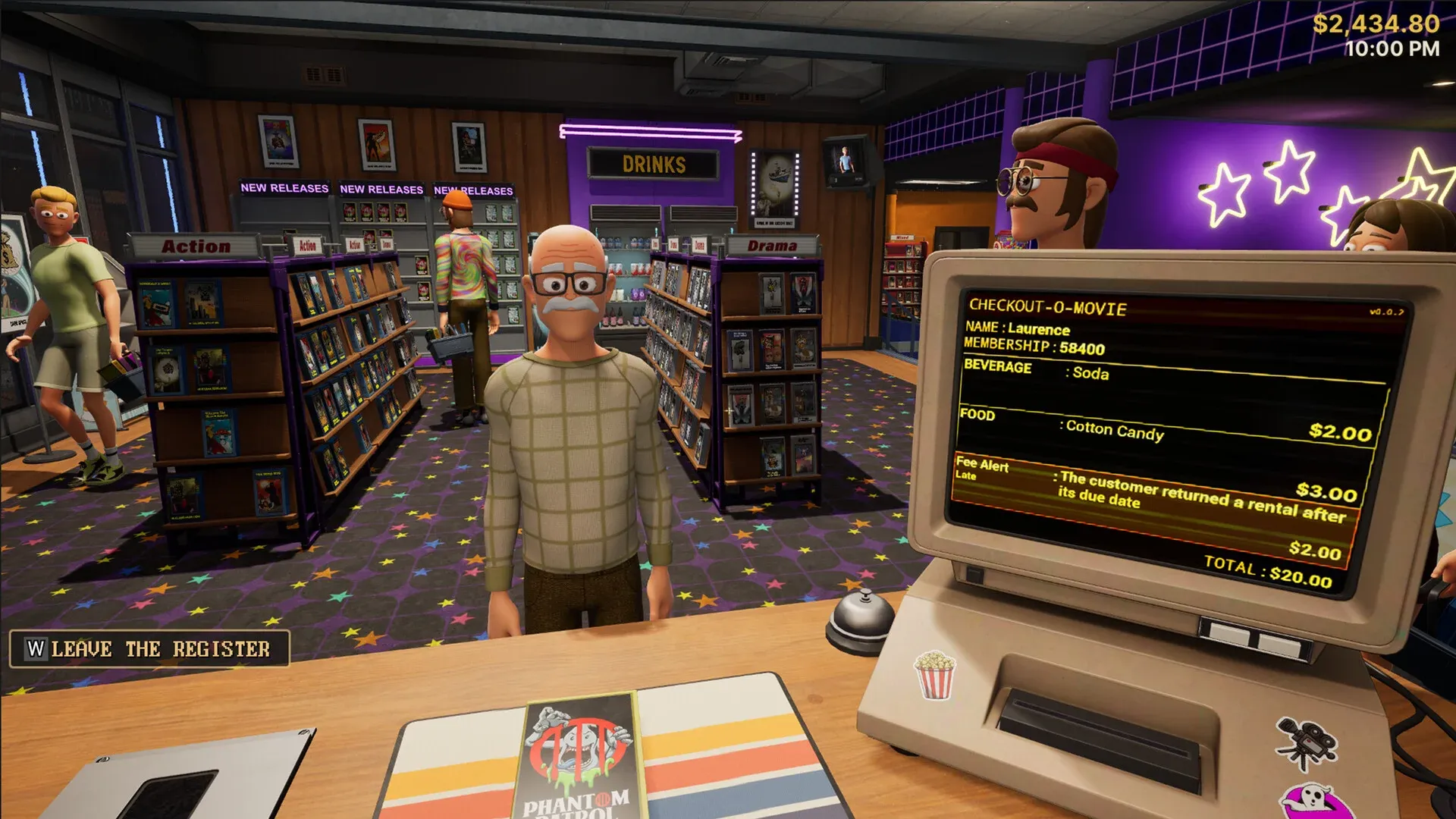


Running a video store in the early 90s sounds relaxing until your employee falls asleep mid-shift, a customer throws a tape on the floor, and your shelves turn into a genre disaster all on the same Tuesday. Retro Rewind - Video Store Simulator from Blood Pact Studios has a surprising amount of depth underneath its laid-back exterior, and knowing which systems actually matter separates a store stuck at $250 a day from one running like a well-oiled rental machine.
Getting started: what to do on day one
The first day sets the tone for everything that follows. Keep your shelves clean with enough empty space to handle returns without chaos. Hand out flyers early while foot traffic is naturally higher, because new customers from flyers tend to rent just one tape each visit. Loyal repeat customers, by contrast, will grab 3 to 4 tapes per visit, so building that base matters more long-term.
Avoid loading up on niche stock before you know which genres are actually moving. Designate a clear area near the counter for incoming returns so nothing gets buried during a rush. Answer phone calls when you are near the counter since they generate immediate tasks that can pile up if ignored.
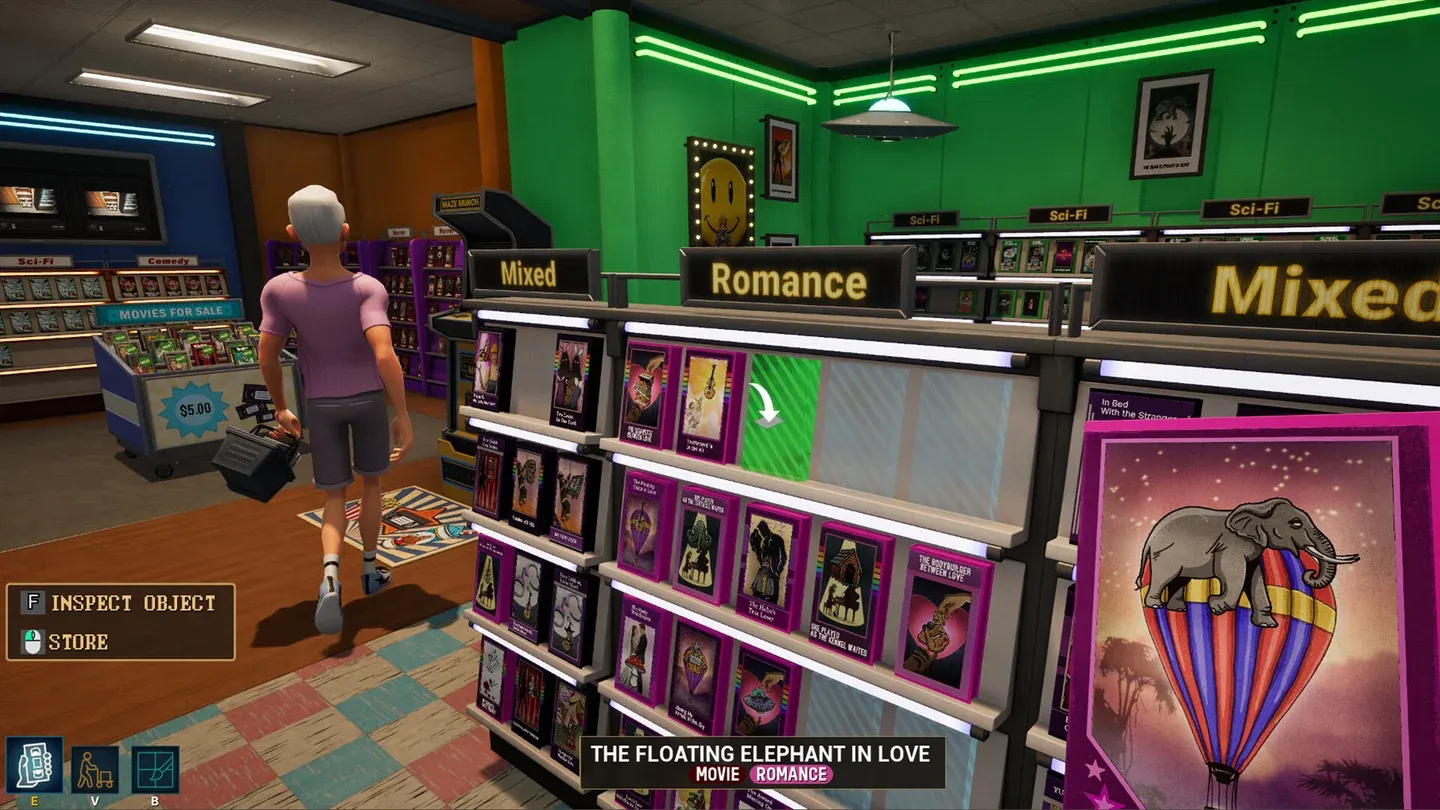
Keep returns area clear daily
End each day by re-sorting high-demand genres first so morning customers find what they want immediately. Refill concession and machine stations before closing, not during a rush. Check what actually rented that day and plan your restock around real data rather than guesses.
How does the computer system work?
The in-store computer is your primary ordering and management tool. Each tab serves a distinct purpose:
- New: Time-sensitive releases with limited launch windows.
- Market: General inventory purchasing for regular stock fills.
- Data: Direct title lookup for precise ordering by SKU.
- Black Market: Opportunistic stock from the shady Tape Dealer, useful for filling gaps and adding variety.
Manual SKU ordering is worth learning for specific situations: replacing a broken or missing tape without waiting for market rotation, filling a genre lane before a seasonal demand spike, or cleaning up shelf placement after a chaotic rush hour.
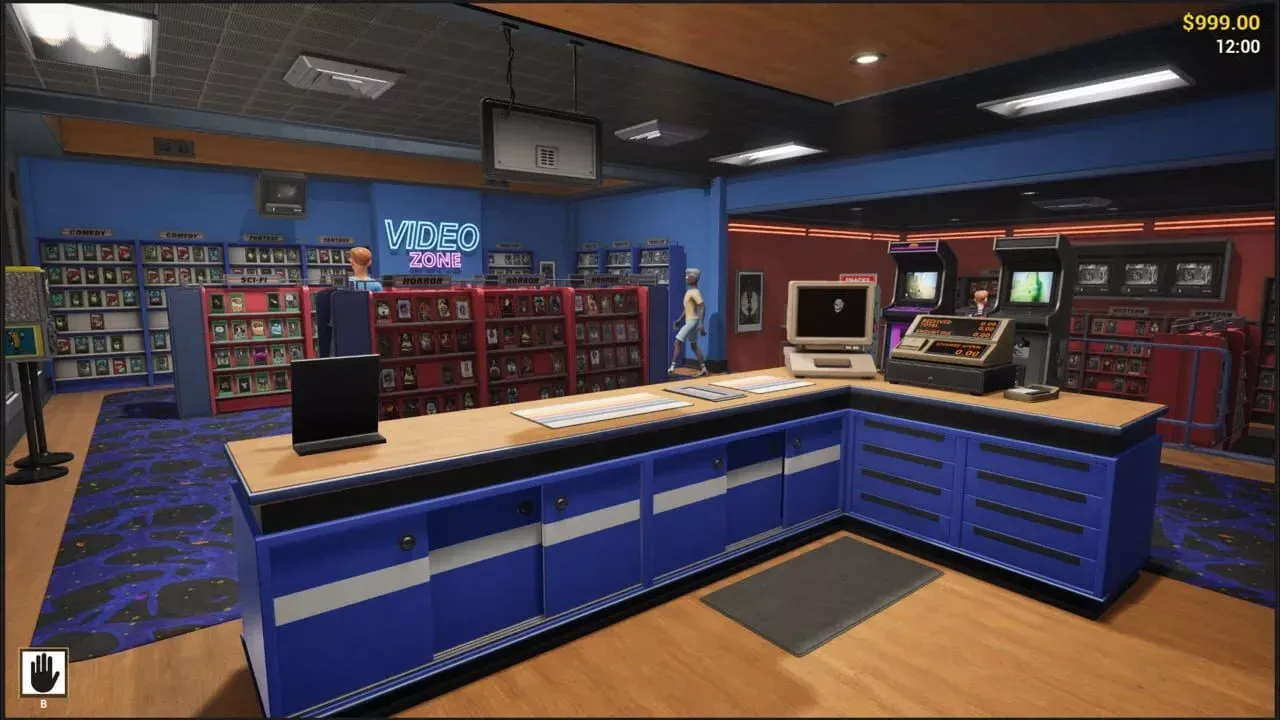
Computer tabs control all ordering
What is the best expansion order for the catalog?
Buying upgrades in the wrong order is the fastest way to waste early profits. Capacity, customer comfort, and service speed need to grow together. Prioritize shelves first since they directly increase how much stock you can hold and keep genre routing clean. Add decorations steadily alongside shelf expansion because decorations drive the store's Appeal rating, which is what actually brings more customers through the door.
Unlock one new service stream at a time and confirm it pays for itself before moving to the next. If your store layout starts feeling chaotic, pause all expansion and fix the routing before spending more.
How do you break the $300/day income plateau?
Many players hit a wall around rank 10 where daily income stops climbing. The fix is not buying more shelves. Here is what actually moves the needle:
- Decorations drive appeal. Without them, extra floor space does nothing for foot traffic.
- Arcade machines generate passive income. Two machines can produce close to $100 per day without any active effort.
- Flyer customers vs. loyal customers behave differently. Flyer-driven new customers rent one tape. Existing loyal customers rent 3 to 4 tapes per visit. Focus on converting new visitors into regulars.
- Holo and Limited Edition tapes rent for $1 more than standard copies (for example, $8 instead of $7) and sell for significantly more in the Clearance Bin at 50% of their boosted market value.
- Movies tagged as "Old" have their rental fee permanently reduced by $0.50, so factor that into pricing expectations when ordering older stock.
One counterintuitive data point: customers actively seek out films with bad critic scores, especially in Horror and Adult genres. Do not filter your inventory based on review scores. Stock everything.
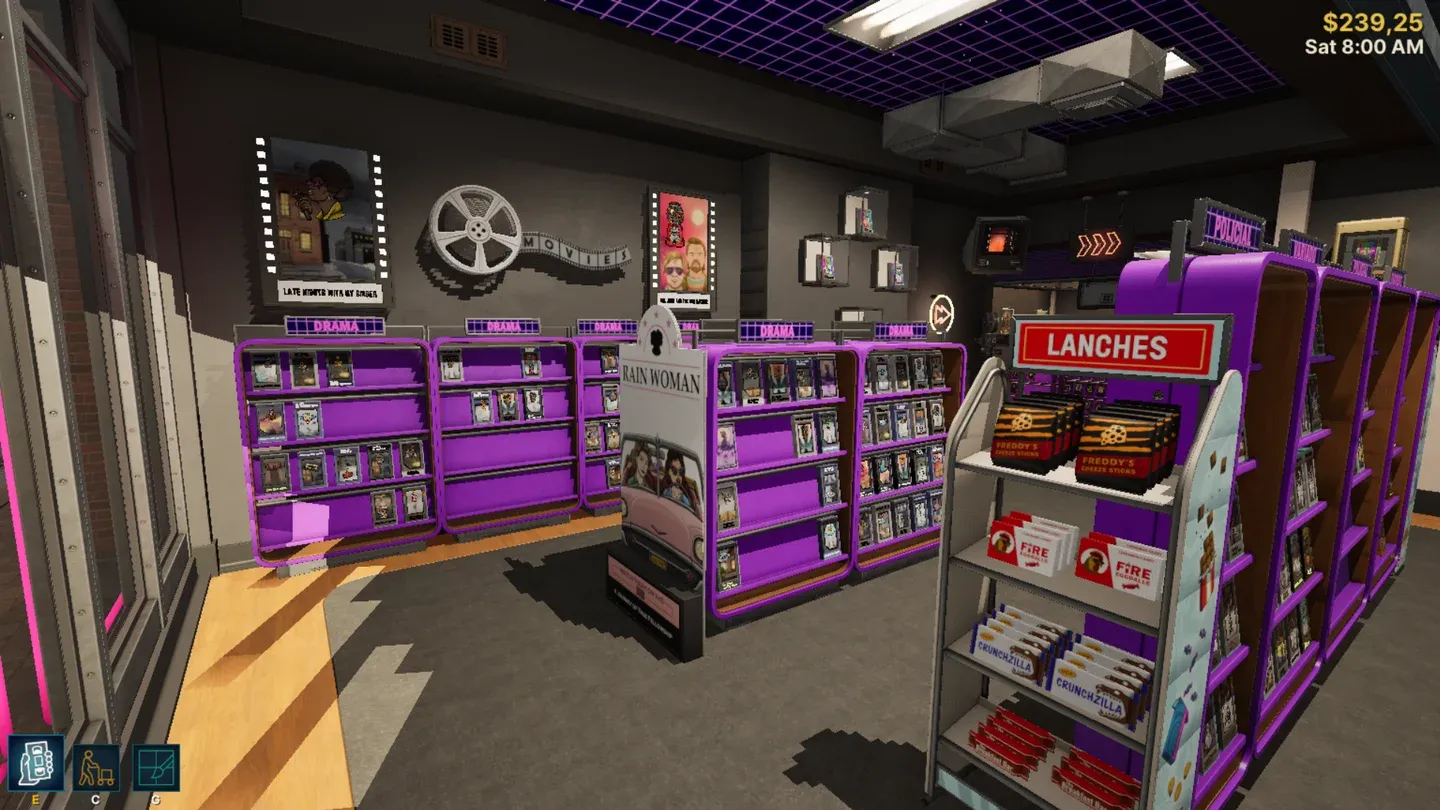
Arcade machines earn passive daily income
How to hire and manage employees effectively
Staff management is where most players lose the most time. The single most important habit is checking employee traits before hiring rather than grabbing whoever shows up.
Which traits actually matter?
- Loyal: The best trait available. Zero chance of quitting and will never request a raise.
- Strong Immune System: Rarely or never requests sick days.
- Thick Skinned: You can push them to work faster repeatedly without complaints or quitting.
- Complaint Handler: Essential for checkout staff dealing with angry customers and late fee disputes.
If an applicant lacks Loyal or Strong Immune System, the safer move is to fire them and wait for a better candidate. Denying a sick day or raise from an employee without these traits frequently results in them quitting on the spot.
Why do employees mess up my shelf organization?
Employees do try to match genres to labeled shelves. The problem is that when the correct genre shelf is full, they place the tape in any available empty spot, creating a Mixed shelf. The fix is keeping enough shelf space per genre so there is always a correct home for returns. Mixed shelves do not hurt sales (customers will still find and rent tapes regardless), but they slow down your ability to fulfill manual requests quickly.
What bugs should you know about?
A few known issues are worth understanding before they ruin a session:
Frozen employees: Employees can randomly stop working and ignore reassignment. Resetting their job in the staff book rarely fixes it. The only reliable solution is to save the game and restart.
New Releases never returning: If rented New Releases never come back, you are likely playing on a broken Demo save file. Blood Pact Studios recommends uninstalling the demo entirely and starting a fresh game. Continuing on a bugged save makes the problem permanent.
Sleeping staff: Employees occasionally fall asleep standing up. You must empty your hands (drop any tapes you are holding) before you can interact with them to wake them up.
Stuck reservations: If a customer leaves angry over a late fee, their reserved tape can get permanently locked with the Reserved tag. The cleanest fix is waiting for a customer to request a recommendation in that genre, then handing them the stuck tape. When it comes back, the reservation clears. If that takes too long, put the tape in the bargain bin to sell it and reorder a fresh copy using its SKU code.
Hidden mechanics and store quirks worth knowing
The Display Case trap: Do not store Holographic tapes in the decorative Display Case. Customers can currently rent directly from display cases and may damage the tapes. Keep valuable Holo tapes in the back room or on a table out of customer reach until this is patched.
The hidden Holo achievement: Place 4 Holographic tapes into a Movie Display (found in the Decorations tab) to unlock a hidden achievement.
Free tape on the ground: If you save and quit while a customer is in the middle of returning a video, the NPC despawns but the tape drops at your spawn point when you reload. It is free inventory.
Seasonal stock planning matters: Horror demand spikes during spooky periods, so pre-fill before those windows. Sci-Fi benefits from deeper variety to avoid fast stockouts. Drama holds a stable baseline between spikes. Christmas stock needs to be bought early with backup copies before peak days hit.
Building a store that actually scales
The stores that hit consistent high daily profits share a few habits: they prioritize decorations alongside shelves, they hire only employees with strong traits, they use arcade machines for passive income, and they treat seasonal demand as a planning calendar rather than a surprise.
The daily workflow loop (returns, restocking based on yesterday's data, refilling stations before close) sounds simple but it is what separates stores that plateau from ones that keep growing. Stick to it even during expansion phases.
For more strategies and system-specific breakdowns, the full Retro Rewind - Video Store Simulator guides collection covers everything from SKU ordering to advanced store layouts. If you enjoy this style of management sim, the broader casual games library has plenty of similar experiences worth exploring.