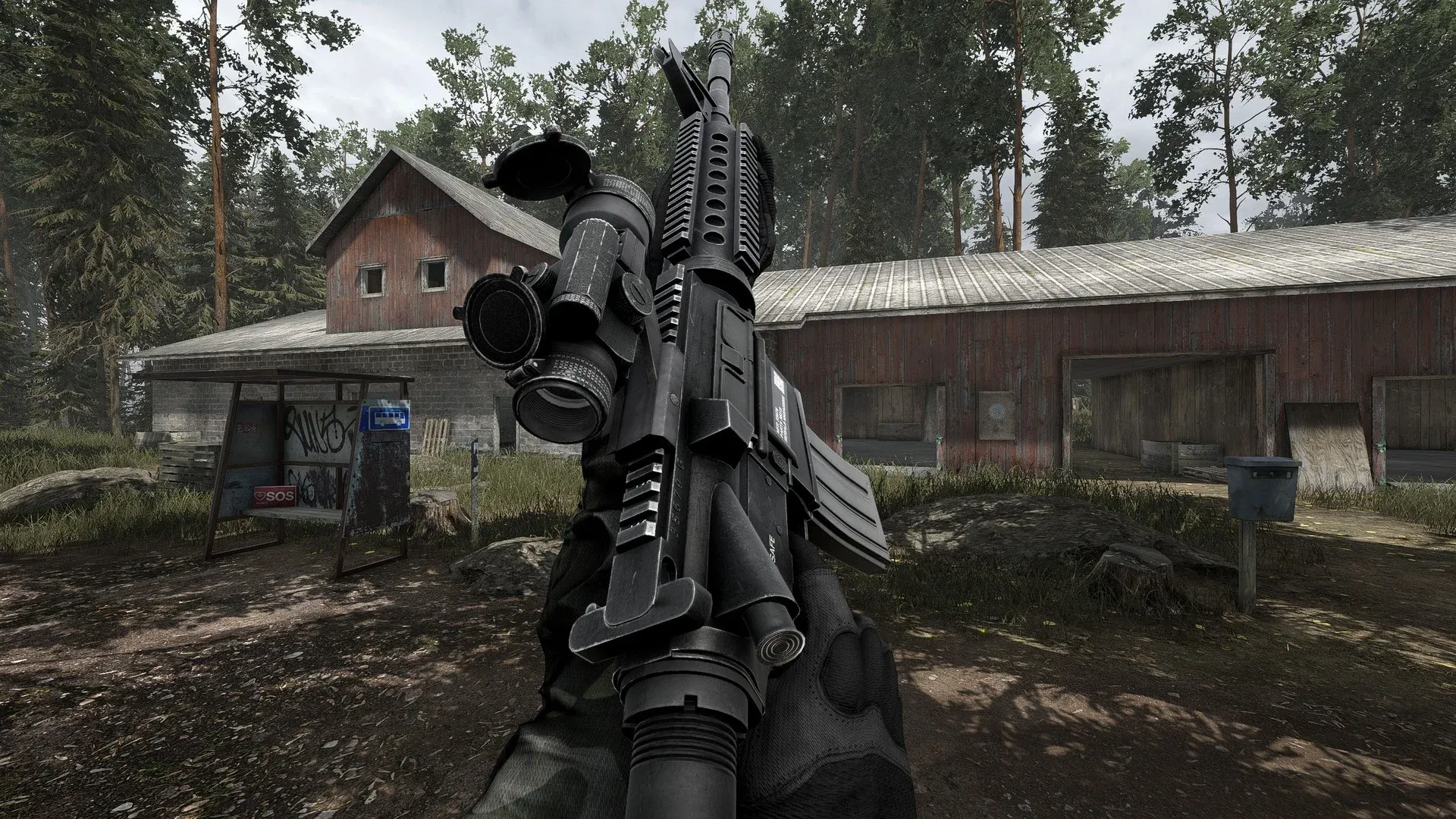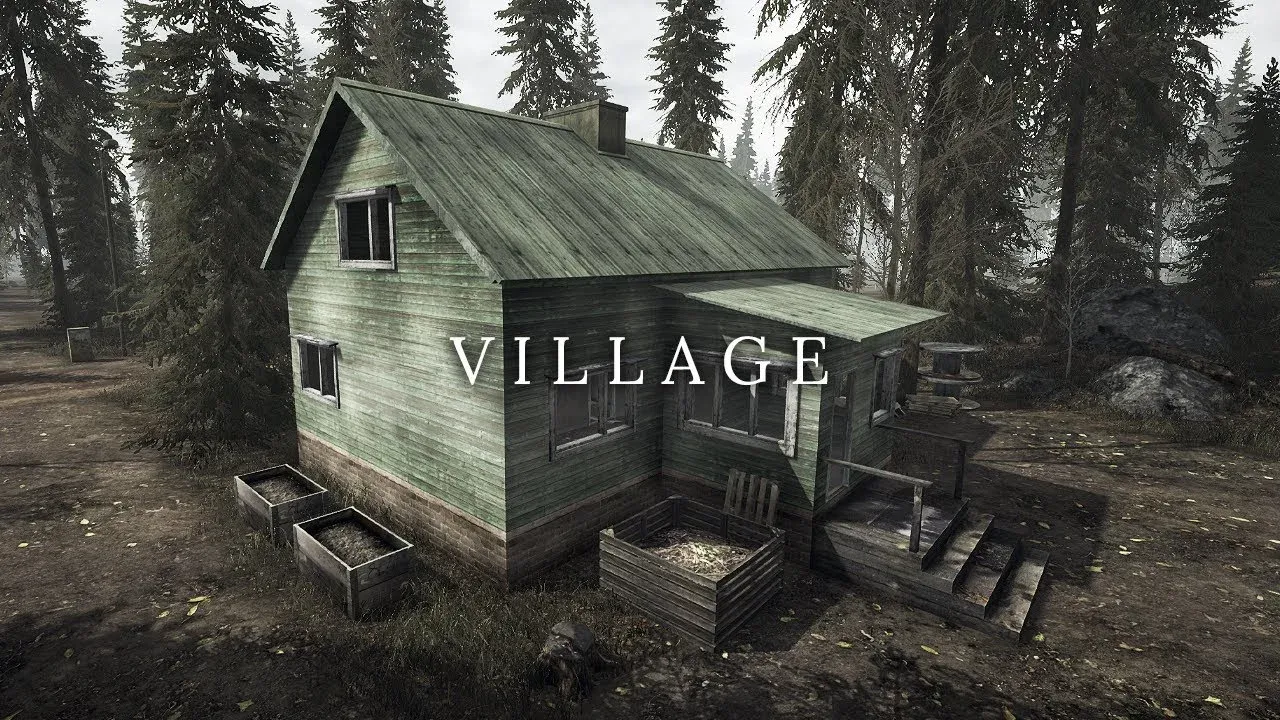

Road to Vostok's crafting system is not optional. It is the difference between surviving your third border run and losing 50 hours of progress to a sepsis infection because you ran out of antibiotics. The game, built by Finnish solo developer Antti and launched into Steam Early Access on April 7, 2026, treats every scrap of metal and chemical bottle as a resource that can save your life, or cost you everything if mismanaged. This guide breaks down every workbench, every critical recipe, and exactly where to find the materials you need.
How does the Road to Vostok crafting system actually work?
Crafting in Road to Vostok is shelter-bound. You cannot combine materials while scavenging a village or hiding behind cover mid-firefight. Everything happens back at your underground bunker, which means every run you take is also a materials run. The loop is straightforward: loot raw materials from the border zone, deposit them into your shelter stash, upgrade specific workstations, then craft the items you need before heading back out.
The shelter houses three distinct workstations, each covering a different survival need. Upgrading the wrong one first is a mistake that will cost you multiple deaths before you correct it.
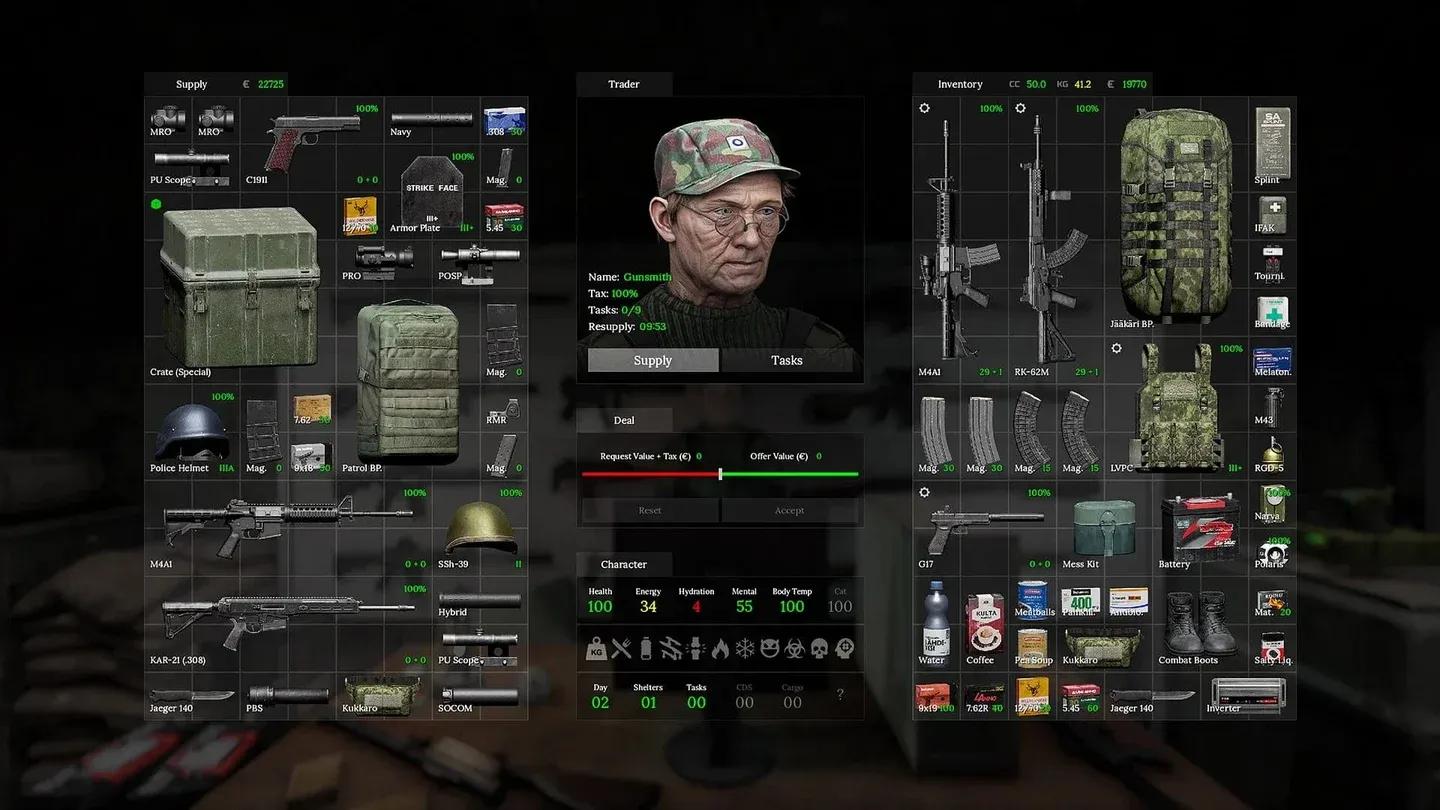
Shelter workbench upgrade tiers

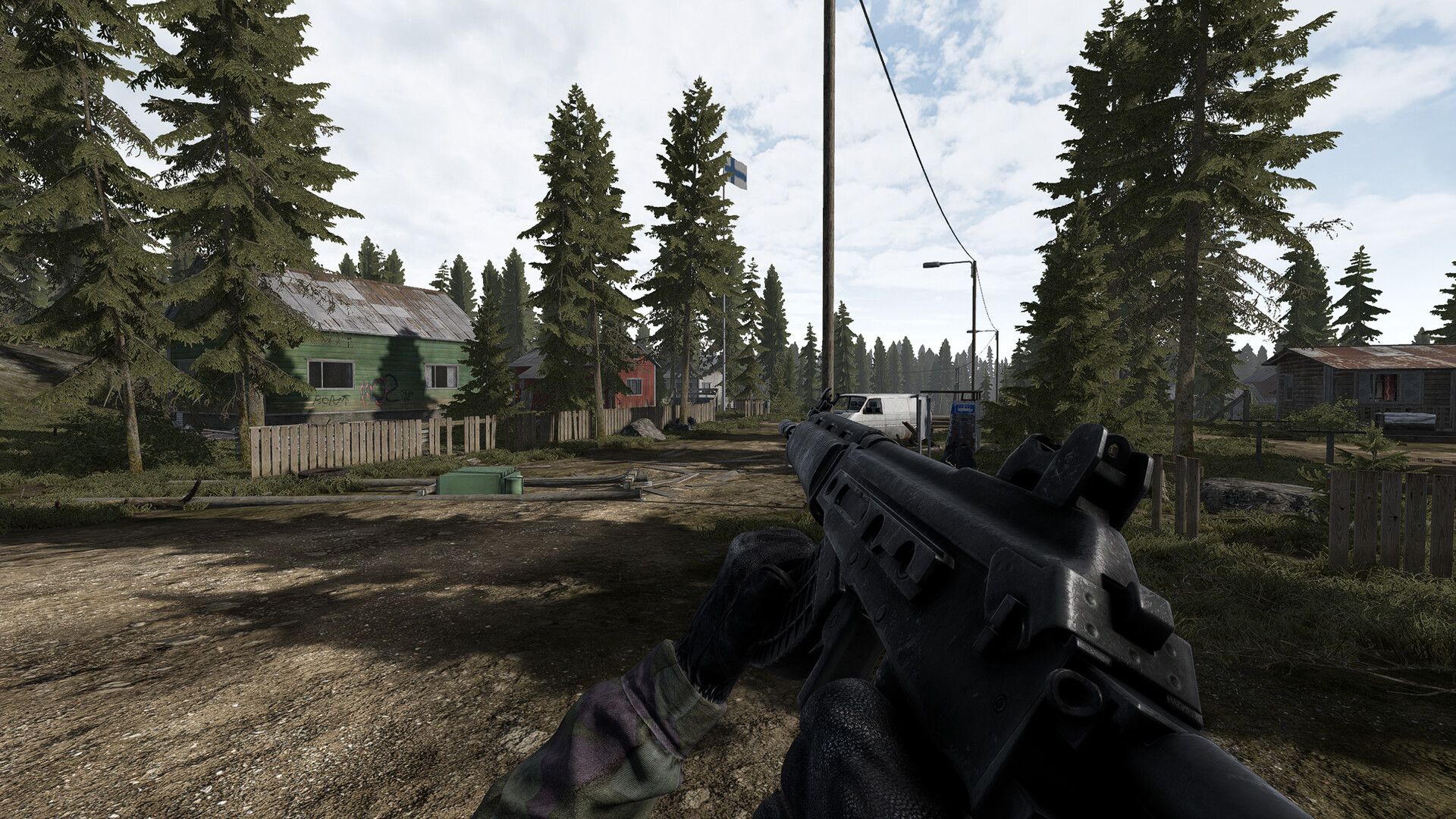
The three core workstations
Each workstation unlocks a different category of crafting recipes as you upgrade it:
- Medical Station: Converts scavenged chemicals, plant materials, and fabrics into tourniquets, painkillers, and infection treatments. The highest-tier recipes here are the ones that prevent permadeath from status effects.
- Gunsmith Bench: Handles weapon maintenance, cleaning kits, and fabrication of suppressors or optics from raw mechanical components. Weapon condition degrades in real-time with every shot fired, per the Early Access changelog (build 0.1.0.0), so this bench is not a luxury.
- Reloading Press: Breaks down civilian ammunition and presses it into military-grade calibers. At Level 2, you can start pressing armor-piercing rounds from empty brass, gunpowder, and lead scrap.
What are the essential medical recipes to prioritize?
The medical loot pool is actively contested by AI scavengers, which means relying on found items alone is a losing strategy. Crafting your own medical supplies is mandatory for consistent survival. The table below covers every critical recipe you need to master.
| Medical Item | Workstation Level | Required Materials | Function |
|---|---|---|---|
| Sterile Bandage | Level 1 | 2x Dirty Rags, 1x Purified Water | Stops light bleeding from grazes or barbed wire |
| CAT Tourniquet | Level 1 | 1x Nylon Strap, 1x Plastic Scrap | Halts heavy arterial bleeding instantly |
| IFAK Medkit | Level 2 | 2x Sterile Bandages, 1x Painkiller, 1x Syringe | Restores major health pool damage after firefights |
| Antibiotics | Level 3 | 2x Unknown Chemicals, 1x Medical Tubing | Cures sepsis and infections from contaminated water |
| Morphine Injector | Level 3 | 3x Unknown Chemicals, 1x Glass Vial | Lets you sprint on broken legs to escape the permadeath zone |
The Morphine Injector is worth noting specifically. A broken leg in the permadeath zone is a death sentence without it. Prioritizing your Medical Station to Level 3 before crossing the border is not just smart, it is the only way to have a recovery option when things go wrong at the worst possible moment.
Medical station recipe list
How do weapon maintenance and ammo crafting work?
The Early Access changelog for build 0.1.0.0 confirmed that firing weapons reduces their condition over time, and low condition causes malfunctions. The Gunsmith Bench at Level 1 lets you craft Weapon Cleaning Kits to keep your firearms functional. Each kit requires:
- 1x Gun Oil
- 2x Scrap Metal
- 1x Rag
Durability dropping below 60% triggers frequent jams. Cleaning your weapon before every border crossing is not optional. A jammed M4A1 at the wrong moment ends runs that had no business ending.
Ammunition pressing
Military-grade ammunition like 5.56x45mm M855A1 and 7.62x54mmR SNB almost never appears as loot. You press it yourself at a Level 2 Reloading Press. The process requires empty brass casings, gunpowder, and lead scrap. Picking up every loose civilian bullet and empty magazine you find, then dismantling them at the shelter, is the most efficient way to build a stock of raw ballistic materials.
Note that pressing armor-piercing rounds also requires finding specific ammunition blueprints at military checkpoints in the border zone first. The Reloading Press will not show those recipes until you have the blueprint in hand.
| Ammunition | Target Armor Tier | Materials Per 30 Rounds |
|---|---|---|
| 9x19mm PST | Unarmored / Tier 1 | 30x 9mm Casings, 1x Gunpowder, 1x Lead Scrap |
| 5.45x39mm BP | Tier 3 / Tier 4 | 30x 5.45 Casings, 2x Gunpowder, 2x Lead Scrap |
| 5.56x45mm M855A1 | Tier 4 / Tier 5 | 30x 5.56 Casings, 3x Gunpowder, 2x Lead Scrap |

Reloading press ammo crafting
Where do you find the rarest crafting materials?
Knowing the recipes is half the work. The other half is knowing where the materials actually spawn. Road to Vostok uses logic-based loot placement, meaning items appear where they would realistically exist in an abandoned border zone.
- Unknown Chemicals and Syringes: Skip residential buildings entirely. Head to the abandoned medical tents near military checkpoints, or check the trunks of crashed ambulances. These are the only reliable spawns for antibiotic ingredients.
- Scrap Metal and Tools: Industrial zones, garages, and outbuildings around the radar station. Wrenches, duct tape, and scrap metal concentrate in these areas.
- Gunpowder and Brass Casings: Loot the bodies of elite AI military patrols and clear locked armories. These are your primary sources for raw ballistic materials.
The Road to Vostok community wiki and survival database tracks loot spawns across Early Access builds as new maps and items are added, which is worth bookmarking since the crafting system expands with each patch.
Which workbench should you upgrade first?
The Medical Station wins, and it is not particularly close. The first two levels cover bleeding and tourniquet crafting, which are the most common causes of death early on. Infections from contaminated water are a slower killer, but Level 3 antibiotics are what you eventually need before the permadeath zone becomes a regular destination.
The Gunsmith Bench is your second priority. Weapon jams in the border zone are lethal, and Weapon Cleaning Kits are cheap to make once you have the bench running. The Reloading Press comes last because civilian ammo is plentiful enough in early zones to sustain you while you build the other two stations.
For a deeper breakdown of recipes, material costs, and progression steps across all workstations, the complete Road to Vostok crafting guide at xmodhub covers the full system in detail.
New recipes added in Early Access build 0.1.0.0
The Early Access launch changelog confirmed several new craftable items beyond the core medical and weapon categories. Food and drink recipes are now part of the system, covering Brewed Coffee, Cooked Pea Soup, Cooked Tomato Soup, Cooked Fish Soup, Cooked Meatballs, and Kompot, among others. The Improvised Bandage, Improvised Tourniquet, and Improvised Splint were also added as lower-resource alternatives to the standard medical crafting tree.
The KAR-21 Upgrade recipe is another notable addition, allowing weapon modification through crafting rather than purely through trader purchases. A Cooking Station furniture item can also be built from materials, expanding your shelter's food preparation options.
For the full picture of what has changed and what is planned, browse more guides and patch coverage as the game continues through Early Access development.