
Road to Vostok does not hide the fact that it is a hard game. Permadeath is right there in the description. But the mechanic that generates the most debate on the Steam forums is not the gunplay or the map design — it is hunger and thirst. Some players find the drain rate manageable; others dedicate 10 or more inventory slots just to stay fed. Here is what the community has actually documented, and how to handle it without letting food management eat your entire session.
How does hunger work in Road to Vostok?
Hunger and thirst are active survival stats that drain continuously as you play. The drain is noticeable — faster than games like HumanitZ, for comparison — but food and drink are plentiful enough that actually dying from starvation is rare for players who loot consistently.
The bigger issue is that many food and drink items only restore 10 or 20 hunger or thirst points each. That low per-item restoration means you burn through supplies quickly and need a lot of them on hand at any given time.
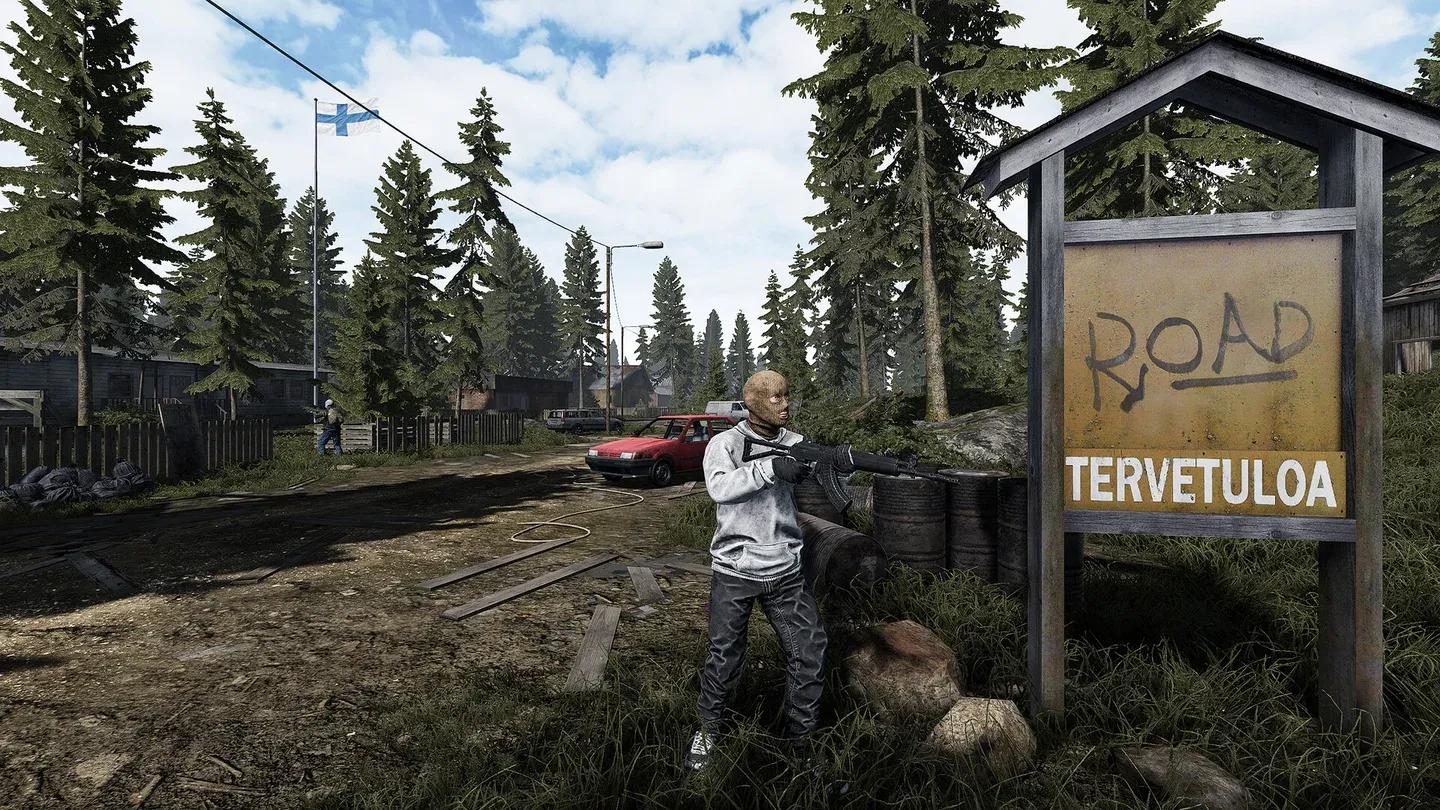
Food slots fill fast in Vostok

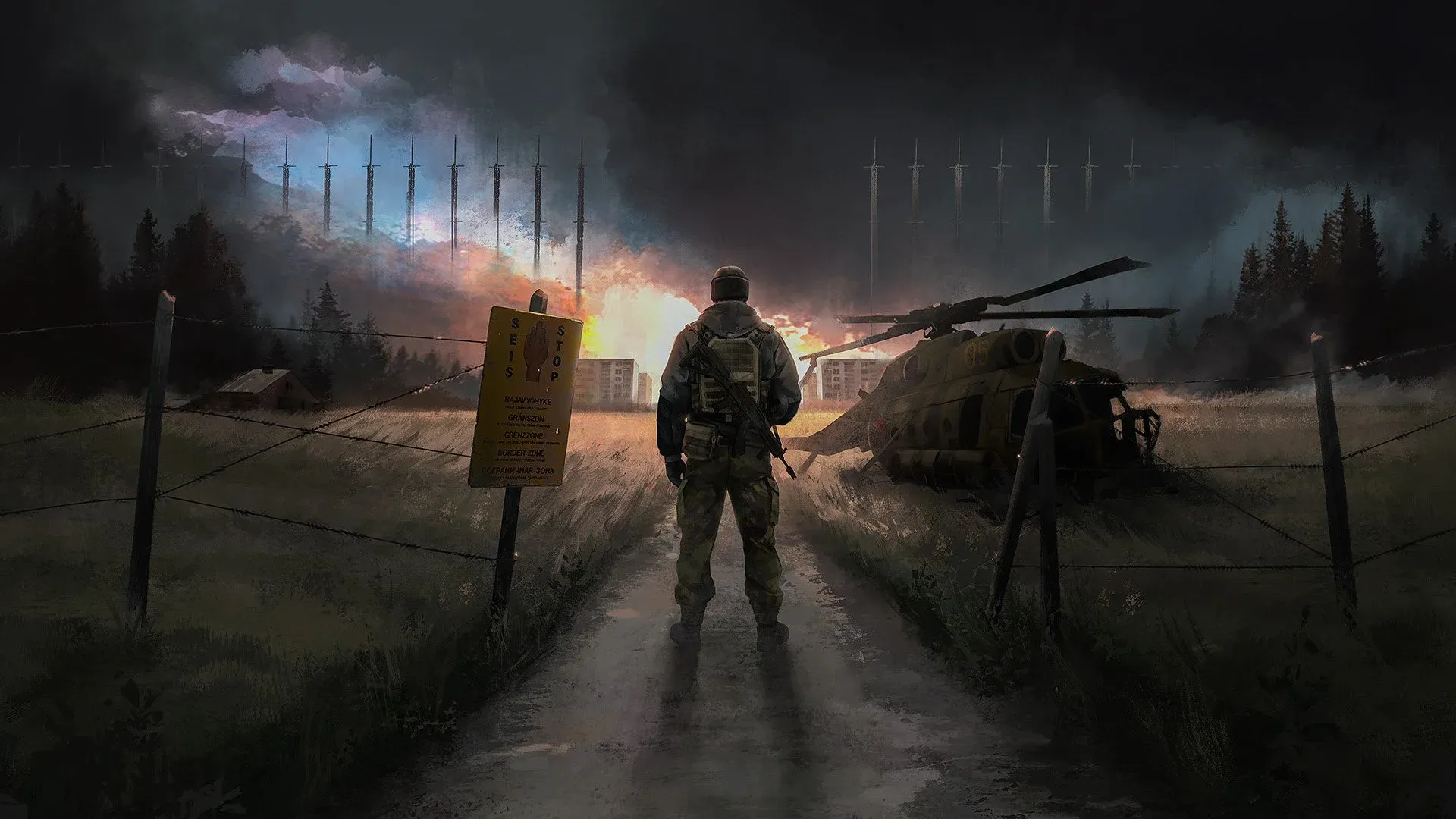
How fast do hunger and thirst drain?
Players who have spent significant time in the game report eating and drinking roughly twice per in-game day under normal conditions. The complication is travel: moving between maps advances the in-game clock by several hours, so a round trip to a new zone effectively costs you one or two meals worth of supplies each way. Plan your food loadout around the trip, not just the time you spend looting.
How much inventory space should you dedicate to food?
The community recommendation is a minimum of 10 inventory slots reserved for food and drink. That sounds like a lot, and it is — especially early in a run when your inventory is already stretched thin between weapons, ammo, and medical supplies.
The early game is the hardest phase for this reason. Before you have built up a surplus of high-value food items (those that restore larger amounts per use), you are mostly scraping by on low-gain items that each only move the needle a small amount. Once you establish a reliable loot route and stockpile higher-restoration food, the pressure drops significantly.
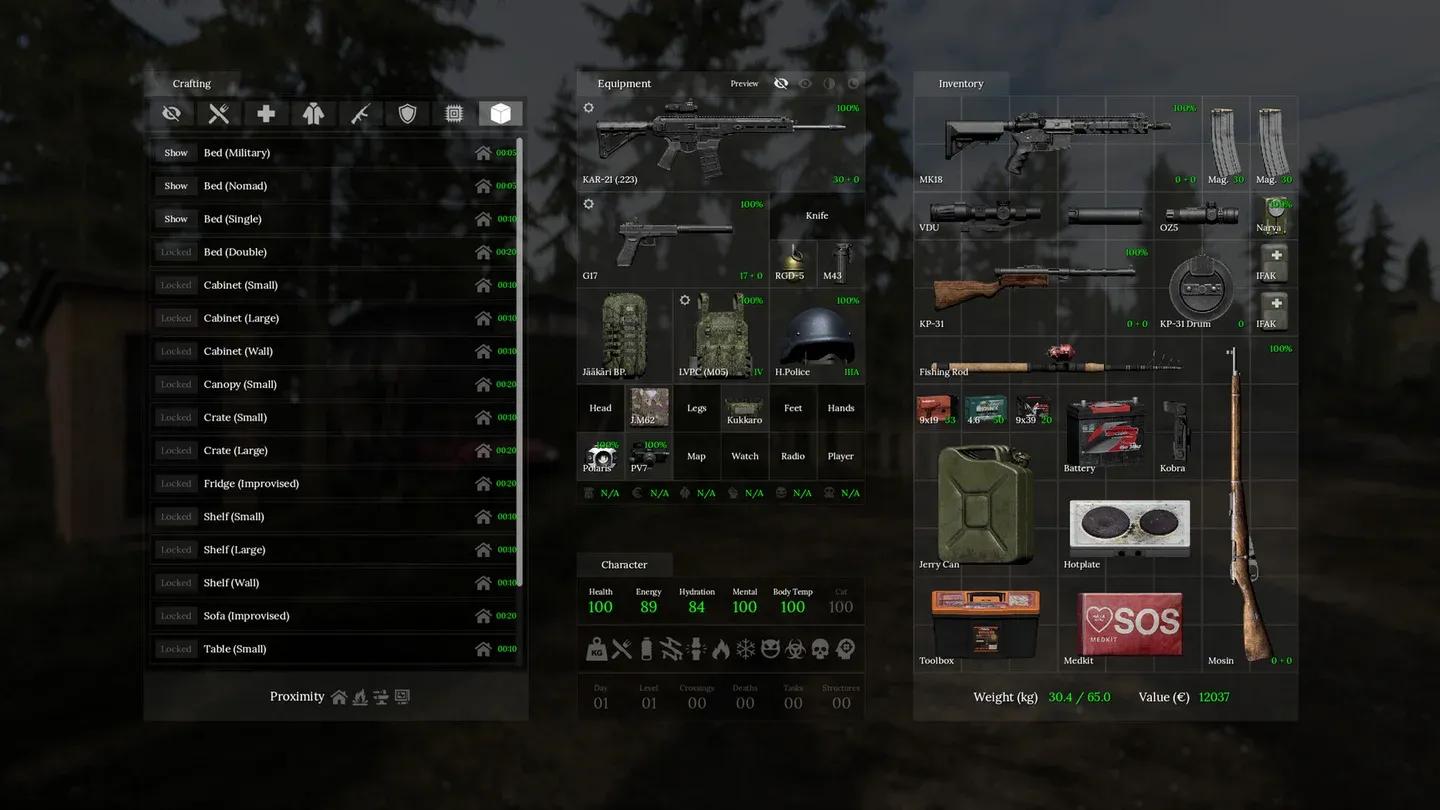
Reserve space for supplies
Is the hunger rate adjustable?
Yes. A community-made mod exists that lets you tune the drain rate in-game through a menu. The default rate is set to 1.0, and the mod allows you to dial it down as far as 0.01 if you want to effectively remove food as a concern. The mod includes an in-game slider that makes adjustments easy without editing any files manually.
The trade-off worth knowing: because the game's food spawns are balanced around the default drain rate, slowing hunger significantly means you will find more food than you can ever use. That surplus removes almost all tension from the mechanic entirely, so find a value that keeps food relevant without making it a constant chore.
| Drain Rate Setting | Effect | Food Surplus Impact |
|---|---|---|
| 1.0 (default) | Fast drain, eat/drink ~twice per day | Balanced with spawn rates |
| 0.5 (halved) | Moderate drain, more breathing room | Mild surplus |
| 0.1 or lower | Near-negligible drain | Large surplus, mechanic loses tension |
What's the best strategy for managing food on longer runs?
After testing the mechanic across multiple sessions, the approach that works best is treating food like ammo: you plan around it before you leave, not after you run out.
- Prioritize looting buildings that reliably spawn food and drink early in each map visit
- Always carry at least two or three high-restoration items as emergency reserves, separate from your regular supply
- Consume low-value items (10-20 restoration) first to free up inventory space, saving higher-value items for travel segments
- If you are modding the game, a multiplier around 0.5 keeps the mechanic present and meaningful without making it the center of every decision
For a full breakdown of which zones have the best food spawn density, the ultimate Road to Vostok map guide covers extraction zones and loot locations in detail.
Does the hunger mechanic ruin Road to Vostok?
That depends entirely on your tolerance for survival game friction. The Steam community is split: some players find the current rate genuinely excessive and a distraction from the game's stronger elements, while others argue that eating and drinking about twice a day is not meaningfully different from any other survival game and that food availability more than covers the drain.
The honest answer is that the drain rate sits on the faster end of the genre spectrum, the per-item restoration values are low, and the inventory cost is real. None of that makes the game unplayable — food is plentiful enough that death by starvation is uncommon — but it does mean you spend mental energy on food management that some players would rather spend elsewhere. The mod option exists precisely for that group.
Road to Vostok is built around hard choices and genuine consequences. Hunger is one pressure among many, and the game is not trying to be casual. If you want to go deeper on the survival systems and mechanics, the Road to Vostok wiki has guides, maps, and weapon breakdowns to help you prepare. For more survival game coverage, browse the latest guides on GAMES.GG to find strategies across the genre.