

Road to Vostok treats crafting as a survival necessity, not a side activity. Your weapons degrade, your suppressors wear out, and running into the Minefield with a jammed rifle is a fast way to end a run. Understanding the crafting system from the ground up gives you a real edge over players who treat scavenging as their only supply line.
What does the Gunsmith Bench actually do?
The Gunsmith Bench is the heart of Road to Vostok's crafting loop. It handles three distinct functions: clearing weapon jams, repairing degraded receivers, and crafting specialized suppressors or optics from raw mechanical components.
Those three functions sound simple, but each one touches a different part of how the game punishes neglect. A jammed weapon in a firefight is a death sentence. A degraded receiver reduces reliability over time until the weapon becomes unusable. Suppressors crafted from raw parts let you stay quiet in areas where noise draws serious attention.


Clearing jams
Weapon jams happen when you push a firearm past its maintenance threshold or use incompatible ammunition. The Gunsmith Bench clears these mechanically, restoring the weapon to a functional state. This is faster and more reliable than field-stripping under pressure, so keeping your bench stocked with the necessary components matters.
Repairing degraded receivers
Receivers degrade with use. Once a receiver drops below a functional threshold, accuracy and reliability both suffer noticeably. Bench repairs reverse that degradation, but they require the right raw mechanical components. Letting a receiver hit critical condition before addressing it costs more materials than catching it early.
Crafting suppressors and optics
This is where the Gunsmith Bench earns its place as a priority build. Suppressors and optics crafted from raw mechanical components give you gear that would otherwise require trading or looting. The crafting route is more reliable in the early game when trader stock is limited and competition for loot is high.
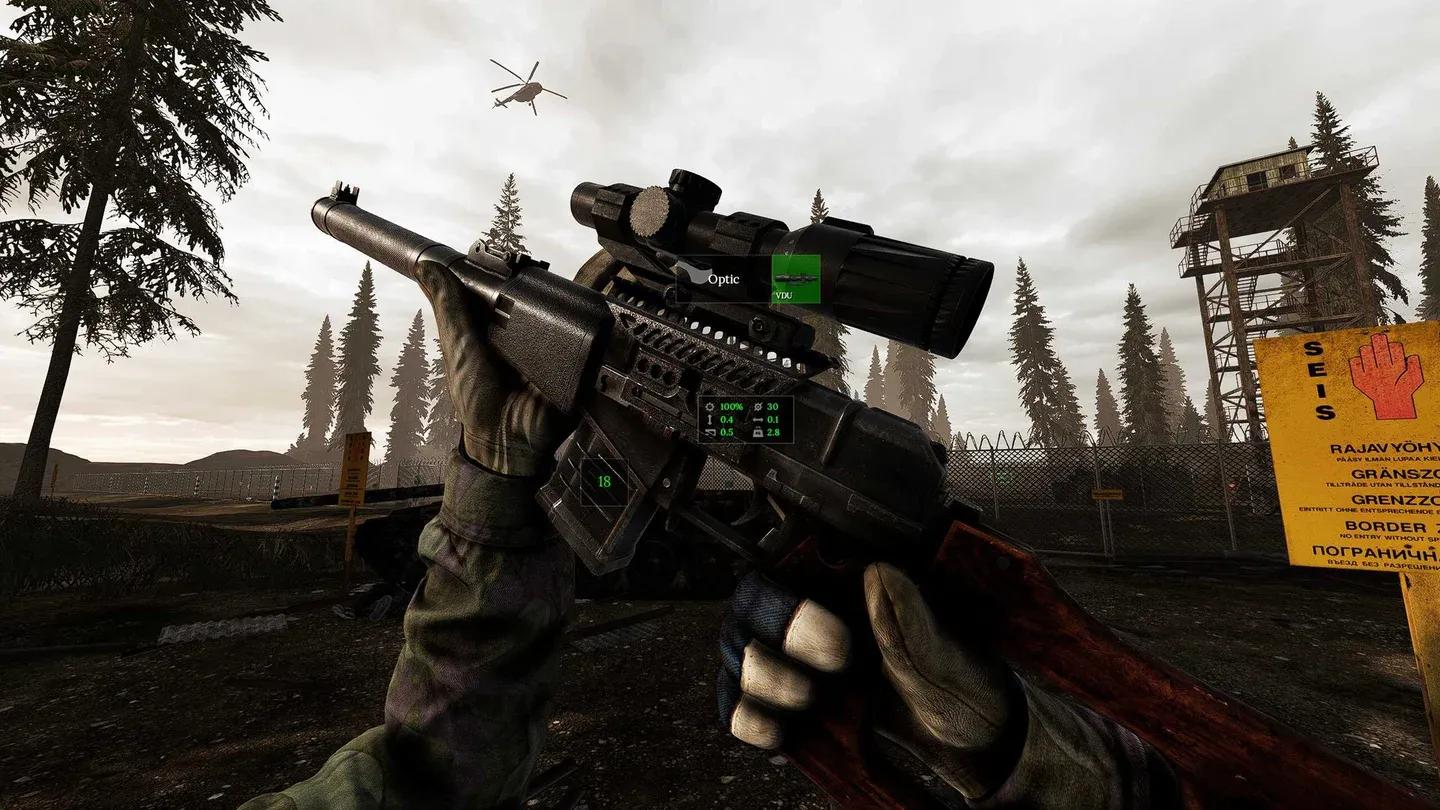
Suppressor crafting at the bench
How do gathering and raw materials feed the crafting loop?
The Gunsmith Bench runs on inputs. The gathering system covers wood, scrap, forage, and raw inputs that directly feed survival and crafting loops.
Scrap is the most consistently useful material early on. It feeds mechanical component requirements at the bench and shows up in most field locations. Wood has broader survival applications but also appears in certain crafting recipes. Forage items lean toward consumable crafting rather than weapon maintenance.
| Material | Primary Use | Gathering Location |
|---|---|---|
| Scrap | Mechanical components, bench repairs | Field locations, containers |
| Wood | Shelter, some crafting recipes | Gathering nodes |
| Forage | Consumables | Field gathering |
| Raw mechanical components | Suppressors, optics | Scrap processing, looting |
What weapons and ammunition does Road to Vostok support?
The weapon system covers SMGs, rifles, shotguns, and pistols, each with specific ammunition compatibility. Each caliber has distinct per-round value, weight, max stack size, and weapon compatibility.
Ammo weight matters more than most players expect. Stacking the wrong caliber because it was available in a container wastes carry capacity you need for other supplies. Cross-referencing your equipped weapons against the complete Road to Vostok crafting guide covering recipes and materials before a run saves you from carrying dead weight.
How do tasks and shelter power connect to crafting progression?
Crafting doesn't exist in isolation. The core tasks system ties shelter power, cabling (inverters and B cables), and key quest items together into a progression chain. Unlocking higher-tier crafting options requires advancing through tasks, which means the bench you have access to early is not the same bench you'll have at mid-game.
The Inverter and B cables are core task props. These aren't just loot items, they're tied directly to shelter power progression, which in turn unlocks crafting capabilities. Prioritizing the tasks that advance your shelter power chain gets you to better crafting options faster than grinding materials for a bench that can't use them yet.
NPCs and traders
The Generalist and Doctor are the two named traders. Traders stock items that complement crafting, including components that are harder to gather in the field. Building trade relationships early reduces dependence on RNG loot runs for critical materials.
What's the best approach to early-game crafting?
The priority order for early-game crafting looks like this:
- Build or access the Gunsmith Bench as early as tasks allow
- Gather scrap consistently during every field run, even short ones
- Advance the shelter power chain (Inverter, B cables) to unlock higher bench capabilities
- Craft suppressors from raw components rather than relying on loot
- Repair weapons at moderate degradation, not critical condition
- Cross-reference ammunition compatibility before loading up for a run
The crafting system rewards players who treat it as infrastructure rather than a fallback. Keep your bench supplied, advance your task chain, and repair before you're forced to. For more survival FPS guides and strategy breakdowns, browse the full guides section on GAMES.GG.