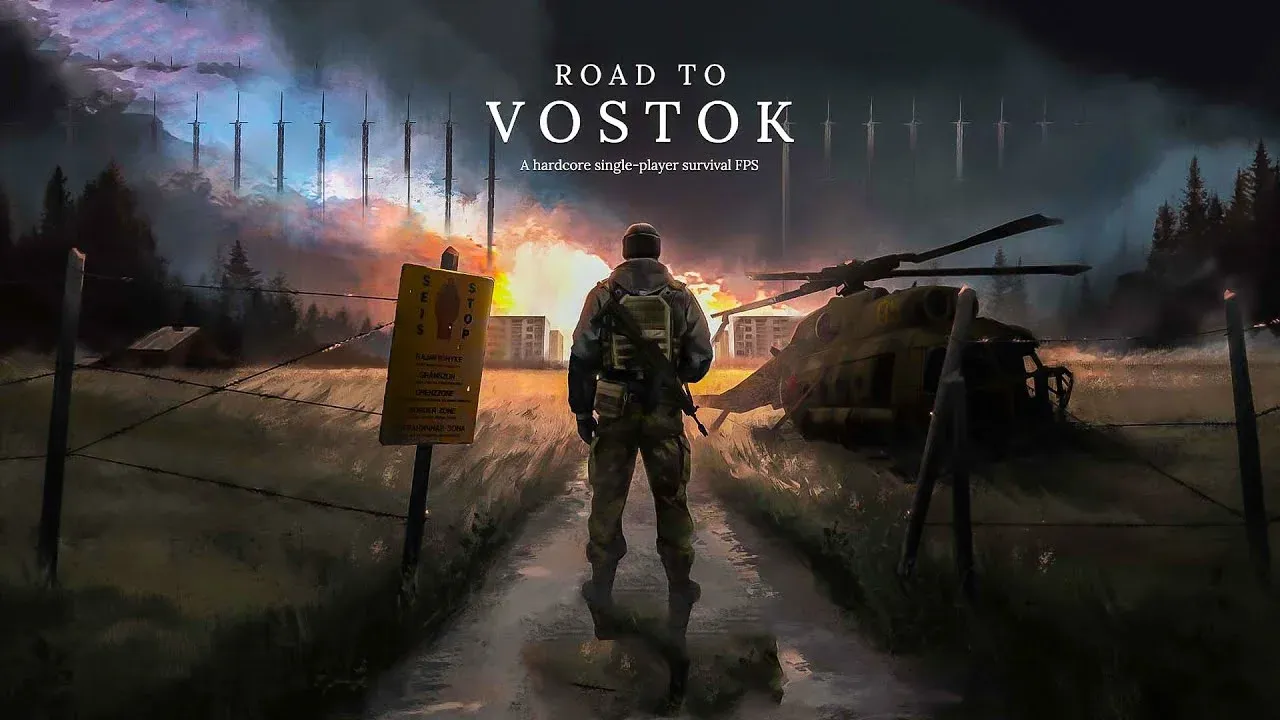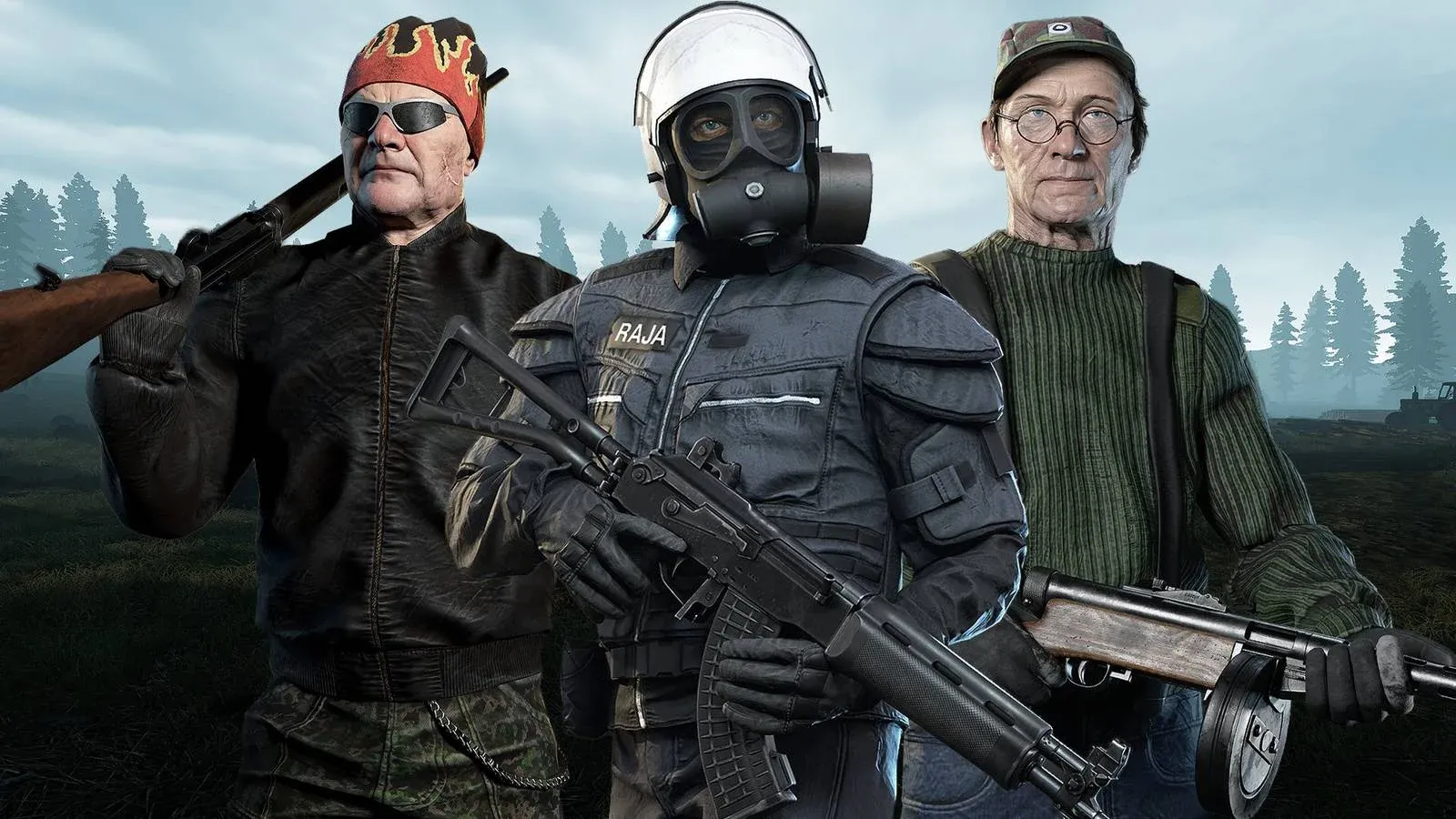

Road to Vostok dropped on Steam Early Access on April 7, 2026, priced at $14.99 (with a 25% launch discount for the first two weeks), and it will absolutely punish you if you walk in blind. This is a hardcore single-player survival FPS set in a post-apocalyptic no-man's-land between Finland and Russia — think STALKER meets Escape from Tarkov, but without the multiplayer grief. The systems are unforgiving, the inventory is merciless, and the save system will catch you off guard. Here's everything you need to know before your first run.
How does the world in Road to Vostok work?
The game divides its world into three zones, each dramatically more dangerous than the last.
Area 05 is the starting region — an evacuated zone in southeastern Finland with shelters, traders, and manageable bandit enemies. This is where you'll learn every system the game throws at you. Don't rush out of it.
The Border Zone sits between Finland and Russia. Crossing points vary: some are mined, others are patrolled by armed border guards with helicopter air support. Yes, helicopters. Finding that out mid-sneak is not a pleasant experience.
Vostok is the endgame zone and it has a brutal twist: it's a full permadeath area. Dying in Area 05 or the Border Zone means losing whatever you're carrying on that run. Dying in Vostok means losing your entire stash and progress. The loot there is significantly better, but there's no shame in spending dozens of hours in the first two zones before you ever consider going.
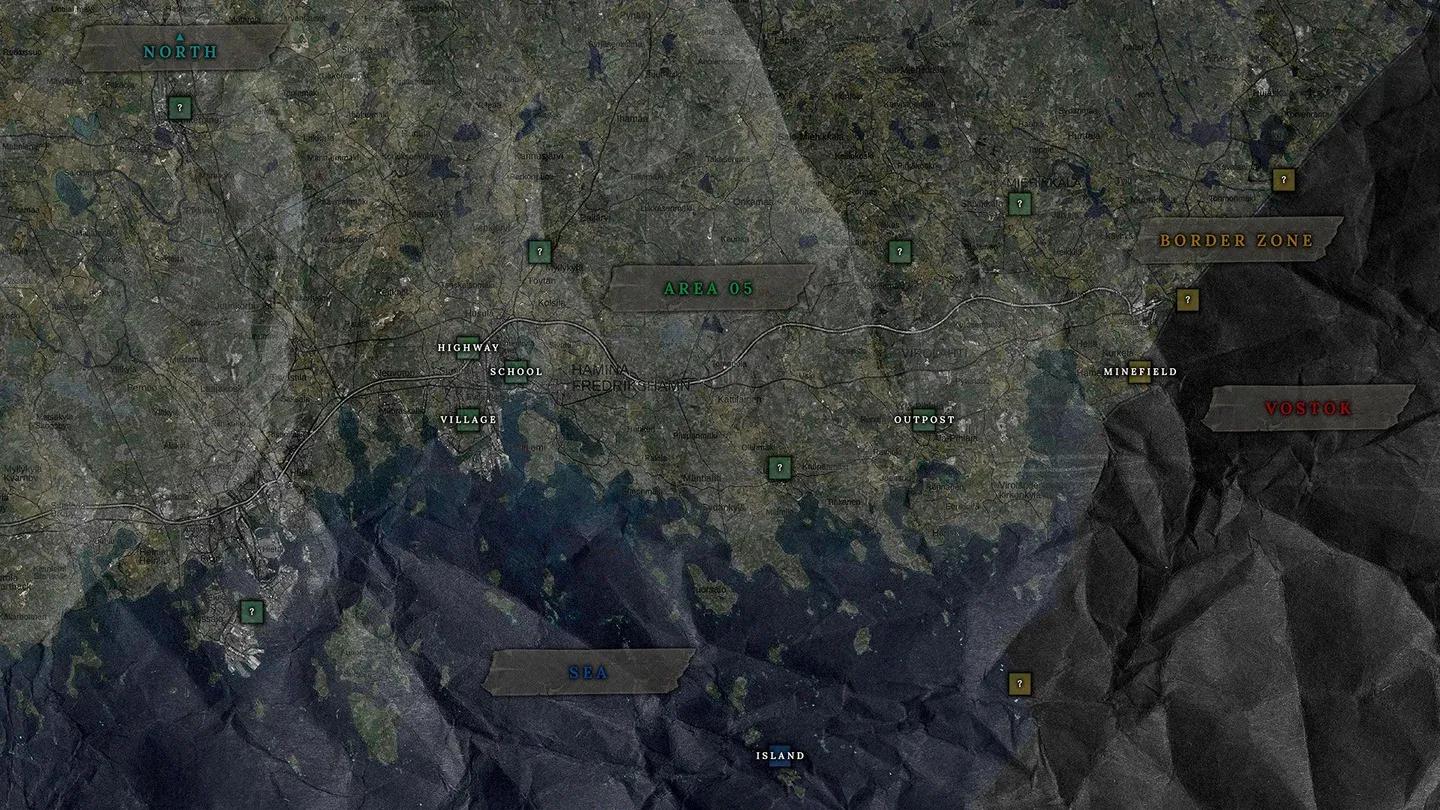
Area 05 zone overview

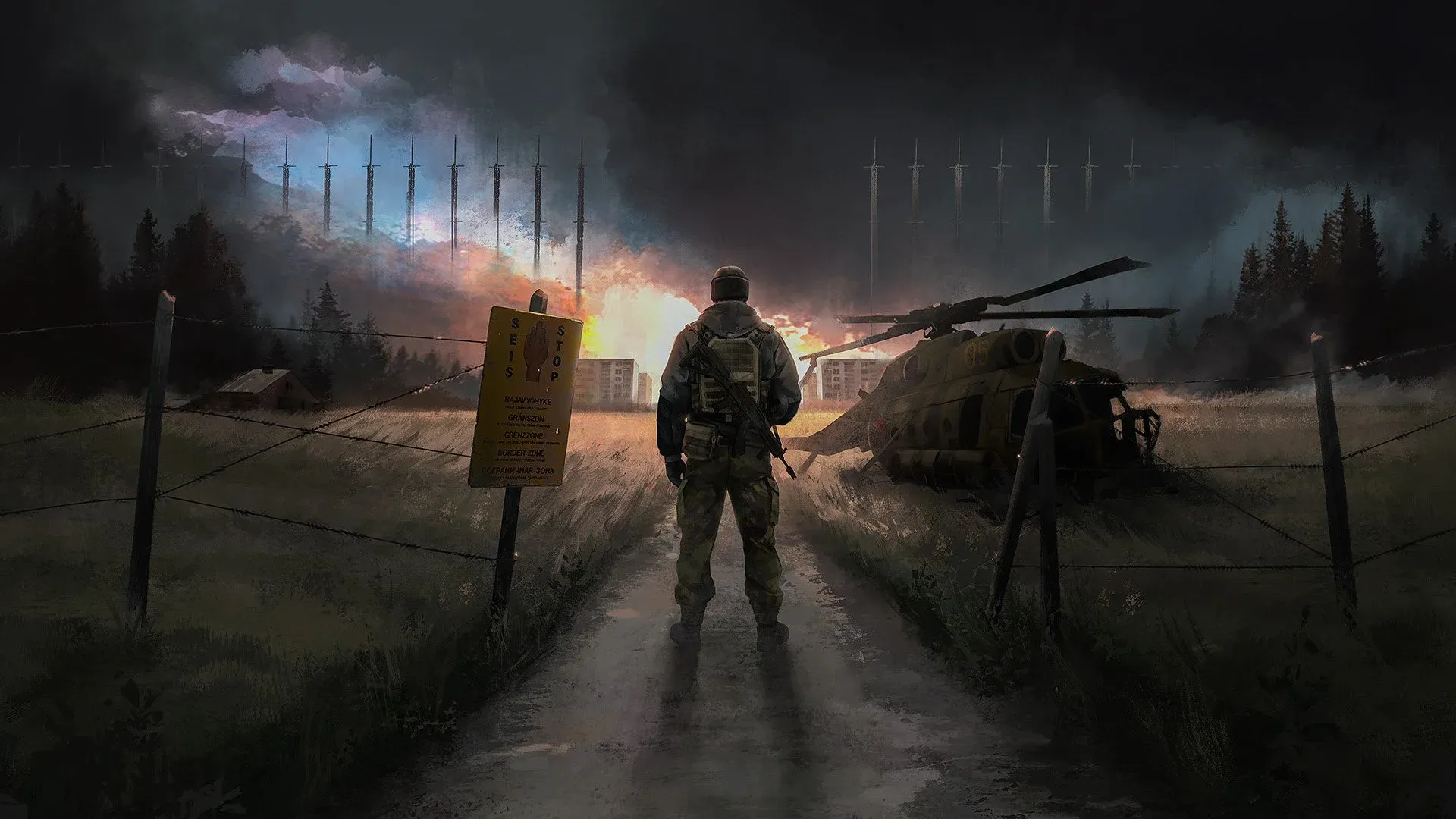
What should you do in your first hour?
The biggest mistake new players make is treating Road to Vostok like a standard FPS — sprinting toward gunfire and looting everything in sight. The game only saves during loading screens, which happen when you enter or exit a shelter or change zones. That means a 45-minute scavenging run with no shelter visit can disappear in seconds if a bandit catches you off guard.
Here's the priority order for your opening session:
- Complete the tutorial. The developer built it specifically to explain Road to Vostok's unconventional systems. Skip it and you'll spend an hour confused about arm stamina and mental state mechanics.
- Locate your first shelter and stash anything non-essential immediately.
- Talk to the Generalist and Doctor traders. Both have active tasks that reward shelter keys and supplies.
- Stock up on water, bandages, and 9mm ammo. These three items will keep you alive longer than any weapon upgrade.
Survival mechanics that actually kill you
Road to Vostok tracks several survival stats simultaneously, and neglecting any of them has real consequences.
Hunger and hydration are the obvious ones. The less obvious advice: eat food directly from containers and stashes when you find it rather than packing it into your backpack. Inventory space is too valuable to fill with snacks.
Mental state is the one that catches new players completely off guard. It degrades after firefights, when you're hungry, or when you're exhausted. A low mental stat tanks your accuracy and general performance. Cigarettes, cigars, and beer provide much larger mental boosts than food does. Sitting by a campfire helps too, but it's slow. Keep cigarettes in your vest pocket for emergencies.
Body temperature matters more than you'd expect. Hypothermia is a genuine threat, especially with dynamic seasons enabled. If you're brand new, consider setting difficulty to Standard with Summer locked to 365 days — this removes seasonal temperature swings entirely and lets you focus on learning combat and inventory without freezing mid-run.
Fatigue builds the longer you stay active. Running around exhausted tanks your stamina recovery and makes combat noticeably harder. Sleep in your shelter when fatigue gets serious.
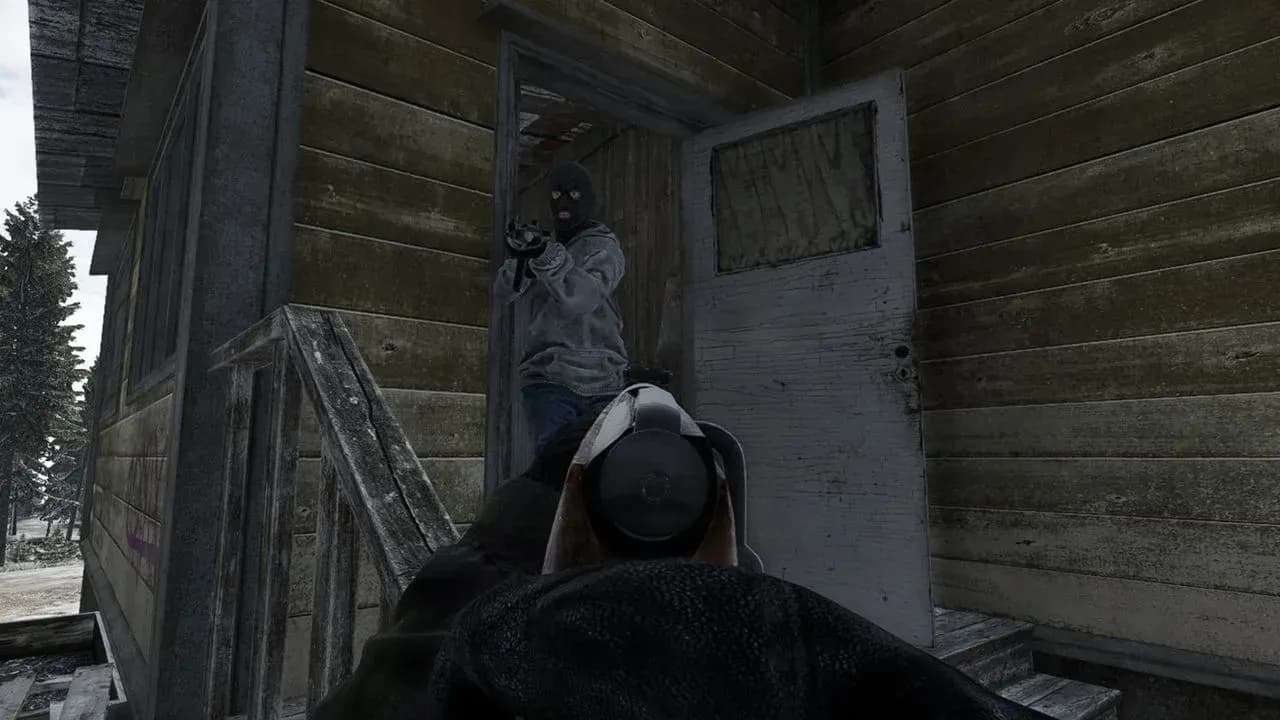
Survival stats HUD
How does combat work in Road to Vostok?
The shooting system simulates recoil, arm stamina, breath control, and both low and high ready positions. It's more demanding than most FPS games, but it clicks quickly once you understand the core rules.
Arm stamina is the most important mechanic to watch. There's an arm icon near the body temperature display in the bottom-left corner of your screen. When it turns red, lower your weapon and wait for recovery before taking your next shot. Firing with depleted arm stamina means your rounds will go everywhere except the target.
Drop your backpack before engaging enemies. A heavy pack destroys stamina regeneration and movement speed. When you spot a fight coming, find cover, drop the pack behind a rock or in a bush, handle the engagement, then retrieve it. This single habit can turn unwinnable fights into survivable ones.
Use distance to your advantage. The AI is most dangerous in close quarters. At 50+ meters, enemies miss more frequently and you have time to line up proper shots. Avoid pushing into buildings or tight corridors unless there's no other option. Peek from cover and take measured shots.
Inventory management: the real challenge
The grid-based inventory system is deliberately punishing, and it's one of the best design decisions in the game. Every slot matters, and that pressure makes the scavenging loop genuinely tense rather than mindless.
The community has settled on a practical rule: if you're picking something up to sell rather than use, it should be worth at least $100. Anything below that threshold isn't worth the bag space. Weapons and attachments have the highest value per slot, with a stack of 30 rounds of decent ammo running around $200.
Use Shift+Q to drop items and Ctrl+Click to quick-transfer between containers. When you're in a hurry, these shortcuts are far faster than dragging items individually.
For shelter storage, right-click items and select Place to store them in the attic. Don't drop things on the floor and assume they'll be there later.
What junk should you dismantle for weapon parts?
Crafting attachments requires weapon parts, and new players often make the mistake of hauling large, heavy scrap back to their workbench. A broken rifle chassis might take up 8 inventory slots and yield only 2 weapon parts when dismantled. That's a terrible trade.
The better approach is to prioritize small, lightweight items with high dismantling yields. Player testing has confirmed these are the items worth grabbing:
- Rusted and empty magazines (typically 1x1 or 1x2 slots): Strip the loose ammo out in the field, pocket the bullets, and carry the empty metal back for dismantling. Consistent conversion rate into standard weapon parts.
- Broken handgun frames (usually 1x2 slots): Lightweight enough to stack in a tactical rig without eating your main backpack space. Found in civilian houses and abandoned police car trunks.
- Shattered optics and depleted laser modules (1x1 slots): The best slot-to-yield ratio in the loot table. Found near military checkpoints. These frequently dismantle into advanced weapon parts needed for late-game suppressors.
For workbench requirements: the default Level 1 workbench handles basic early-game junk like rusted magazines. Dismantling high-tier military gear and crafting advanced attachments requires upgrading your workbench with toolkits and industrial lubricants found in the world.
Workbench dismantling screen
Slot efficiency comparison
| Item | Slot Size | Weight | Parts Yield | Efficiency |
|---|---|---|---|---|
| Broken rifle chassis | 2x4 (8 slots) | ~4 kg | 2 parts | Poor |
| Rusted magazine | 1x1 or 1x2 | Minimal | 1 part | High |
| Broken handgun frame | 1x2 | Minimal | 1 part | High |
| Shattered optic | 1x1 | Minimal | 1 advanced part | Excellent |
Which difficulty setting should you pick?
Standard is the right call for a first run. Pair it with Summer 365 to remove weather concerns entirely. You'll still die often, but you won't be fighting the interface and a blizzard simultaneously.
Darkness and Ironman modes spawn you in a random location with no items, at a random time of day, with randomized vitals. The key difference between them: Ironman extends Vostok's permadeath to all three zones. Dying anywhere means total loss. These modes are for players who've already internalized every system in the game.
Common mistakes that get new players killed
Rushing to Vostok before you're ready. The loot is excellent. The death penalty is total. Build up your stash, get comfortable with combat, and only go when losing everything won't end your session.
Redeeming rare loot codes immediately. High-tier gear sounds great early, but it skips the survival loop that teaches you the game. You'll end up playing a different experience than the one the developer designed, and you'll be worse at it when the gear eventually runs out.
Ignoring the arm stamina icon. Red arm icon means stop and recover. Firing through it wastes ammo and misses targets.
Packing food instead of eating it in the field. Eat on the spot, carry one or two emergency items max. Your inventory has better uses.
Going too long without triggering a save. Shelters and zone transitions are your save points. Build your routes around them.
Letting mental state bottom out. Low mental stat makes you worse at everything. Cigarettes and beer fix it fast. Campfires work too, just slowly.
What's coming to Road to Vostok next?
Road to Vostok is in Early Access with an estimated 2 to 4 year development window and free quarterly updates for all buyers. The developer's roadmap indicates the full version will include roughly twice the current content: more maps, traders, tasks, and weapons. Planned additions include weapon modding kits, bullet penetration mechanics, and expanded trader services.
The modding community is already active. You can browse available mods and customizations at ModWorkshop's Road to Vostok page, which currently lists over 116 mods ranging from gameplay tweaks to visual changes.
For players who want to experiment with the weapon customization systems without grinding through the early-game resource loop, this breakdown of Road to Vostok mods and trainer options covers how third-party tools interact with the game's magazine repacking and attachment mechanics.
For more survival game guides and early access coverage, browse the latest guides on GAMES.GG to find similar breakdowns across the genre.