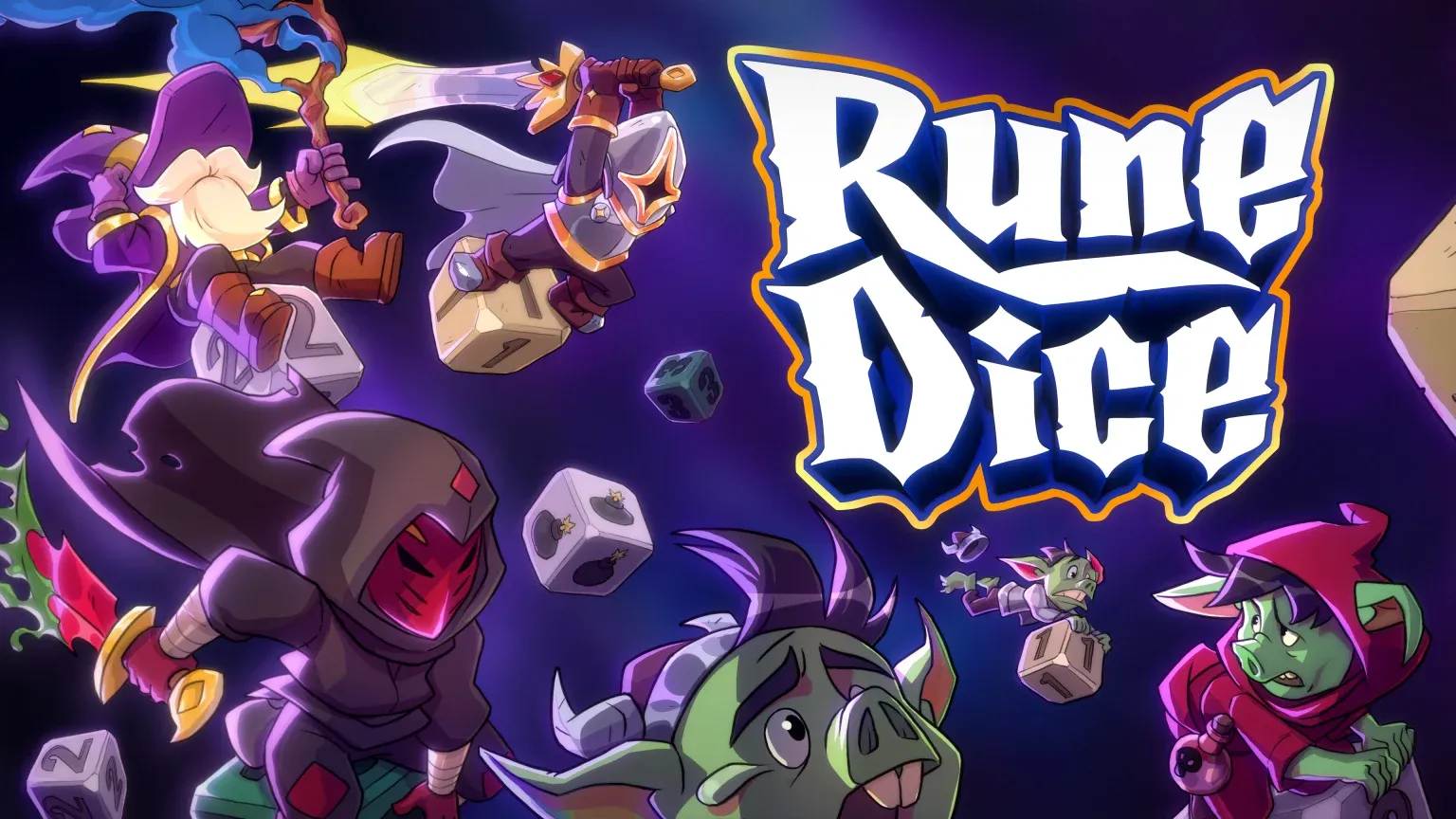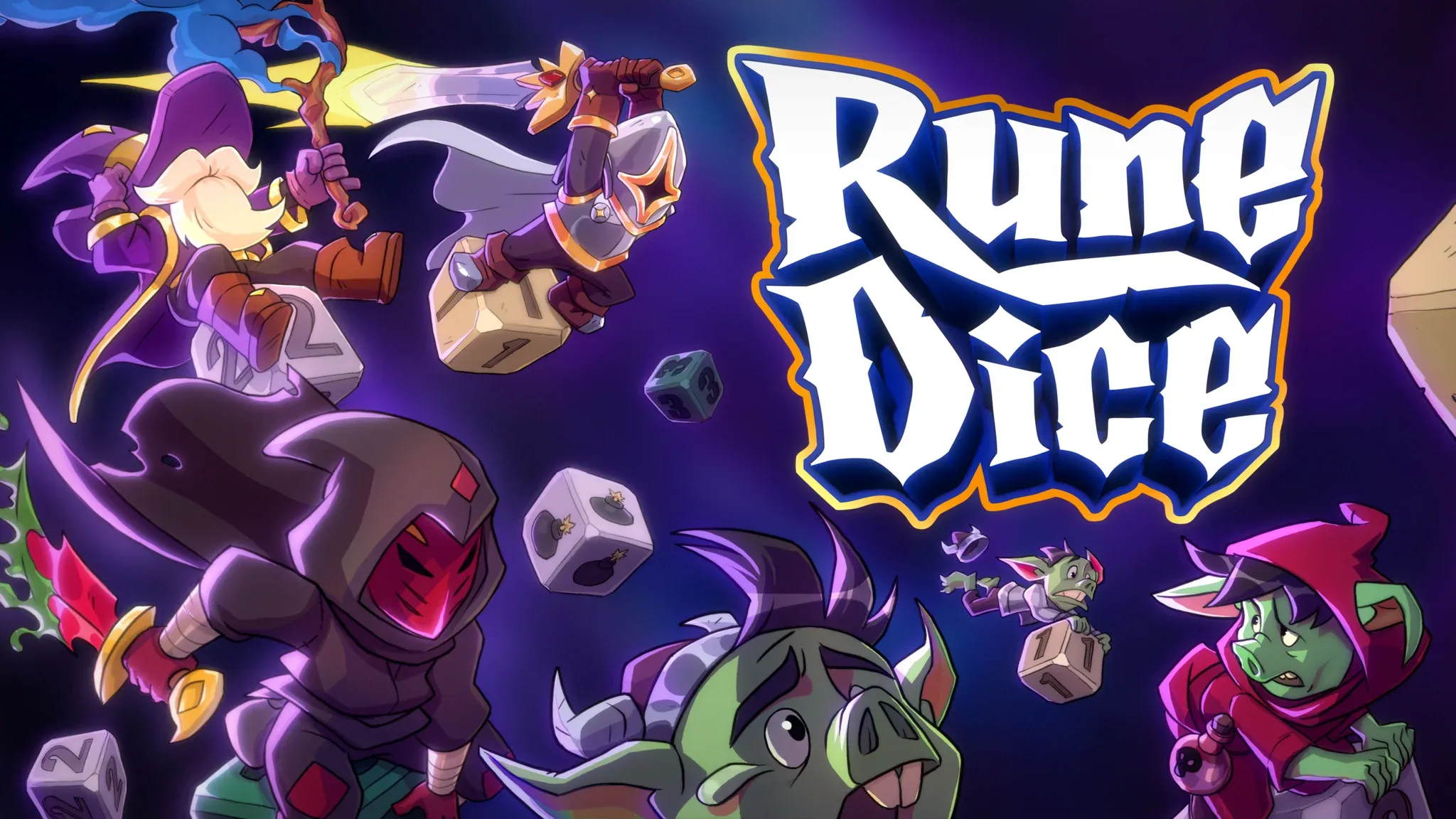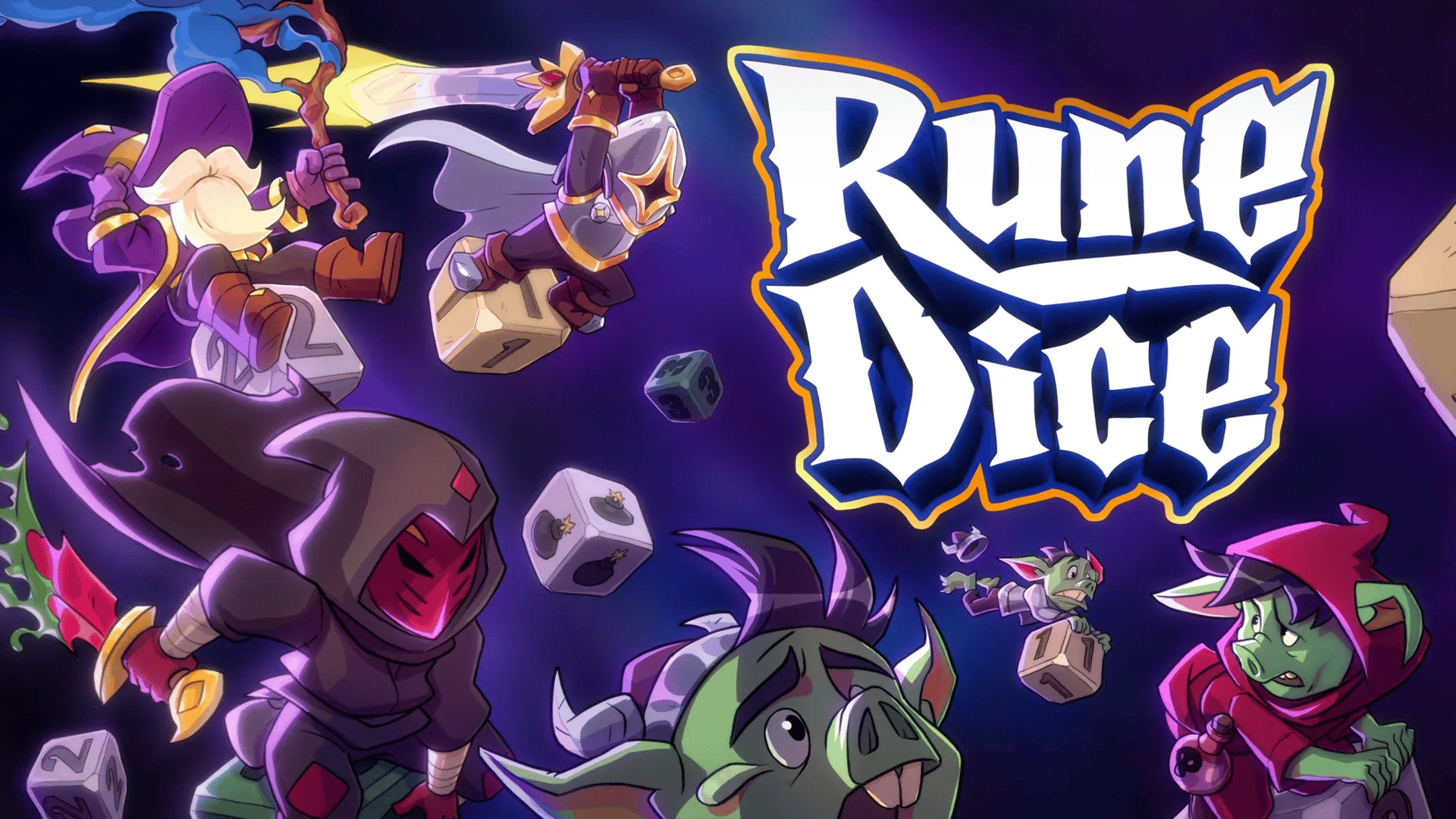

Rune Dice is a roguelite from Smart Raven Studio, published by Kwalee, that launched May 19, 2026 on PC, PS5, Xbox Series X/S, and Nintendo Switch. The hook that separates it from every other dice-based roguelite is physical throwing: you don't tap a button and read a number. You actually throw dice onto a battle board, and where they land matters as much as what face comes up. With 8 classes, a relic-driven progression system, and physics-based adjacency mechanics, there's a lot to parse on your first run.
How does the physics dice system actually work?
Most dice games stop at face values. Rune Dice layers two additional systems on top of that baseline, and understanding them early separates winning runs from frustrating ones.
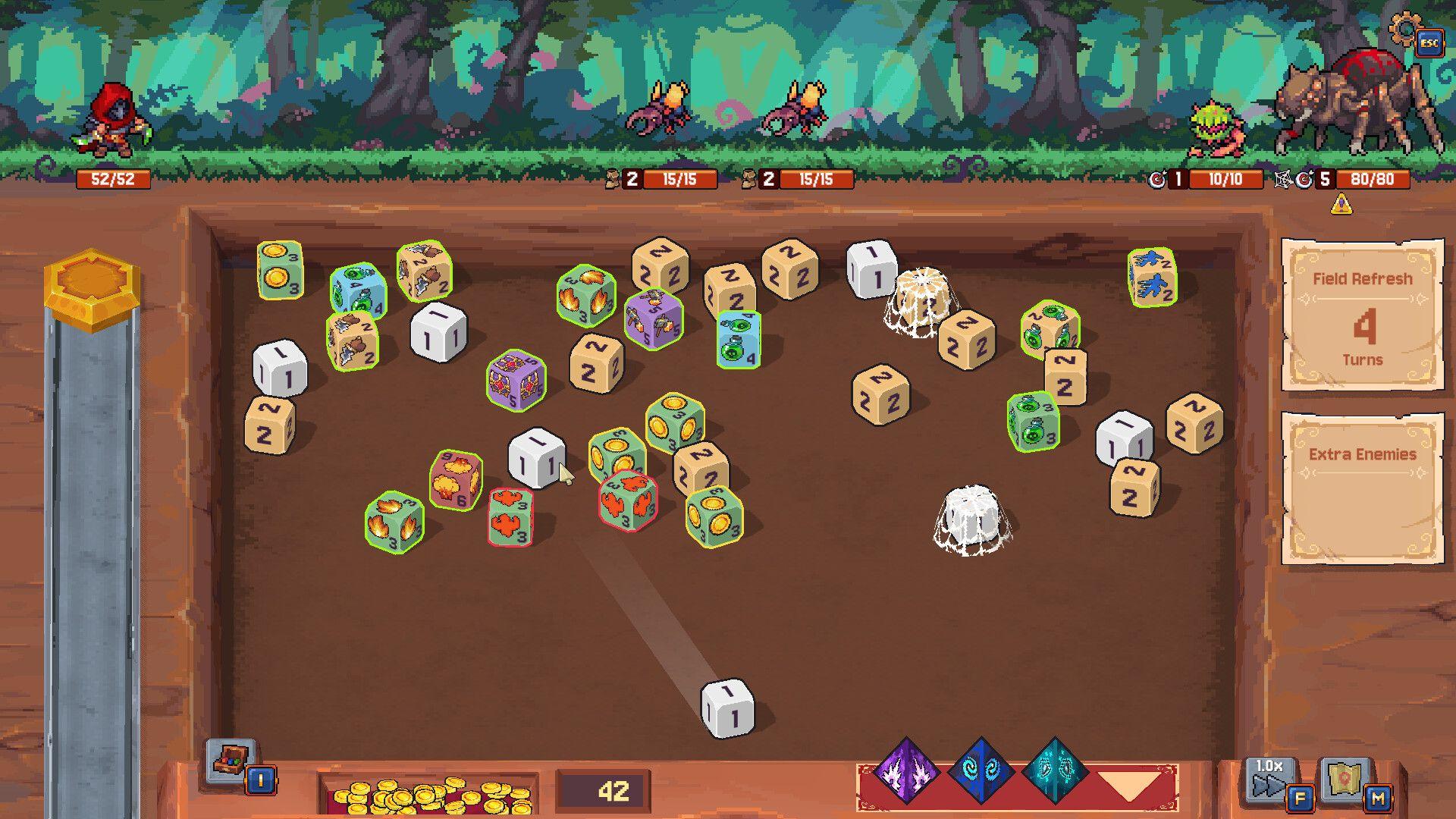
Adjacency bonuses activate when two or more dice of matching types land within a set distance of each other on the board. A Mage who throws three Lightning dice and gets two to land close together can trigger a chain lightning bonus. The throw itself determines whether that bonus fires, not the face values alone.
Merge mechanics kick in when dice land on the same spot or overlap during the throw. Merged dice produce a higher-tier effect than either individual die would on its own. Builds built around merging require large dice pools, specific throw angles, and relics that widen the merge trigger window.
Throw angle is the skill new players underestimate most. Dropping dice straight down clusters them together. A lateral throw spreads dice into separate positions across the board. Most early-game relic synergies reward clustering, so aim toward the board center until you have a build that specifically benefits from spread. The Ranger class is the exception to this default, but more on that below.

All 8 Rune Dice classes explained
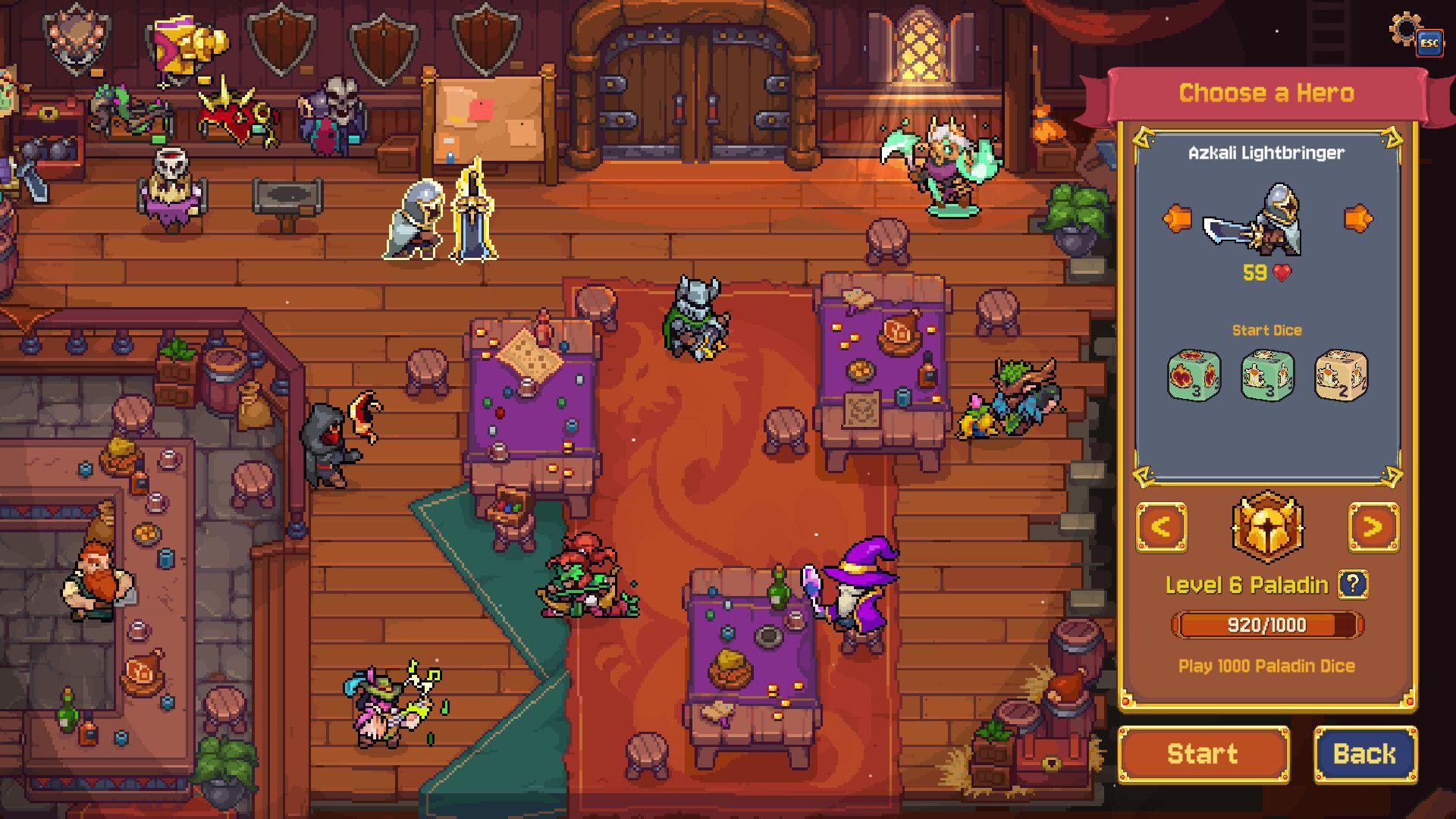
Each class starts with distinct dice types and a different mechanical identity. Every class also has multiple hero variants, so the total number of distinct starting configurations is larger than 8.
Warrior
Heavy attack dice, high HP, and blocking dice that absorb flat damage. The Warrior's loop is the most readable in the game: throw attack dice, use blocking dice to absorb hits. No resource management, no position-dependent bonuses. This is the right starting class for players still learning the physics system.
Mage
Lightning, fire, and ice dice with some of the highest individual damage values in the game. The tradeoff is low HP and no built-in defense. Adjacency chains from the Mage's dice are the primary source of burst damage on bosses. High ceiling, genuinely low floor, not forgiving of bad throws.
Rogue
Poison and blade dice with position-dependent bonuses that activate when dice land on specific board areas, including edges and tile markers. The Rogue rewards players who have memorized the board layout. Strong once the patterns click, confusing until they do.
Cleric
Healing dice and holy damage. The Cleric generates Radiance stacks from holy dice, which provide a passive block at the end of each round. Slower damage output than most classes, but the attrition survival model holds up well against bosses with sustained attack patterns.
Necromancer
Curse and soul dice. Enemy kills generate Soul tokens that fuel bonus die throws. The Necromancer snowballs from cleared encounters: the larger your kill count, the bigger your dice pool for the next fight. Weak on early floors, genuinely strong in mid-run boss corridors once the Soul economy is running.
Ranger
Arrow and wind dice with range-based bonuses. Dice that land far from the board center deal more damage for the Ranger. This makes the lateral throw technique the Ranger's primary skill expression. Consistent spread throws are the core technical challenge, and the payoff is significant once you have that muscle memory.
Paladin
Shield dice and retribution mechanics. Blocked damage gets stored as retribution and discharges as bonus damage on a later throw. Effective against enemies with predictable damage windows. Requires intentional decision-making about when to absorb hits rather than dodge them.
Shadow
Darkness and illusion dice with post-land manipulation. Certain relics let the Shadow re-roll or shift the value of already-landed dice. Mechanically the most complex class in the game, but the ability to correct bad throws makes the Shadow more consistent than classes that live and die by the physics roll.
What's the best class for each playstyle?
| Playstyle | Recommended class | Why it fits |
|---|---|---|
| Beginner learning the system | Warrior | High HP, no special mechanics, forgiving |
| Burst damage on bosses | Mage | Adjacency chains, highest damage ceiling |
| Survival and attrition | Cleric | Radiance block, self-healing loop |
| Snowball builds | Necromancer | Soul token economy compounds over time |
| Technical throw skill | Ranger | Throw spread directly determines damage |
| Combo and reaction play | Shadow | Post-land dice value manipulation |
How should you prioritize relics?
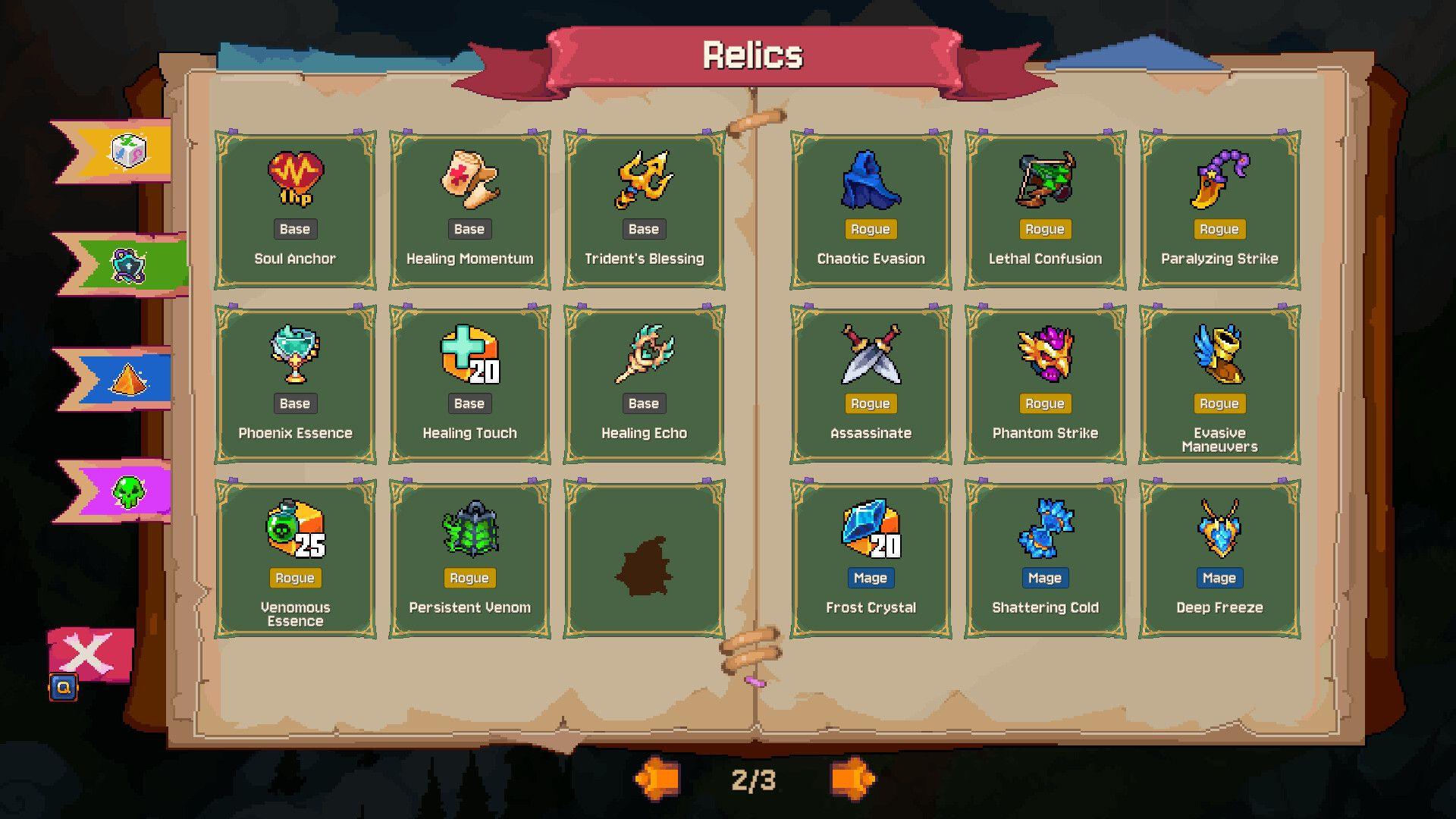
Relics are permanent run modifiers, and the first three picks define what your run becomes. Getting this wrong on floor 1 is the most common reason early runs fall apart.
Match your dice type first. A Lightning-boosting relic is worthless on a Warrior running physical attack dice. Always read the bonus condition before comparing raw power level. A weak relic that synergizes with your dice beats a strong relic that doesn't, in almost every situation.
Adjacency relics have the highest ceiling. Any relic that triggers when two matching dice land close together compounds with every successful throw. These relics produce most run-winning moments, but they require consistent throw technique to activate reliably.
Defensive relics feel urgent but aren't. New players gravitate toward armor and block relics early because survival feels like the priority. In practice, higher damage output kills enemies faster and reduces the total number of attacks you absorb. Offensive relic picks typically produce safer runs, not riskier ones.
When should you use runes?
Runes are single-use consumables that modify a throw: duplicate a die, shift a face value up by one, redirect a throw, or trigger an additional effect after landing. The rules around them are simple once you accept one thing: hoarding runes is almost always wrong.
The right moment to use most runes is the current floor boss. Runes saved through floor 3 and unused at the final encounter are wasted resources. Enter every boss fight with your full rune inventory and commit at least one.
The one exception is the redirect rune, which changes the landing zone for all dice in a throw. If a boss has a board hazard that damages dice landing on specific tiles, the redirect rune can let you avoid the hazard mid-combat. That's a valid use case outside of boss kill turns. Every other rune type, including damage multipliers and face-value shifts, compounds best on the boss kill turn itself.
Does Rune Dice have procedural maps?
Yes. Each run generates a procedural map with standard encounters, mini-bosses, shops, and rest nodes. The structure follows the standard roguelite format, so players familiar with games like Slay the Spire will recognize the node-based map layout immediately.
For more strategies across the full game, the Rune Dice strategy guides collection covers builds, boss tactics, and class-specific tips as the game continues to receive updates during early access.
Rune Dice sits comfortably in the same space as other indie games that have pushed the roguelite format in new directions, but the physics throw mechanic is genuinely its own thing. No other game in the genre makes throw angle a skill you actually develop over time, and that's what makes the learning curve feel rewarding rather than arbitrary.