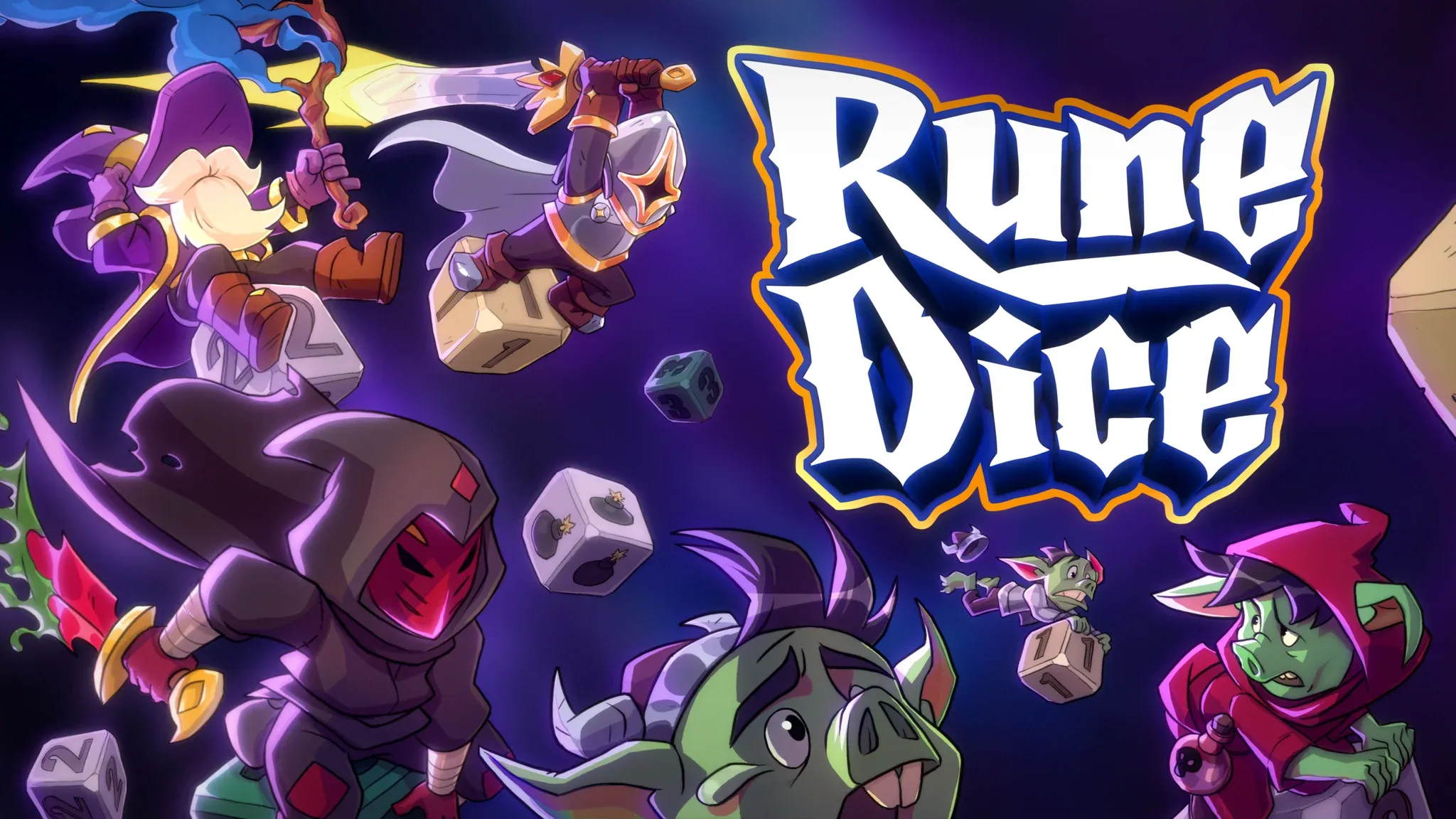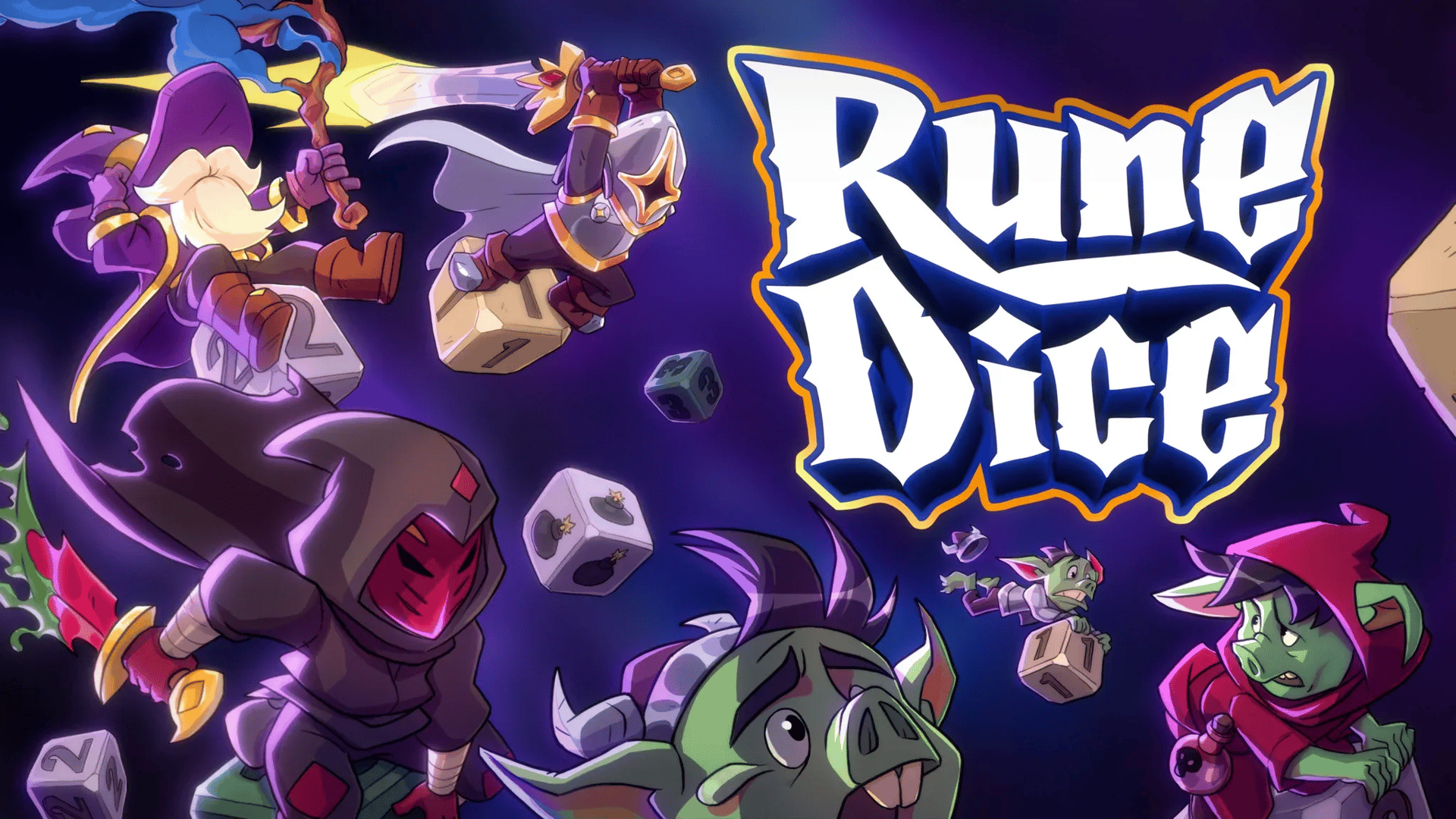

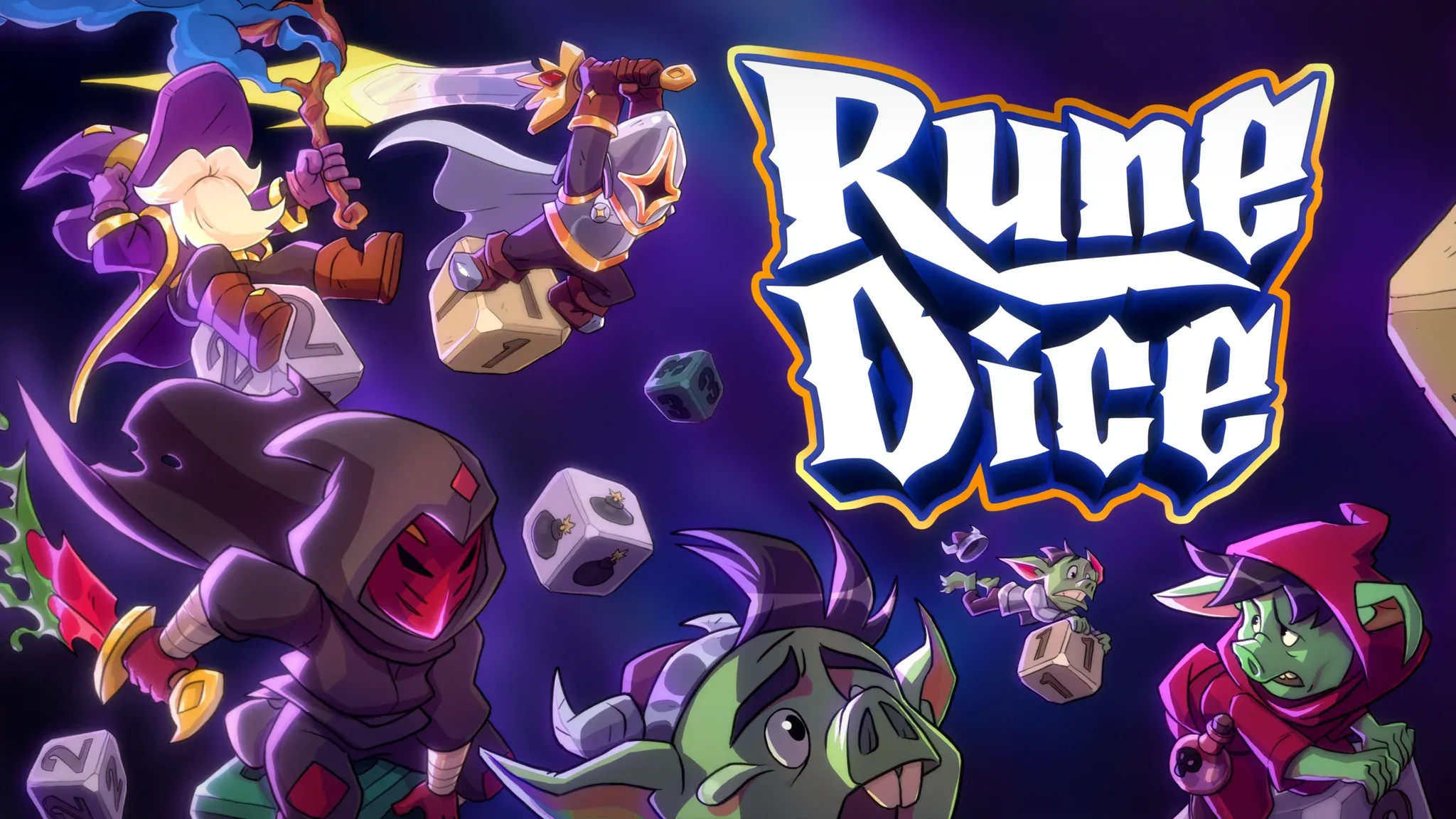
Rune Dice is a roguelite from Smart Raven Studio (published by Kwalee) that launched May 19, 2026 on PC, PS5, Xbox Series X/S, and Nintendo Switch. The hook that separates it from Balatro or Dicey Dungeons is physical dice throwing: you don't just read face values, you throw dice onto a battle board where they bounce, spin, and settle. Where they land relative to each other determines whether your relics fire. The game launched to 91% Very Positive on Steam from 58 reviews, and after spending time with all 8 classes, here's everything you need to stop dying before the first boss.
What is field refresh and why does it matter?
Field refresh resets the dice on the board after a set number of turns. This prevents you from holding a perfect layout forever, and it catches new players off-guard the most when they're mid-setup on a big chain.
| Turns until refresh | Best decision |
|---|---|
| 3 or more | Set up bigger merges if the board is safe |
| 2 turns | Start converting your setup into immediate value |
| 1 turn | Take the best merge, coin, heal, or defensive play available |
| Just refreshed | Look for new chain angles before shooting |
Don't spend an entire turn preparing a combo that disappears on refresh. Either cash it out or use the turn for healing, coins, or a defensive rune.

All 8 Rune Dice classes explained
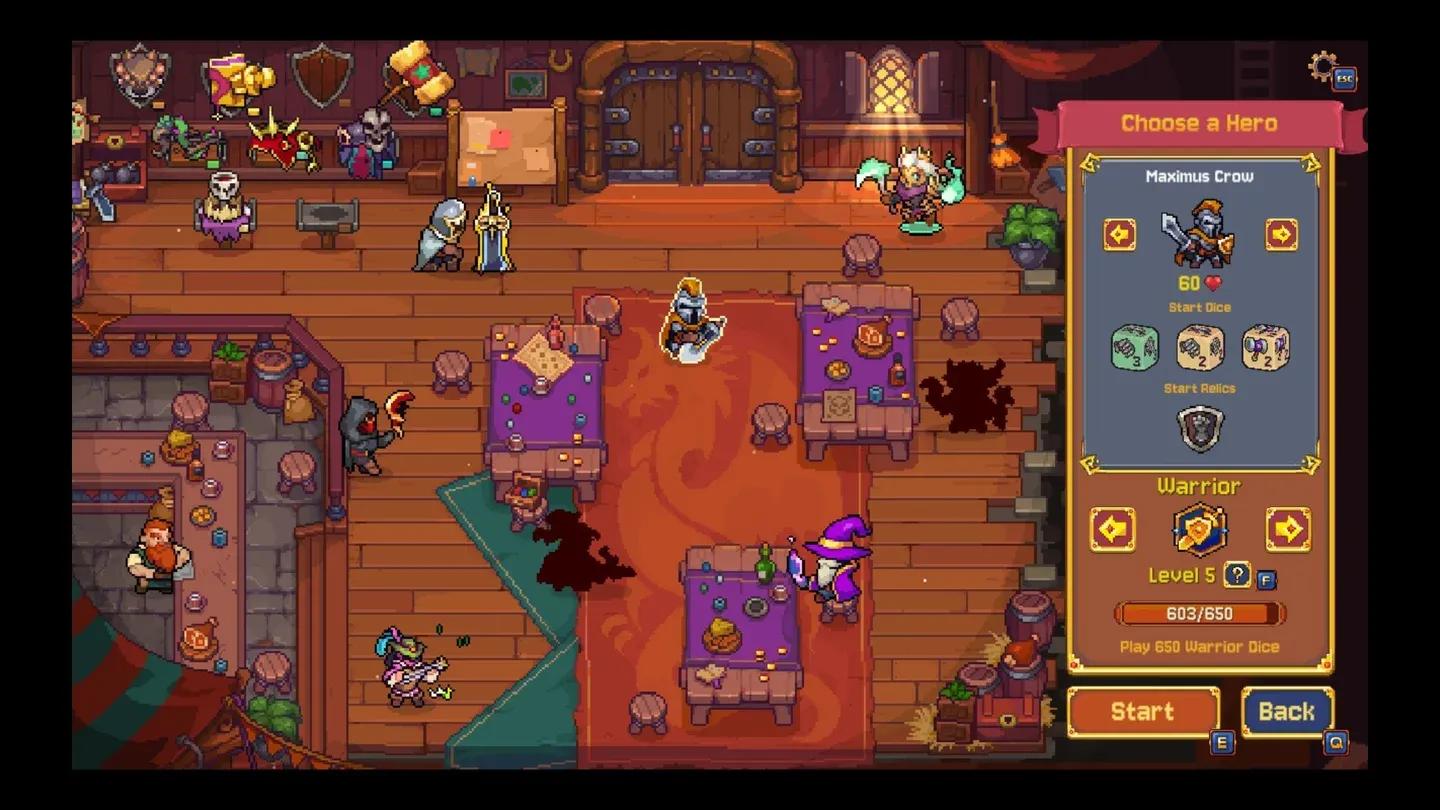
Class unlock screen overview
| Class | How to unlock | Starting dice focus |
|---|---|---|
| Rogue | Default | Dodge, Blind Strike, Backstab, Poison |
| Mage | Default | Lightning, Fire, Ice elemental damage |
| Warrior | Defeat any 2 unique bosses | Heavy attack, blocking dice |
| Paladin | Defeat any 20 mini-bosses | Shield and retribution dice |
| Druid | Defeat Blight Druid in Hard Mode | Not yet fully documented |
| Bard | Get a die at or over value 8 by merging | Not yet fully documented |
| Necromancer | Defeat 50 dark knights | Curse and soul dice |
| Archer | Create a dice combo of 40 (max) with one throw | Arrow and wind dice |
Each class also has character variants with different starting dice. The Rogue, for example, has three: John Wickblade (available by default), Romeo Deathbrew (unlocked by playing a Dodge Die 50 times), and Mira Mirage (unlocked by playing a Poison Die 100 times). The variant you pick changes your starting dice pool, which changes the whole early-game plan.
What's the best class for beginners?
The sources here disagree slightly, which is worth flagging. GameBrief recommends Warrior as the best first-class choice because of high HP and no special mechanics. GameStrategyHub recommends Rogue because Dodge gives you room to survive mistakes while still dealing damage through Blind Strike, Backstab, and Poison.
The difference comes down to access. Warrior requires defeating 2 unique bosses first, so it isn't available on your first run. For a genuinely new player who hasn't unlocked anything yet, Rogue is the correct starting pick. Once you've cleared enough to unlock Warrior, it becomes the safest defensive option for players who keep dying to physical pressure.
| Playstyle | Best class | Why |
|---|---|---|
| First run, nothing unlocked | Rogue | Forgiving loop, defense and damage in one kit |
| Burst damage, knows synergy | Mage | Adjacency chains, high ceiling |
| Dying to physical pressure | Warrior (after unlock) | Shield and Stun tools stabilize easily |
| Snowball builds | Necromancer | Soul token economy compounds |
| Technical throw skill | Ranger/Archer | Lateral throw angle determines damage |
| Consistent despite bad rolls | Shadow | Post-land dice manipulation |
| Hard Mode attempts | Rogue first, Warrior after unlock | Dodge survives mistakes; Shield handles pressure |
Runes vs relics: what's the difference?
Relics are permanent run modifiers that define your build. They change how your dice interact over the entire run, whether that's boosting a specific dice type, triggering adjacency bonuses, or adding passive block.
Runes are consumable one-use items used during combat. They can duplicate a die, shift a face value up by one, redirect a throw, pull dice together with gravity, block incoming damage, weaken an enemy, or fix a bad board layout.
The most common beginner mistake with runes is hoarding them and never using them. The right moment to spend a rune is almost always the current floor boss. Runes carried unused through floor 3 and into the final boss are wasted resources. The one exception: the redirect rune has situational defensive value mid-combat if a boss has board hazards that damage dice landing on specific tiles. Every other rune type pays off most on the boss kill turn.
Which relics should you take first?
Three principles cover most relic decisions:
- Match your dice type first. A Lightning relic does nothing for a Warrior running physical dice. A weak synergistic relic beats a strong off-type relic in almost every case.
- Adjacency relics have the highest ceiling. They compound with every well-placed throw. These are the relics behind most run-winning moments, but they require consistent throw technique to trigger.
- Defensive relics feel urgent but aren't. New players grab armor and block relics early because survival feels pressing. In practice, killing enemies faster reduces the number of attacks you take. Offensive picks tend to produce safer runs.
How to choose map routes
Rune Dice maps offer normal battles, tough battles, mini-boss fights, shops, magic altars, chests, Jester events, and rune upgrade nodes. Each has a time and place.
| Node type | Take it when | Avoid it when |
|---|---|---|
| Normal battle | You need safe rewards or recovery | You're strong and want better rewards |
| Tough battle | HP is stable, build has damage or defense | HP is low or you have no rune backup |
| Mini-boss | Defensive tools and strong damage in hand | No healing or runes available |
| Shop | Enough coins for meaningful upgrades | You're broke |
| Magic altar | Die you're upgrading already drives your build | Failure would leave you too weak for the boss |
| Jester | Build can benefit from several possible outcomes | You need one specific fix |
Magic altars deserve extra attention. Before a boss, only use an altar when the die you're enhancing already matters to your run. A good altar target is your main damage die, a key healing die, or the class die that drives your build. A random low-impact die that looks tempting because the upgrade number is high is a bad target.
Boss fight preparation checklist
Bosses punish greedy play. You can get away with messy shots in normal encounters, but bosses add extra pressure through enemy dice, summons, webs, movement, and high-damage turns. Before entering any boss fight, run through this:
- One reliable damage source that can handle boss HP
- At least one defensive rune (Protection, Weakness, Shuffle, or Gravity)
- A healing option or shield option still available
- Upgraded damage dice (not just a pile of unmerged 1s)
- A way to handle enemy dice that move enemies forward or increase damage
- Enough board control to avoid dead turns
During the fight itself, stop chasing big combos if the boss is about to deal lethal damage. Use your defensive tools before the board becomes unmanageable.
Common mistakes that kill early runs
| Mistake | Why it costs you |
|---|---|
| Taking every reward | Makes the build unfocused and harder to control |
| Ignoring coin dice | Leaves you too weak to buy key shop upgrades |
| Spending runes in easy fights | Leaves you helpless in boss fights |
| Chasing every huge merge | Causes unnecessary HP loss |
| Entering mini-bosses too weak | Burns the run before your build is ready |
| Building only damage | Fails when enemies start hitting harder |
| Ignoring field refresh | Wastes planned combos |
| Forcing Mage Burn without support | Build falls behind before it scales |
The best mindset shift for new players: the goal isn't the biggest number every turn. It's the best turn for the current board. Sometimes that's a huge chain. Sometimes it's a small heal, a Weakness rune, or skipping a risky angle entirely.
For more on each class's specific builds and unlock paths, the Rune Dice guides on GAMES.GG cover the deeper mechanics once you've got the basics down. If you're still exploring what kind of roguelite experience Rune Dice offers compared to other indie games in the genre, it sits firmly in the physics-meets-deckbuilder space alongside Peglin and Balatro, but the throw mechanic genuinely changes how you think about positioning.