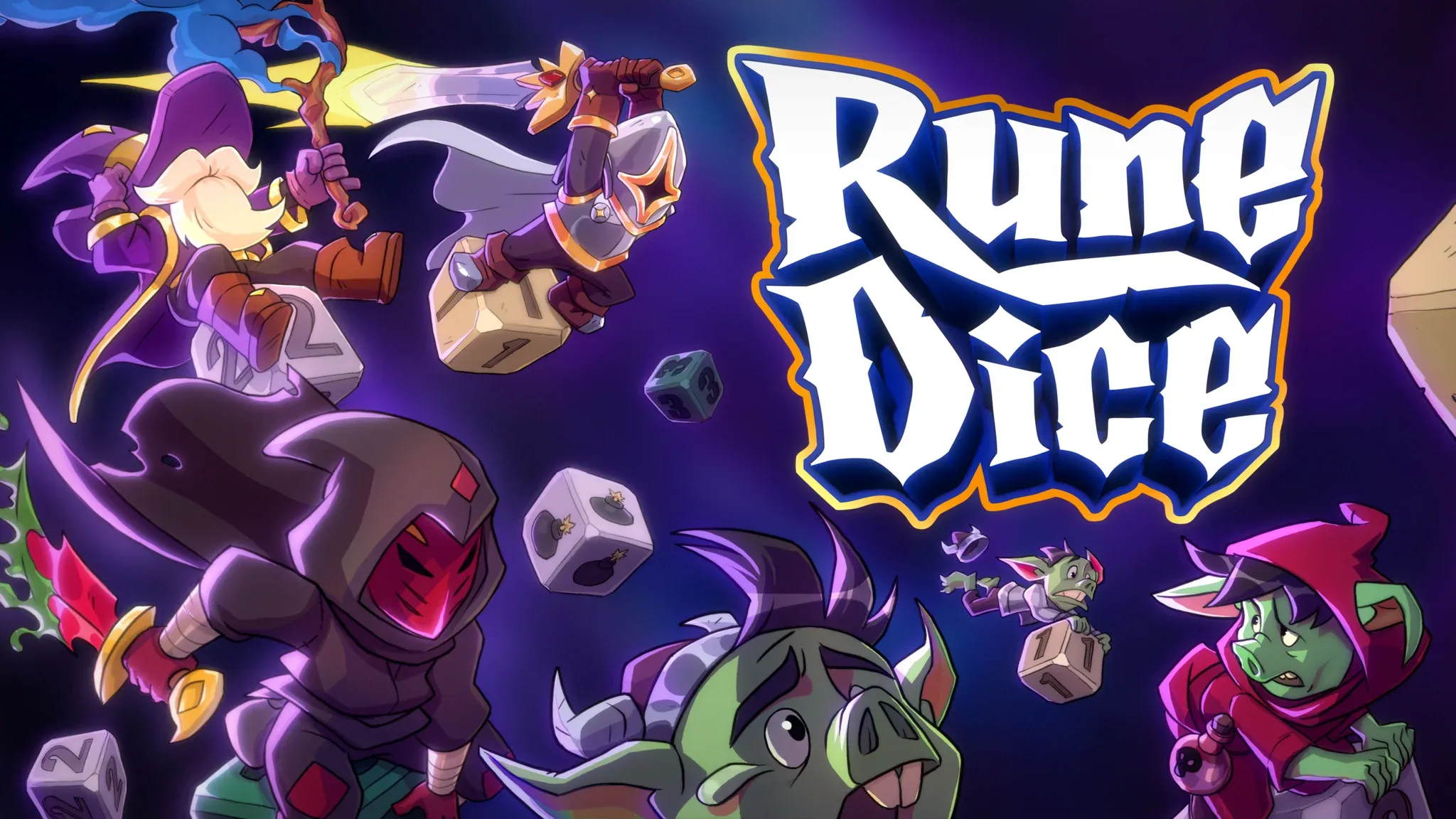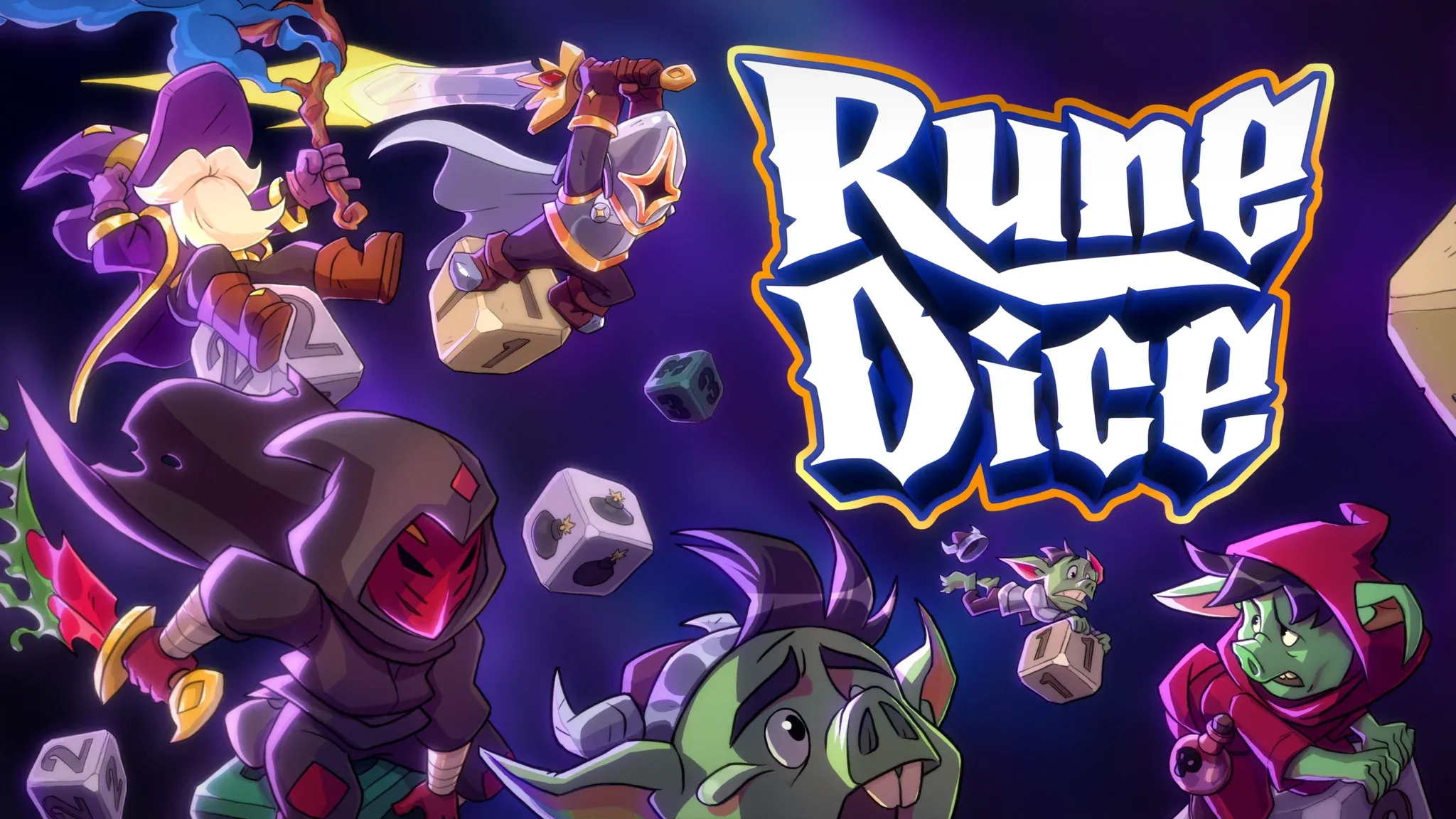

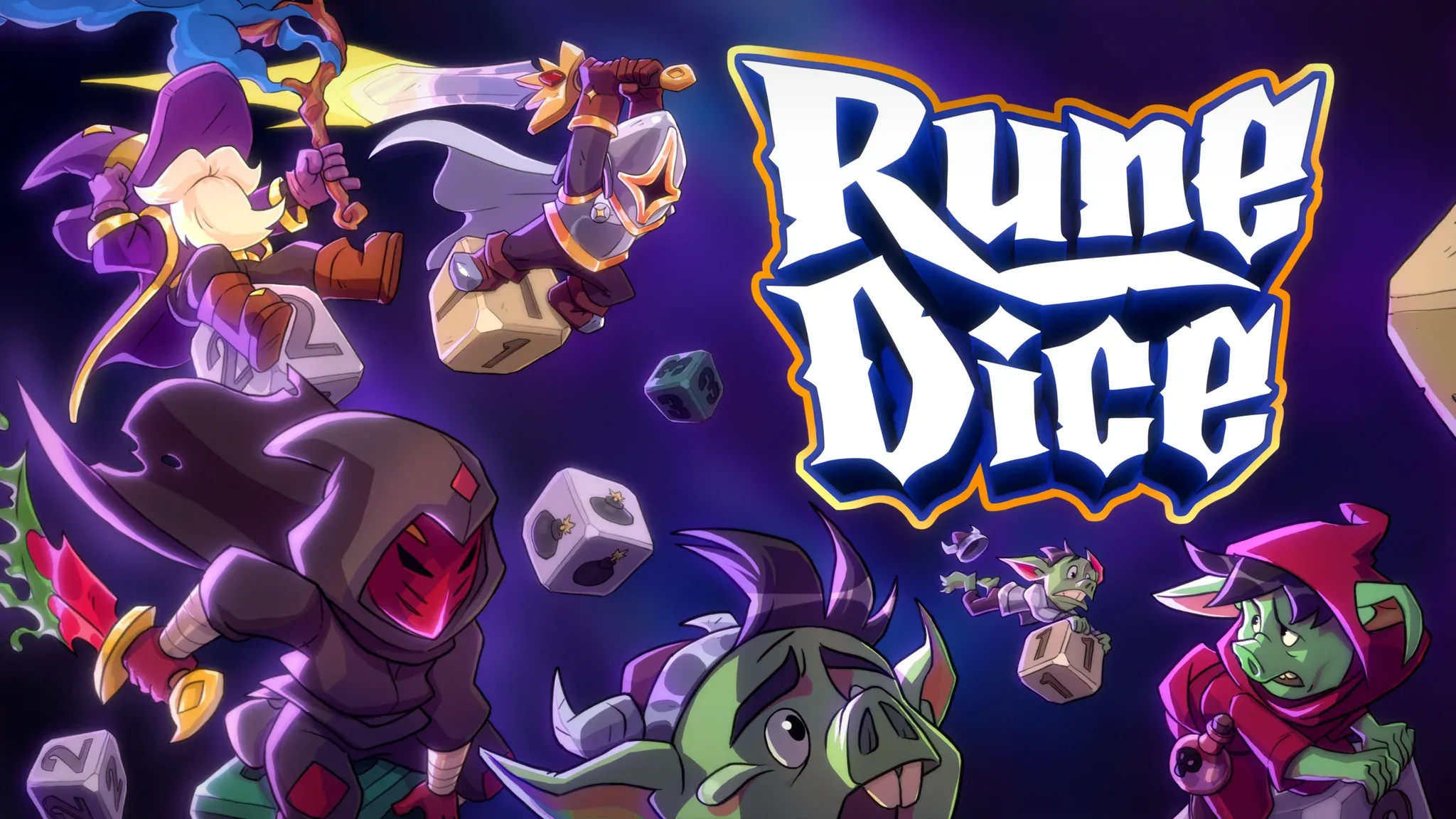
Rune Dice is a physics-based roguelike from Smart Raven Studio, published by Kwalee, that launched on May 19, 2026 across PC, PS5, Xbox Series X, and Nintendo Switch. The core loop: throw dice across enchanted battlefields, merge matching dice into stronger forms, and chain combos that tear through bosses. Pick from 8 hero classes, stack relics and runes, and see how far a single run can take you before it all falls apart.
Dice merge chain in action
How do the 8 hero classes work?
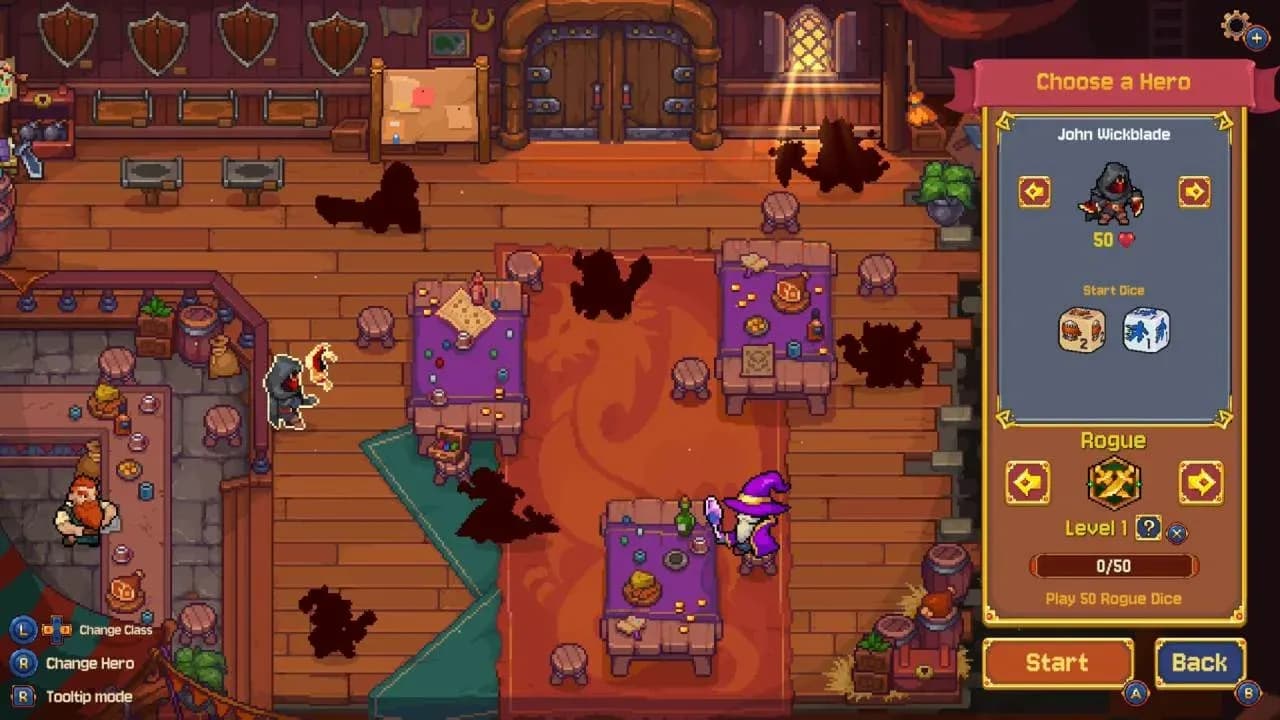
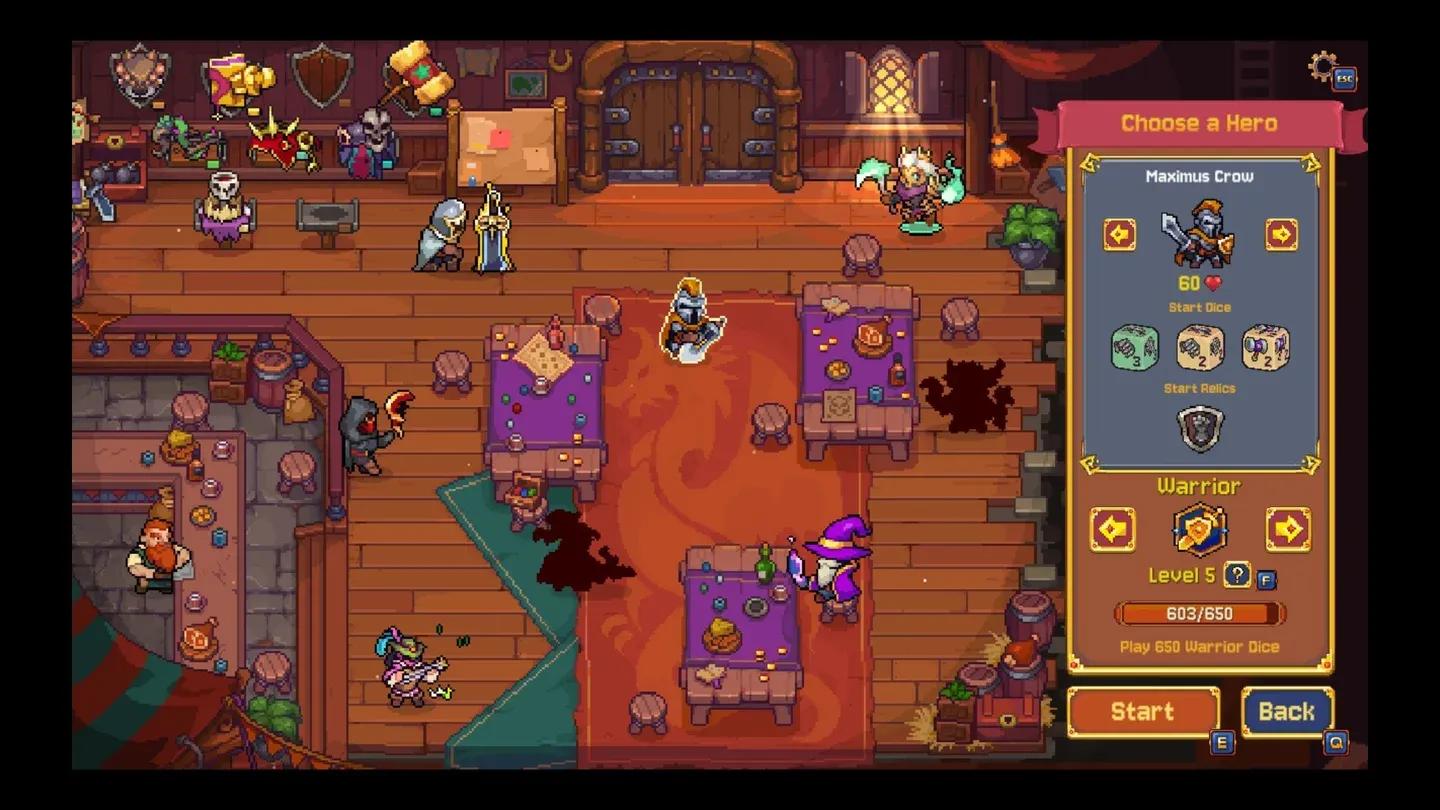
Rune Dice offers 8 unique hero classes, each containing multiple playable heroes. The class you pick determines your starting dice loadout, available abilities, and which relics and runes synergize most naturally with your build.
Your first few runs should sample different options rather than grinding one class to exhaustion. Some classes lean into aggressive dice throws and raw damage output, while others build around merge mechanics and relic stacking. Each class plays differently enough that committing to one before understanding the systems is a mistake.

Choosing your starting class
Each class has multiple heroes within it, meaning you have meaningful choices even before a run begins. Pay attention to which heroes in a class share synergies with the rune and relic pools you have been seeing in earlier runs. A hero whose passive ability triggers on dice merges is worth far more in a merge-heavy build than a raw damage stat advantage.
Hero class select screen
What are relics, runes, and dice synergies?
These three systems are the backbone of every Rune Dice build. The game's design revolves around combining them correctly to create builds that feel unstoppable.
- Relics are persistent passive items that modify how your dice behave or how your hero performs across a run.
- Runes attach to dice and alter their properties, changing damage types, merge thresholds, or triggering special effects on impact.
- Dice synergies emerge when specific combinations of relics and rune-enhanced dice interact, producing effects greater than the sum of their parts.
The discovery loop here is intentional. Smart Raven Studio built the game around finding new combinations across multiple runs rather than optimizing a single path on the first attempt.
How do bosses and mini-bosses work?
Bosses in Rune Dice are not damage sponges. Each boss and mini-boss has unique abilities that require you to adapt your throw patterns and positioning. A dice build that demolished every standard room can fall apart against a boss whose ability punishes the merge mechanic you have been relying on.
Mini-bosses appear on procedurally generated maps and serve as checkpoints that test your current build before the full boss encounter. Treat them as calibration runs: if a mini-boss exposes a weakness in your synergy stack, you have time to correct it before the floor boss.
Rune Dice system comparison
| System | What it does | When to prioritize |
|---|---|---|
| Relics | Passive effects that persist through the run | Early floors, to establish build direction |
| Runes | Modify individual dice properties | Mid-run, once your class identity is clear |
| Dice merges | Combine matching dice into stronger forms | Every room, core mechanic throughout |
| Hero abilities | Class-specific active or passive skills | Determined at class selection, informs everything else |
Quick-start tips for your first run
- Merge early, merge often. The dice merge mechanic is the primary damage multiplier in the game. Letting matching dice sit unmerged is leaving power on the table.
- Read every relic description. Relics with conditional triggers (on merge, on kill, on throw) need to match your playstyle to function. A relic that triggers on kill is weak in a class built around sustained merge chains.
- Mini-bosses are free information. Use them to test whether your current synergy holds up under pressure before committing to a boss fight.
- Physics is a skill. Throw angles, bounce trajectories, and placement all affect whether your dice land on targets or scatter uselessly. Time spent on aim is not wasted.
- Procedural maps mean no two runs are identical. Do not memorize room layouts. Learn systems instead.
For more strategies across all hero classes and relic combinations, the Rune Dice strategy guides cover deeper build theory as the community uncovers new synergies post-launch.