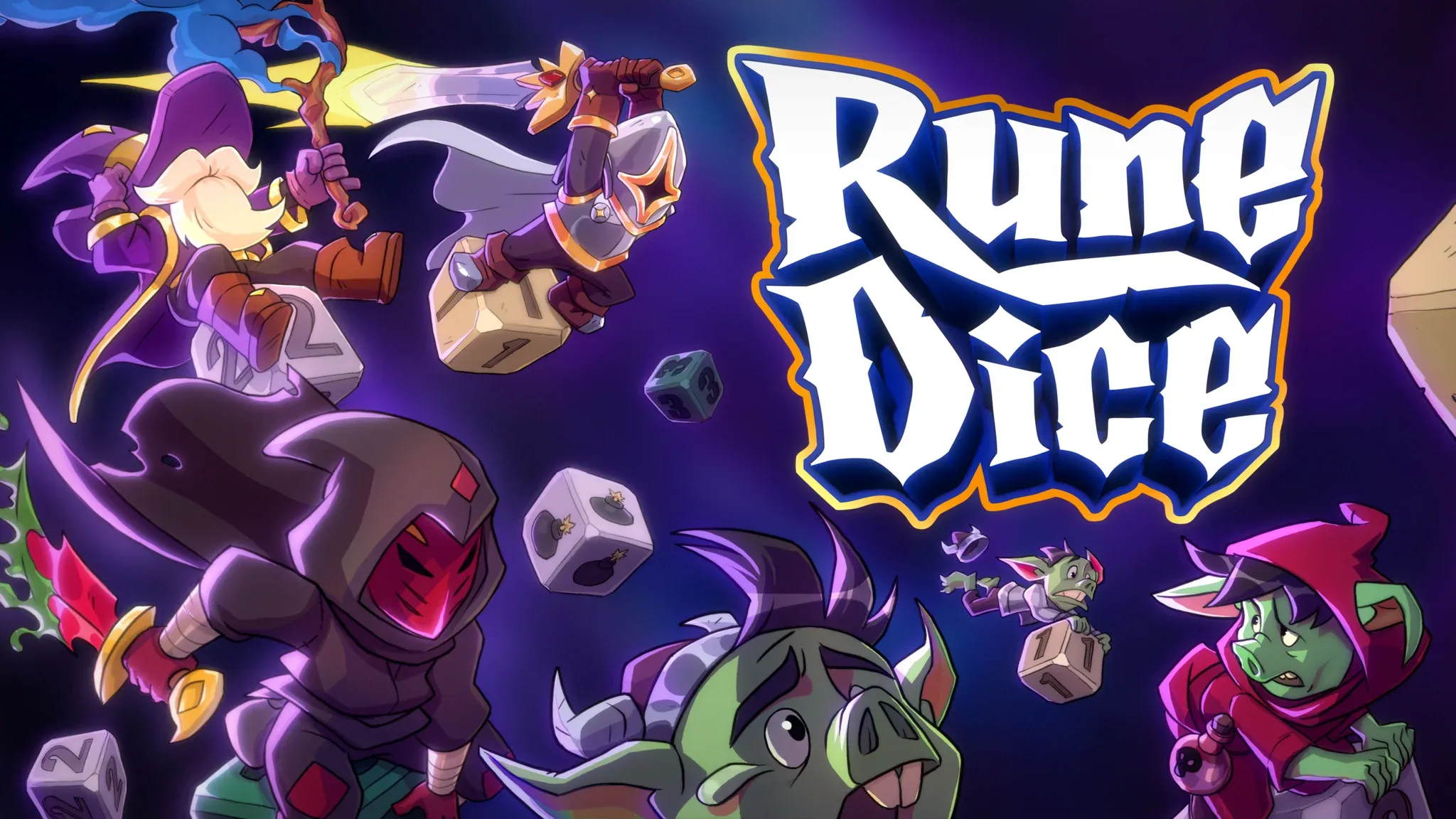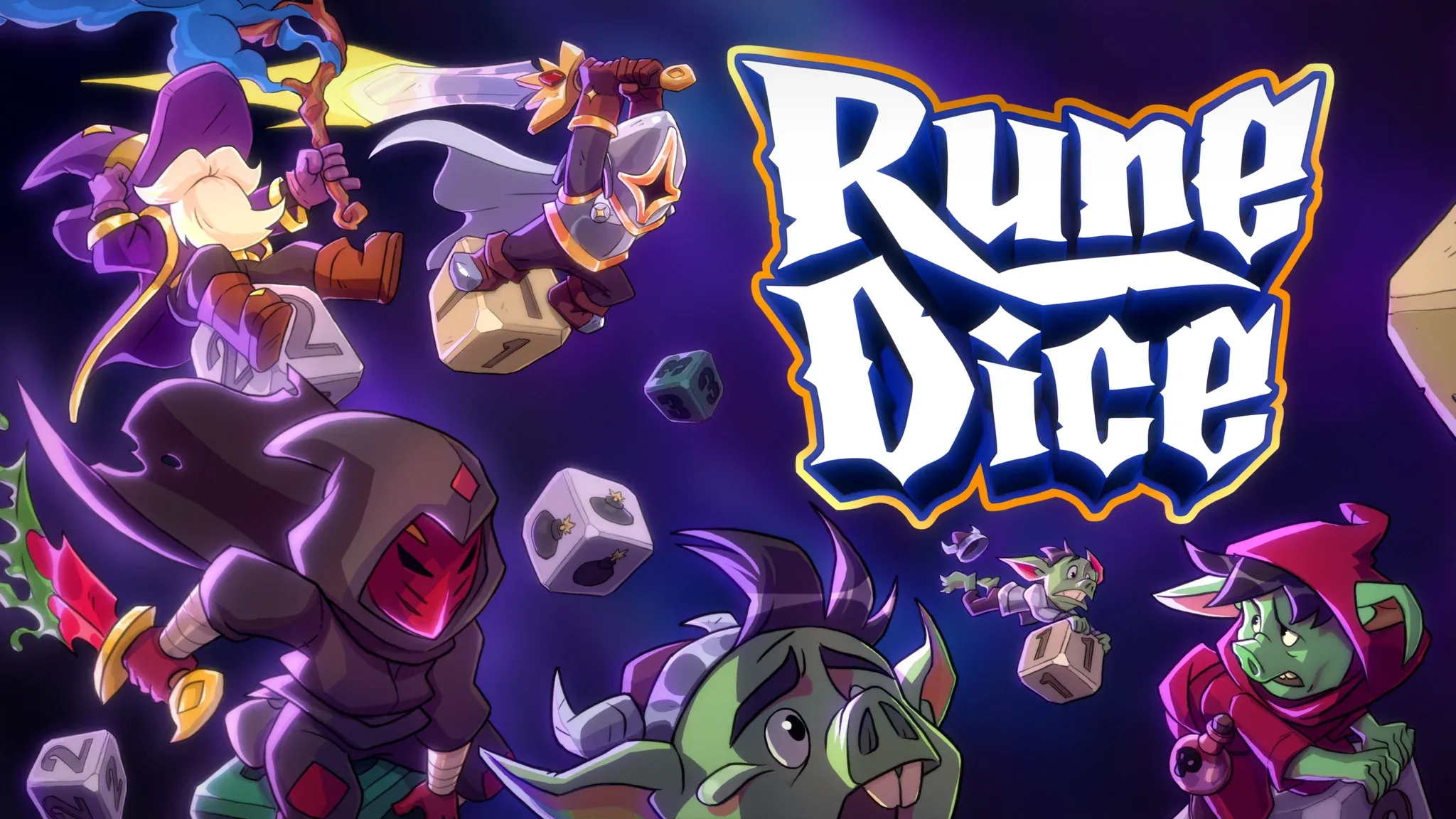

Rune Dice launched its full PC version with 8 distinct classes, up from just 3 in the demo. Two are available from the start; the other six require specific in-run achievements to unlock. Each class plays completely differently, with its own exclusive dice pool, relics, and combat identity. Getting the unlock order right matters more than it might seem, because some classes are far easier to chase early while others demand advanced board control you probably don't have yet.
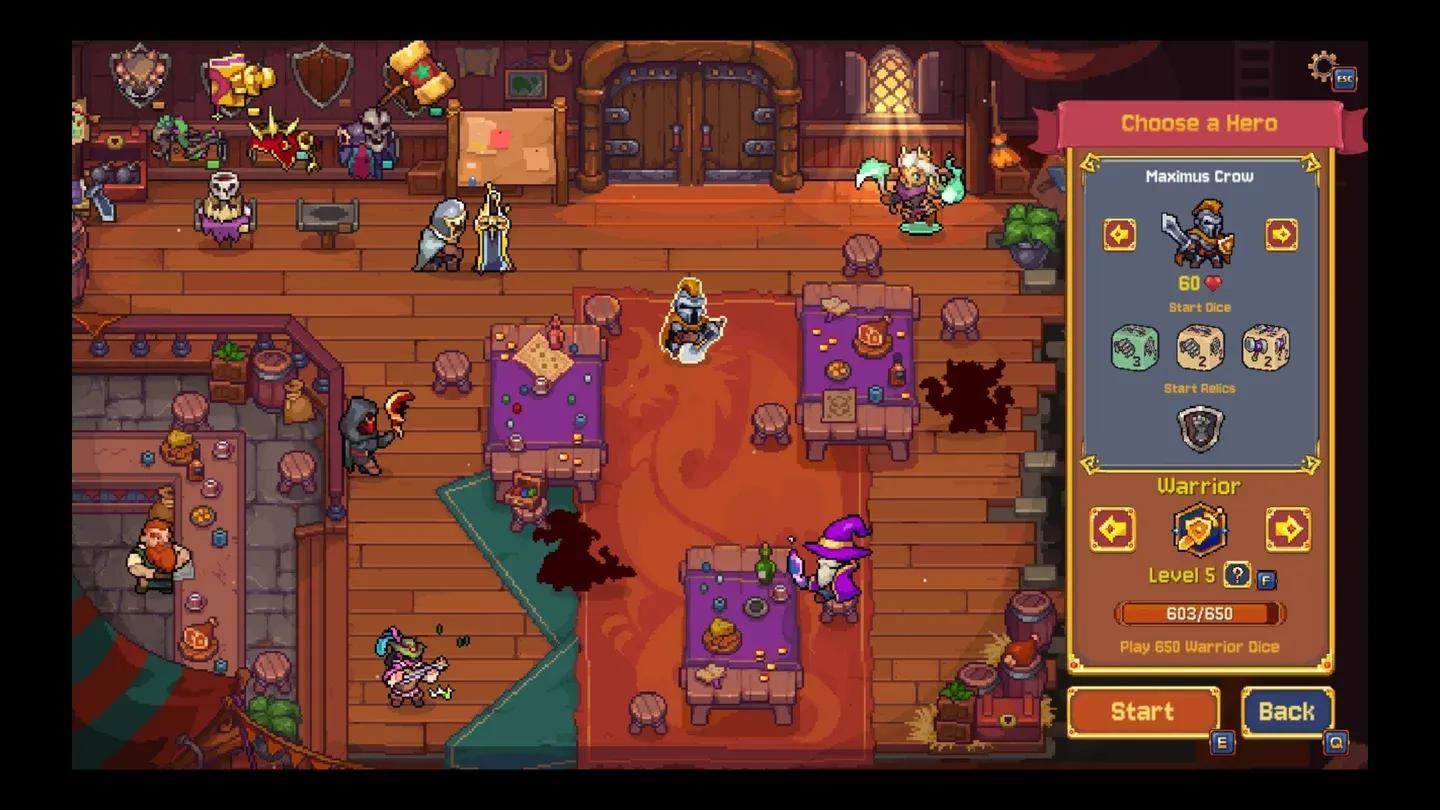
Rune Dice class roster
What classes are in Rune Dice?
Rune Dice has exactly 8 classes: Rogue, Mage, Warrior, Archer, Bard, Druid, Paladin, and Necromancer. Rogue and Mage are unlocked by default. The other six require you to complete specific challenges during your runs.
Here's how to unlock each one:
| Class | Unlock Requirement |
|---|---|
| Rogue | Available by default |
| Mage | Available by default |
| Warrior | Defeat any 2 unique bosses |
| Paladin | Defeat any 20 mini-bosses |
| Druid | Defeat Blight Druid in Hard Mode |
| Bard | Merge a die to a value of 8 or higher |
| Necromancer | Defeat 50 dark knights |
| Archer | Create a dice combo of 40 (maximum possible) in one throw |
Archer has the hardest unlock in the game. A 40-combo in a single throw requires chain merge mastery, the right relics like Gravity and Dice Factory, and a board setup most new players won't have for a while. Don't chase it first.

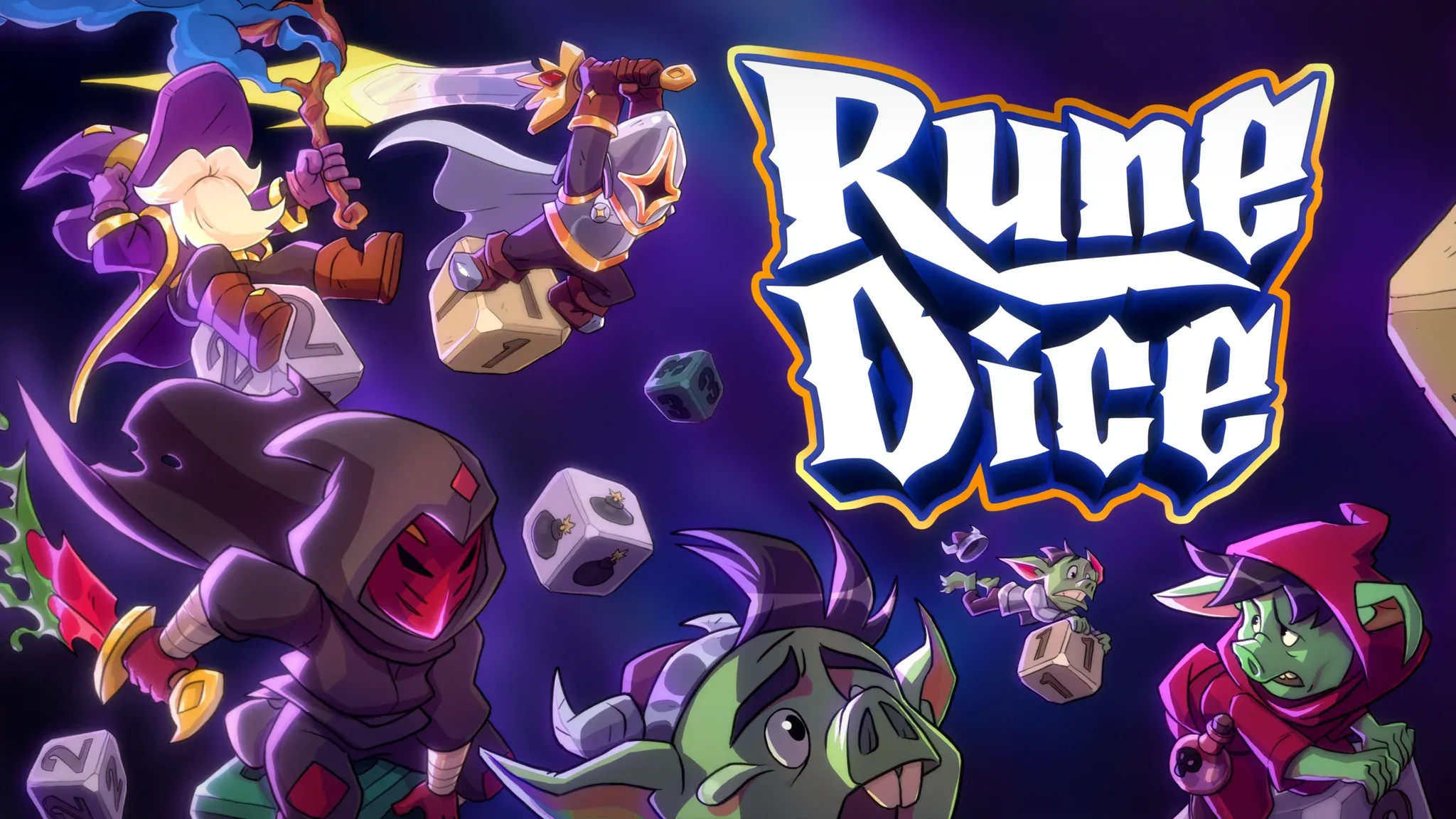
Classes vs. character variants: what's the difference?
This trips up a lot of new players. A class is the main archetype, such as Rogue or Warrior. A character variant (also called a hero) is a different starting version inside that class, often with different starting dice and a separate unlock condition.
For example, the Rogue class contains three heroes:
- John Wickblade: Available from the start within the Rogue class
- Romeo Deathbrew: Unlocked by playing a Dodge Die 50 times
- Mira Mirage: Unlocked by playing a Poison Die 100 times
Unlocking a new hero inside a class changes your starting dice setup, which can make the same class feel dramatically easier or harder. Unlocking the class itself adds a new archetype to your roster. These are two separate progression tracks, and confusing them leads to wasted runs.
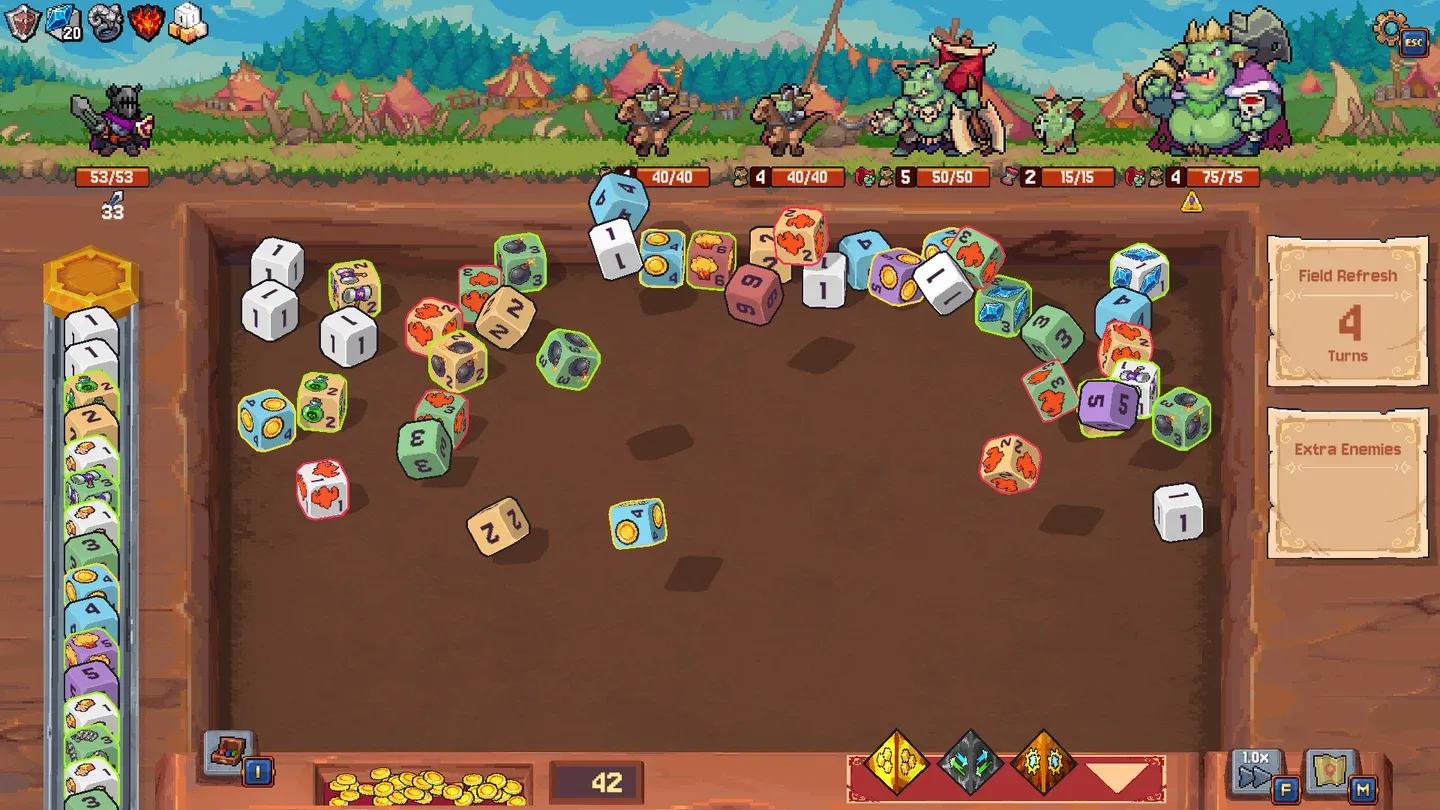
Rogue hero variant selection
What's the best unlock order for beginners?
Based on the difficulty of each requirement and what the class actually gives you, here's the recommended progression path:
1. Warrior (first priority): Defeat any 2 unique bosses. You'll do this naturally just by playing. Warrior gives you Shield and Stun dice, which open up a defensive path that makes later boss-based unlocks much safer. Until you have Warrior, use Rogue as your primary class.
2. Paladin (early-mid): Defeat 20 mini-bosses. This accumulates across multiple runs, so it doesn't require changing your strategy much. Paladin mixes holy attacks with regeneration and sacrifice mechanics, making it one of the more forgiving classes for players still learning boss patterns.
3. Necromancer (mid): Defeat 50 dark knights. This is an enemy-count goal, so take routes with more fights and avoid ending runs early. Necromancer rewards patience, scaling curses and death marks across long fights.
4. Bard (mid): Merge a die to value 8 or higher. This requires understanding chain merges but isn't as demanding as the Archer unlock. Once you're comfortable with merge mechanics, this happens fairly naturally.
5. Druid (late): Defeat Blight Druid in Hard Mode. This is a Hard Mode requirement, so bring survival tools. Druid itself excels in long fights with roots, thorns, and spirit summons.
6. Archer (last): A 40-combo in one throw is the hardest unlock condition in the game. Save this for when you understand push merges, ricochet angles, and board setup turns. Forcing it early wastes good runs.
All 8 classes explained
Rogue
Rogue is the best starting class and the safest option for early progression. Its signature dice are Backstab Die, Blind Die, Dodge Die, and Poison Die. Three heroes are available: John Wickblade (dodge and rapid strikes), Romeo Deathbrew (poison stacking and damage-over-time), and Brutus Backstrike (critical backstab burst). Poison builds can melt bosses quickly, and dodge stacking lets some builds absorb significant incoming damage.
Mage
Mage is the other default class and has the highest damage ceiling in the roster. Signature dice include Fire Die, Freeze Die, Lightning Die, and Arcane Die. Heroes are Merlin the Purple (balanced Arcane utility), Albus Boombledore (explosive fire combos), and Nikola Thunderheart (chain lightning spread). Freeze can stop enemy attacks entirely, which makes it one of the strongest defensive tools in the game despite being an offensive class.
Warrior
Warrior is the most important early unlock. Signature dice: Fury Die, Overwhelming Die, Shield Die, and Stun Die. Heroes are Arahorn Thronebane (balanced tank with crowd control), Maximus Crow (shield generation focus), and Nanoc the Barbarian (aggressive Fury attacks). Shield builds can become nearly unbreakable once the right relics stack up, but don't build only defense. Fights that drag too long give bosses time to overwhelm you through sheer volume.
Paladin
Paladin is the best class for players still learning boss mechanics. Signature dice: Holy Die, Rage Die, Regeneration Die, and Sacrifice Die. Heroes are Azkali Lightbringer (balanced healing tools), Cassius Holywar (aggressive Rage frontline), and Ragnar Lightborn (regeneration and sacrifice survival). The combination of healing and reliable damage makes it forgiving without being boring.
Necromancer
Necromancer is terrifying in extended fights. Signature dice: Curse Die, Death Mark Die, Drain Die, and Soul Die. Heroes are Edward Darksparkle (curse-heavy enemy weakening), Dexter Deathnote (Death Mark scaling), and Rick Mortis (life drain sustain). Drain builds also provide some of the strongest healing in the game, which makes Necromancer surprisingly survivable despite its offensive identity.
Druid
Druid wins through attrition. Signature dice: Growth Die, Root Die, Spirit Die, and Thorn Die. Heroes are Darwin Wildform (balanced nature damage), Bear Thornweaver (thorn tank builds), and Groot Rootcaller (roots and spirit summons). Spirit swarm builds become extremely powerful once relic synergies activate, but the class needs time to set up. Don't expect Druid to burst anything down.
Bard
Bard scales with fight duration through buffs and stacking bonuses. Signature dice: Inspire Die, Encore Die, Strength Die, and Weakness Die. Heroes are Dan Deliono (Inspire and Strength stacks), Orpheus Goldstring (Encore combo chains), and Taras Kobzar (weakness debuffs amplifying team damage). Relics like Double Lute and Battle Drum significantly accelerate Bard's scaling.
Archer
Archer is the premier single-target boss killer. Signature dice: Sniper Die, Pierce Die, Finisher Die, and Knockback Die. Heroes are Clint Westfield (precision attacks and executions), Arrow Smith (piercing and knockback positioning), and Silva Nightwalker (stealth burst and finishing). Sniper and Finisher builds delete dangerous enemies fast, while Pierce setups handle grouped waves.
How to build runs around unlock goals
The key mental shift is this: a normal run asks how to win. An unlock run asks what the specific requirement needs.
| Unlock type | Good choices | Avoid |
|---|---|---|
| Boss progress | Healing, Protection, Weakness runes, boss damage | Spending all runes before the boss fight |
| Combo goal (Bard/Archer unlocks) | Gravity, Dice Factory, extra throw effects, low-value chains | Taking random dice with no merge synergy |
| Enemy-count goal (Necromancer) | More fights, stable sustain, area damage | Risky routes that end runs early |
| High-value die goal (Bard unlock) | Protecting 4s, 5s, and 6s for chained merges | Wasting mid-value dice on weak early merges |
| Hard Mode goal (Druid unlock) | Dodge, Shield, Stun, healing, conservative routes | Greedy damage with no fallback plan |
The best unlock runs are controlled runs where every reward choice points at one clear goal. A stable win that doesn't hit the unlock still progresses class leveling and gives you coins for future attempts.
For deeper strategy on specific classes and builds, the Rune Dice strategy guides cover individual class builds, boss routing, and advanced merge techniques in detail. If you're exploring more indie games with roguelite progression systems, there's plenty of crossover knowledge that applies here too.