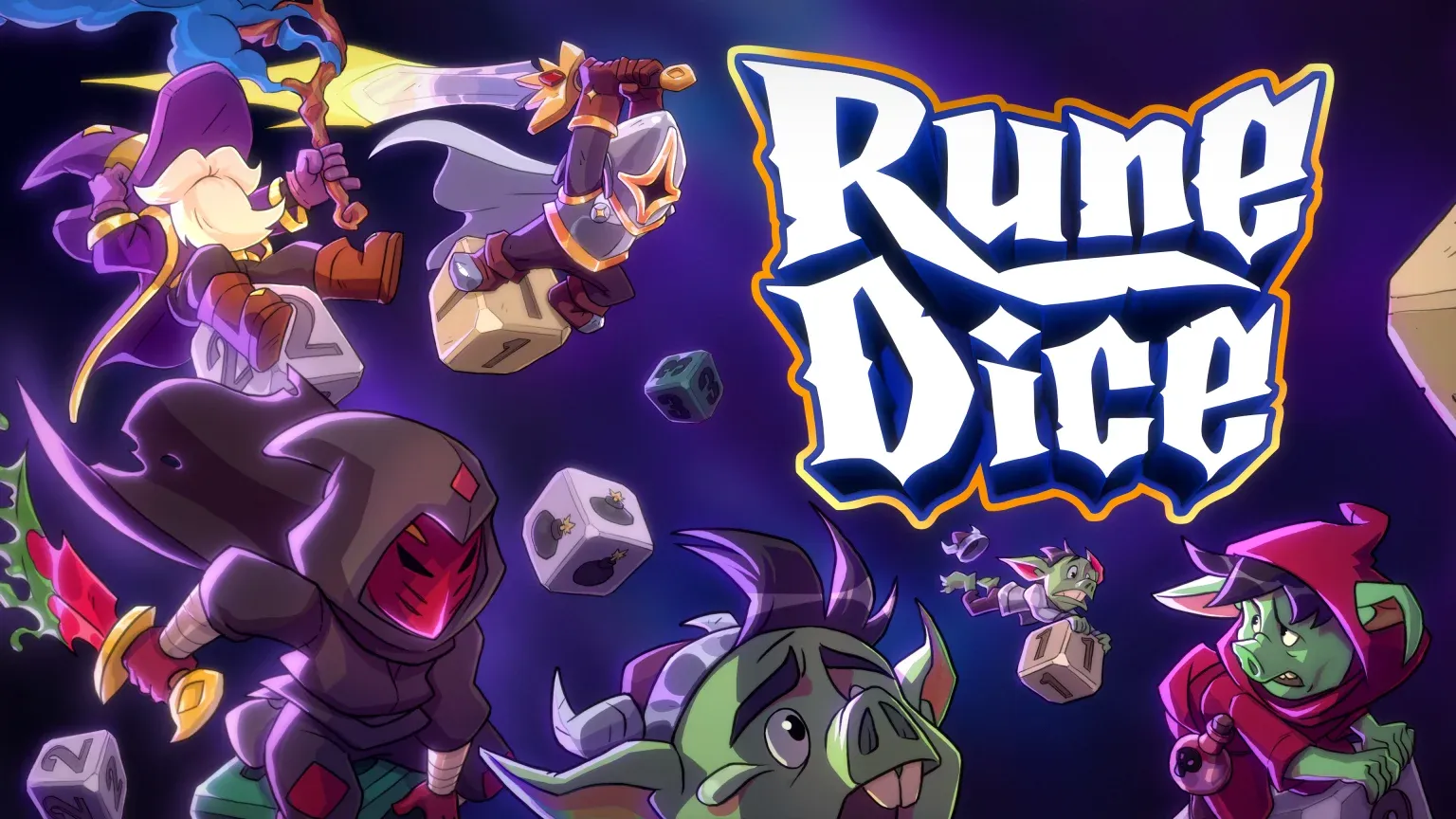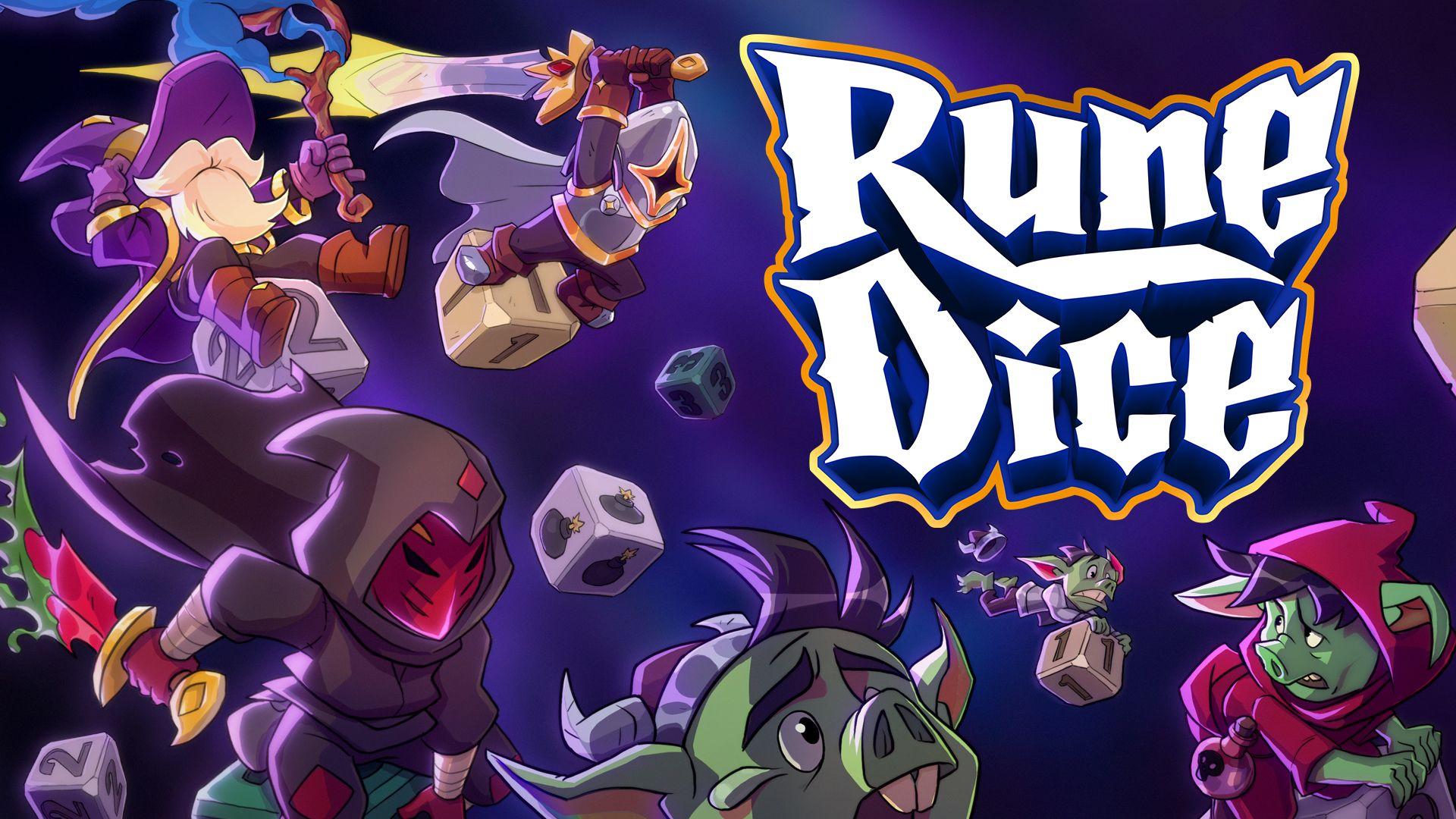

Rune Dice is a tactical deckbuilding roguelike where you launch dice across a physics-based board, trigger chain reactions, and build synergies between dice, relics, and runes to take down increasingly punishing bosses. Hard mode strips away any safety net the normal runs provide. The chains that feel satisfying on a standard run become the difference between winning and watching your health evaporate. This guide breaks down exactly what you need to know to clear hard mode consistently.
What makes hard mode different from a standard run?
The core loop stays the same: launch dice, trigger merges, deal damage. What changes in hard mode is the margin for error. Bosses hit harder, and as community discussions on the Steam page confirm, magic damage from certain bosses cannot be blocked or avoided, which means your only answer is killing them faster. That shifts your entire build philosophy from "survive and scale" to "maximize chain output early."
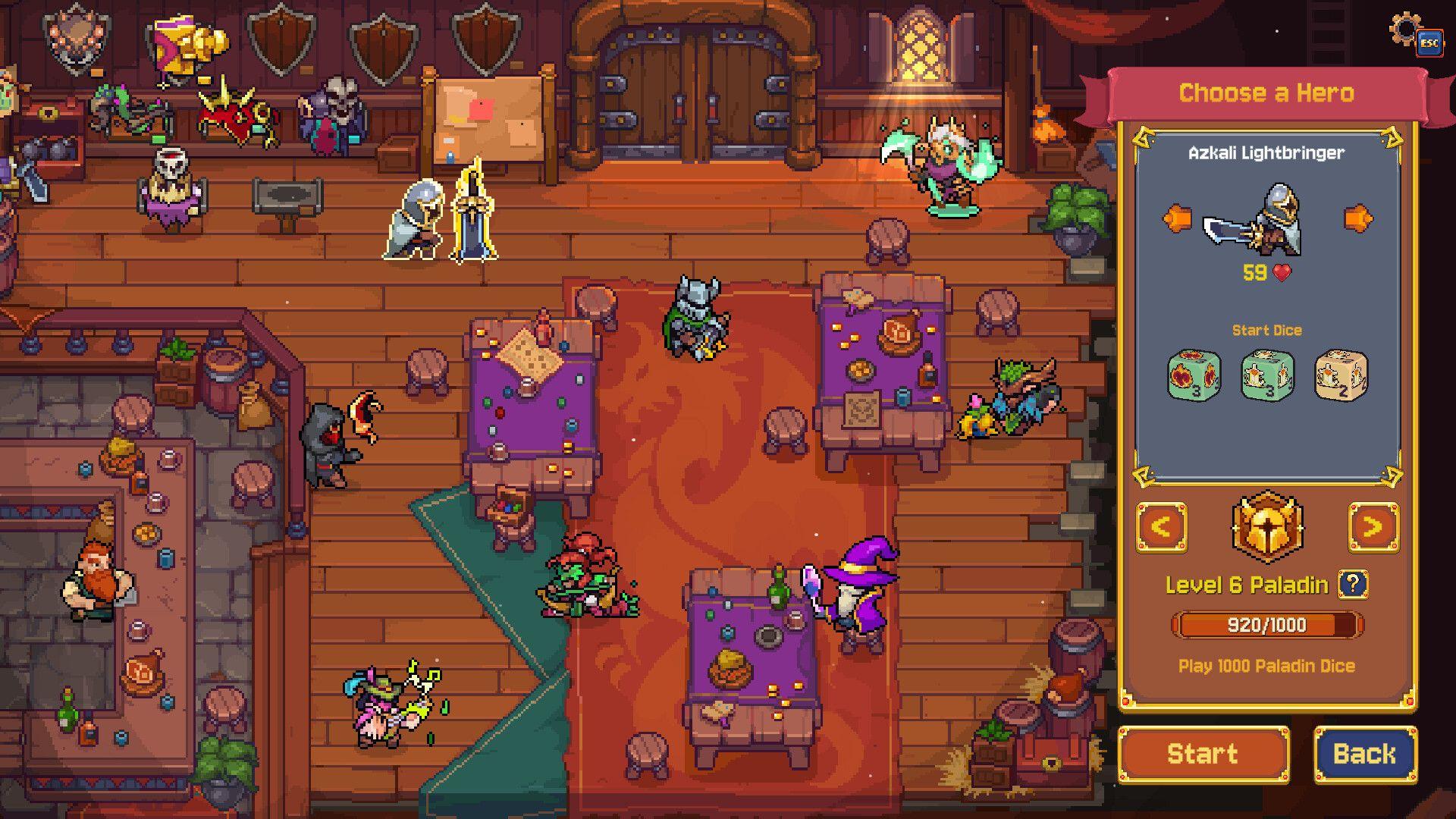
The short session structure of Rune Dice, which developer Oleksii confirmed was a deliberate design choice to keep every throw meaningful, means you have roughly 15 stages in a single world to build your dice collection before a boss encounter. Hard mode punishes passive play within those stages.

How do chain reactions actually work?
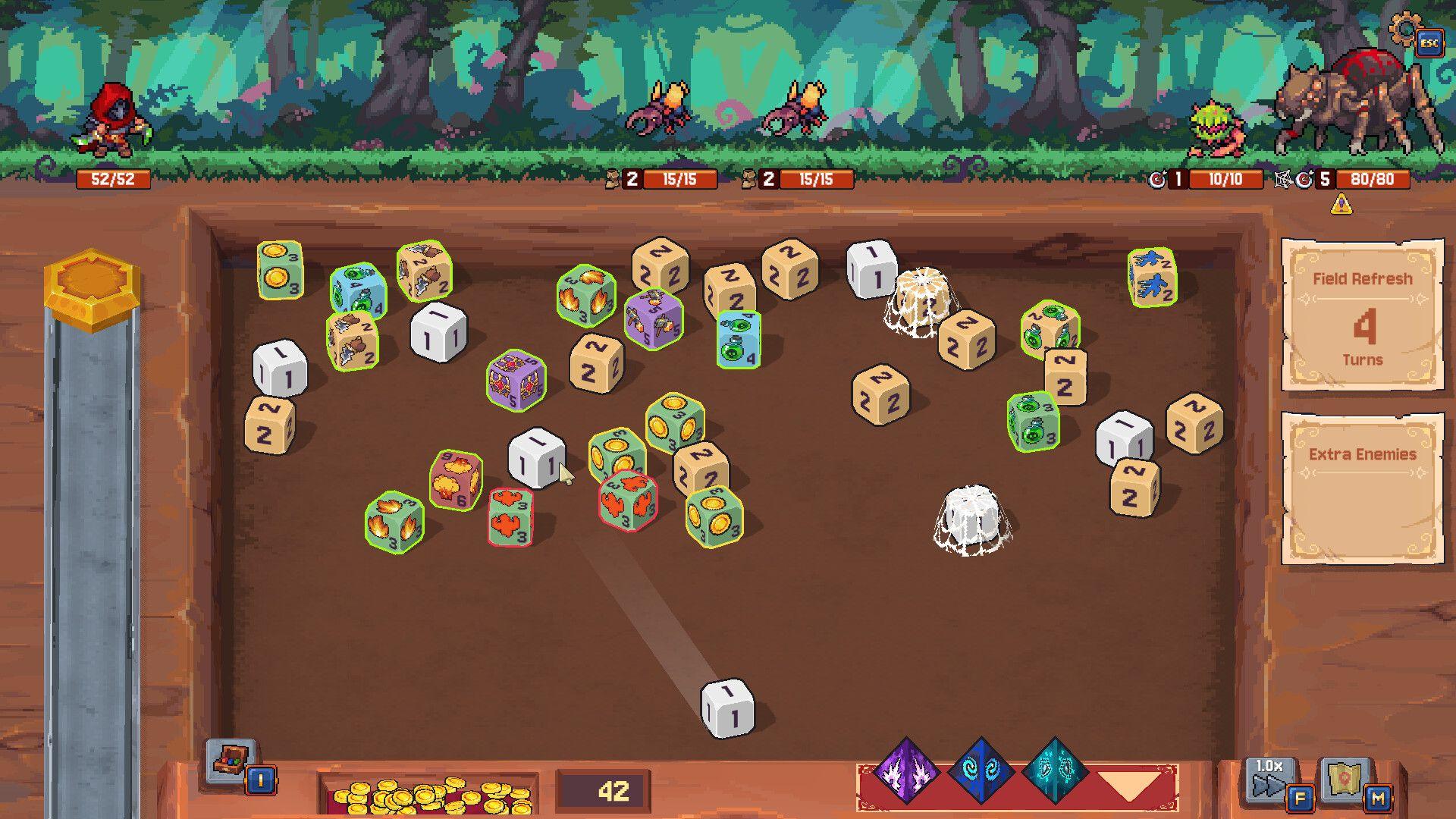
Every merge between two matching dice triggers a chain reaction. The physics engine handles where merged dice land, which means aim and positioning matter as much as your build. After testing dozens of runs across multiple classes, the single biggest mistake players make is launching dice without considering where the resulting merge will land. A merge that drops into an empty corner ends your chain immediately.
The Steam community has flagged a frustration that resonates here: dice that appear to be touching sometimes refuse to merge and break chains. Until the developer adjusts the merge detection radius, the practical workaround is to aim for the center of dice clusters rather than edges. This keeps chains alive longer and reduces the chance of a dead-end merge.
Which hero classes perform best on hard mode?
Rune Dice launches with multiple distinct hero classes, each built around a unique class mechanic rather than just stat differences. Based on community feedback and available Steam discussions, the classes that handle hard mode best are the ones that generate additional dice or accelerate merge opportunities, since both directly increase your chain count per throw.
The Mage class has dedicated community content (including a full learning session video posted to the Steam hub) suggesting it has enough depth to reward study. Players chasing the Archer unlock have reported needing 40-combo chains, which places it firmly in the advanced category and confirms it requires a well-optimized build to even unlock.
| Class Feature | Hard Mode Value |
|---|---|
| Additional dice generation | High: more dice means more potential merges |
| Unique class mechanic | High: defines your chain strategy |
| Healing options | Medium: magic damage bypasses most mitigation |
| Consumable synergies | Low: one-time effects rarely swing hard fights |
What relic and rune combinations should you prioritize?
The game's description confirms you build synergies between dice, relics, and runes. On hard mode, the relics that extend or amplify chains are worth far more than flat healing. Steam reviews note that run choices sometimes feel like picking between a new die, healing 9 HP, or a consumable that also heals 9 HP. When those are your options, the new die wins almost every time on hard mode, because more dice on the board means more merge opportunities and longer chains.
Runes that affect dice behavior, particularly anything that influences where dice land after a merge, have outsized value because they directly address the physics problem at the heart of hard mode. A rune that pulls merged dice toward the center of the board is functionally more powerful than one that adds a flat damage bonus.
How do you hit 40-combo chains for the Archer unlock?
This is one of the harder achievements in the game. Community members on Steam report being stuck at 38 combos after hours of attempts with multiple classes at high upgrade levels. The setups that get closest involve Fortune Time 3 combined with gravity effects, or spring-based builds with 10 or more dice on the board simultaneously.
The key insight is that combo count depends on the total number of merges in a single chain, which means you need both a large dice pool and a board state where merged dice keep landing on other matching dice. Build your dice collection toward a single high-value number type rather than spreading across multiple values. A board full of matching dice gives every merge a high probability of landing on another match.
Should you play short sessions or wait for Classic Mode?
As of May 2026, developer Oleksii announced that Classic Mode is in active development, described as longer sessions with deeper builds covering all three locations in a single run. A playtest was expected within one to two weeks of the announcement. Classic Mode will sit alongside the existing short-session format rather than replacing it.
For hard mode specifically, the current short-session structure actually trains better fundamentals. Every throw matters, every choice between stages is consequential, and you cannot rely on scaling to bail out a weak mid-run. Players who master hard mode in short sessions will likely find Classic Mode significantly easier when it launches.
Hard mode tips that most players overlook
- Track boss completion per class. Community members have already requested completion markers on the boss select screen. Until that feature ships, keep your own notes on which classes have cleared which bosses on hard mode to avoid repeating cleared content.
- The demo is available. The free demo on Steam lets you practice core mechanics without committing to a full run. Use it to test chain setups before attempting hard mode on classes you haven't mastered.
- Discord is active. The official Rune Dice Discord runs competitions and speed-running events. Watching speed-run approaches teaches chain optimization faster than most written guides.
- Magic damage is a timer, not a problem to solve. Treat bosses that deal unavoidable magic damage as DPS checks. If your chain output isn't high enough to kill them before they kill you, the fix is a stronger dice build, not better positioning.
For more strategies across every class and boss, the full Rune Dice strategy guides collection covers additional builds and run-specific tips. Rune Dice sits firmly in the indie games space where small teams ship genuinely original mechanics, and the physics-based chain system here earns that distinction.