
What are relics in Rune Dice?
Rune Dice is a roguelike dice-roller where relics sit at the center of every meaningful run decision. These passive items stack effects across your run, shaping how your dice rolls translate into damage, shields, gold, and other core resources. Understanding what each relic does and when to prioritize it is the difference between a run that collapses at the midpoint and one that snowballs into a clean clear.
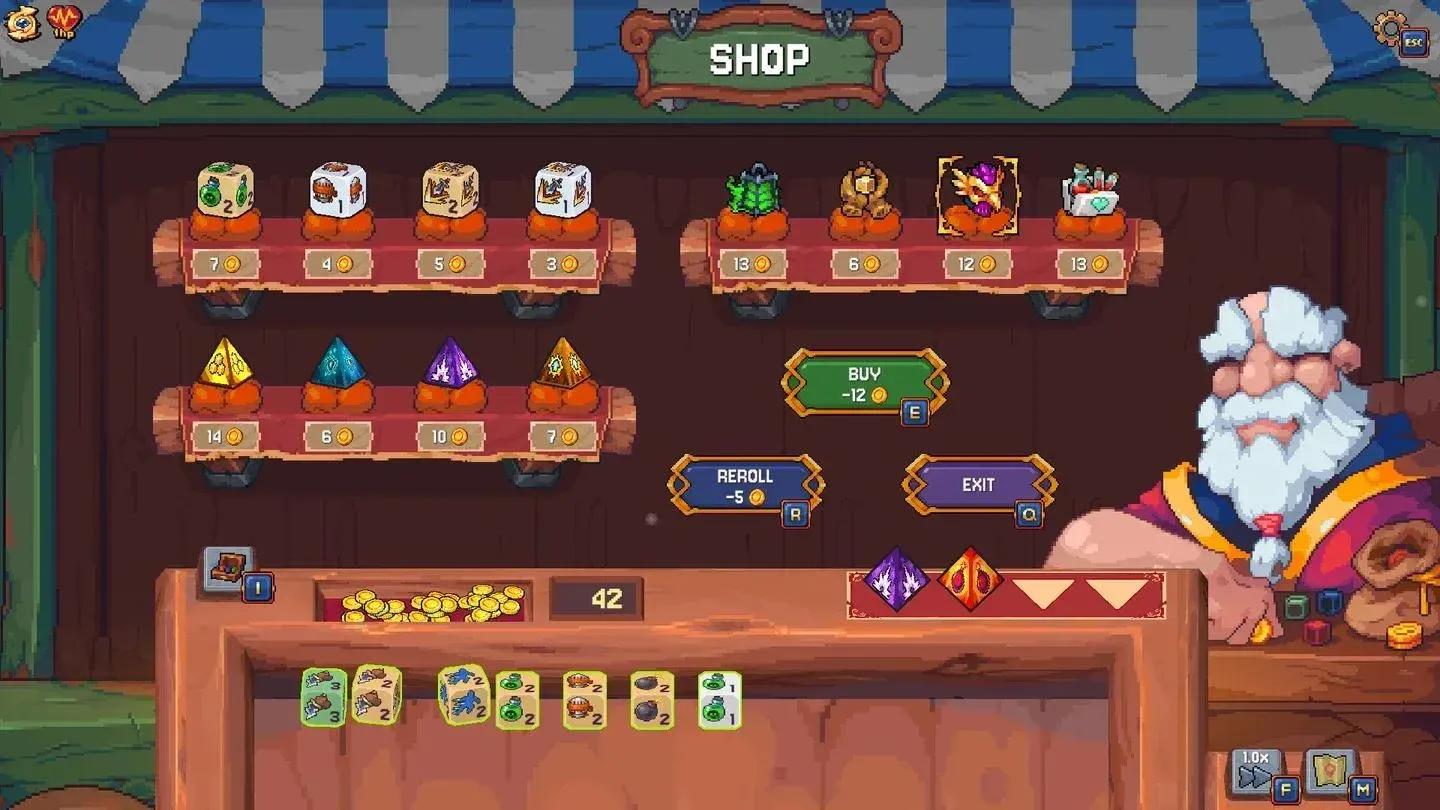
Relic selection mid-run

How does the relic system work?
Relics are permanent passive bonuses you collect throughout a run. Unlike single-use consumables, they stay active from the moment you pick them up until the run ends. Most relics modify one or more of your core stats, and the effects compound as you stack compatible pieces together.
The system rewards players who recognize synergies early. Grabbing a relic that boosts gold generation only pays off if you have something to spend gold on. A relic that amplifies high-roll results is far more valuable once your dice pool already skews toward high faces.
What stats do relics affect?
Based on available information, relics in Rune Dice interact with several run-defining stat categories. Here is a breakdown of the main stat types and how relics typically influence them:
| Stat Category | What It Controls | Relic Influence |
|---|---|---|
| Damage | Dice roll converted to attack | Multipliers, flat bonuses |
| Shield | Damage absorbed per turn | Generation rate, max cap |
| Gold | Currency earned per encounter | Drop rate, bonus on kills |
| Rerolls | Extra dice attempts per turn | Count increase, cost reduction |
| Luck | Probability of high-face results | Weighting adjustments |
Each category has relics that either add flat values or apply percentage-based scaling. Flat bonuses are stronger early when your base stats are low. Percentage-based relics pull ahead once those base numbers climb.
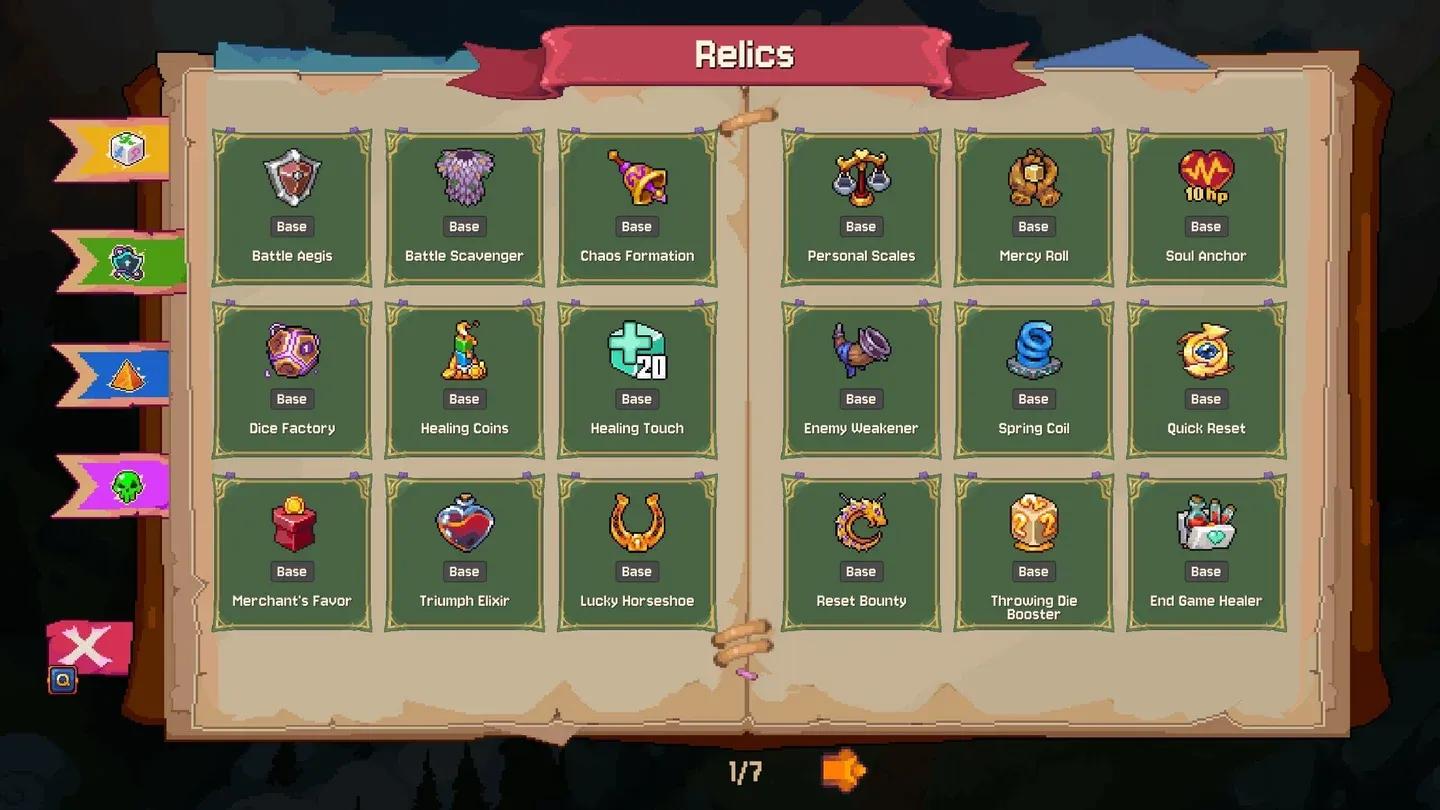
Active relic stat bonuses
How do you unlock relics?
Unlock requirements vary by relic tier. Common relics are available from the start of your first run. Rarer relics unlock by meeting specific run conditions, such as reaching a certain floor, defeating a boss without taking damage, or finishing a run with a particular dice configuration active.
The unlock system functions as a progression layer on top of each individual run. Even failed runs contribute to unlocks if you hit the required milestone before the run ends.
For players building toward a full relic collection, the Rune Dice strategy guides cover additional run structures that help you hit unlock thresholds without sacrificing run integrity.
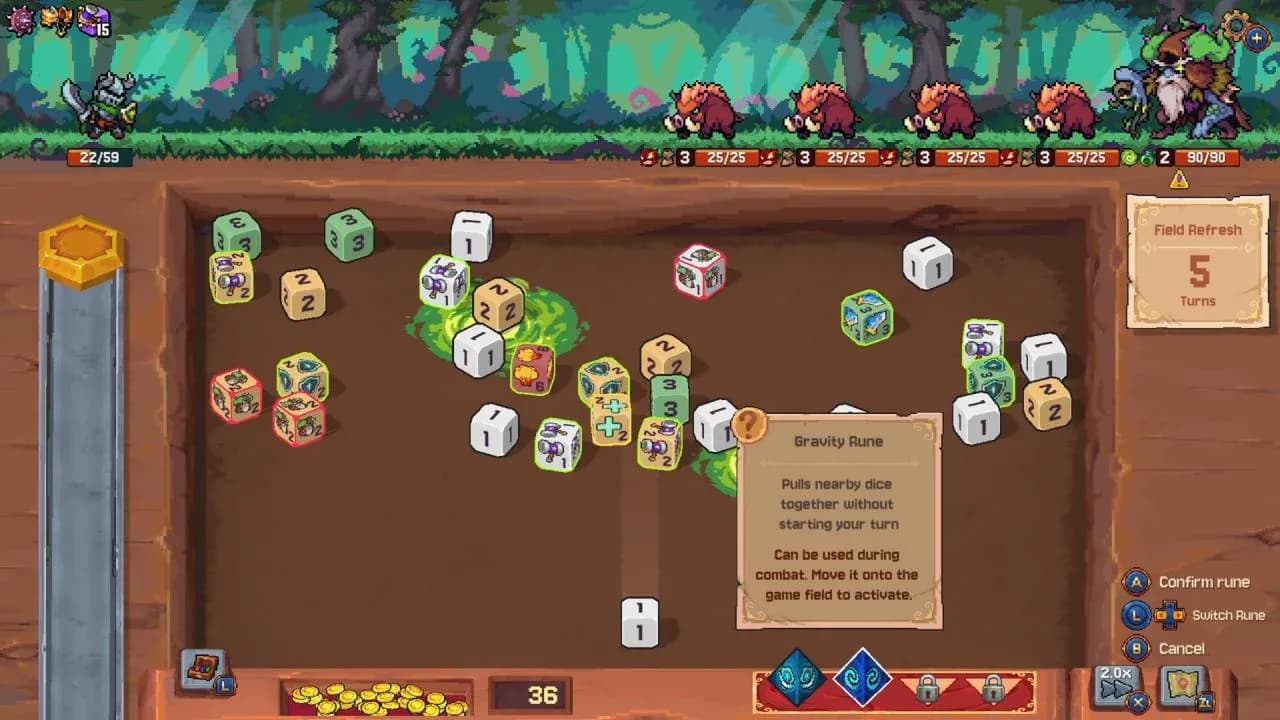
Relic unlock progress tracker
Which relics should you prioritize?
Without confirmed per-relic data from current sources, the safest framework is to evaluate relics against three questions:
- Does this relic reinforce what your current dice pool already does well?
- Does it reduce a weakness that has ended previous runs?
- Does it scale into the late game, or does it only help now?
Relics that answer yes to two or more of those questions are worth taking over a marginally stronger-looking alternative that only addresses one.
The indie games genre is full of roguelikes that punish greedy relic picks, and Rune Dice is no exception. A relic that inflates your damage by 20% means nothing if you cannot survive long enough to deal it.
Stacked relics in active run
Run result stats: what do they tell you?
At the end of each run, Rune Dice displays a results screen with key performance metrics. These numbers are more than a score. They are a diagnostic tool. If your damage output was high but your shield stat was near zero, that tells you where your next relic priority should be. If gold generation was capped but you had nothing to spend it on, your next run needs a different economic relic to pair with it.
Reading run results critically turns every failed run into a data point rather than a loss.
Build your relic knowledge run by run
Rune Dice rewards players who treat each run as a learning session. Relics are the primary lever for shaping your build, and understanding their effects and unlock conditions gives you a meaningful edge over players who just take whatever looks biggest on the number. For more strategies covering every part of a run, the full Rune Dice guide library has you covered.