

Biggest discounts, free games, and limited-time offers across every major gaming store.
Never pay full price again.
Overview
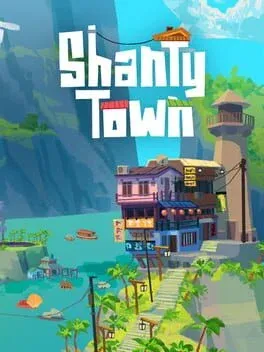
ShantyTown is a calm, atmospheric diorama-building game developed by Erik Rempen and published by Kinephantom Games, released on April 16, 2026. The premise is simple but genuinely compelling: build improvised urban neighbourhoods across 20 distinct locations, each with its own identity, object set, and limited space to work with. There are no timers, no fail states, and no single correct solution. The whole point is to fill every corner with something.
The game draws directly from Rempen's love of densely built cities around the world, places where every alley and rooftop tells a story. That inspiration shows in how ShantyTown is structured. Players take on the role of a surveyor tasked with constructing and photographing each location, from the warm glow of the Hotpot Casino to the cramped pipes of the Marshlands, to the solitary Lighthouse. Each site feels distinct rather than interchangeable.
Progression works through a satisfying loop: build out a location, upgrade key structures by supplying them with light, equipment, and decorations, then photograph the finished scene before moving on. Completing upgrades unlocks new objects and decorations, which gives the building process genuine momentum without ever feeling like a grind.
Gameplay and mechanics: how does building in ShantyTown actually work?
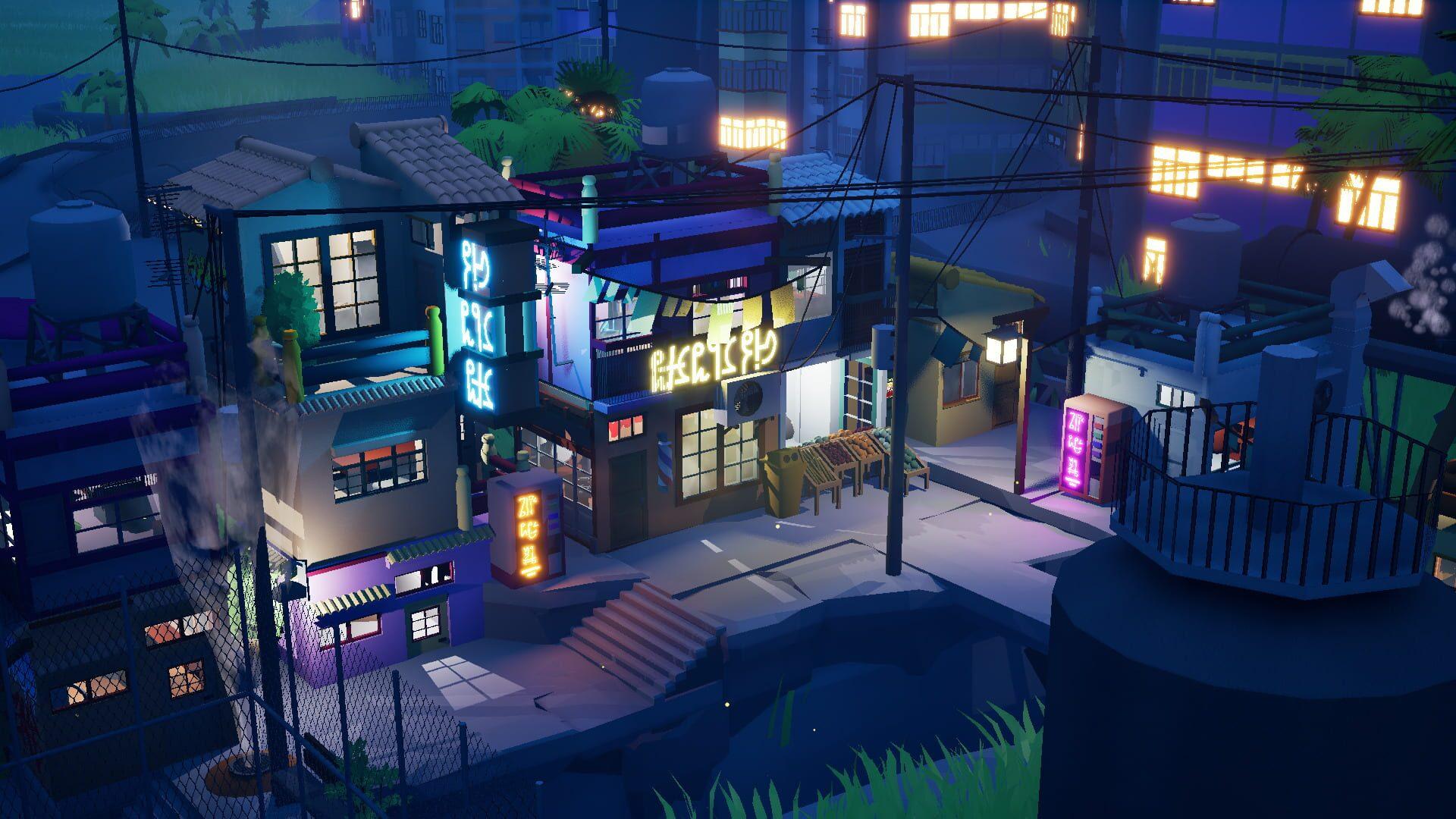
ShantyTown's core mechanic is freeform placement with a light layer of optional structure. Every location comes with a unique set of objects, including food trucks, neon signs, industrial chimneys, and more, and a constrained space that encourages creative stacking rather than sprawling layouts. The instinct-driven design means there's no grid to conform to and no efficiency metric to chase.
Key features include:
- 20 locations with unique object sets
- Optional objectives to guide creativity
- Upgrade system for shops, residential buildings, and gates
- Hidden objects scattered throughout each location
- Advanced camera settings for composing final photographs
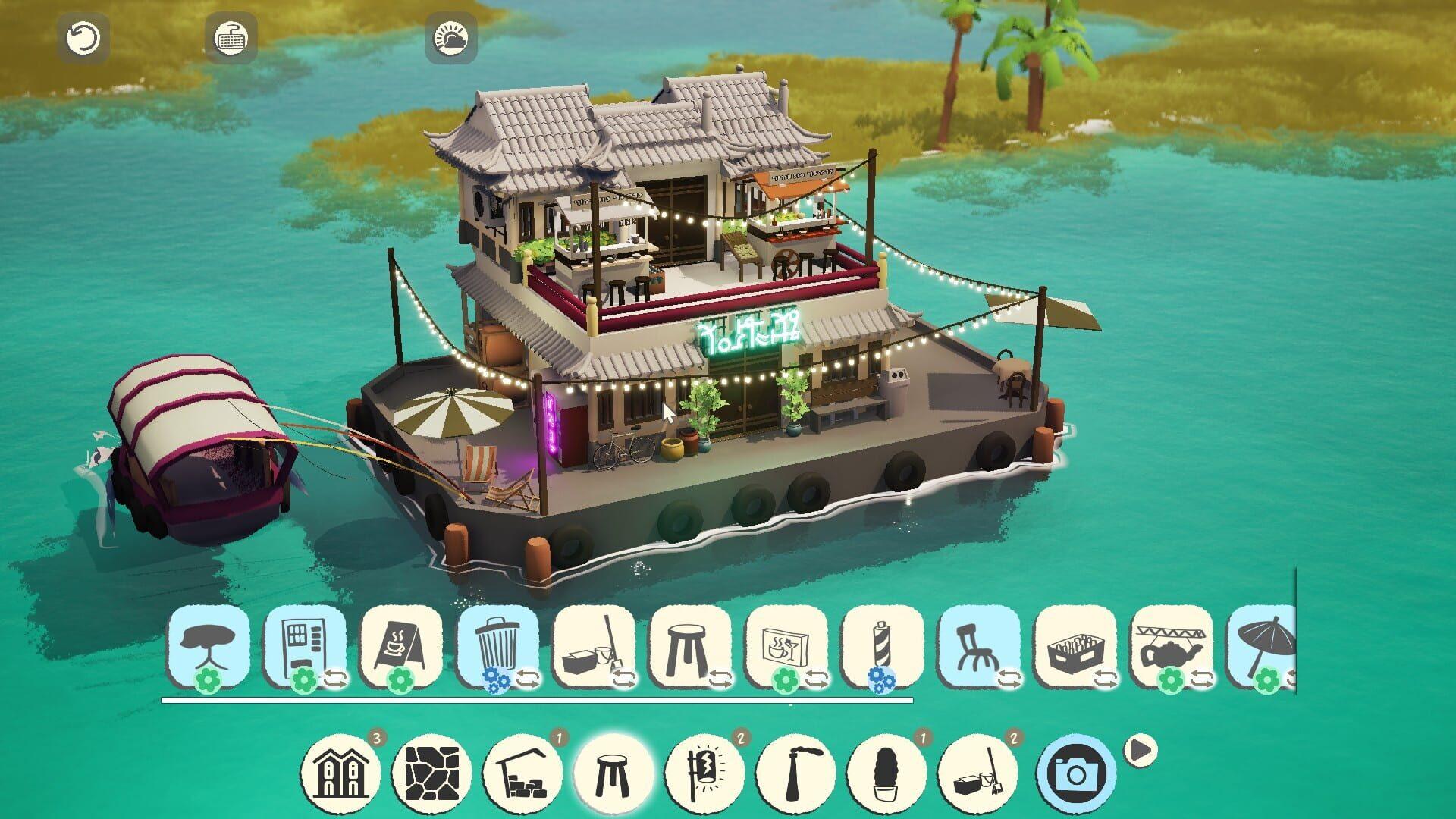
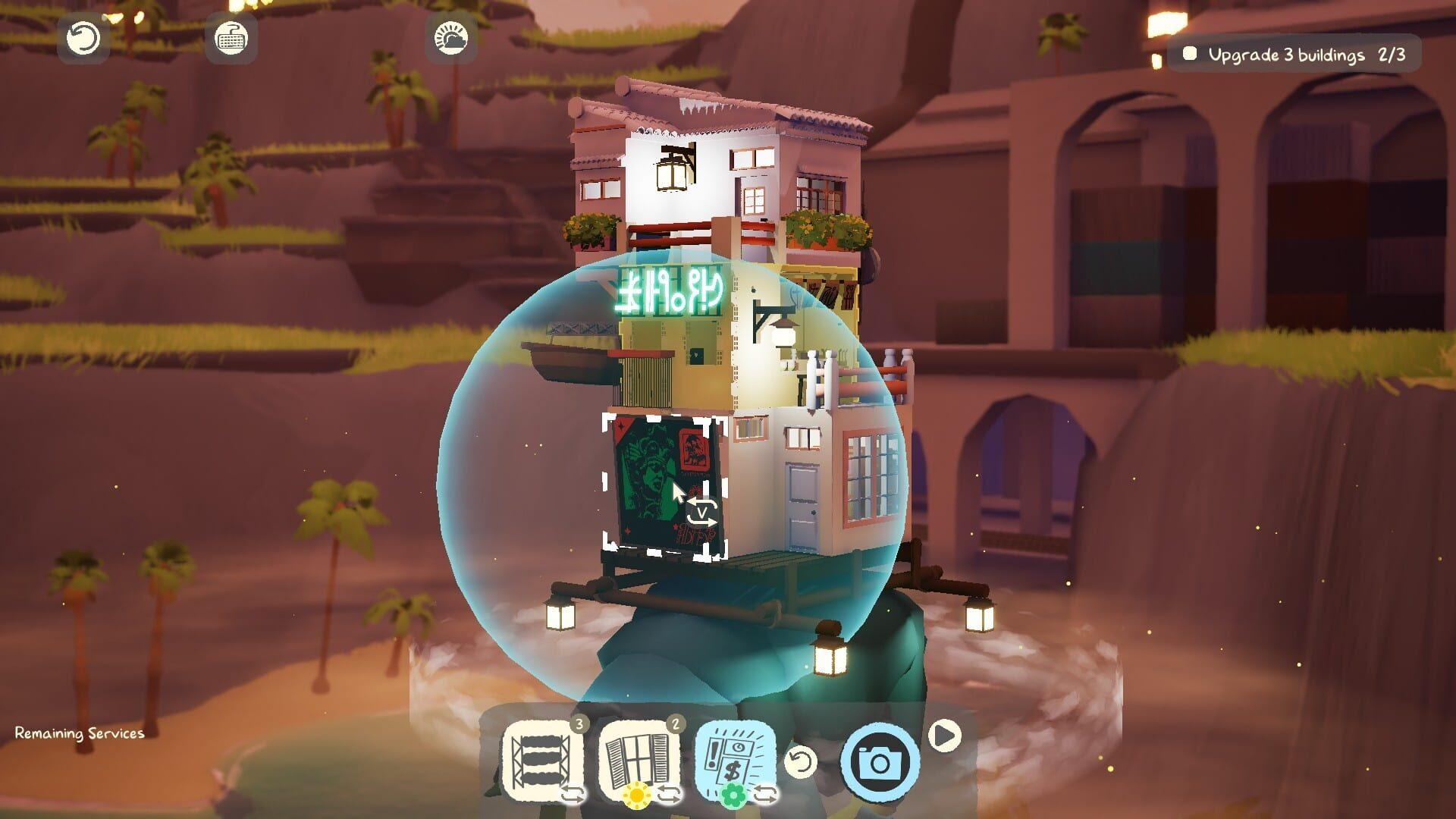
Upgrades add the closest thing ShantyTown has to a progression system. Structures like shops and apartment buildings can evolve into more detailed spaces when given the right resources. Completing an upgrade unlocks new decorative items, which feeds back into the building loop in a way that feels rewarding rather than obligatory. Optional objectives are available for players who want a bit of direction, but they never become mandatory.
World and setting: finding the charm in urban chaos
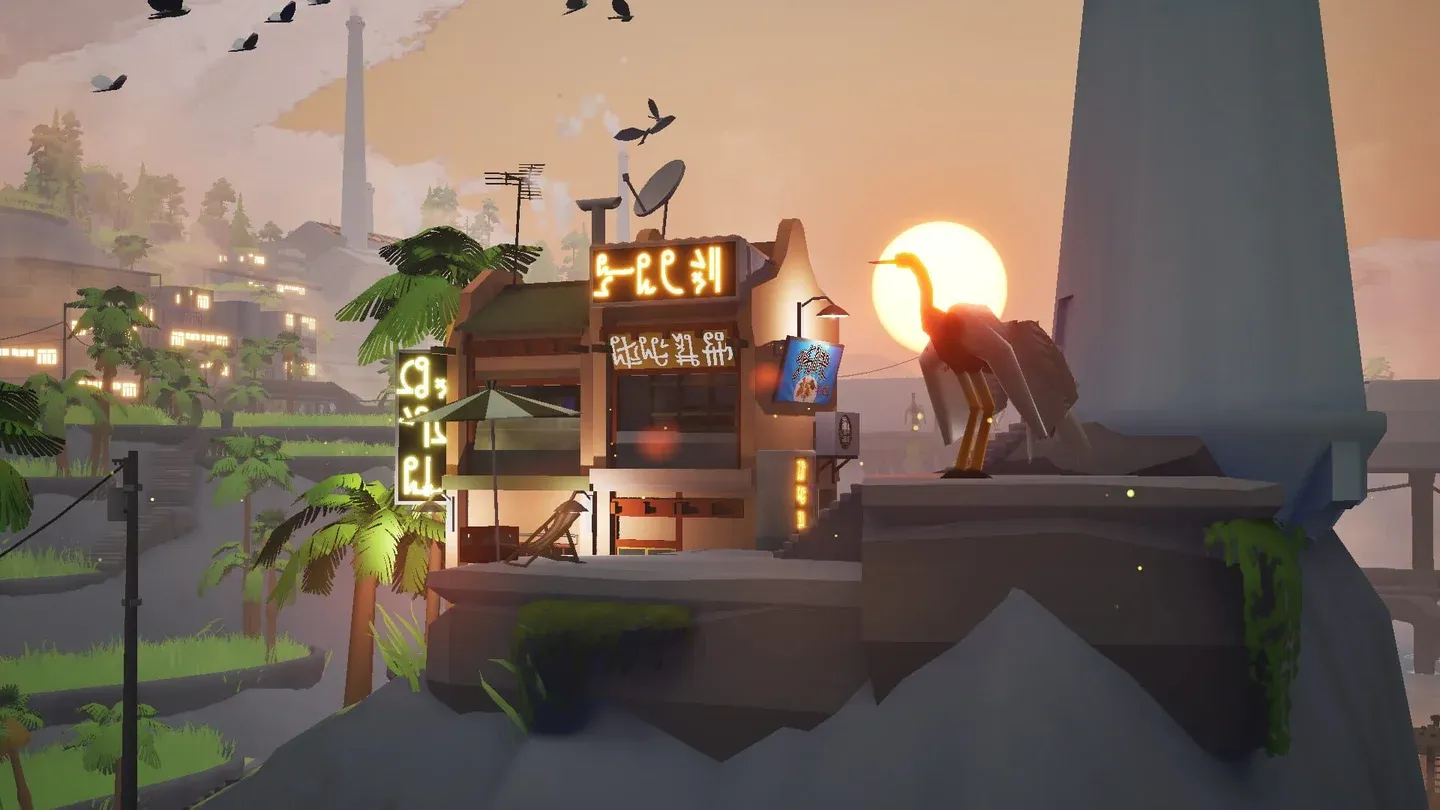
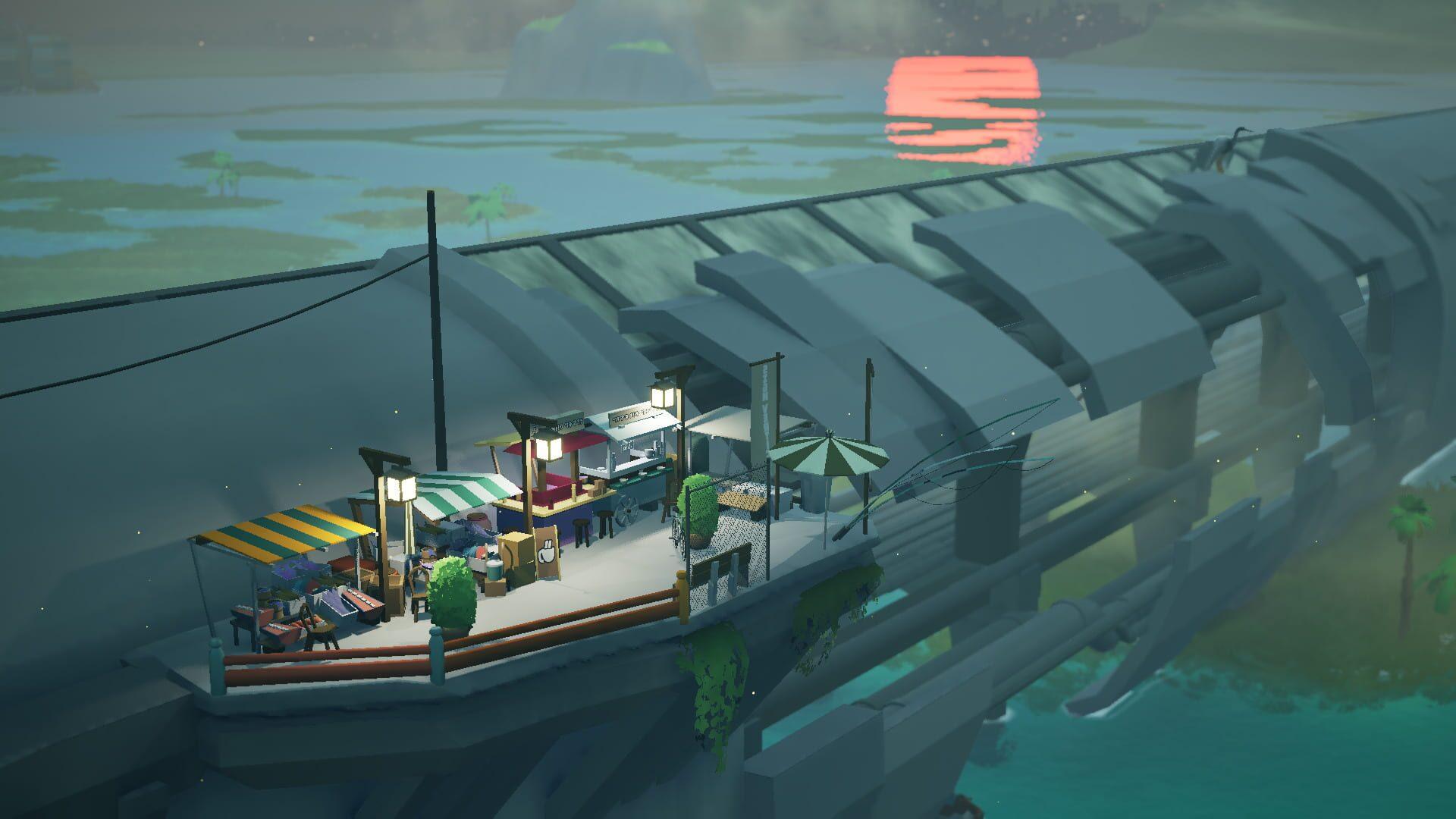
Each of ShantyTown's 20 locations has its own atmosphere and backstory that unfolds as you build. The Hotpot Casino brings warmth and clutter, the Marshlands Pipe feels cramped and functional, and the Lighthouse sits in quiet isolation. These aren't just aesthetic backdrops; they actively shape how each build session plays out because the available objects and spatial constraints differ between sites.
The game's soundtrack, composed by vaporwave artist Macroblank, fits the mood precisely. It's low-key and atmospheric, the kind of music that makes an hour feel like fifteen minutes. Combined with the diorama visual style, ShantyTown carves out a specific feeling that sits somewhere between a city photography book and a miniature modelling hobby.
Visual and audio design
ShantyTown's art direction leans into the appeal of imperfect, layered urban environments. Buildings stack in ways that feel slightly improvised. Decorations fill gaps that a tidier game would leave empty. The visual language rewards players who look closely, since hidden objects are tucked into locations for those willing to search.
The camera system deserves specific mention. Advanced framing controls let players compose their final photograph with genuine care, which turns the end of each location into a small creative act of its own. It's a thoughtful touch that makes the photography mechanic feel like more than a progress gate.
Conclusion
ShantyTown is a relaxing simulation game that earns its calm reputation through smart, constraint-based design rather than just stripping out challenge. The diorama-building format, 20 distinct locations, optional upgrade progression, and Macroblank's soundtrack combine into something that feels considered and personal, which makes sense given that Rempen spent four years shaping it. For anyone looking for a low-pressure builder that still has texture and depth, ShantyTown delivers exactly what it promises.