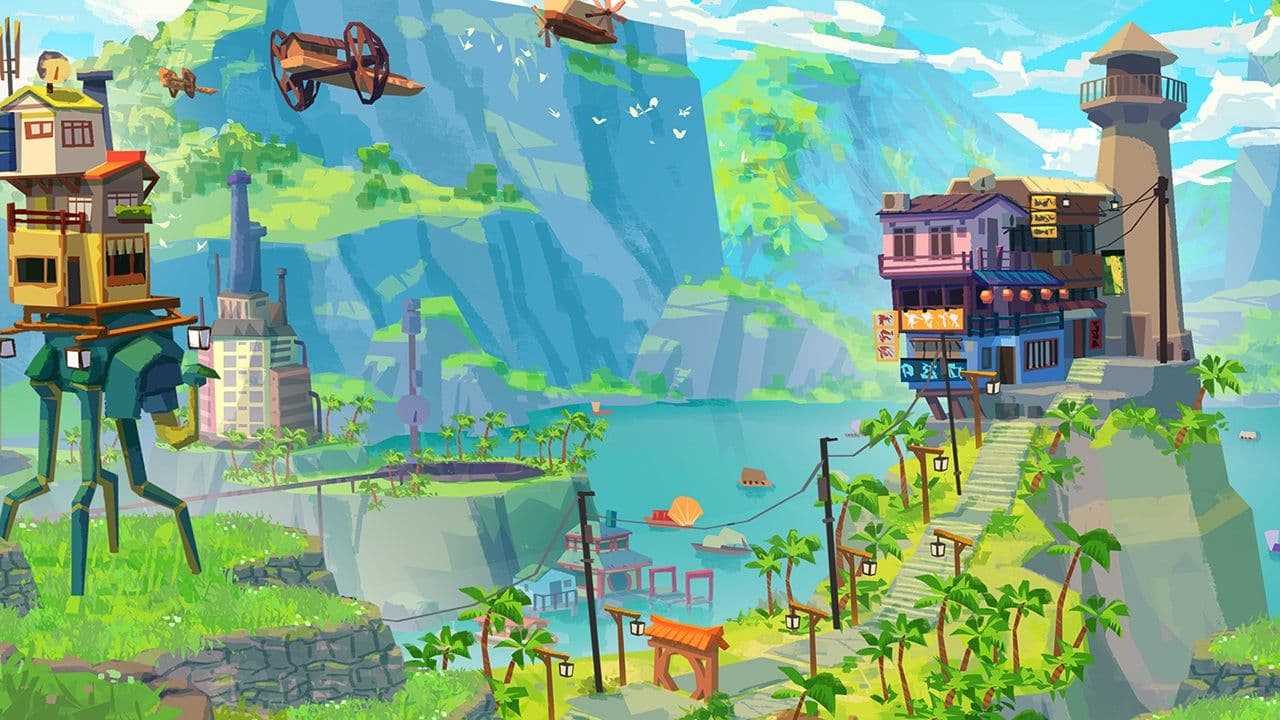

ShantyTown, developed by Erik Rempen and published by Kinephantom Games, released on April 16, 2026, and it's the kind of cozy builder that quietly steals an hour before you notice. You move from location to location, placing buildings and shaping small towns from nothing, with optional objectives guiding you but never forcing your hand. The game earned an 8/10 for its focused approach to sandbox building and sits comfortably among the better entries in the cozy genre. Here's what you need to know before you place your first building.
What is ShantyTown and how does it work?
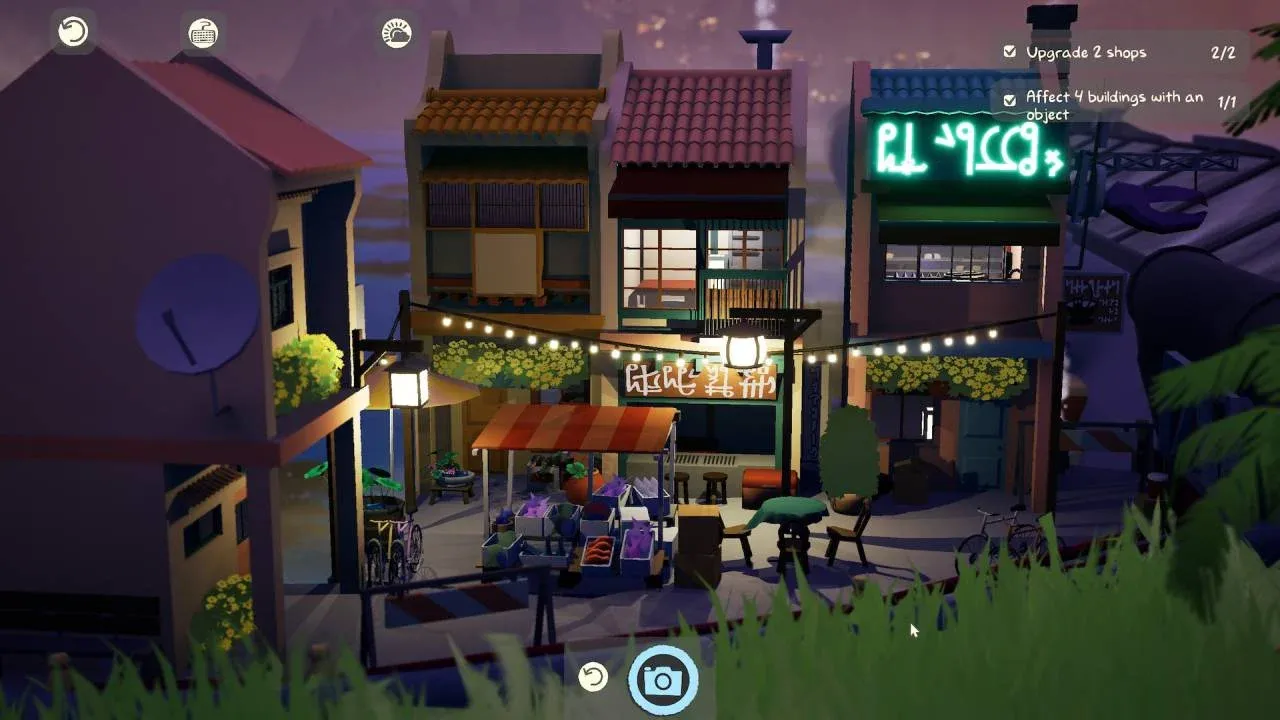
ShantyTown is a single-player sandbox city builder where each playthrough takes you through a series of distinct locations. Some are wide open, others are tight and demand more careful placement. Your job at each location is to place a set of objects, upgrade buildings, complete optional objectives, and eventually take a snapshot of the finished town.
The objects you receive arrive in a randomized order, though the types remain consistent enough that you can still complete objectives reliably. Houses, stores, and special buildings each have their own upgrade requirements. Meeting those requirements transforms a rundown structure into something polished. Fail to meet them and the building stays in its base state, which counts toward your snapshot but misses the visual payoff.
Once you've placed enough objects, the snapshot becomes available. You don't need to finish every objective to trigger it. The final look of the town is entirely your call.
How do optional objectives actually help you?
The objectives at each location are completely optional, but they serve a practical purpose: they give you a framework when the blank canvas feels overwhelming. If you're new to the game, treating the objectives as loose guidelines rather than strict rules is the fastest way to find your rhythm.
Each objective points you toward specific building arrangements or upgrade targets. Following them early teaches you which buildings pair well and how upgrade requirements work in practice. Once you understand the systems, ignoring the objectives entirely becomes a valid creative choice.
What are the building upgrade rules you need to know?
This is where most new players hit their first snag. Buildings placed too close to the edge of the location barrier can't be fully upgraded. You can place a building flush against the boundary, but if any upgrade element, like a window on the back wall, would extend outside the barrier, the game blocks it.
The fix is simple: leave a small gap between your buildings and the location boundary. It costs you a little space but saves the frustration of a half-upgraded building you can't fix without demolishing.
| Placement Location | Upgradeable? | Notes |
|---|---|---|
| Interior of location | Yes | Full upgrade access |
| Along the boundary | Partial | Some upgrades blocked |
| Elements outside barrier | No | Game prevents placement |
How does the creative freedom system work?
ShantyTown gives you control over the color and shape of nearly every object you place. This isn't just cosmetic flexibility. It's the core of what makes the game absorbing. You can group homes and businesses in logical clusters, or scatter everything chaotically. You can stack buildings vertically, place neon signs in odd corners, or put structures in locations that serve no functional purpose whatsoever.
None of these choices affect whether you can complete a location. Every location can be cleared regardless of how you arrange things. The creative tools exist purely to give you a medium for expression, and that's exactly the right design call for a cozy game.
The snapshot system reinforces this. When you finish a location, you get a photo of it. Looking back at those photos after several locations shows a genuine progression from barren map to something personal, even if some of your choices were deliberately absurd.
What are ShantyTown's main limitations?
The game is short. That's the most significant thing to set expectations around. You can finish ShantyTown in a single evening, which means the creative investment you build up across locations wraps up faster than you might want.
The towns also feel quiet once you're done. Buildings are colorful and the overall look is appealing, but there are no pedestrians or characters moving through the streets. The finished locations have visual life but no animated presence. Even low-poly figures walking around would go a long way toward making completed towns feel inhabited.
Special item drops from upgrades involve some RNG, which can feel inconsistent if you're trying to collect specific items for creative mode. It's not a progression blocker, but it's worth knowing going in.
Is ShantyTown worth playing for cozy game fans?
For players who enjoy low-pressure builders with genuine creative latitude, yes. The game earns its 8/10 by doing a small number of things well rather than attempting a lot and landing inconsistently. The building system is simple enough to learn in minutes, the optional objectives give structure without demanding compliance, and the snapshot mechanic gives each session a satisfying endpoint.
The short runtime is a real consideration. This isn't a game you'll return to for hundreds of hours. But the time you do spend with it feels purposeful, and the creative freedom makes each location genuinely yours.
For more cozy builders and indie games worth your time, browse more guides on GAMES.GG to find your next obsession.