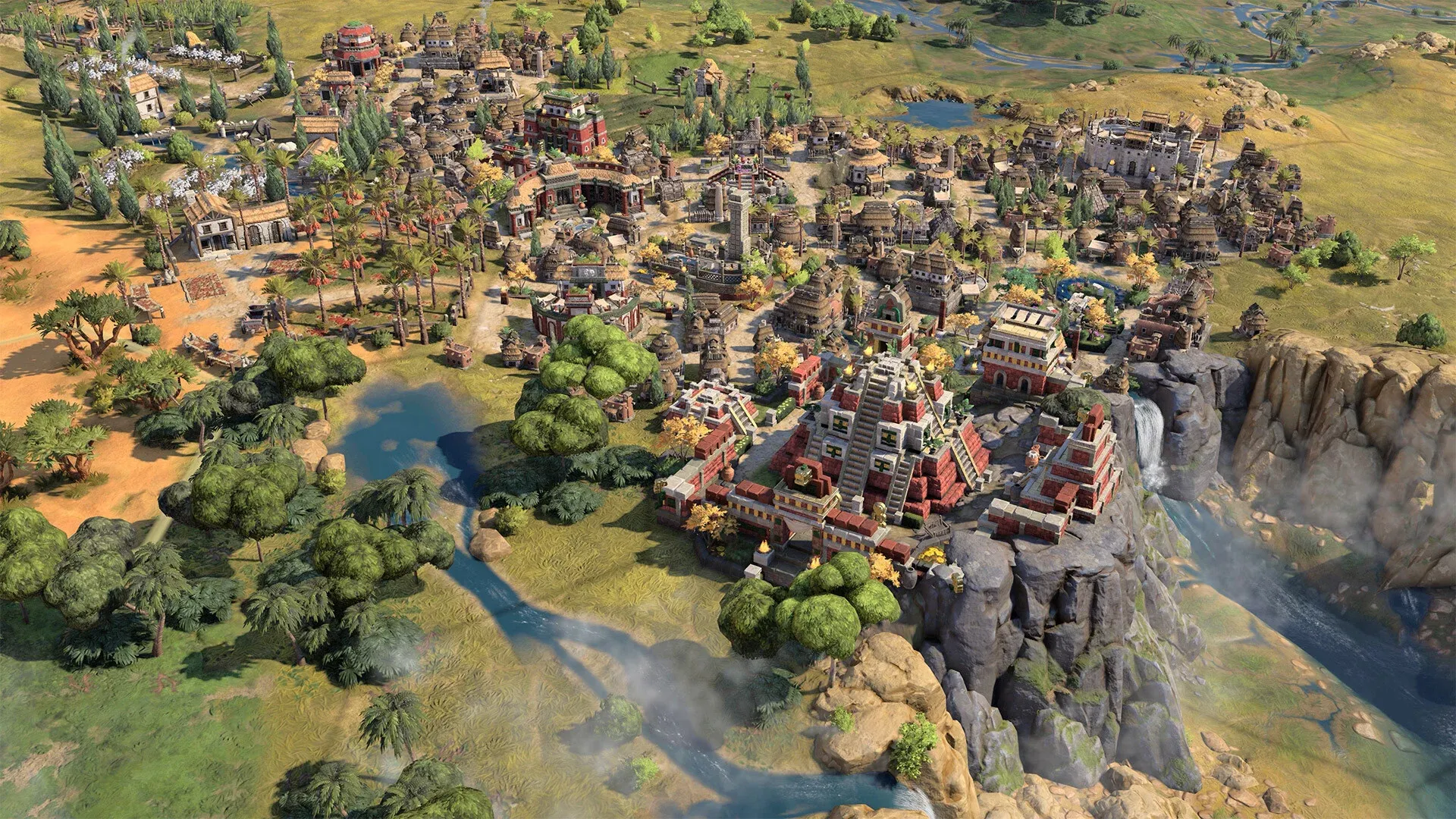


What Does Civ VII Update 1.4.1 Actually Change?
Sid Meier's Civilization VII has been on a steady upward trajectory since launch, and update 1.4.1 is one of the more consequential patches Firaxis has shipped. It touches three systems that veteran players care about deeply: happiness, governments, and multiplayer. Hotseat local multiplayer is finally in the game, cities now express five distinct emotional states, and governments have been rebuilt around those happiness levels. There's also a new archipelago map type powered by updated generation tech. Here's what all of it means for how you actually play.
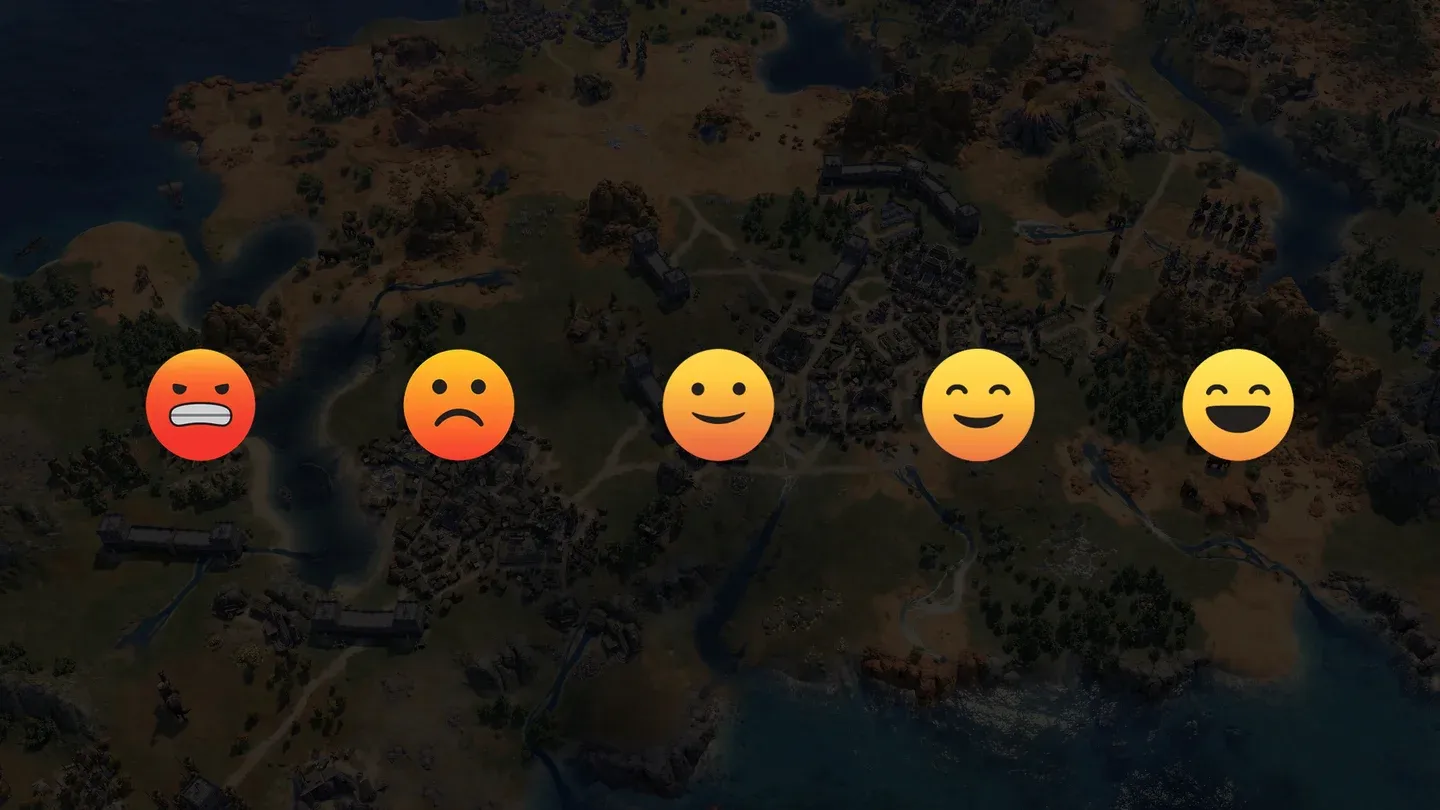
Five city moods at a glance
How Does the New Five-Mood Happiness System Work?
Happiness in Civ VII has always mattered, but 1.4.1 makes it feel genuinely alive. Cities no longer sit in a binary satisfied-or-not state. Each settlement now sits in one of five distinct moods, communicated through emoji so the emotional state of your empire reads at a glance. Think of it as your cities having actual personalities, except the personality is mostly "disappointed in your infrastructure choices."
The bigger mechanical shift is that your people's expectations scale with the age. A city that was perfectly content in the Antiquity Age will demand more from you as you push into later eras. This means happiness management gets progressively harder as a game goes on, which is a deliberate design decision rather than an oversight. If you're coasting on early-game goodwill and ignoring the happiness panel, later ages will punish you for it.
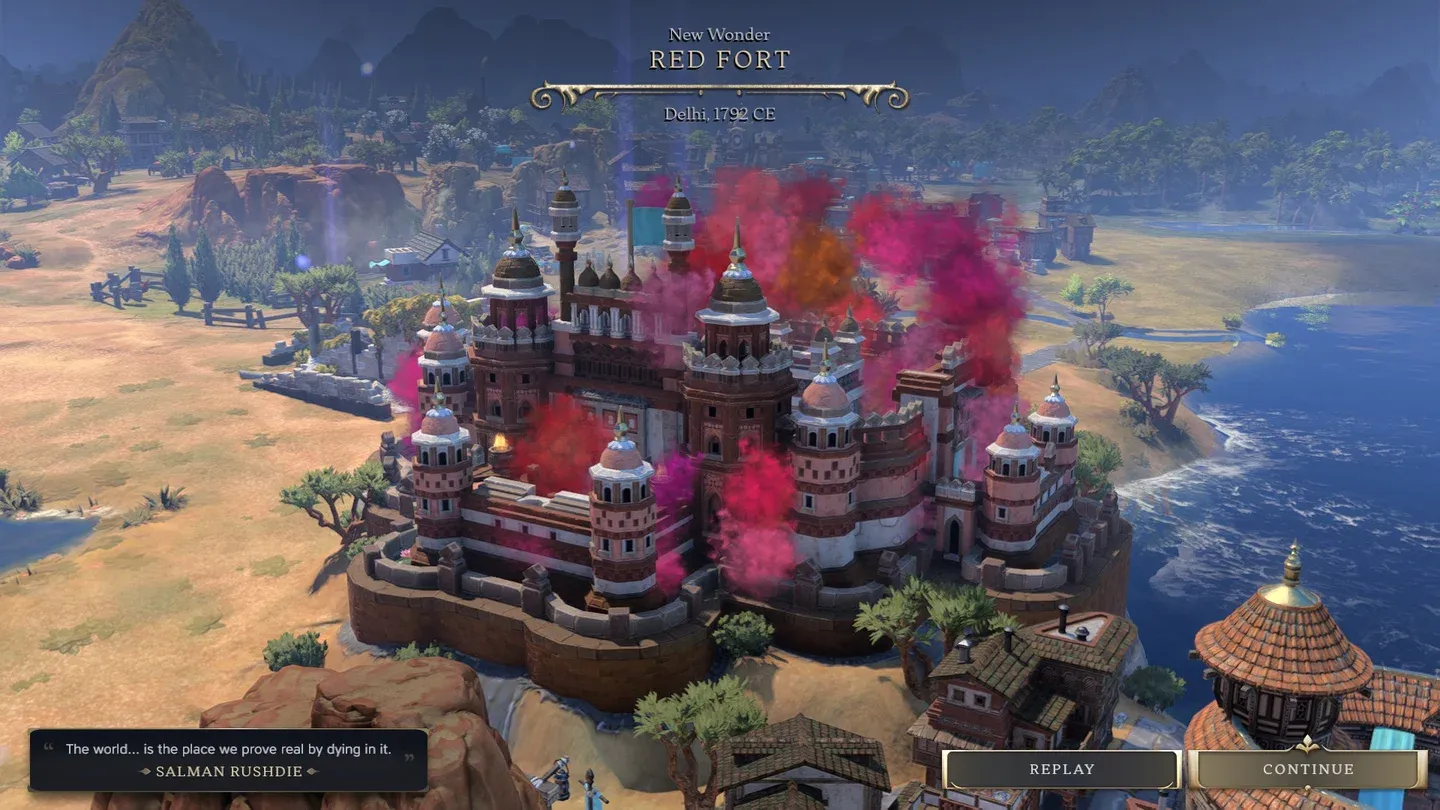
Government traditions and bonuses
How Do Governments Interact with Happiness Now?
The government overhaul in 1.4.1 ties directly into the new happiness system, and the connection runs deeper than a surface-level bonus. Each government type now offers passive bonuses that scale based on how many of your settlements are happy and how high up the happiness scale they sit. This means the payoff for keeping your cities content isn't just stability, it's a direct multiplier on your chosen government's strengths.
Switching to a new government type now immediately unlocks two exclusive traditions specific to that government. These traditions offer targeted boosts, including extra settlement happiness near wonders and additional culture generated by great works. The traditions give you a reason to actually commit to a government style rather than switching opportunistically whenever it suits you.
Celebrations have also been reworked. They now last 6 turns instead of 10, but the themed bonuses they provide are designed to align with your government's identity, making each celebration more meaningful than the previous flat bonuses. Firaxis has also increased how frequently celebrations become available, so the shorter duration is offset by more opportunities to trigger them.
What Is Hotseat Multiplayer and How Does It Work?
Hotseat multiplayer is the classic Civ format where multiple players share a single PC, each taking their turn before passing control to the next person. It's Civ in board game form, and it has been a franchise staple that was missing from Civ VII at launch. Update 1.4.1 finally brings it back.
The setup is straightforward: everyone gathers around one machine, and control rotates through the group as turns progress. The format works especially well for Civ because turns are discrete and there's no real-time pressure. You make your moves, hand over the controls, and then spend the next few minutes watching your opponent make decisions you'd have done differently.
Hotseat setup for local play
What's New with the Archipelago Map?
Update 1.4.1 introduces a new Archipelago map type built using Firaxis' updated landscape generation technology. The stated goal is more randomness and a more organic feel compared to the previous version. The old archipelago map hasn't been removed; it's been renamed Archipelago Hemispheres and remains available.
The distinction matters if you're someone who plays archipelago maps regularly. The new version will produce less predictable island layouts, which changes early scouting priorities and naval expansion timing. The renamed Archipelago Hemispheres map retains the more structured feel of the original if you prefer known quantities.
What Is the Brush and Blade DLC?
Releasing alongside the free 1.4.1 update is Brush and Blade Part 1, a paid DLC focused on historical Japanese civilizations. The new leader added in Part 1 is Toyotomi Hideyoshi. A second part of the Brush and Blade DLC is scheduled for later in the summer.
The DLC content is separate from the free update mechanics, so the happiness rework, government overhaul, and hotseat multiplayer are available to all players regardless of whether they purchase Brush and Blade.
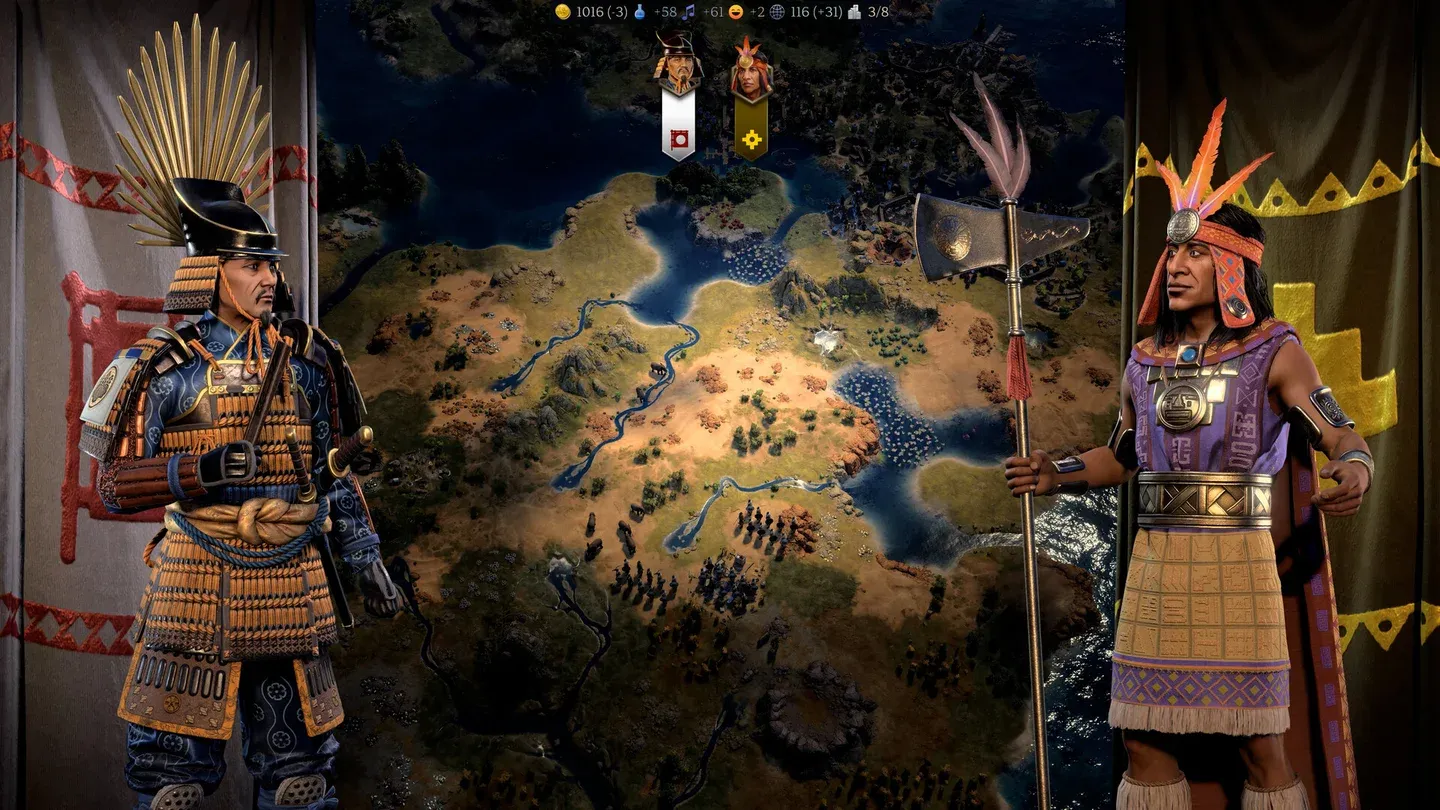
Toyotomi Hideyoshi, Brush and Blade DLC
How Should You Adjust Your Strategy for 1.4.1?
The happiness and government changes work together in a way that rewards long-term planning over reactive management. Here's how to adapt:
- Pick your government early and commit. The exclusive traditions you unlock on switching are strong, but the real value comes from building your happiness infrastructure around your government's passive bonuses over multiple turns.
- Track happiness per settlement, not empire-wide. With five distinct moods now visible, individual city management matters more than it did before. A few deeply unhappy cities will drag down your government bonuses even if your empire average looks acceptable.
- Time your government switches around celebrations. Since celebrations now last 6 turns and align thematically with your government, switching governments right before a celebration triggers means you get the full themed bonus from the new government rather than the one you're leaving.
- On archipelago maps, scout before settling. The new organic generation makes resource placement less predictable. Spending an extra few turns scouting before your second or third city placement will save you from awkward positions later.
For players who enjoy strategy games with deep systems, 1.4.1 represents a meaningful tightening of Civ VII's mid-game loop. The happiness changes give you more granular feedback, the government rework rewards commitment, and hotseat finally makes couch play viable again.
If you want to go deeper on any of the systems touched by this update, the full Sid Meier's Civilization VII strategy guides collection covers ages, terrain, tech trees, and more.