
Biggest discounts, free games, and limited-time offers across every major gaming store.
Never pay full price again.
Overview
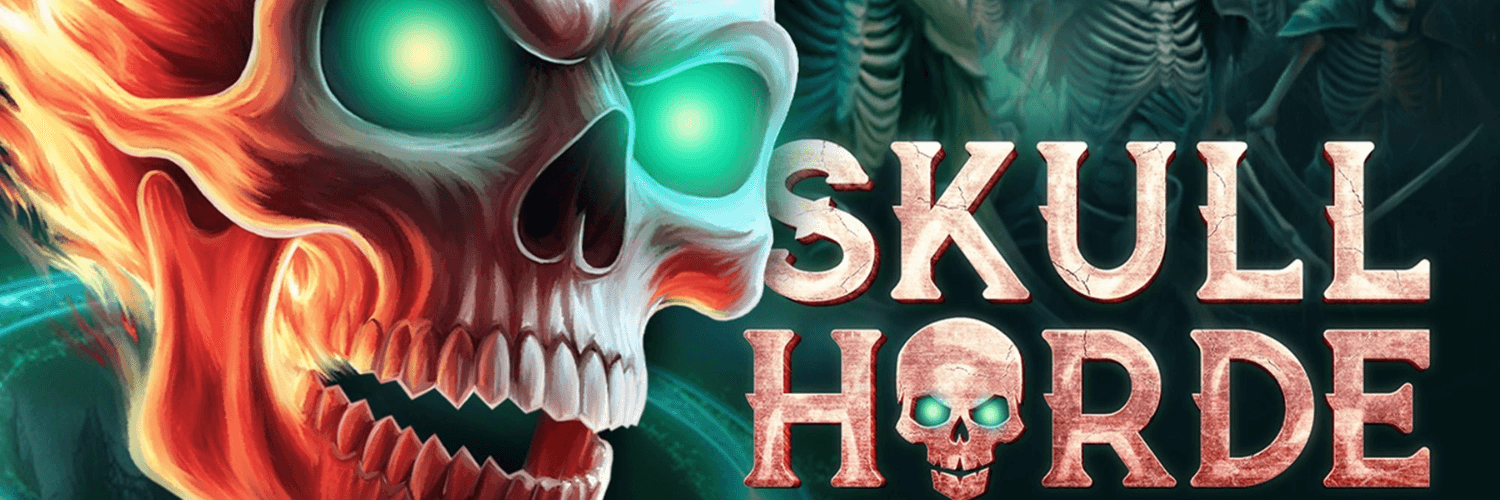
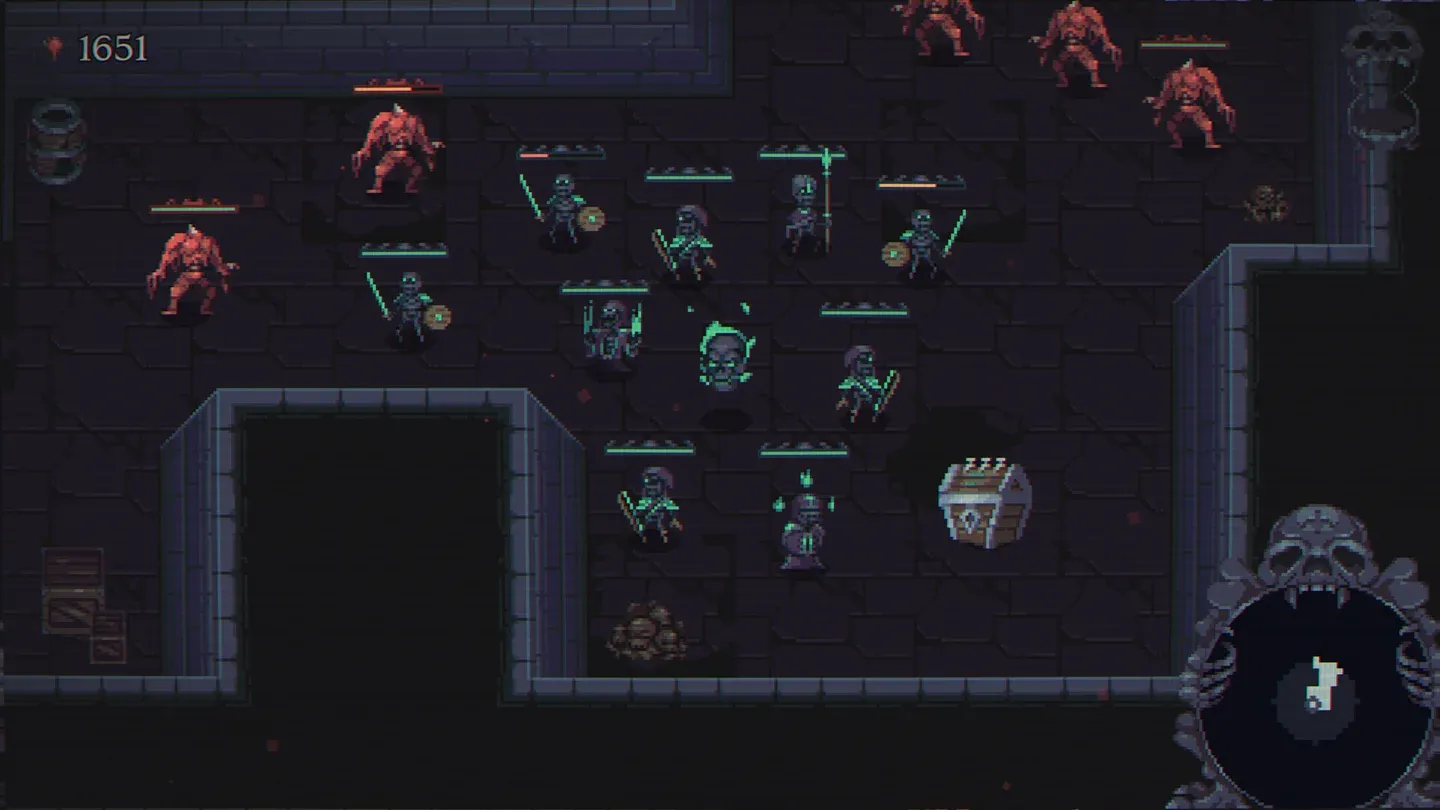
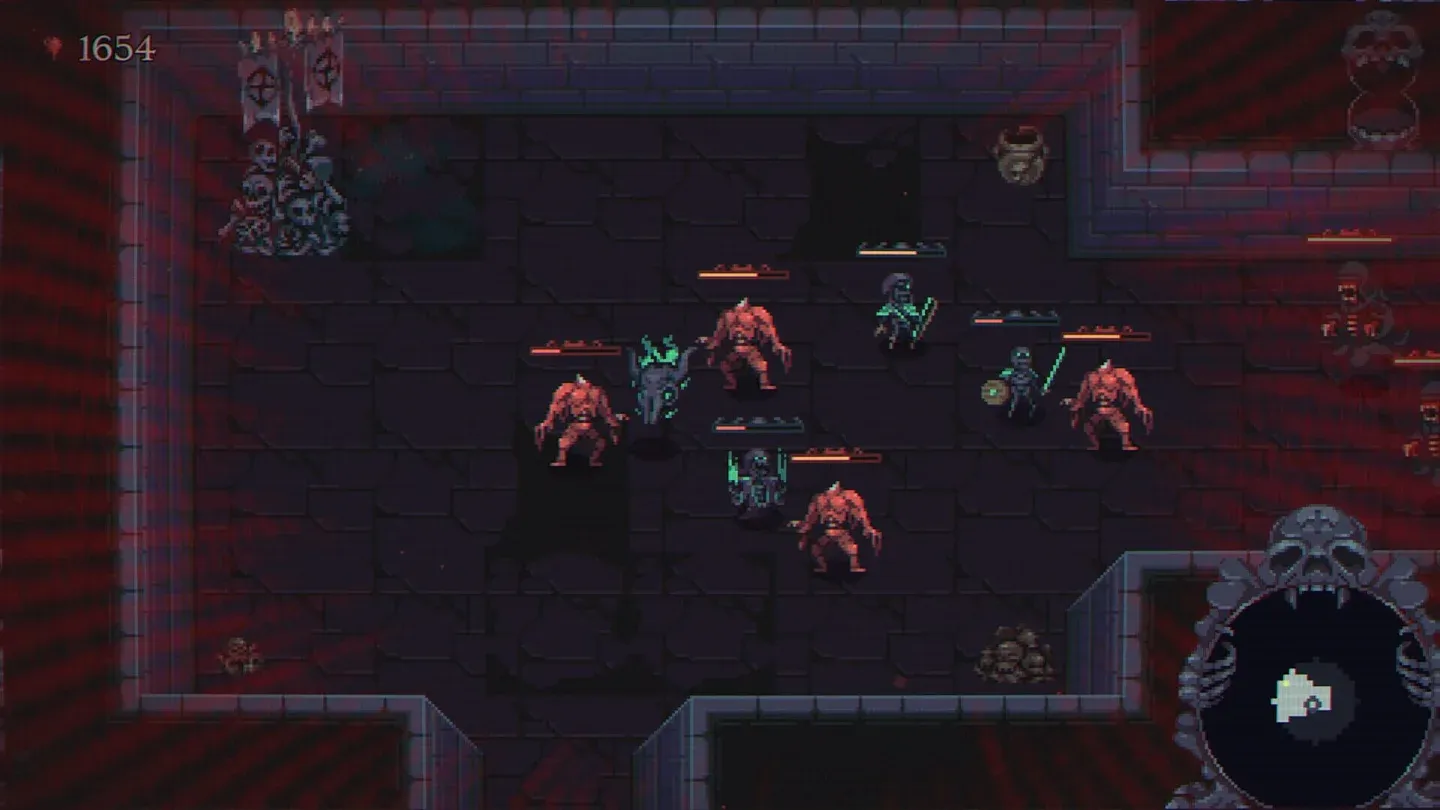
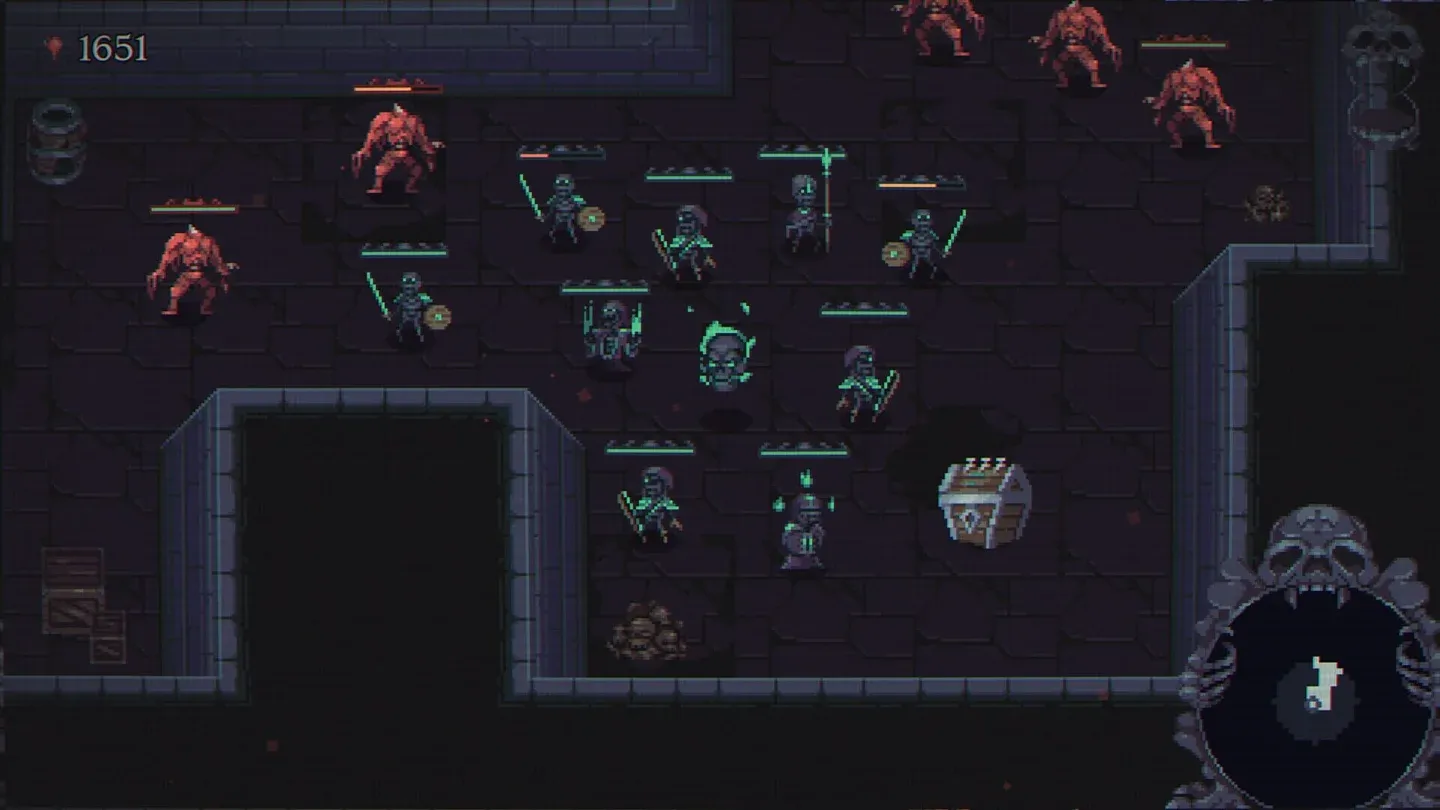
Skull Horde is an auto battler dungeon crawler from solo indie developer 8BitSkull that flips the traditional fantasy formula on its head. Rather than playing the hero cutting through undead hordes, players embody the necromancer, a flying skull with the power to raise skeleton warriors and send them crashing into waves of living enemies. The premise is immediately distinct, and the core loop of finding loot, refining builds, and unleashing bone-fueled chaos gives the game a satisfying mechanical identity.
The game sits at the intersection of auto battler strategy and dungeon crawler exploration, two genres that complement each other well here. Loot discovery drives progression, encouraging players to experiment with different item combinations and push their builds toward increasingly overpowered territory. There is a clear appeal for players who enjoy the "one more run" pull of roguelite design paired with the tactical satisfaction of watching a carefully assembled skeleton army dismantle everything in its path.

What Makes Skull Horde Stand Out?
Skull Horde distinguishes itself through its necromancer fantasy executed with genuine mechanical focus. The auto battler structure means combat unfolds through positioning and build decisions rather than moment-to-moment action inputs, placing the emphasis squarely on preparation and strategic thinking. Key mechanics include:
- Flying skull necromancer as the player character
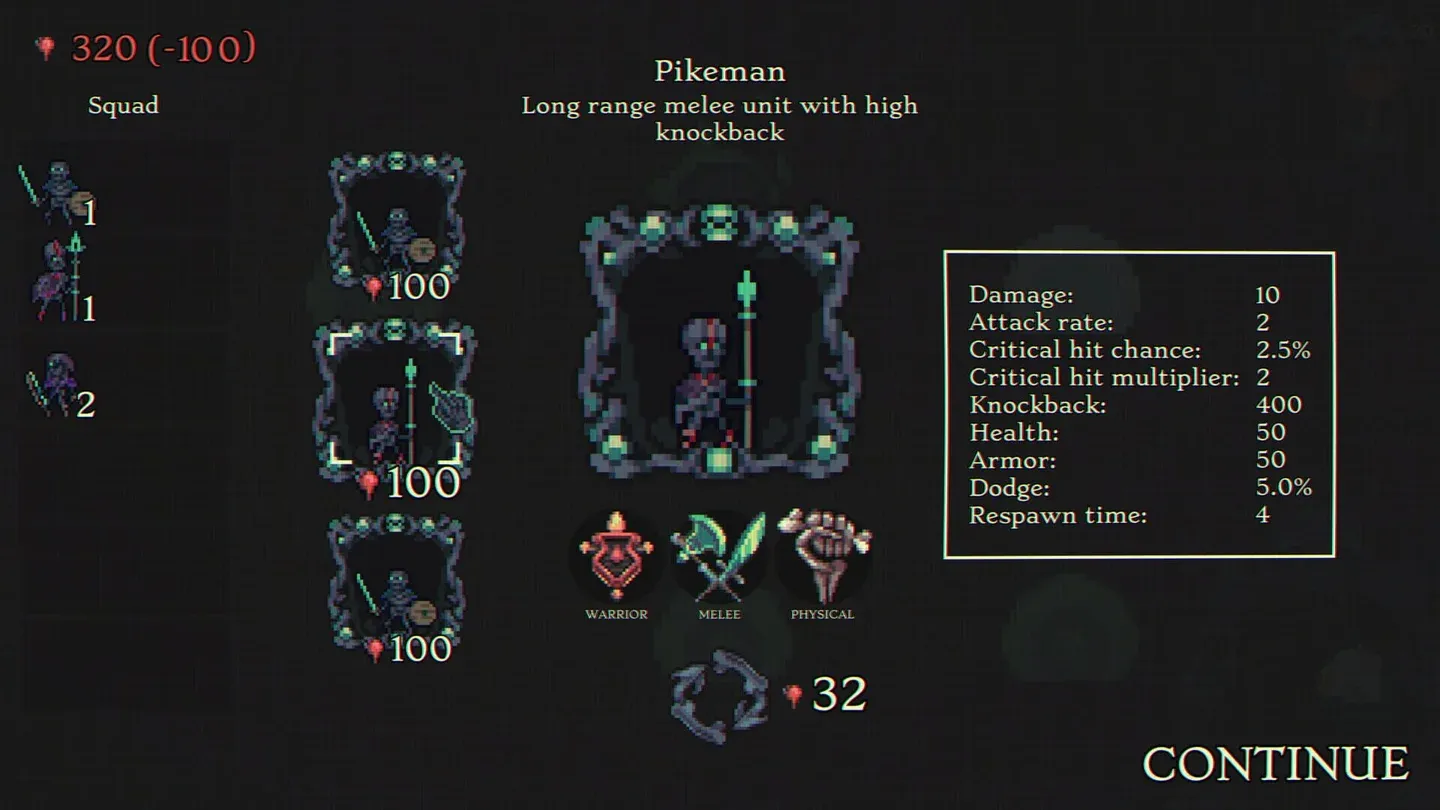
- Skeleton summoning forming the core combat unit
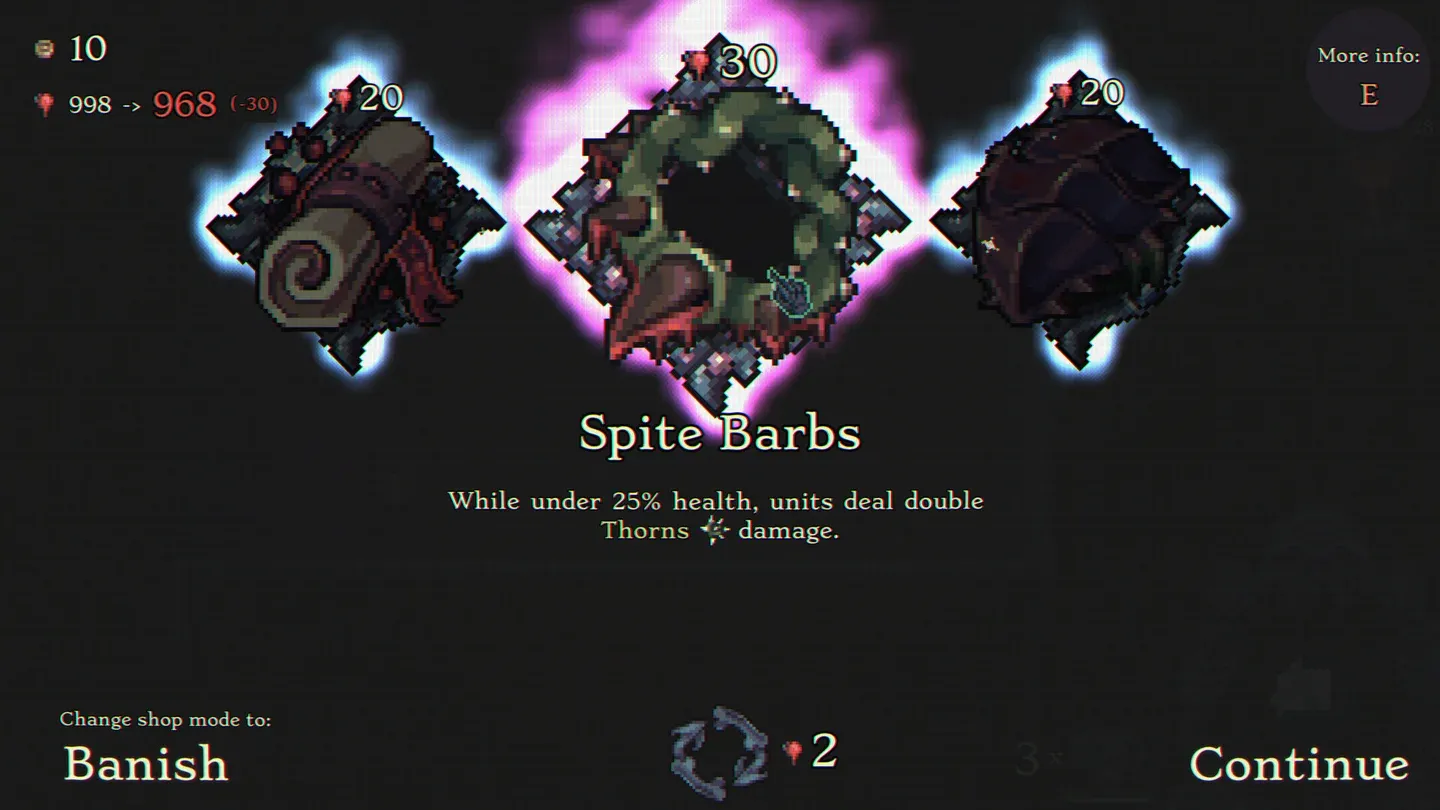
- Loot hunting driving build diversity
- Overpowered build potential as a design goal
- Bone versus flesh framing as the central conflict
This design philosophy rewards players who enjoy theorycrafting and loot optimization. Finding a rare item that synergizes perfectly with an existing skeleton build creates the kind of emergent satisfaction that keeps dungeon crawlers compelling across dozens of sessions.
Gameplay and Mechanics: Building the Perfect Horde
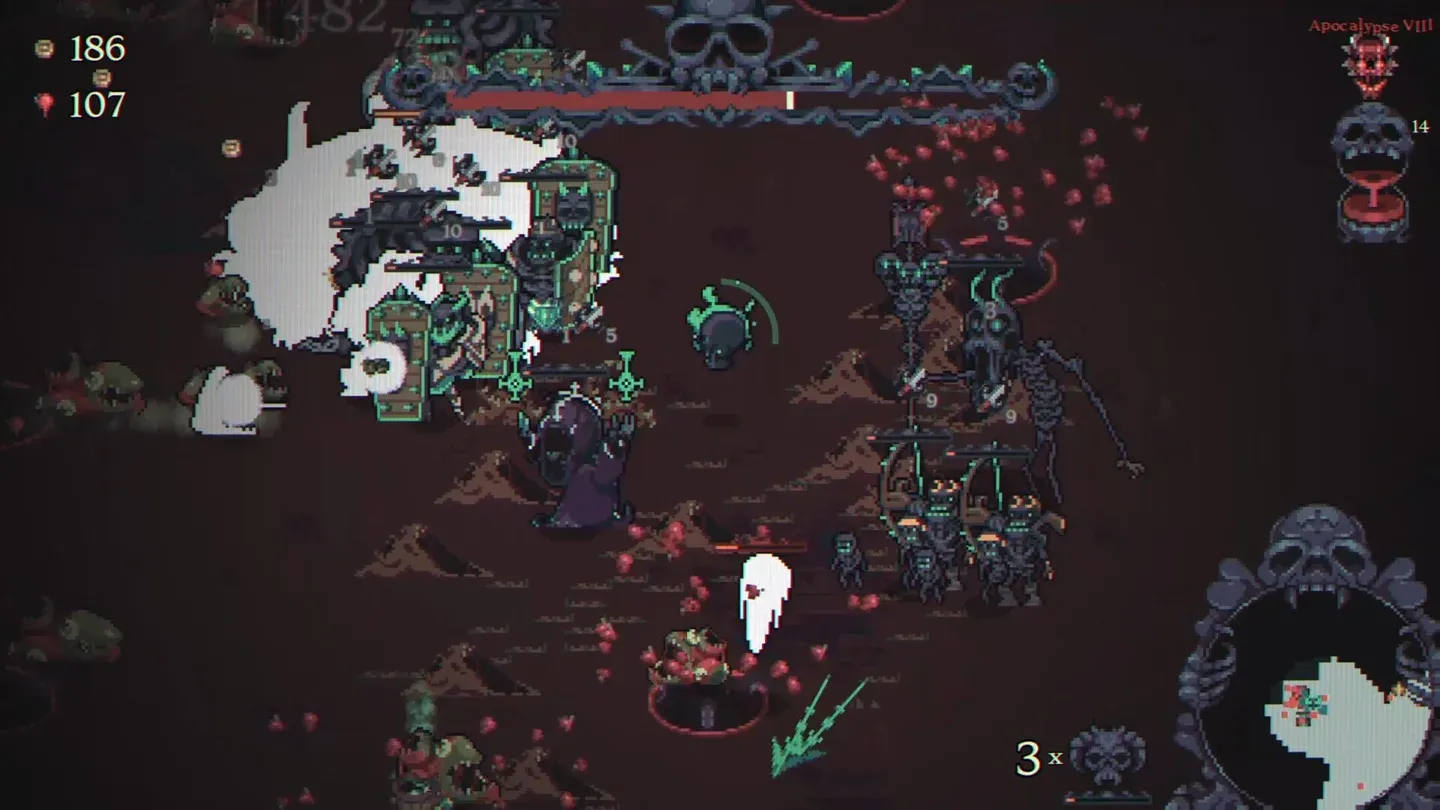
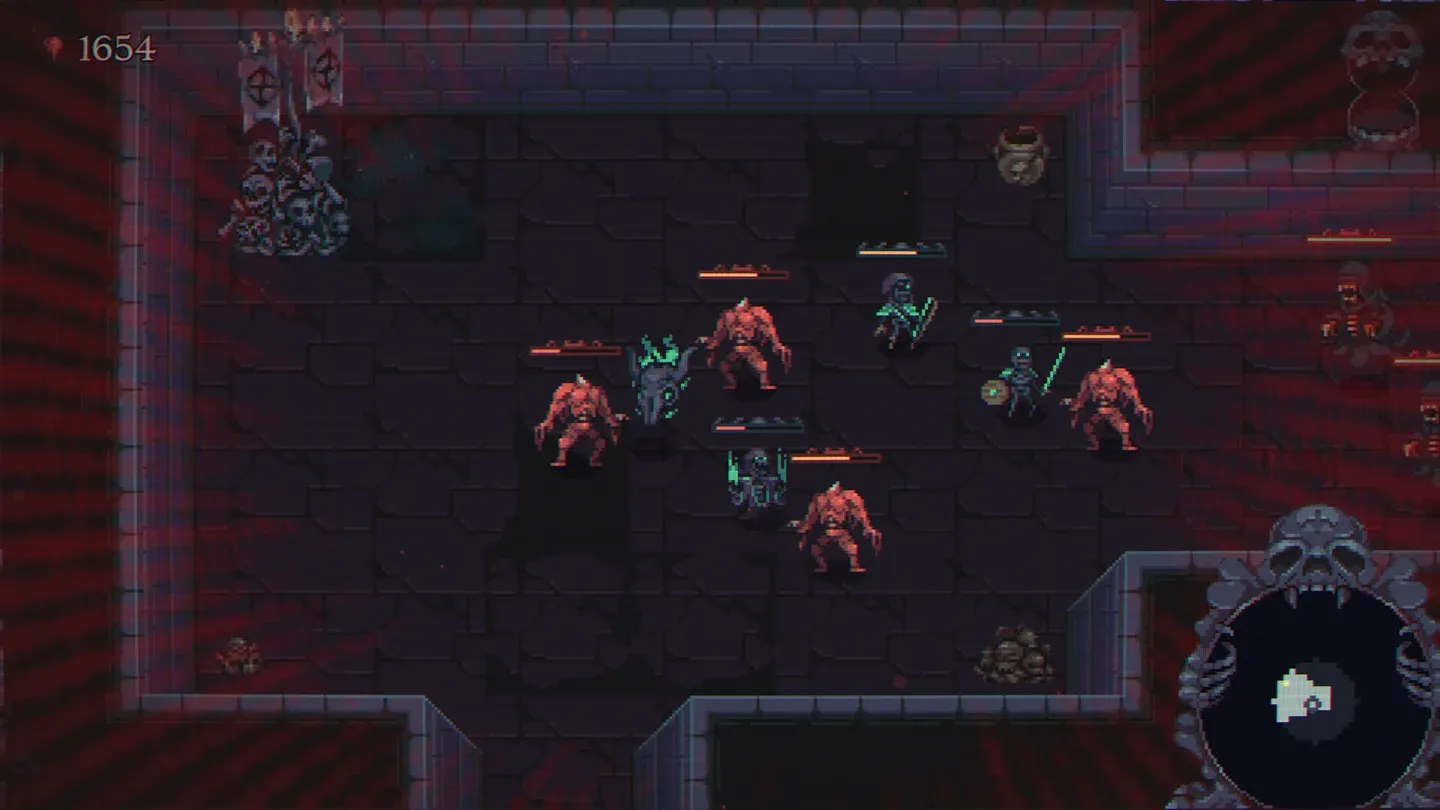
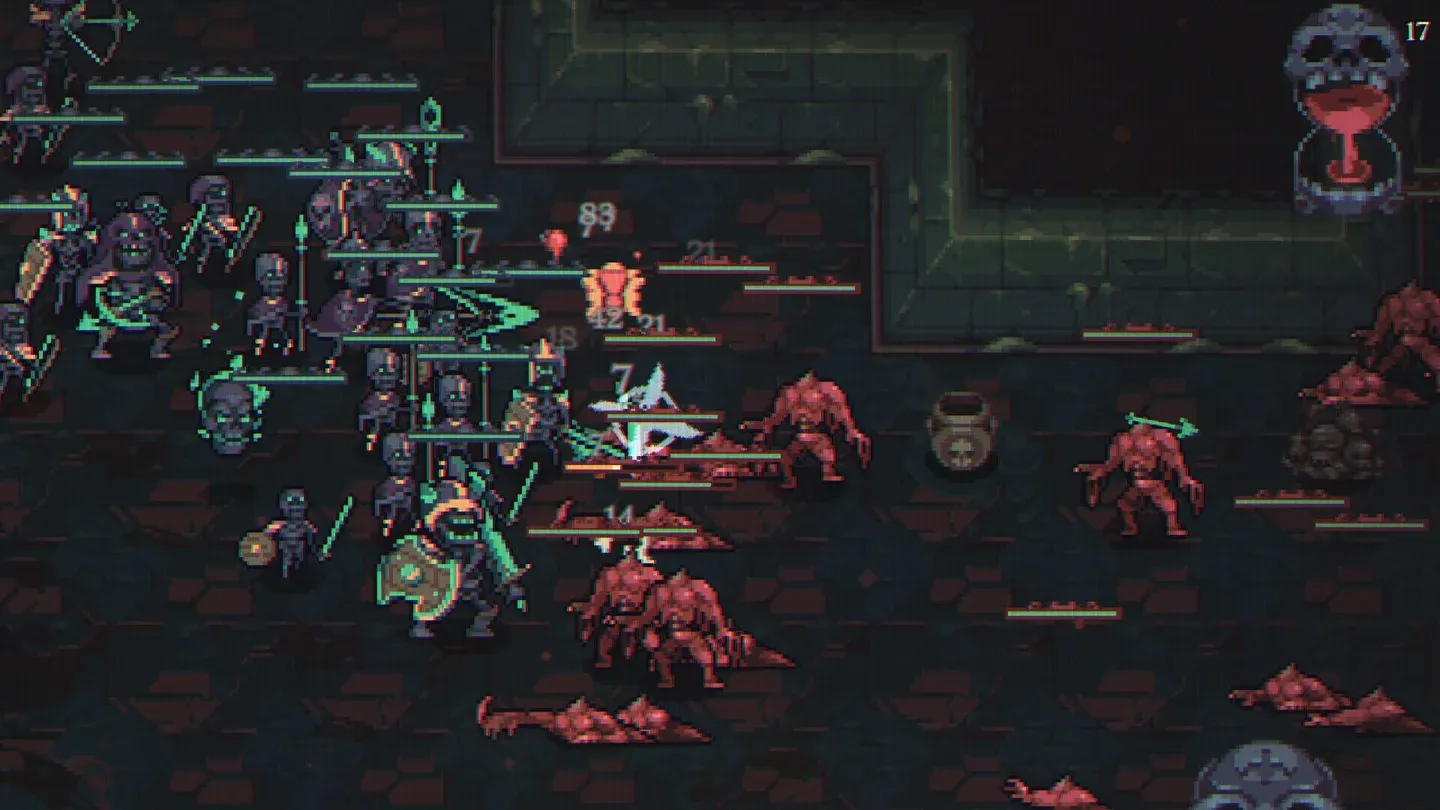
The dungeon crawler framework gives Skull Horde its sense of discovery. As players navigate the game's environments, loot drops feed a constant cycle of evaluation and adaptation. Every new piece of equipment represents a potential pivot in strategy, and the auto battler combat system means those decisions play out visually in real time as skeleton warriors clash with human enemies.

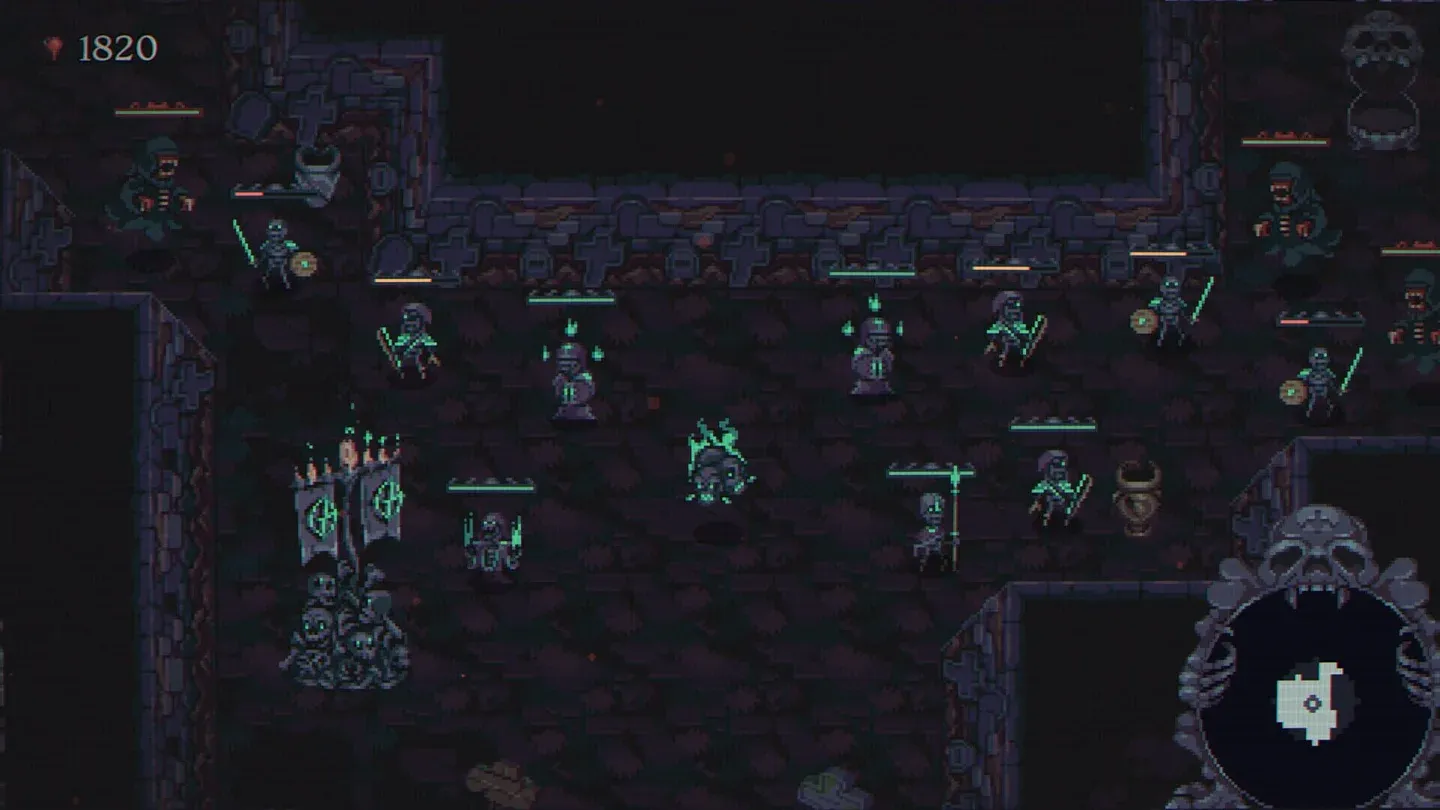
The flying skull necromancer design adds a layer of mobility and perspective that separates Skull Horde from ground-level dungeon crawlers. Moving through the dungeon as an airborne commander gives the game a distinctive spatial feel, with the player character hovering above the chaos while directing the skeletal forces below. This framing reinforces the power fantasy at the heart of the experience.
Content and Replayability: How Deep Does the Horde Go?
Skull Horde's build system appears designed with replayability in mind. The explicit goal of creating "overpowered builds" suggests a game that encourages experimentation and rewards players who push combinations to their limits. Dungeon crawlers live or die by the variety of their loot pools and the breadth of viable strategies, and the skeleton summoning mechanic provides a flexible foundation for that kind of depth.
The bone versus flesh conflict gives each run a clear dramatic stakes, even within an auto battler framework. Watching a fully realized skeleton horde overwhelm enemy forces delivers the kind of escalating payoff that makes loot-driven games genuinely compelling.

Conclusion
Skull Horde presents a focused and distinctive take on the auto battler dungeon crawler genre. By centering the experience on a flying skull necromancer commanding a skeleton army, 8BitSkull crafts a power fantasy grounded in strategic build-crafting and loot-driven progression. For players who gravitate toward games that reward tactical preparation and creative item synergies, Skull Horde's bone versus flesh premise and overpowered build potential make it a dungeon crawler worth watching closely.