

Every character in Slay the Spire 2 plays very differently. Some builds focus on raw damage, while others rely on passive effects, combos, or minions. Understanding which build direction works best for each class can make runs much more consistent.
This guide explains the best builds for every character in Slay the Spire 2 so players know what strategies to focus on during their runs.
Best Builds for The Ironclad
The Ironclad remains one of the easiest characters to learn. His playstyle is built around dealing direct damage and sustaining through fights. Because his starting relic heals HP after combat, he can afford to take some damage early in a run.

Demon Form scales fast


Strength Scaling Build
The most common Ironclad strategy is stacking Strength. Cards that increase Strength allow attacks to deal much more damage as the fight continues. Once Strength reaches high numbers, even basic attacks become extremely powerful.
This build becomes especially effective with multi hit attacks. Each hit benefits from the extra Strength, which quickly adds up. Against bosses, a fully scaled Strength build can end fights in just a few turns.
Corruption Exhaust Build
Another strong Ironclad build focuses on the Exhaust mechanic. The key card in this strategy is Corruption, which makes Skill cards cost zero Energy but removes them from the deck after use.
This allows players to play multiple defensive cards in one turn while rapidly cycling through the deck. When combined with cards that reward Exhaust effects, this build can generate large turns where many abilities activate in a single round.
The main challenge is managing resources. If too many important cards Exhaust too early, the deck can run out of options later in the fight.
Best Builds for The Silent
The Silent focuses on fast combos, discard mechanics, and damage over time. Her deck usually relies on chaining multiple effects together rather than dealing direct damage every turn.

Full character roster unlocked
Sly Discard Build
One of the strongest builds for the Silent uses the Sly mechanic. Sly cards activate automatically when they are discarded from the hand. Because of this, discard cards become powerful combo tools.
When players discard multiple cards at once, several Sly effects can trigger in the same turn. This can generate both damage and defense without spending additional Energy. A well built discard deck can create strong turns with only a few cards.
Poison Catalyst Build
Poison remains one of the Silent's most reliable strategies. The goal is to apply Poison stacks early in the fight and then multiply them using Catalyst.
Because Poison damage happens during the enemy's turn, the player can focus on defending while the enemy gradually loses health. This approach works especially well in longer fights such as elite battles or boss encounters.
The downside is survivability. The Silent has lower health than most characters, so players must balance defense while building Poison stacks.
Best Builds for The Defect
The Defect is built around Orb mechanics. Orbs provide passive effects that activate every turn, which means the character can deal damage or gain defense without directly playing attack cards.

Orb slots power the Defect
Frost Focus Build
One of the safest Defect builds focuses on Frost Orbs and Focus. Frost Orbs generate Block each turn, and increasing Focus improves their effect.
By filling Orb slots with Frost and increasing Focus, the Defect can generate large amounts of Block every round. This often allows the player to survive long fights while slowly wearing enemies down.
Because the defense comes from passive effects, the player can spend Energy on utility cards instead of constantly blocking.
Dark Orb Burst Build
Another strong strategy uses Dark Orbs. Unlike other Orbs, Dark Orbs increase their stored damage each turn they remain active.
Players can leave the Orb in play while defending and preparing their deck. Once the damage becomes high enough, the Orb can be activated with cards that evoke it, releasing a large burst of damage.
If allowed to grow long enough, a single Dark Orb can remove a boss in one turn.
Best Builds for The Necrobinder
The Necrobinder is one of the new characters introduced in Slay the Spire 2. Her mechanics revolve around summoning minions, using health to cast spells, and interacting with the Graveyard.
Because she starts with lower health than most characters, her builds require careful planning.

Slay the Spire 2 Guide: Best Builds for Every Character
Minion Swarm Build
The minion focused build uses summons to control the battlefield. Minions have their own health pools and can absorb incoming attacks.
As more minions appear during the fight, they provide both defense and additional damage. Over time the board becomes difficult for enemies to break through, which gives the player time to build stronger turns.
This build works well for players who prefer controlling the pace of combat rather than rushing damage.
Blood Magic Loop Build
Another strong strategy uses Blood Magic abilities that cost HP instead of Energy. These spells often have powerful effects, which allows players to make big plays even when Energy is limited.
The Necrobinder can also retrieve cards from the Graveyard, allowing certain spells to be played multiple times in the same fight. With the right setup, this can create repeating combos that deal large amounts of damage.
Managing health becomes the main challenge with this build since each spell consumes HP.
Best Builds for The Regent
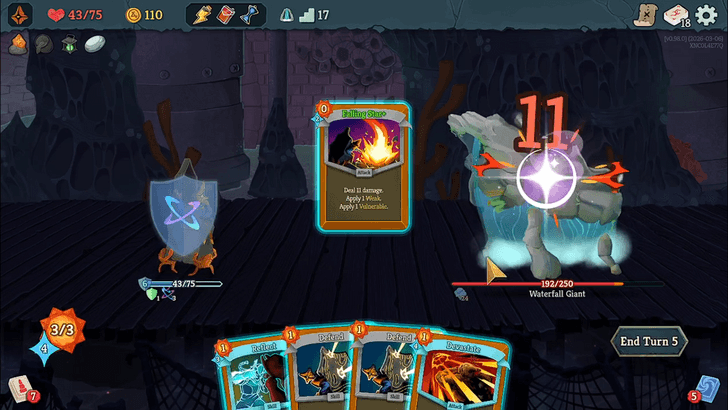
The Regent introduces unique mechanics built around Stars and the Forge system. Stars act as a second resource that can be stored between turns, while Forge cards improve the power of the Sovereign Blade.
Because of these mechanics, Regent builds usually focus on preparing for strong finishing turns.
Slay the Spire 2 Guide: Best Builds for Every Character
Sovereign Blade Build
The most common Regent strategy focuses on increasing the damage of Sovereign Blade. Forge cards strengthen the Blade throughout the fight, allowing players to build its damage over several turns.
Since the card stays in the hand, players can wait for the right moment to attack. When the Blade has enough power, one strike can deal massive damage to enemies or bosses.
Minion Sacrifice Build
Another build focuses on creating and sacrificing Guards. These temporary minions can be used to generate burst damage or large amounts of Block.
This strategy works well during difficult fights where players need strong effects in a single turn instead of slow damage over time.
The Regent takes time to reach full power, so early fights require careful planning until the deck is fully set up.
Which Character Should You Pick First?
For your first serious run, The Ironclad is the clear answer. Burning Blood forgives the small positioning mistakes that end runs on other characters, and his Strength builds are intuitive: make number big, hit hard. Once you understand how Energy, card draw, and deck cycling work, move to The Silent to learn about combo sequencing. After that, The Defect teaches passive engine building, and the two new characters reward the deep mechanical knowledge you build from those earlier runs.
Here is a quick difficulty ranking based on mechanical complexity:
- The Ironclad (Beginner)
- The Silent (Intermediate)
- The Regent (Intermediate, patience required)
- The Defect (Advanced, draw-dependent)
- The Necrobinder (Advanced, highest risk)