


Smalland: Survive the Wilds puts you in a miniature world where surviving means more than crafting gear and building shelters. The creatures around you can become your greatest assets. Taming turns potential threats into loyal companions that carry your loot, fly you across the map, or poison anything that gets too close. There are 8 tameable creatures in the game right now, and each one fills a different role. Here is exactly what you need to know to build the right roster.
How does taming work in Smalland?
The taming process follows a consistent pattern across all creatures. First, you need to reduce the target creature's health to 50%. Once it hits that threshold, you offer it the specific treat tied to that species. The creature then becomes your tame and can be commanded to follow, stay, or be released back into the wild.
One detail worth knowing: if a tame is set to follow you and you die or exit the game, it teleports back to you automatically. That means you are not losing your Wolf Spider to a bad fight or a server restart.
Taming treat inventory screen
What are all the tameable creatures and their treats?
These are all 8 currently available tames along with their required treats and stats.
Which tame should you prioritize first?
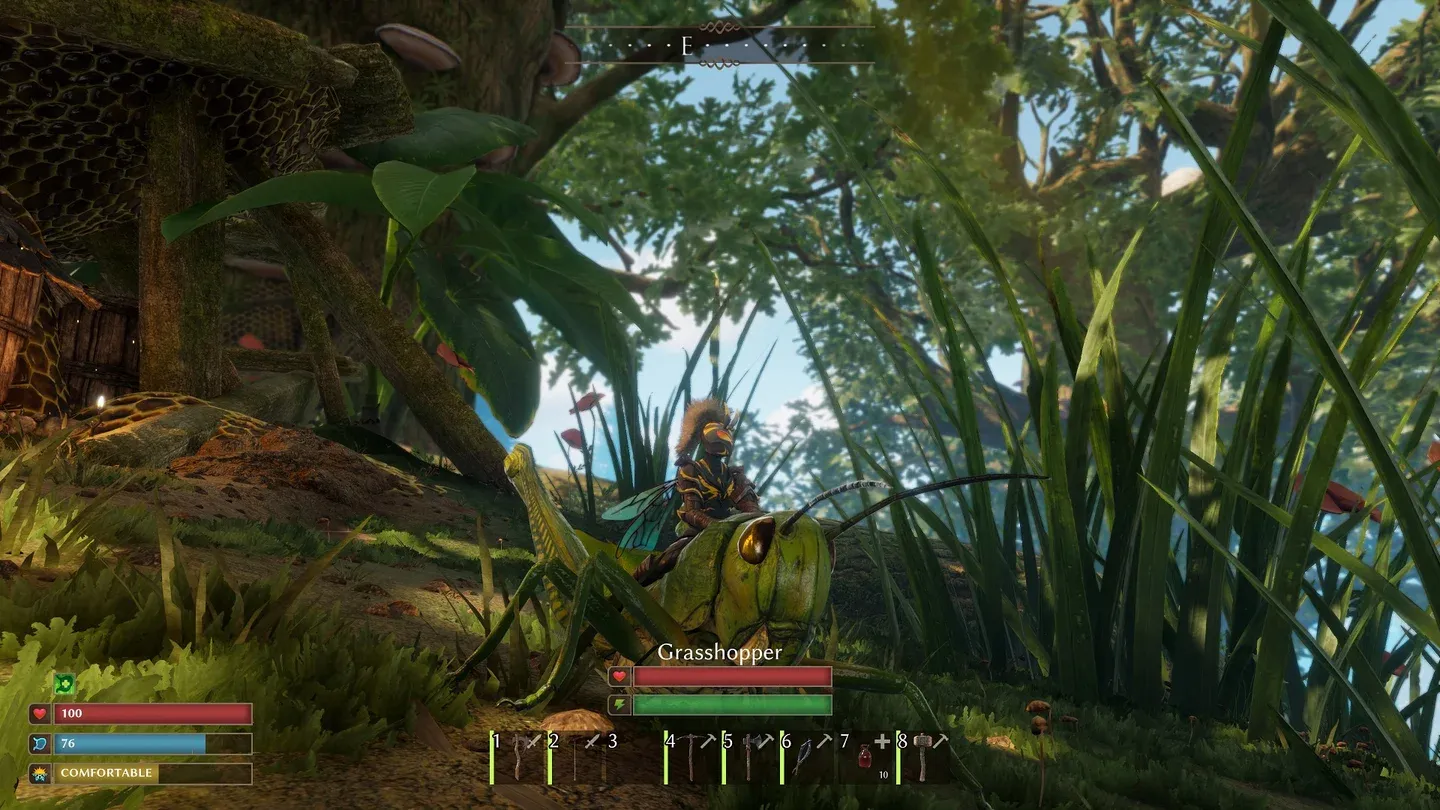
For most players, the Ladybug is the first tame worth grabbing despite its low combat stats. It brings a 5x4 extra storage grid that dramatically reduces the number of trips back to base. The tradeoff is obvious: with only 25 health and 50 resilience, it will not survive a serious fight. Keep it on stay during combat.
After the Ladybug, the Wolf Spider makes a strong case as your primary combat companion. It has 220 health, 440 resilience, and inflicts poison on enemies, which stacks nicely with your own damage output. After testing both spider and gecko in combat scenarios, the spider's poison trait consistently outperforms the gecko's wall-climbing utility in direct fights, though the gecko has obvious advantages in traversal-heavy areas.
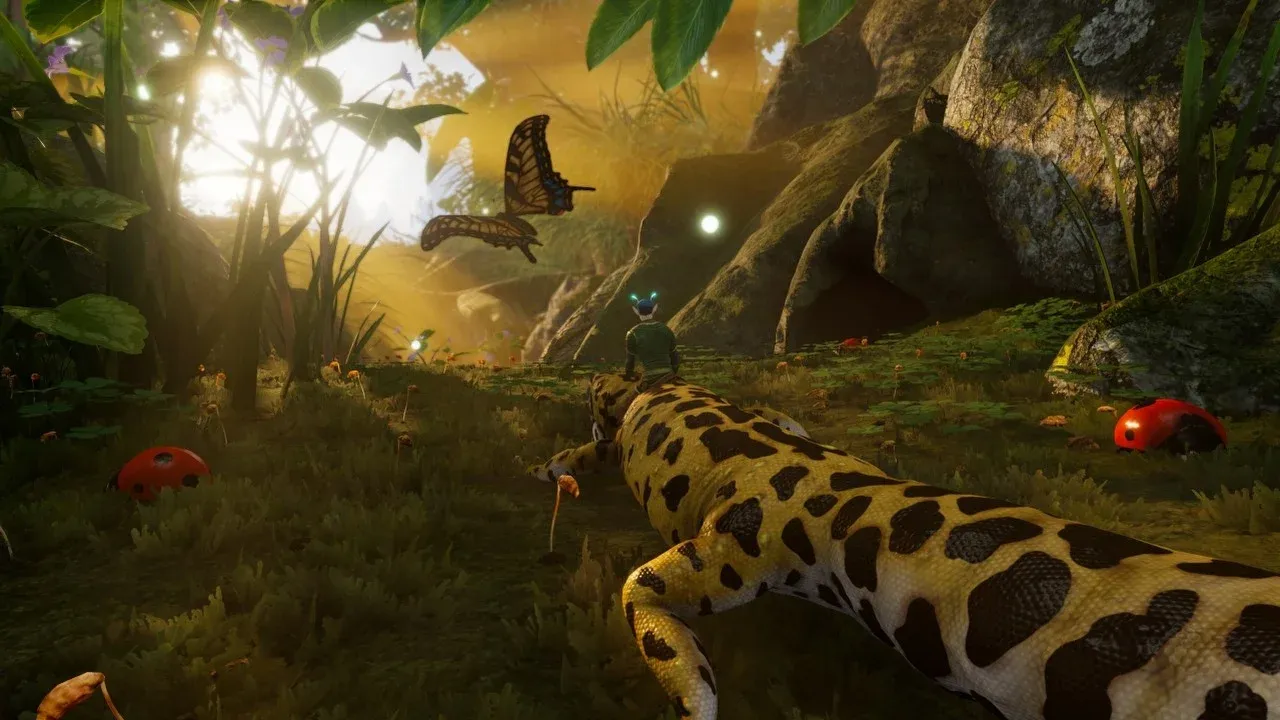
The Gecko sits in an interesting middle ground. Its wall-climbing ability opens up routes that would otherwise require a flying mount, and its 400 resilience makes it one of the tougher mid-tier tames. If you are playing in areas with a lot of vertical terrain, the Gecko earns its spot.
Wolf Spider combat companion
What is the best flying mount in Smalland?
The Blue Tit is the clear answer here. It offers fast, unlimited flight with 1750 health and 500 resilience, making it the most durable tame in the game aside from the Scorpion. The Damselfly and Hornet both offer flight, but both are described as limited or fairly limited, and neither approaches the Blue Tit's stats.
The catch is the acquisition cost. You need a Blue Tit Egg plus 500 Hoots spent at Malik The Ornathomancer. This is a late-game investment, not something you are picking up in your first few hours. Plan your Hoots budget around it if aerial traversal is a priority for you.
How do you use tames effectively in combat?
The two combat-focused tames, the Wolf Spider and the Hornet, both inflict poison. This makes them most effective against high-health targets where the damage-over-time has room to accumulate. Positioning matters: keep your tame on follow so it engages alongside you rather than sitting idle.
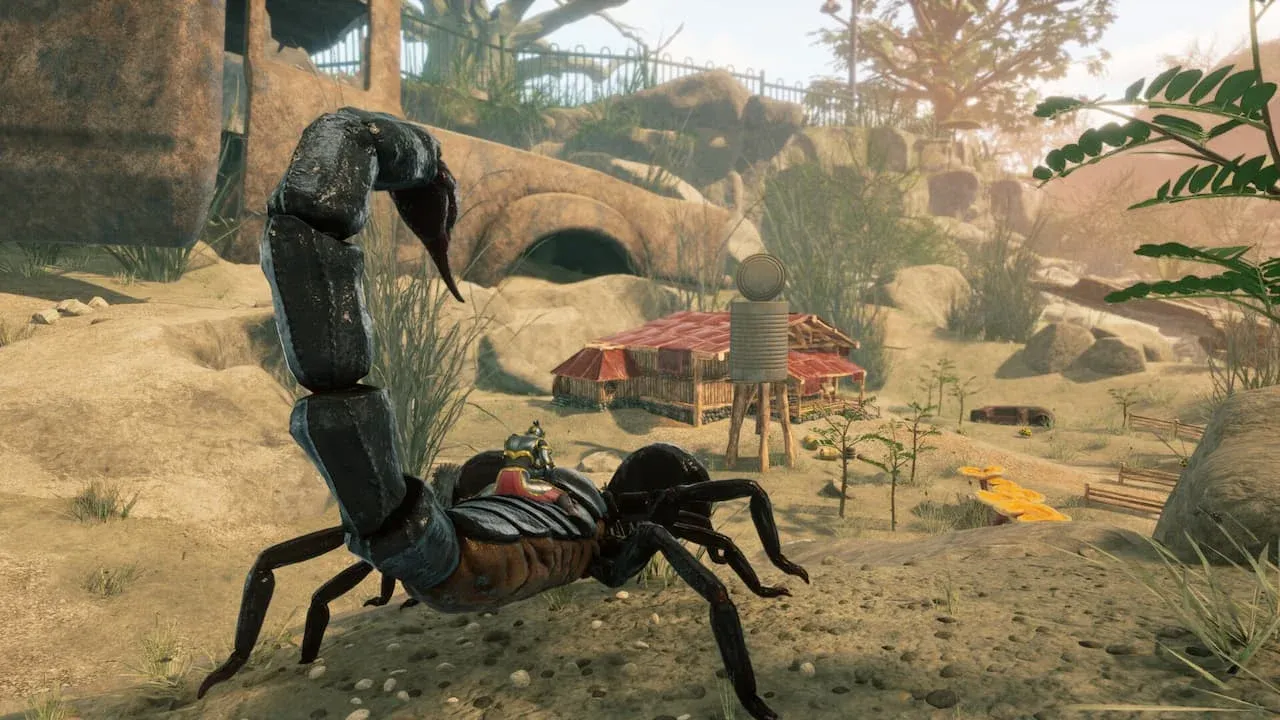
The Scorpion is the tankiest tame available at 2000 health and 500 resilience, but no special trait is currently documented for it. It functions as a durable frontliner that absorbs hits while you deal damage from range or flank. Given its stats, it is likely a late-game tame that requires significant effort to acquire, though the specific treat requirements follow the same general taming pattern.
Scorpion tame stat overview
Building your tame roster around your playstyle
Taming in Smalland is not a one-size-fits-all system. The right combination depends on what you are doing at any given stage of the game. Here is a practical breakdown:
- Early exploration: Ladybug for storage, Grasshopper for mobility across terrain
- Mid-game combat: Wolf Spider for its poison and solid resilience stats
- Vertical traversal: Gecko for wall-climbing in complex terrain
- Late-game everything: Blue Tit as your primary mount, Scorpion as your combat anchor
The Grasshopper's long jump trait is worth mentioning specifically for players who find themselves crossing large gaps frequently before they have access to a flying mount. With 85 health and 170 resilience it is fragile, but the mobility it provides in the early game is genuinely useful.
For more strategies across every part of the game, the Smalland: Survive the Wilds strategy guides cover everything from base building to combat builds. Smalland sits firmly in the action games genre, and the taming system reflects that by rewarding players who think tactically about their companion loadout rather than just grabbing whatever is nearest.