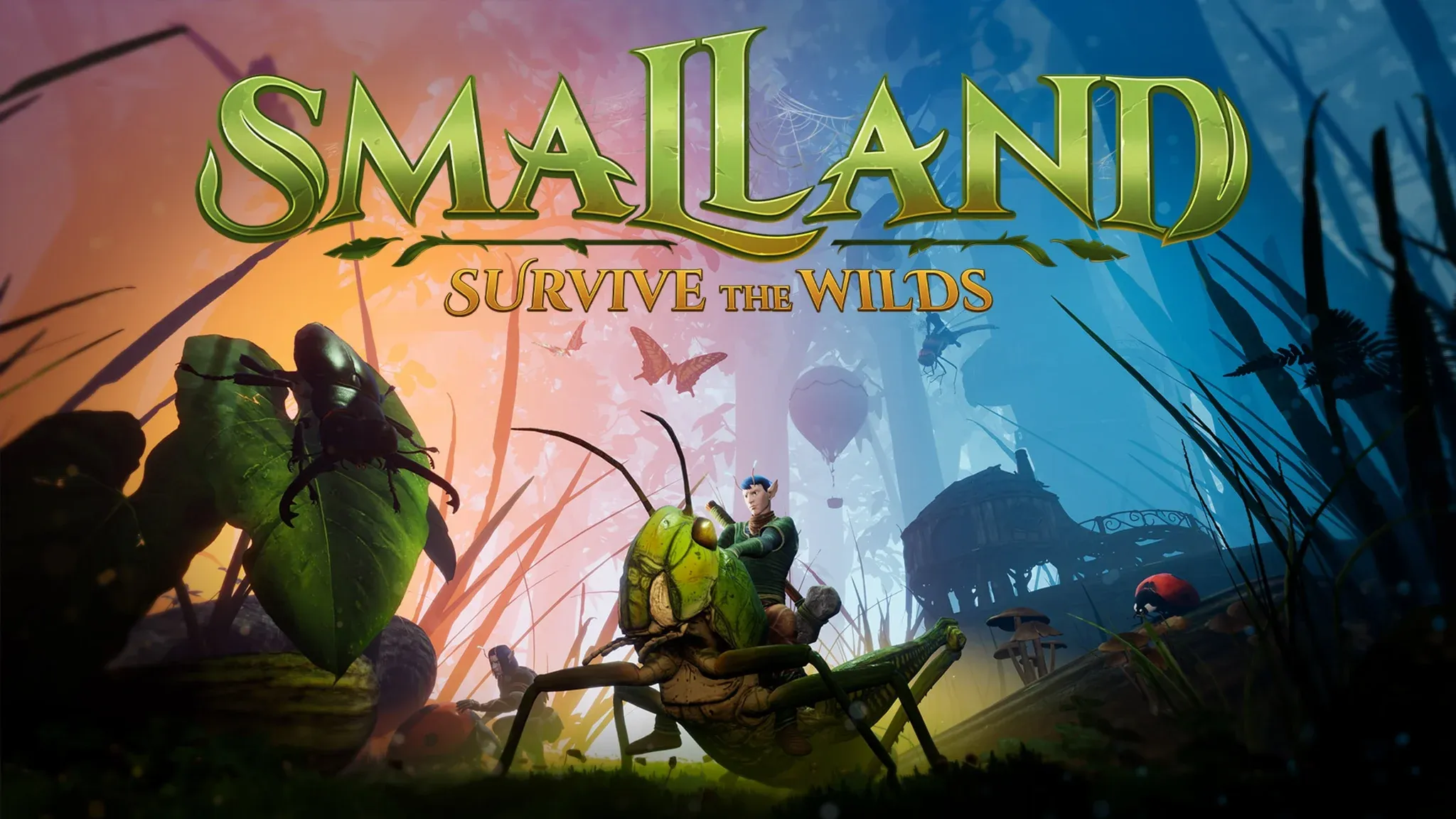


Getting started in a world where puddles are lakes
Smalland: Survive the Wilds drops you into a world where you play as a Smallfolk, a species that predates the Giants and once lived beneath them. Now that the Giants are gone, your mission is to return to the surface and find a cure for your dying Queen. The scale of everything around you is the point: common insects are effectively boss-tier threats, and a puddle of rainwater looks like an inland sea. Developed by Merge Games, this is a survival open-world adventure where crafting, creature taming, and seasonal survival all matter from the first minute you spawn.
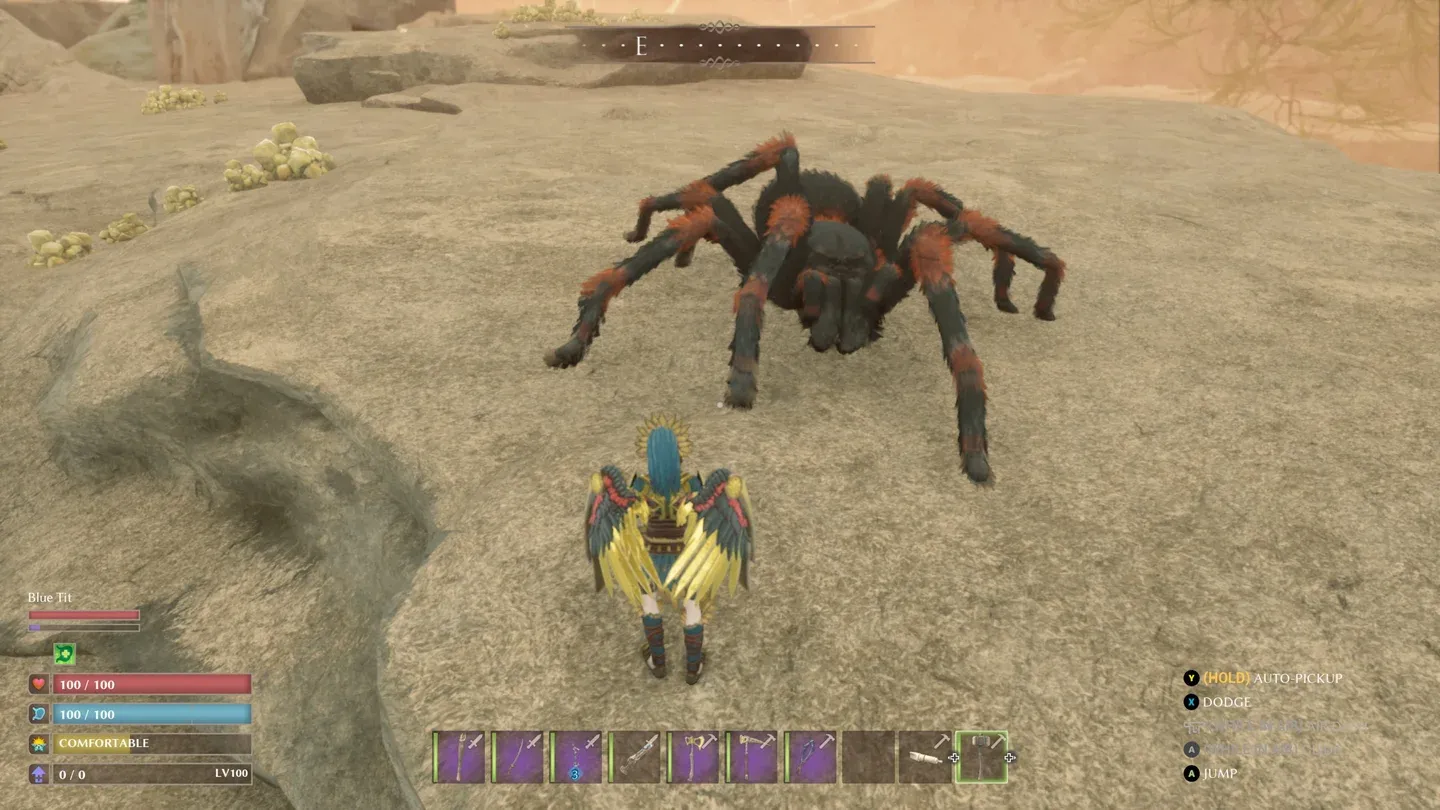
Surface world, giant-scale threats
What kind of game is Smalland, exactly?
At its core, Smalland sits firmly in the action games genre with survival mechanics layered on top. You gather resources, craft gear, fight bosses, and build bases, but the miniature scale changes how every one of those systems feels. A spider is not just a mob; it is a titan that can end a run before you have decent armor. The wiki maintained by the community at smallandsurvivethewilds.wiki.gg currently holds over 3,107 pages across 1,257 articles, which tells you how deep the systems go.
The game is available on Steam, Xbox, and PlayStation, so you have options regardless of platform.
Core survival pillars every beginner needs to understand
Scavenging resources
Everything in Smalland starts with resource gathering. The world is divided into distinct biomes, each with its own resource pool and creature population. Gathering early materials lets you progress through the crafting tree, so prioritize learning which biomes hold what before you start ranging too far from your spawn point.
Crafting elemental armor
Armor in Smalland is not just a stat upgrade. The game uses elemental armor sets that correspond to different threats and seasons. Matching your armor to the current season or the enemy type you are farming is one of the higher-impact decisions you make in the early game. The wiki lists the full Armor category if you need a breakdown of every set and its materials.
Taming creatures
One of Smalland's standout mechanics is the ability to tame insects and use them as companions or mounts. There is an entire Companions system with a dedicated tames list documenting every tamable insect. Getting a tamed creature early dramatically changes your mobility and combat options, so do not treat taming as an optional side activity.
Building your base
Base building in Smalland is vertical as much as it is horizontal. Constructing fortified bases atop Great Trees is a legitimate strategy that keeps you above most ground-level threats. The game includes a build deterioration mechanic by default, meaning structures decay over time unless you maintain them or disable the mechanic in server settings.
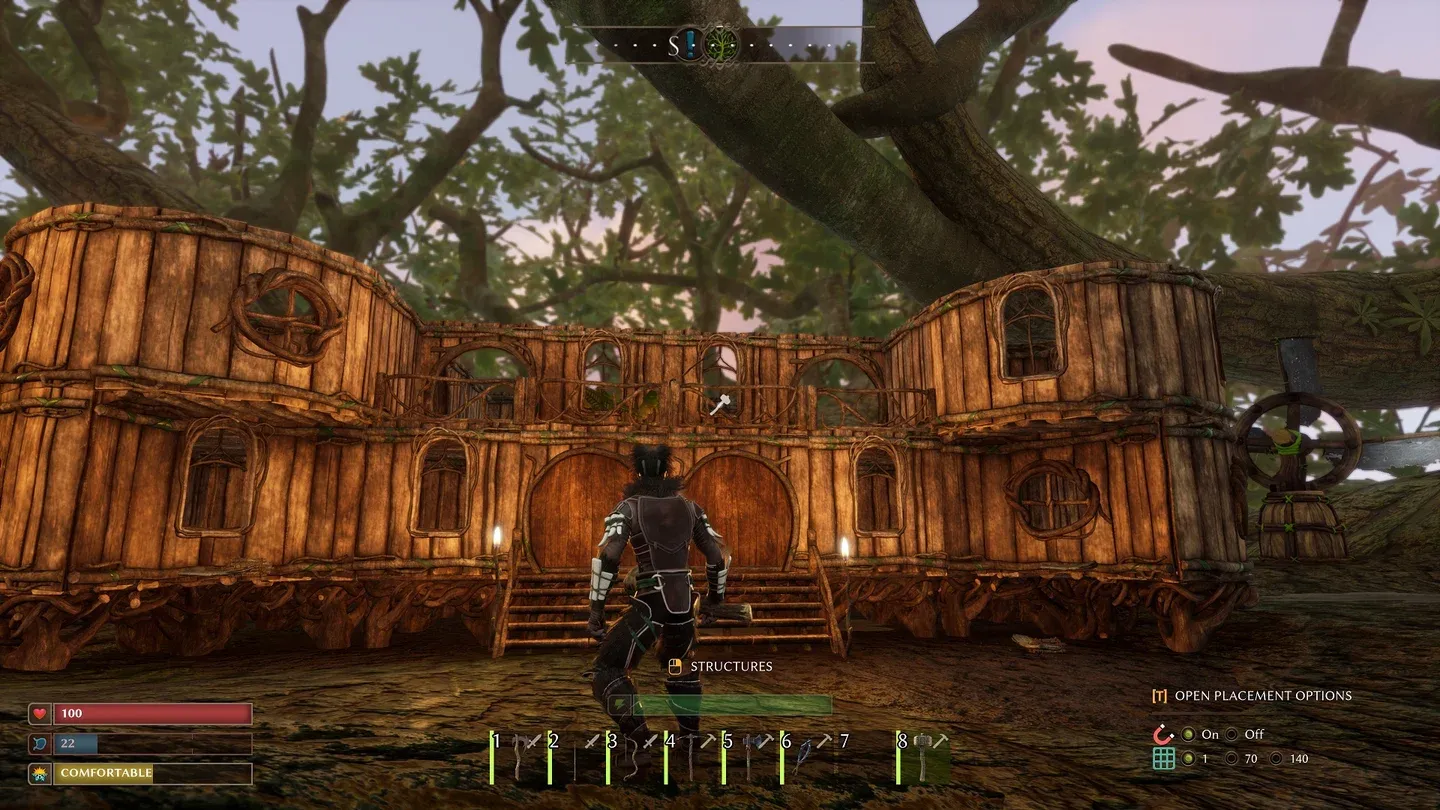
Great Tree base positioning
How do seasons affect your survival strategy?
Seasons are not cosmetic. The changing seasons in Smalland directly affect which threats appear, how dangerous the environment is, and which elemental armor you should be wearing. Treating each season as a distinct survival phase, rather than just a visual backdrop, is the mindset shift that separates players who struggle from those who push into late-game content cleanly.
What's the best approach for multiplayer?
Smallland supports cooperative multiplayer, and the co-op experience changes the pacing significantly. With multiple players, resource gathering splits across the group, base building goes faster, and boss fights become more manageable. Dedicated servers running the game need a minimum of 4GB RAM to operate stably
Server hosts can configure a range of settings including day and season length, death penalty rules, PVP toggling, and build deterioration. If you are playing with friends on a private server, adjusting day length and turning off build deterioration early on gives new players more breathing room to learn the systems without constant pressure.
Server settings for co-op play
Story and factions: do they matter for beginners?
The story gives your survival loop a direction. You are a Smallfolk trying to find a cure for your dying Queen, which means the narrative actually motivates exploration rather than just sitting in the background. Factions are a separate gameplay layer documented in the wiki, and engaging with them opens up additional progression paths. As a beginner, focus on the core survival loop first, but keep factions in mind once you have stable armor and a base.
Getting the most out of the Underlands
The Wyrdweaver Update added the Underlands, a cavern biome that sits beneath the surface world. The wiki notes that community members have begun exploring it and that new secrets are still being documented. As a beginner, the Underlands is mid-to-late game content, but knowing it exists helps you plan your progression arc. Get your elemental armor sorted and a tamed companion before heading underground.
For more tips, strategies, and detailed breakdowns of every system in the game, the Smalland: Survive the Wilds strategy guides collection covers everything from boss locations to the full tames list.