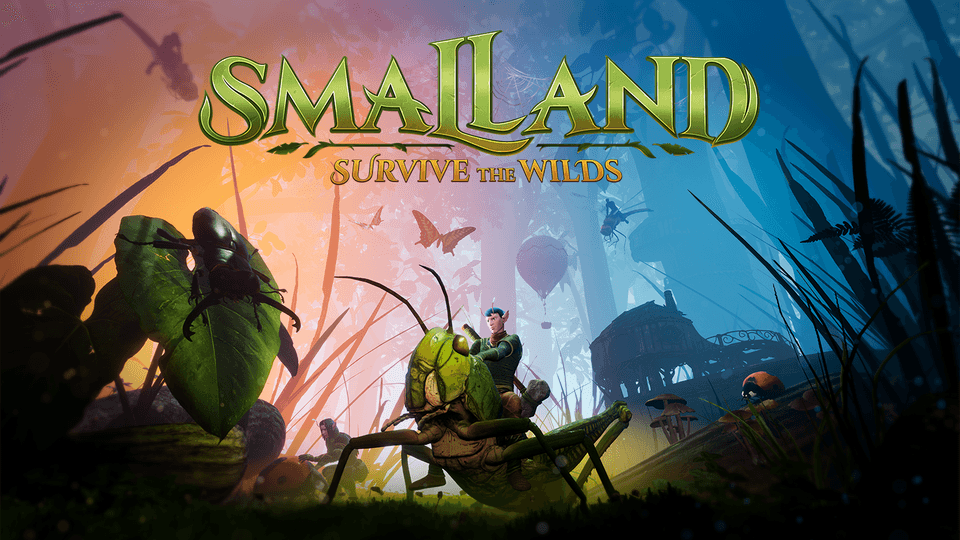


What is Smalland: Survive the Wilds?
Smalland: Survive the Wilds is a survival open-world adventure game developed by Merge Games where you play as a Smallfolk, a species that predates the Giants and lived beneath them. With the Giants now gone, your mission is to return to the surface world and find a cure for your dying Queen before it's too late. You'll craft powerful gear, fight terrifying bosses, explore diverse biomes, and even tame insect companions along the way. The game is available on Steam, Xbox, and PlayStation.
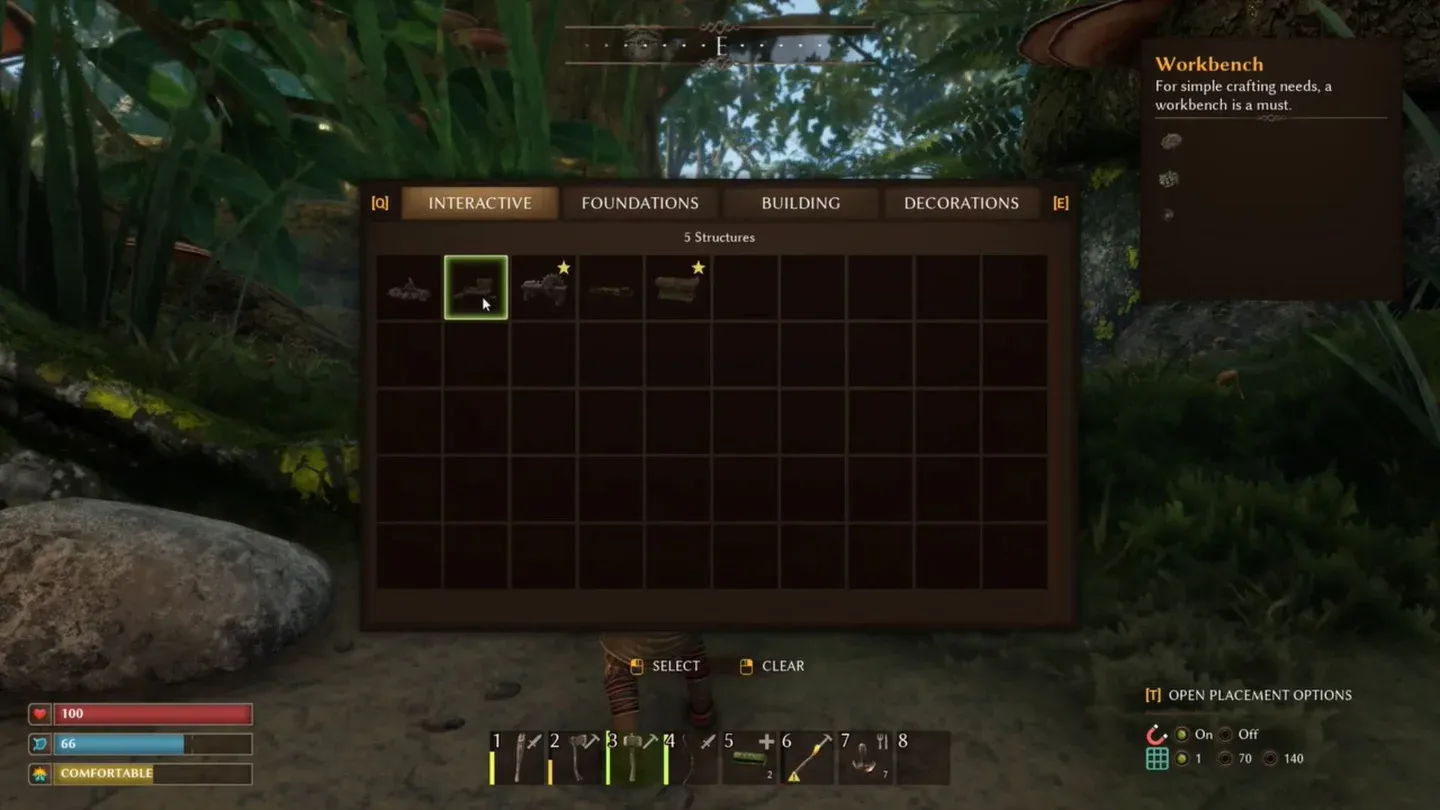
Crafting bench recipe overview
What do you do in Smalland: Survive the Wilds?
At its core, Smalland sits firmly in the action games genre, blending survival crafting with combat and exploration. You gather resources, build a base, craft weapons and armor, and push through increasingly dangerous regions filled with giant insects and other creatures. The world is massive relative to your tiny Smallfolk character, which makes every blade of grass and mushroom feel like genuine terrain.
The game's main pillars break down cleanly:
- Crafting: Build tools, weapons, armor, and base structures from gathered resources
- Combat: Fight creatures and terrifying bosses using crafted gear
- Exploration: Discover biomes, uncover story content, and interact with factions
- Companions: Tame insect creatures to fight and travel alongside you
How do crafting and gear progression work?
Crafting is the backbone of your progression. You gather resources from the environment, then use those materials at crafting stations to produce tools, weapons, and armor. Tools & Weapons, Armor, and Base Structures are the three main crafting categories, each with their own progression paths.
Base structures are especially important early on. Building a shelter protects you between sessions and gives you a safe place to store resources and craft more advanced items. Don't skip base-building in favor of rushing combat; a solid crafting setup saves enormous time later.
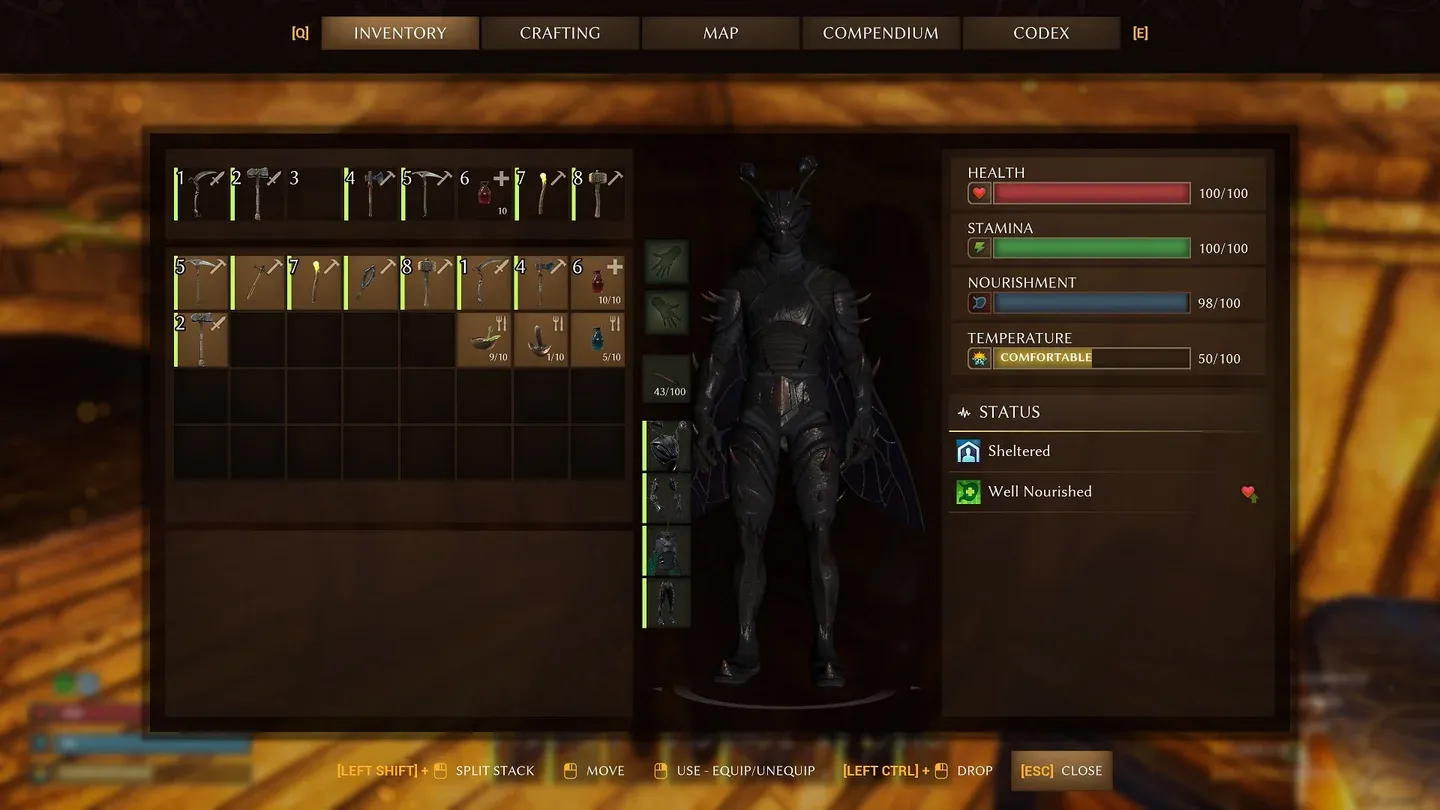
Armor set crafting screen
What creatures and biomes will you encounter?
The world of Smalland is divided into distinct Biomes, each with its own set of Creatures and available Resources. Creatures range from manageable early-game insects to terrifying bosses that require well-crafted gear and preparation to defeat.
Here's a quick overview of the core content categories and what they feed into:
Bosses are a major milestone in progression. Each one likely guards access to better resources or story advancement, so preparing your gear before attempting them is non-negotiable.
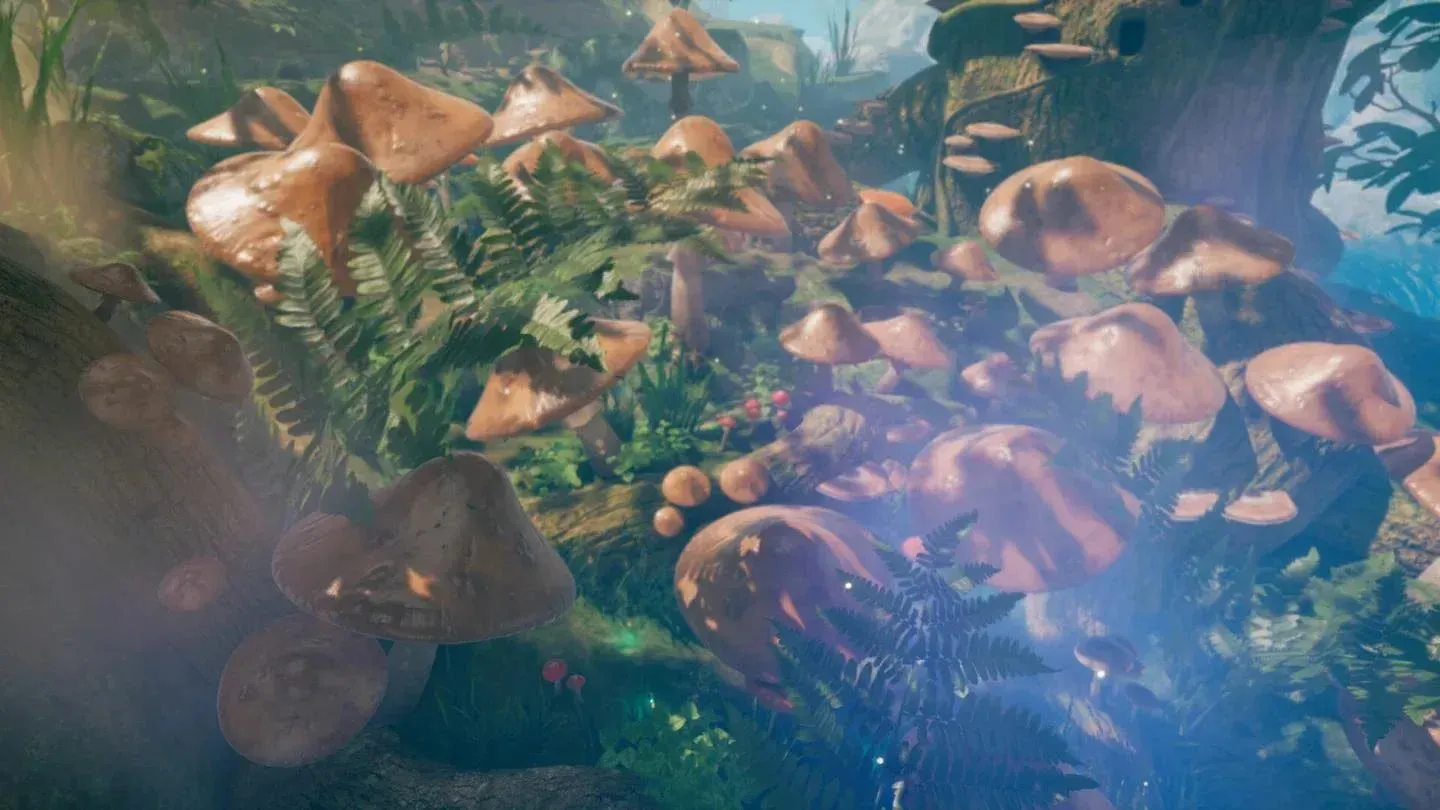
Giant insect encounter in biome
How do factions and the story connect?
The narrative centers on your mission to save the Smallfolk Queen. Factions are NPC groups you'll interact with as you progress through the Story. Story, Factions, and Companions are the three gameplay pillars alongside crafting and exploration.
Engaging with factions isn't just flavor. Factions appear to gate certain story beats and potentially offer unique rewards or access to companion taming. Prioritize talking to faction NPCs when you encounter them rather than skipping past in search of resources.
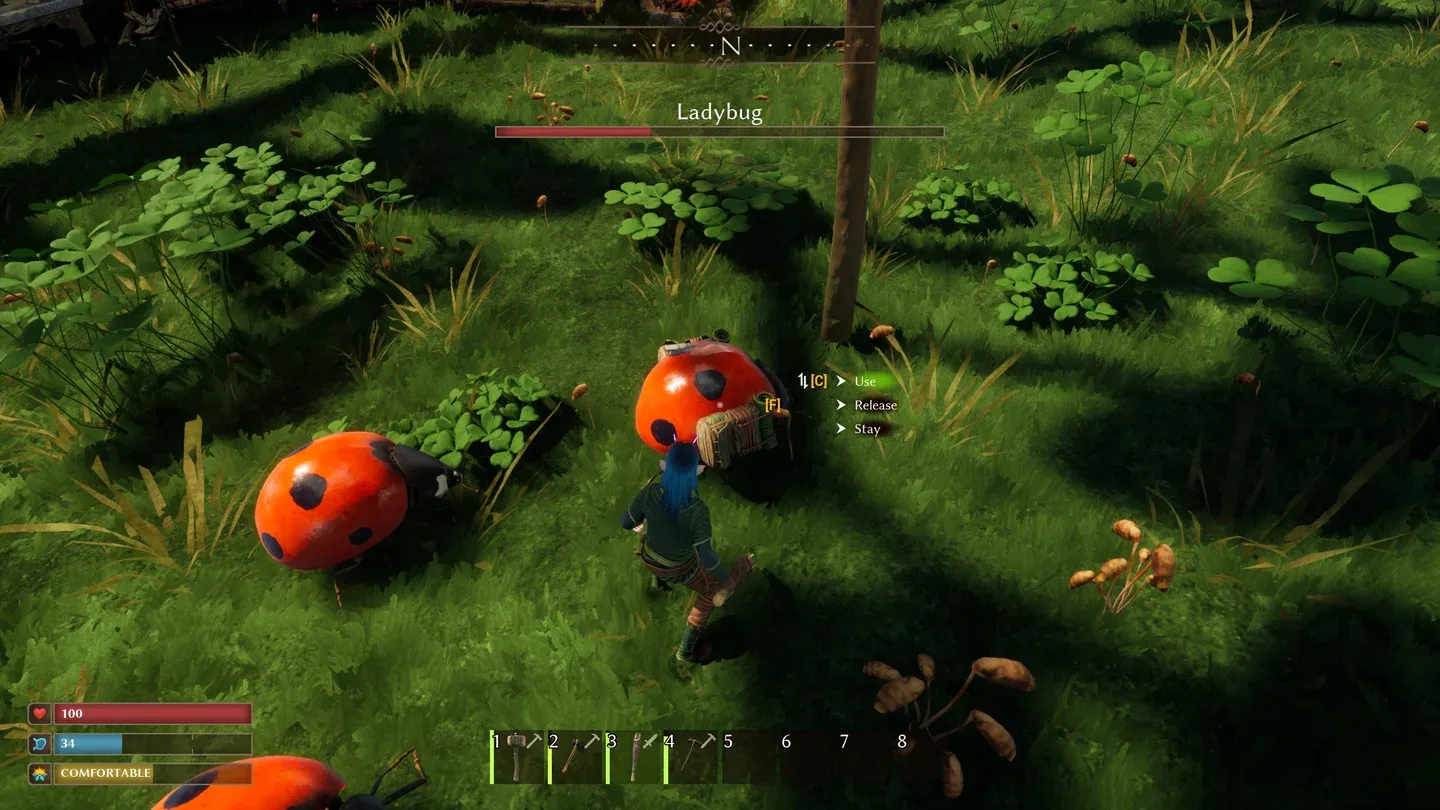
Companion taming interface
Tips for getting started efficiently
Here's what matters most in the opening hours:
- Gather before you build. Spend your first session collecting as many basic resources as possible before committing to base construction.
- Learn creature patterns. Creatures in Smalland aren't just damage sponges. Watch their attack patterns before committing to fights.
- Use companions early. Tameable insect companions provide combat support that makes early boss attempts significantly more manageable.
- Explore systematically. The world is large relative to your size. Map out each biome before moving to the next so you don't miss resources.
- Check the Underlands when ready. The Wyrdweaver Update added underground content that's separate from the surface world, so treat it as a mid-to-late-game destination.
Where can you find more guides?
Smalland has a broad set of systems that reward players who take time to understand each one. The game's community documentation contains over 1,257 articles covering everything from specific creature stats to resource locations.
For deeper strategy on specific systems, the Smalland: Survive the Wilds strategy guides collection covers individual mechanics in more detail. Whether you're trying to optimize your armor progression, find specific resources, or prepare for a particular boss, that's the place to start.