Overview
SOL Shogunate is a third-person action RPG developed and published by Chaos Manufacturing, set on a reimagined version of Earth's moon where feudal Japanese power structures have been transplanted into a far-future solar civilization. Players take on the role of Yuzuki, the surviving heir of a samurai family destroyed by a rival clan. Now a ronin and a fugitive, she tears through the shogunate's gleaming cities looking for blood. The world is built on a sharp contradiction: glittering metropolises with artificial gravity and simulated day cycles for the elite, while an underclass of workers keeps the whole machine running from the shadows.
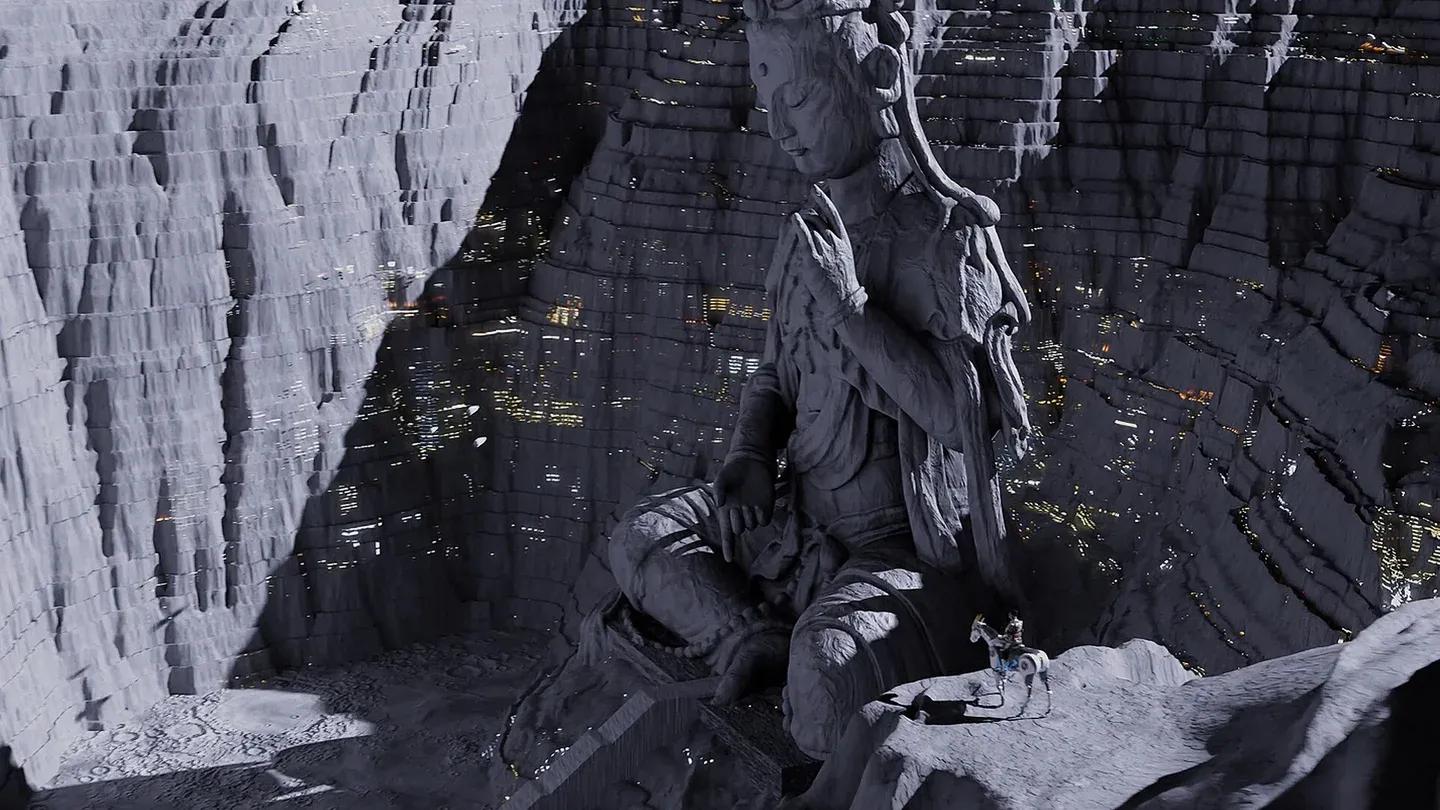
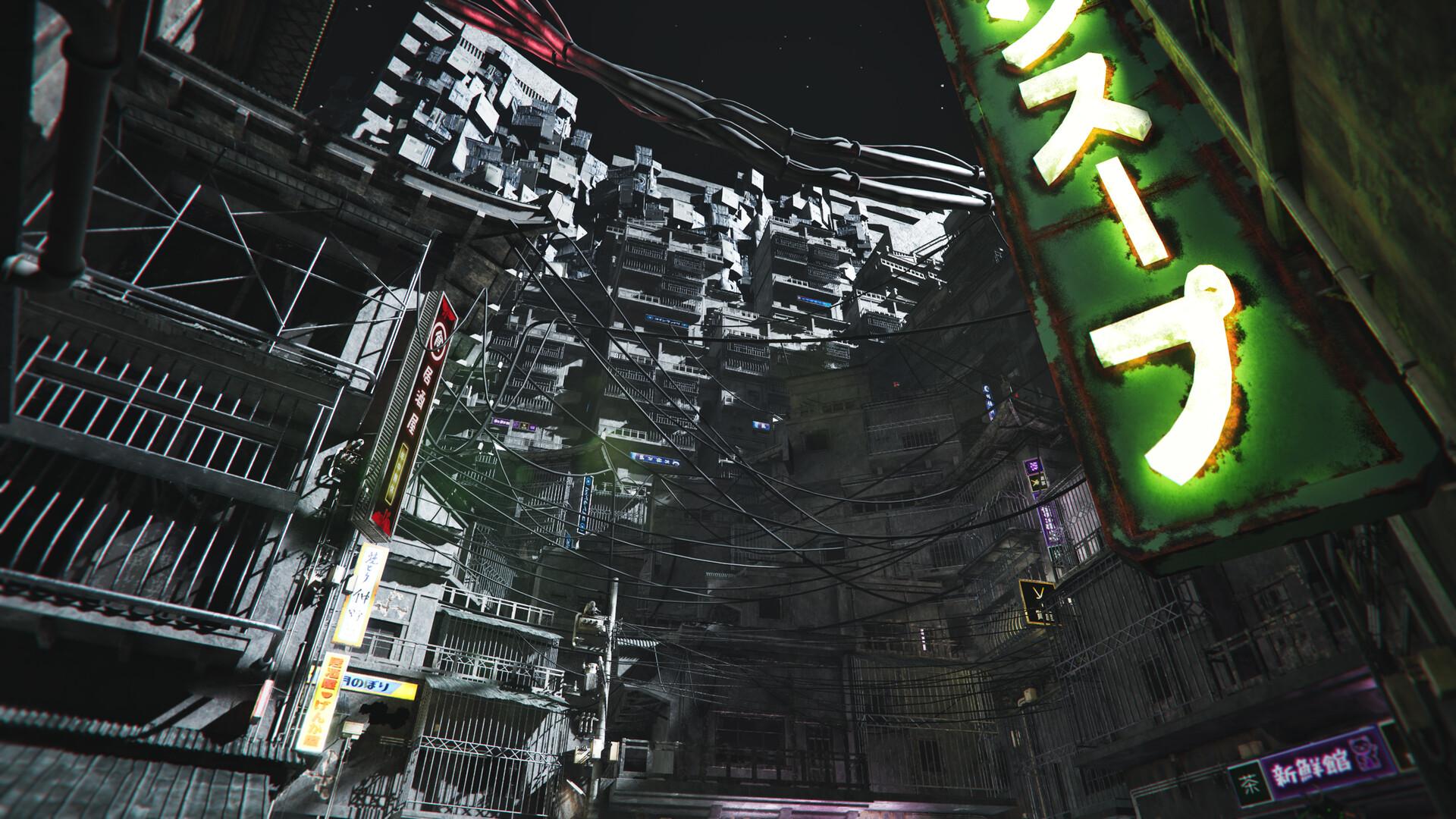
The setting does real work here. Each lunar city is designed as a tribute to a different era of Japanese history, which gives the game a coherent visual identity while letting Chaos Manufacturing build out distinct environments. Mining colonies carved into craters sit alongside monolithic installations and towering space elevators. It's a world that takes its premise seriously rather than using "feudal Japan in space" as a thin aesthetic coat.
Gameplay and mechanics: what does the combat actually feel like?
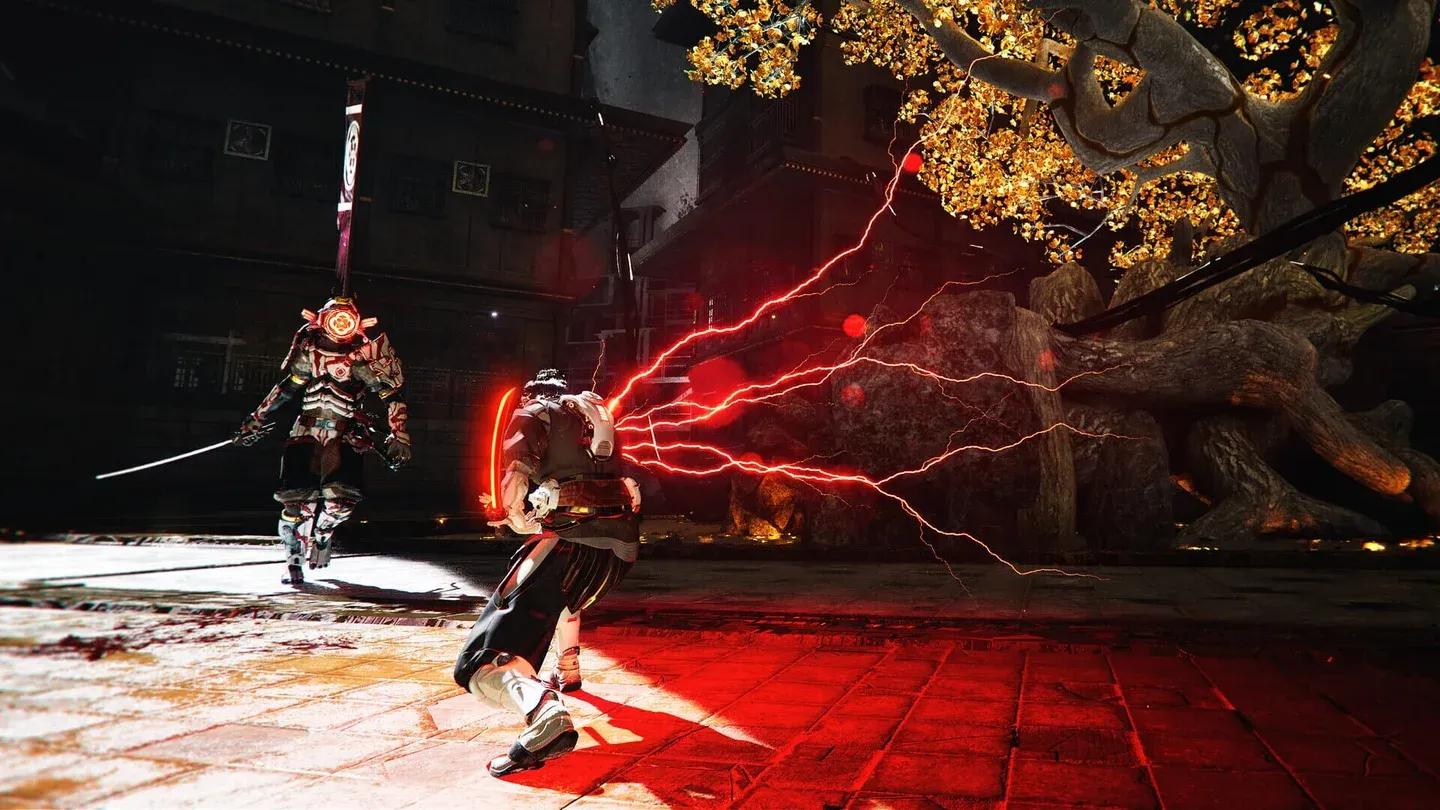
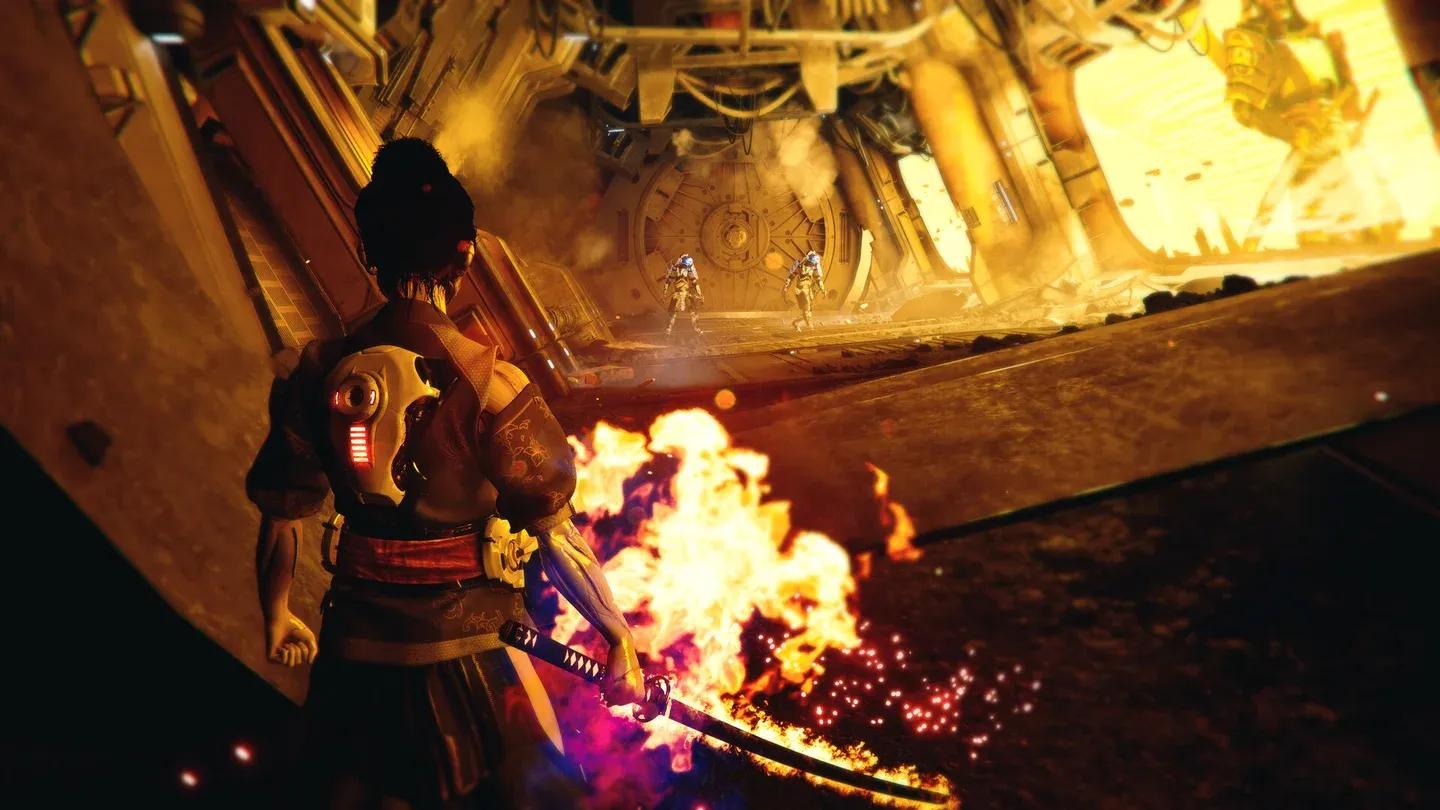
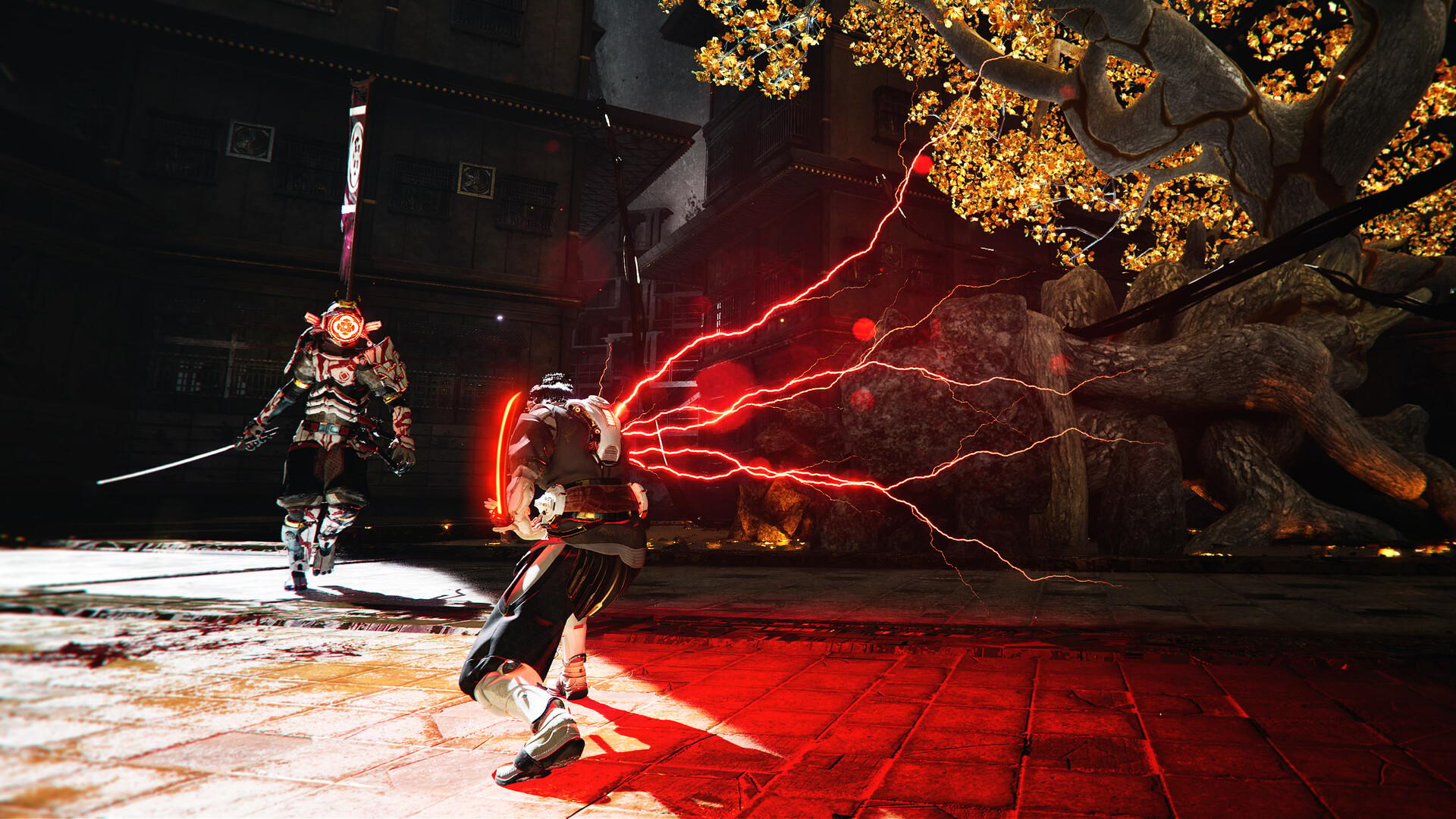
SOL Shogunate is built around fast, weapon-focused melee combat with ranged options layered in. The game offers multiple weapon types, each described as traditional Japanese weapons re-engineered for multi-planetary warfare. Combat is expanded through elemental weapon infusions and a gene splice system that lets players collect and slot in biological upgrades, ranging from bio-ceramic skin to enhanced vision. The result is a build system that sits somewhere between an action game and a light RPG, rewarding players who experiment with different loadout combinations.
Key mechanics include:
- Elemental weapon infusions for combat edge
- Gene splice collection for skill customization
- Jetpack traversal and nano-fiber grapple cables
- Multi-phase boss encounters with exploitable weaknesses
- Gravity-assisted movement across lunar terrain
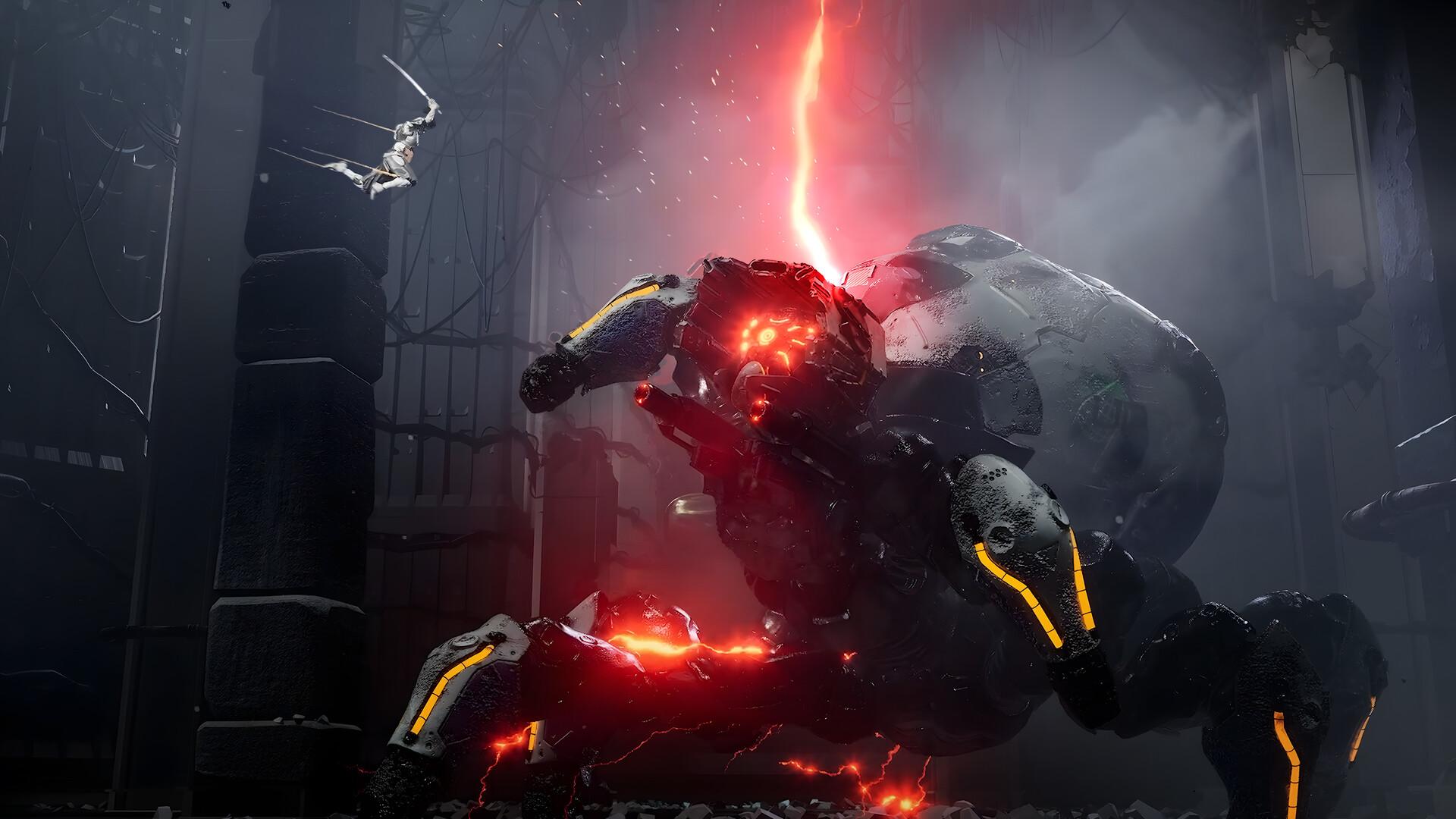
Mobility is central to how fights play out. The jetpack and nano-fiber grapple cables aren't just traversal tools; they feed directly into combat, letting Yuzuki close distance, reposition mid-fight, or launch into acrobatic attacks. Gravity itself becomes a variable depending on where you're fighting, and the game's environments are designed around that instability.
World and setting
The moon in SOL Shogunate functions as the solar system's political and economic hub, controlled by competing shogunate clans. That setup gives the game room to build out a world with actual stakes beyond Yuzuki's personal vendetta. The class divide between the shogunate elite and the labor underclass runs through the setting's DNA, giving the cities a texture that goes beyond sci-fi window dressing.
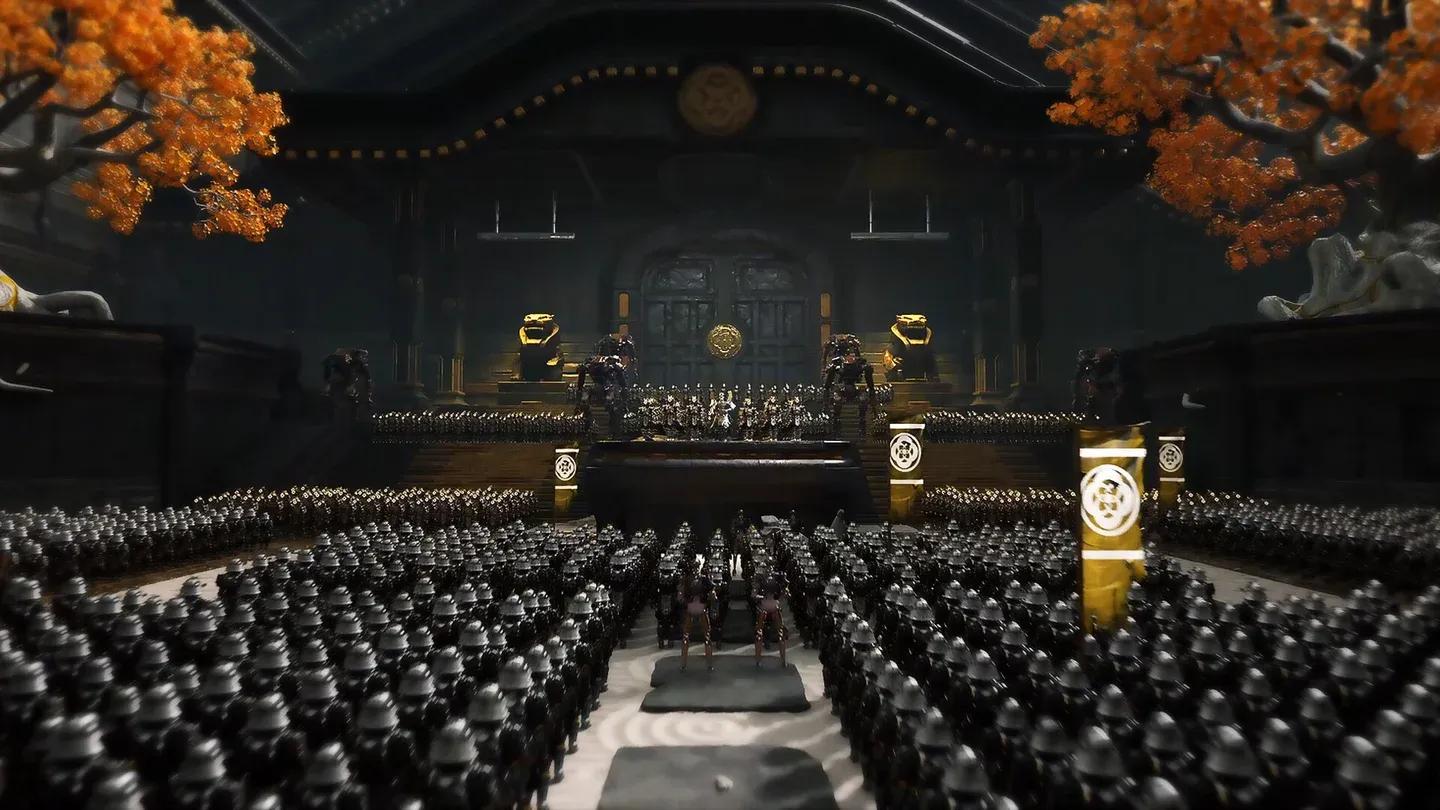
Each city's design reflects a specific period of Japanese history, which means the environments carry real cultural weight rather than just recycling generic feudal imagery. The contrast between opulent upper districts and the industrial infrastructure beneath them is a recurring visual and narrative theme.
Visual and audio design
Chaos Manufacturing has brought in external talent for the soundtrack, including Japanese rock band AliA. The music is dynamic, shifting in intensity as boss fights escalate through their phases. It's a deliberate design choice that ties the audio directly to moment-to-moment gameplay rather than running a static loop in the background.
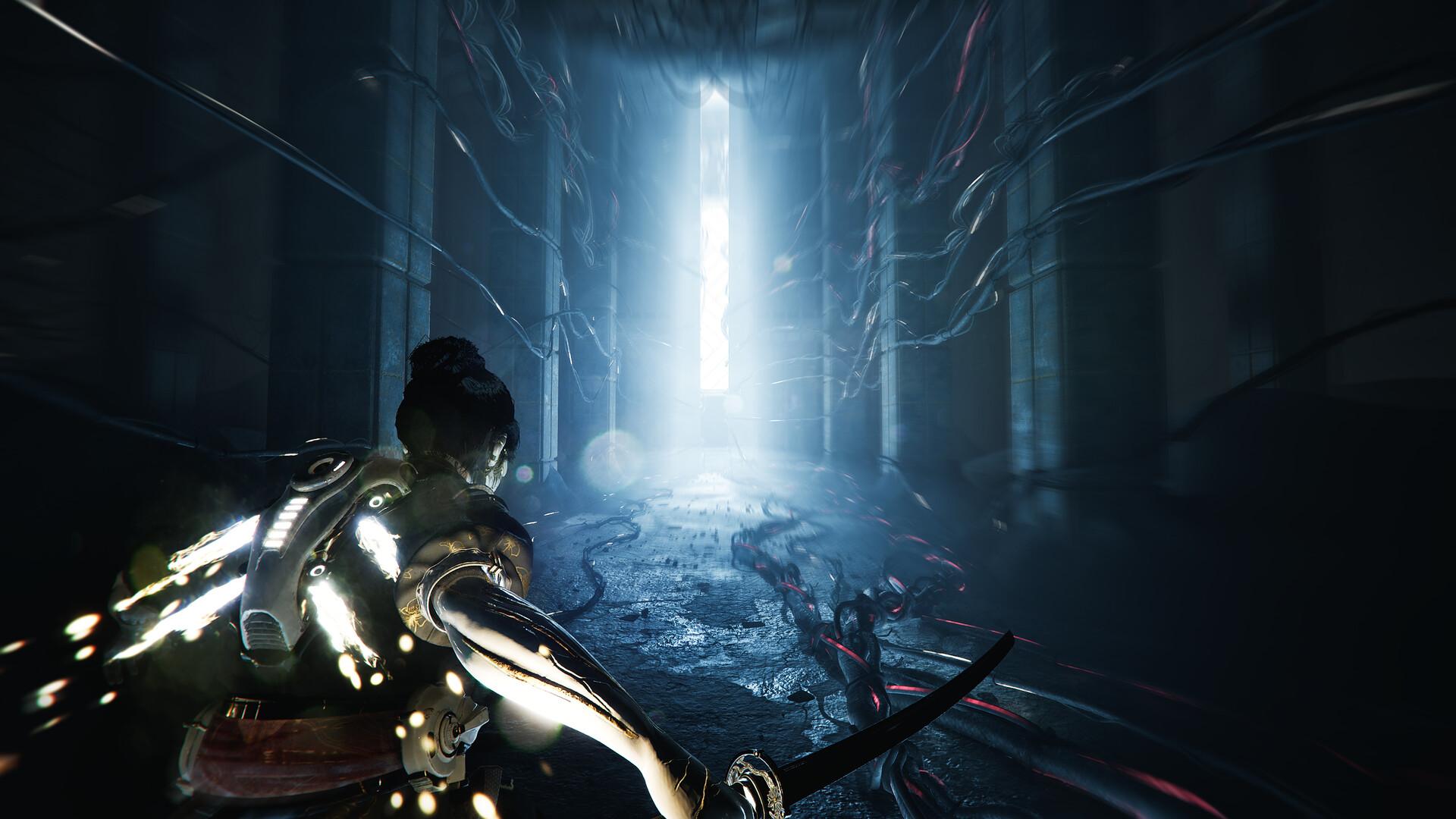
The visual approach pairs high-tech architecture with samurai aesthetics throughout. Space elevators and bullet trains share space with sword duels and clan banners. Whether that tonal blend holds together across a full game remains to be seen, but the art direction shown so far commits to the concept without hedging.
SOL Shogunate is a space-samurai action RPG with a clear identity: fast hack-and-slash combat, a deeply realized lunar setting, and a revenge story built on genuine world-building rather than genre shorthand. The gene splice customization system and elemental weapon infusions give the RPG side of the game real depth, while the mobility toolkit sets up combat that rewards spatial awareness. For fans of action RPGs with strong settings and build variety, Chaos Manufacturing's debut is worth keeping on the radar.