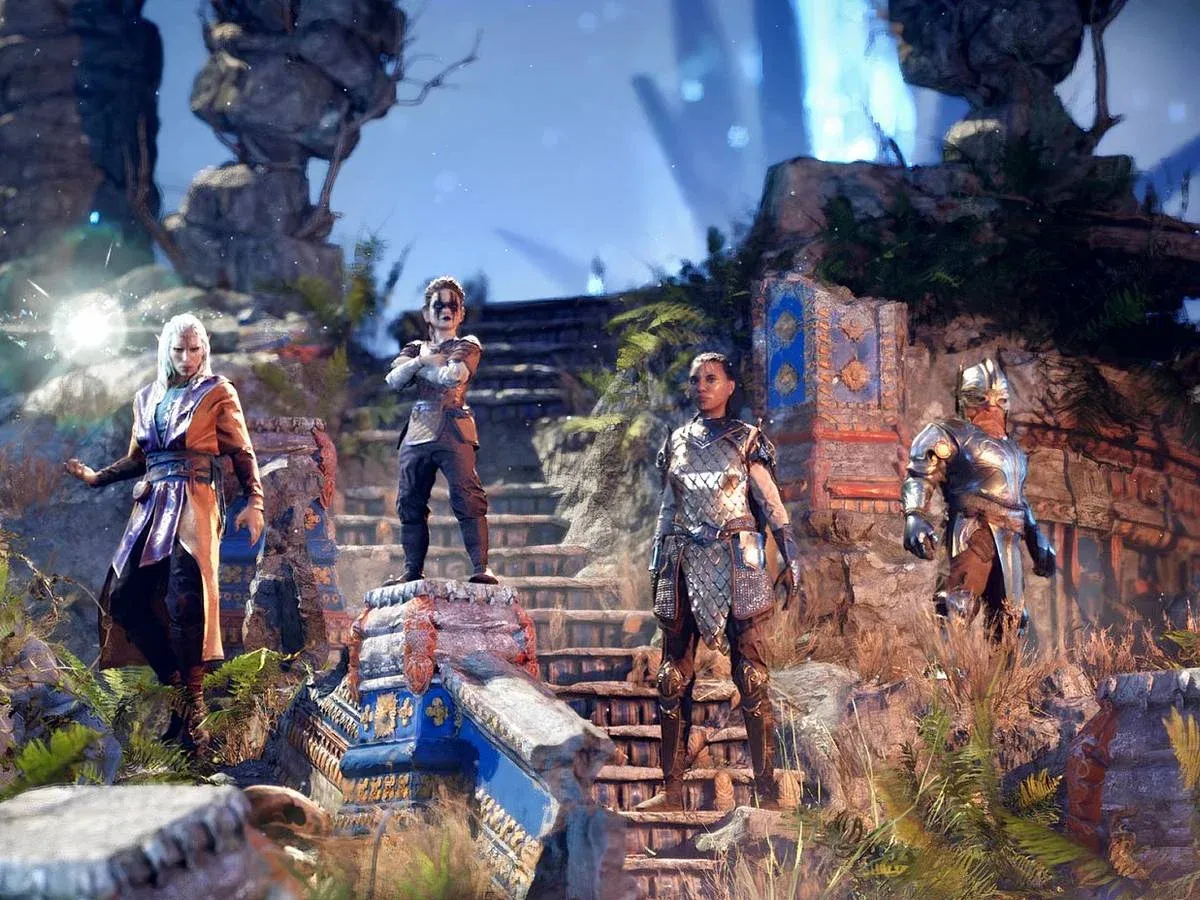


Solasta II drops you into one of the most demanding character creators in modern CRPGs, and it does not hold your hand. Built on a D&D 5e-inspired SRD 5.1 ruleset, every decision you make during party creation carries real mathematical weight. Get it wrong and the early dungeons will punish you relentlessly. Get it right and you will have a squad capable of handling anything the game throws at you.
How Does Solasta 2's Character Creator Work?
Solasta II's character builder is a multi-step process that forces you to think about your party as a unit from the very first screen. You are not creating four separate heroes; you are assembling a tactical team where every race, class, background, and stat choice either fills a gap or creates one.
The system mirrors tabletop D&D 5e closely, meaning racial ability score bonuses, proficiencies, and background traits all feed directly into combat performance and narrative options. The design philosophy prioritizes tactical authenticity over accessibility, so newcomers who skip the details will feel the consequences fast.
Race selection and stat bonuses
Understanding Races and Class Pairings
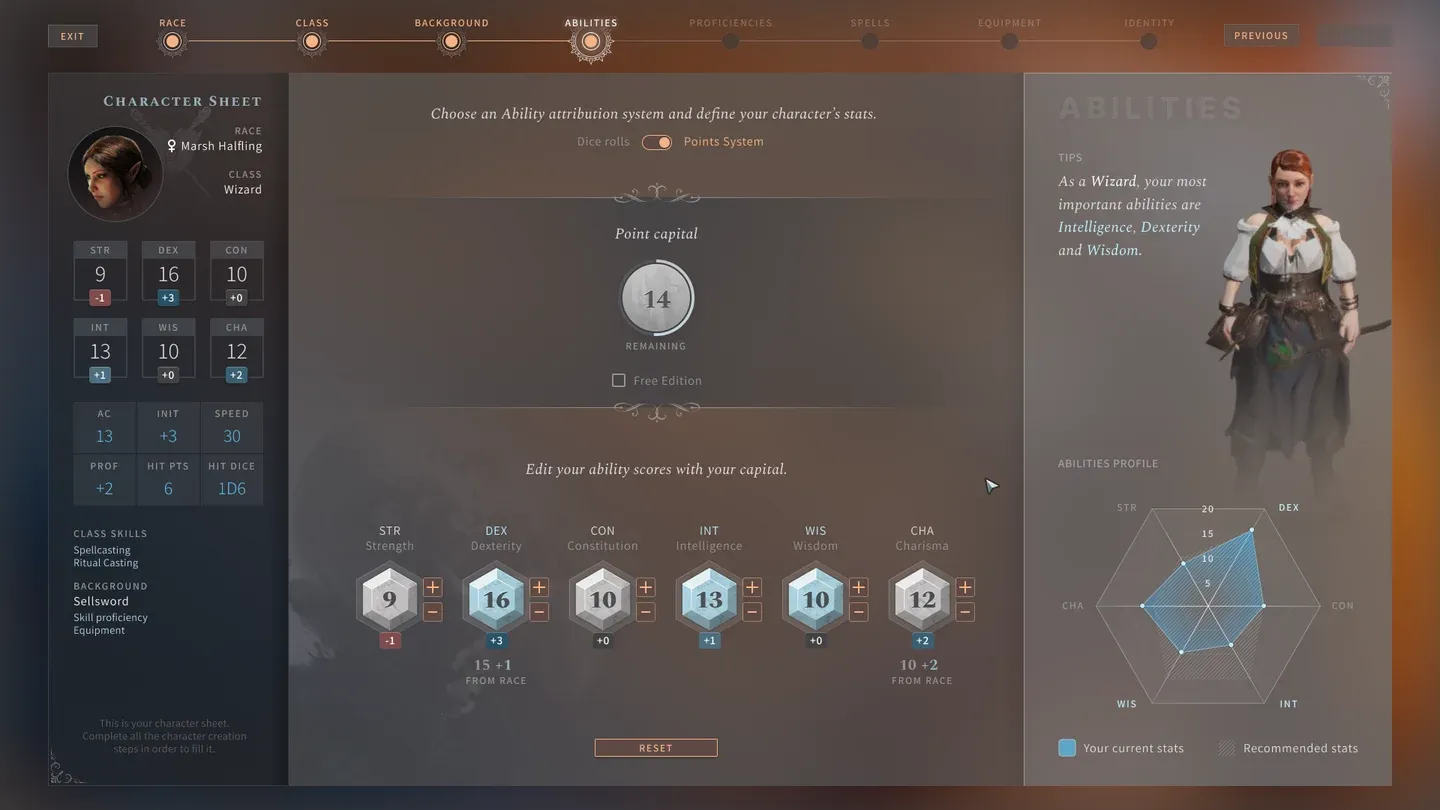
Each race provides specific ability score increases, darkvision ranges, and innate traits that pair naturally with certain classes. Among early players, Elven Rangers and Dwarven Clerics have been the most popular starting combinations, and for good reason. The Elf's Dexterity bonus feeds directly into a Ranger's attack rolls, while the Dwarf's Constitution bonus shores up a Cleric's survivability on the frontline.
One pairing worth highlighting is the Half-Orc Paladin. The Half-Orc grants bonuses to both Strength and Constitution, plus the Relentless Endurance trait, which can prevent a killing blow during early boss encounters. That single trait has saved countless runs in the first act.
How Do Backgrounds Affect Faction Standing?
Backgrounds in Solasta II are far more than flavor text. They unlock specific dialogue checks, grant skill proficiencies, and set your starting reputation with key factions across the campaign. Choosing the Acolyte or Spy background can bypass entire early combat encounters by opening unique dialogue branches.
For the widest diplomatic coverage, give each of your four characters a distinct background. Doubling up on the Sellsword background, for example, will cut you off from academic and aristocratic dialogue trees that often lead to better loot and easier quest resolutions.
What Is the Best Solasta 2 Party Composition?
After testing the March 2026 launch build, the most reliable four-person lineup is Paladin, Cleric, Wizard, and Ranger. This setup gives you frontline durability, sustained healing, crowd control magic, and high single-target damage, which covers every scenario the early and mid-game throws at you.
The key is covering four non-negotiable roles:
- Tank (Paladin or Fighter): Holds chokepoints, absorbs damage, and keeps enemies focused away from squishier allies.
- Healer (Cleric or Druid): Provides Healing Word, revival, and defensive buffs that keep the party alive through attrition fights.
- Striker (Ranger or Rogue): Delivers burst damage on priority targets and handles trap disarming with Thieves' Tools.
- Utility Caster (Wizard or Sorcerer): Controls the battlefield with spells like Sleep and Identify, while providing AoE damage when needed.
Tactical Min-Maxing vs. Casual Play
If you want to squeeze every point of efficiency out of the system, look at pairing a Rogue's Sneak Attack with a Fighter's knockdown abilities. Prone enemies grant advantage on melee attacks, which triggers Sneak Attack conditions reliably.
Casual players can afford more flexibility as long as the core roles are filled. The standard difficulty is clearable with thematic builds, but skipping a dedicated healer entirely is the one mistake that will end runs regardless of playstyle.
Should You Roll Stats or Use Point Buy in Solasta 2?
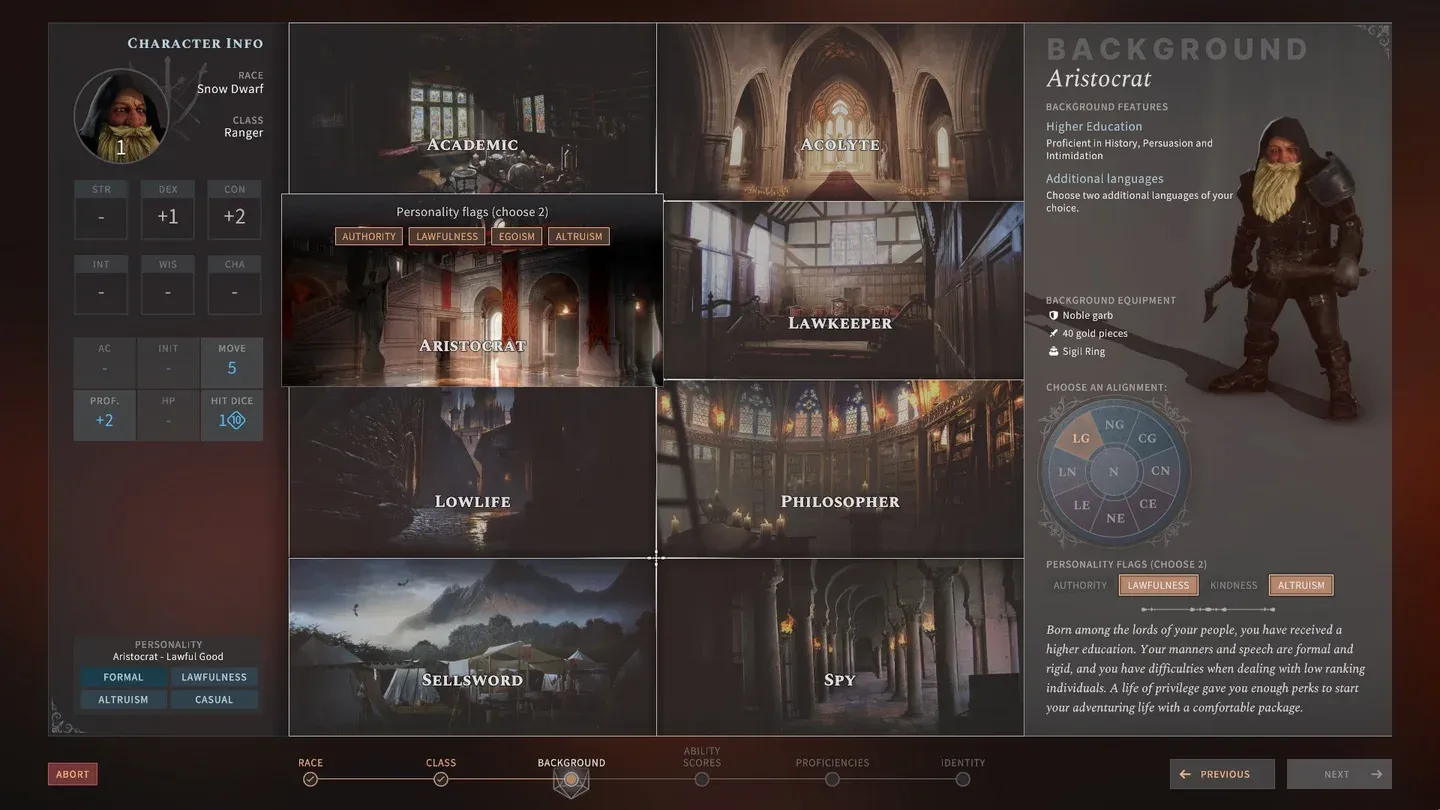
Point buy is the right call for your first playthrough. Community consensus across official forums is clear on this: rolling introduces too much variance when the early-game boss fights demand specific stat thresholds. Rolling might land you an 18, but it can just as easily give your primary damage dealer a 12, which cripples their hit chance and spell save DC for the entire campaign.
How to Optimize Your Primary Offensive Stat
The single most important rule in stat allocation is getting your primary offensive stat to 16 before anything else. A score of 16 gives you a +3 modifier, which directly raises your attack rolls and spell save DC. Anything below 15 in your main stat produces frustratingly frequent misses in the early dungeons.
Secondary stats matter, but spreading points too evenly creates a situation where no character excels at their intended role. Prioritize depth over breadth.
Planning Ahead with Feats and ASIs
Before locking in your final builds, map out your Ability Score Improvements (ASIs) at levels 4 and 8. If you plan to take the Flawless Concentration feat later, you need a higher Constitution score at creation to make concentration spells viable in the mid-game. Skipping this planning step leads to dead levels where a character gains no meaningful power increase.
Point buy stat allocation screen
What Are the Most Common Solasta 2 Character Creation Mistakes?
The biggest mistake new players make is stacking four damage dealers and ignoring utility. Without a character dedicated to trap detection and crowd control, the first ten hours of the campaign become a war of attrition you are likely to lose.
Ignoring Perception and Trap Detection
Early dungeons are heavily trapped, and failing to invest in Perception and Investigation skills leads to party wipes before a single attack roll is made. At least one character, ideally your Rogue or Ranger, needs proficiency in both skills alongside a solid Wisdom score. You also need someone carrying Thieves' Tools proficiency to actually disarm the traps once spotted.
Overlooking Weapon Proficiencies and Gear Requirements
Weapon proficiencies chosen at character creation determine what loot your characters can actually equip when it drops. A two-handed melee Fighter built without Martial Weapons proficiency is useless with most of the early-game weapons you will find. Check your starting gear loadout on the final creation screen and confirm every character can use what they are carrying.
Spellcasters also need to account for somatic spell components, which require a free hand. Equipping a shield on your Wizard without planning for this will leave them unable to cast mid-combat.
Multiclassing Without Meeting Requirements
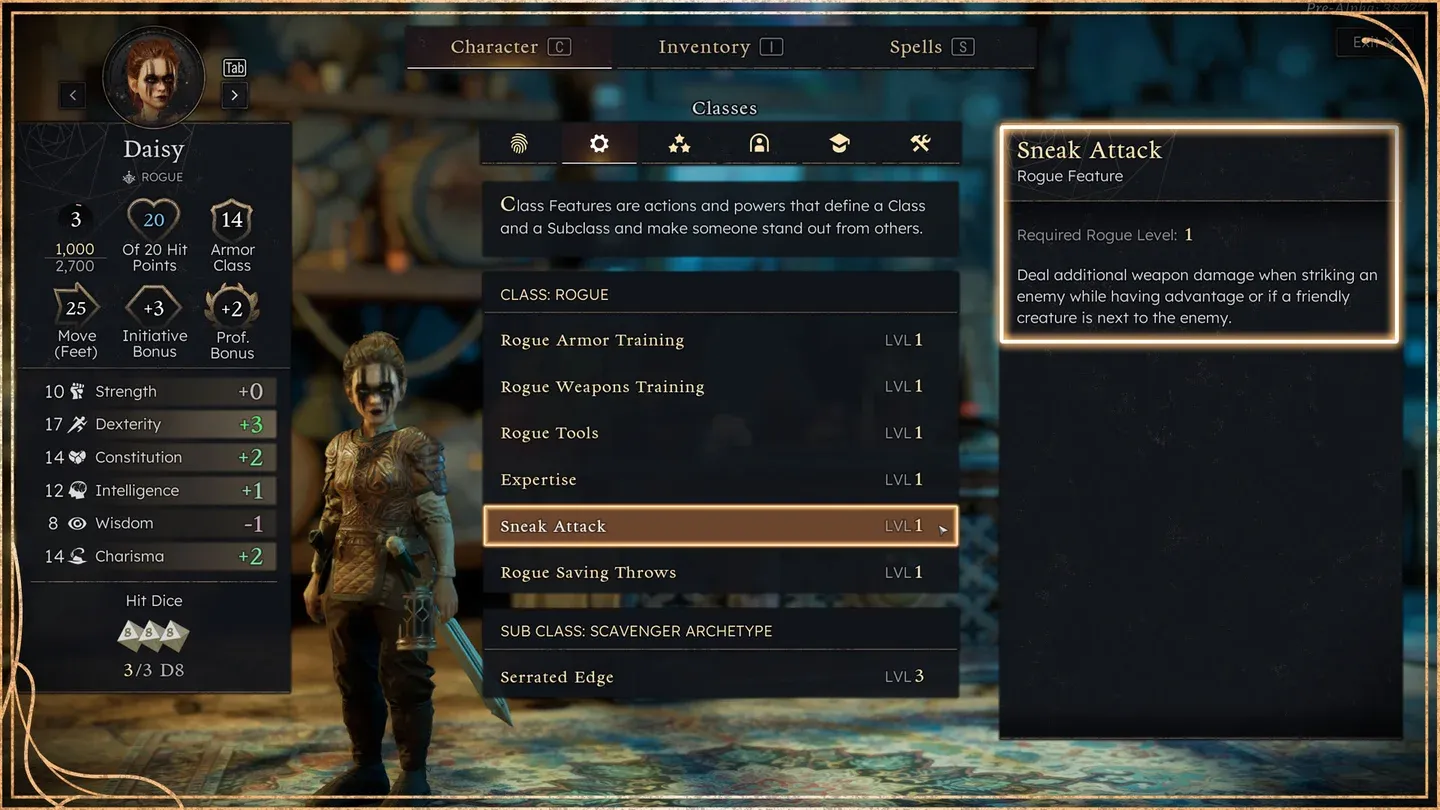
Multiclassing is supported in Solasta II, and it opens up powerful hybrid builds. However, each class combination requires minimum ability scores in both classes. Attempting a Fighter/Wizard multiclass, for example, demands both a solid Strength (or Dexterity) score and a high Intelligence score. Trying to multiclass without meeting those thresholds during creation will lock you out of the hybrid path entirely.
Multiclass requirements overview
How to Use a Build Planner for Solasta 2
Before finalizing your squad, sketch out your Feats and ASI choices through level 8. Knowing your endgame build target lets you make smarter early decisions. A Wizard planning for a high-level concentration spell build needs Constitution investment from the start. A Rogue planning for a specific Feat at level 4 might deprioritize Dexterity slightly at creation.
This forward planning prevents the frustrating scenario where a character hits a key level and has nothing meaningful to gain because the foundation was not set up correctly.
Final Party-Building Checklist
Before you hit confirm on your party, run through these points:
- Primary offensive stat is at 16 or higher for every character.
- No two characters share the same background.
- At least one character has Perception and Investigation proficiency.
- At least one character carries Thieves' Tools proficiency.
- All four core roles (Tank, Healer, Striker, Utility) are covered.
- Weapon and armor proficiencies match each character's intended gear.
- Spellcasters have a plan for somatic components and free hands.
- Multiclass requirements are met if hybrid builds are intended.
Taking fifteen minutes to verify these points before starting the campaign saves hours of frustration later. Solasta II rewards preparation, and the character creator is where that preparation begins.