

The one decision that shapes every fight in Solasta II
Solasta II drops you into a party-based tactical RPG built on D&D 5e rules, and before your first encounter you face a choice that affects every roll, every spell slot, and every near-death moment in the game: which difficulty mode to run. Get it right and the game rewards careful positioning and smart spell selection. Get it wrong and you are either breezing through encounters that should feel tense or watching your cleric die to the first goblin patrol. This guide breaks down every available mode so you can make an informed call before your party of four sets foot in a dungeon.
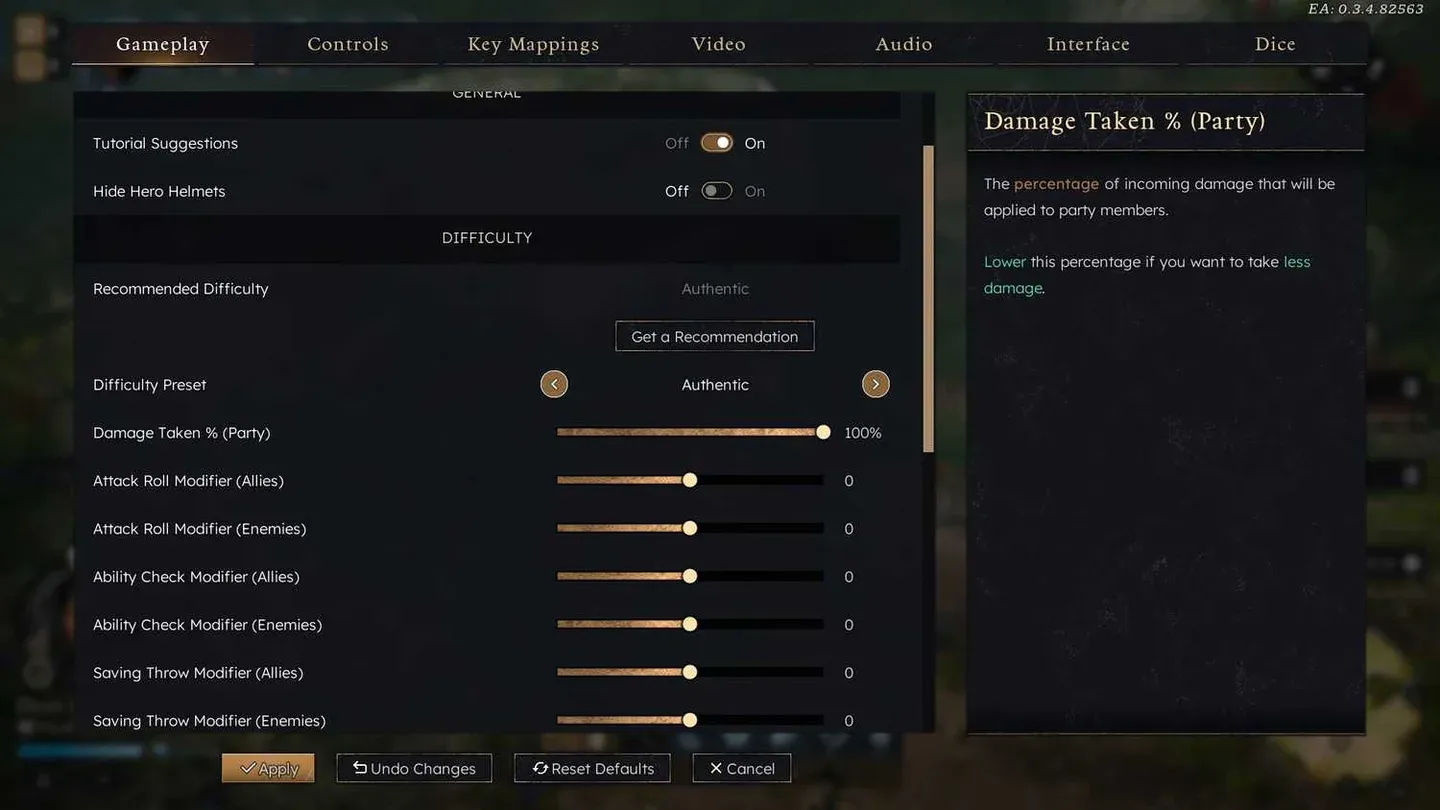
Choosing difficulty at campaign start
What do the difficulty modes actually change in Solasta II?
Unlike some RPGs that simply multiply enemy hit points, Solasta II adjusts difficulty through a combination of damage output modifiers, damage reduction caps, and enemy AI aggression. The result is that each tier feels mechanically distinct rather than just being a longer slog.
The most critical number to understand across Solasta II's difficulty options is the Damage Reduction cap. On certain modes, players can set a maximum damage reduction percentage for their characters, and the ceiling sits at 50% on the highest customizable setting. That single cap has a dramatic effect on how much incoming damage your tank can absorb before needing a heal.
The game also includes a Custom Mode that lets you mix and match individual parameters, which means you are not locked into a preset if you want, say, harder enemies but more forgiving death mechanics.
Every difficulty mode explained
Story mode
Story mode prioritizes the narrative experience. Enemy damage output is reduced significantly, and your party members are unlikely to go down permanently unless you make a serious tactical error. Spell slots matter less because encounters end quickly. This is the right pick if you want to follow the plot without the pressure of optimizing your party composition.
The trade-off is that combat loses its weight. Flanking, concentration spells, and action economy decisions that make Solasta II satisfying become optional rather than necessary.
Medium (balanced) mode
This is the developer's intended baseline. Enemies hit hard enough to punish bad positioning, but a party built with reasonable class synergy will survive most fights without a perfect plan. Healing spells earn their spell slots. Concentration checks after taking damage matter. Boss mechanics are visible and punishing if ignored.
After testing the early access build across multiple encounters, balanced mode is where the game's tactical design reads most clearly. Encounters like the early dungeon boss fights have visible attack patterns that reward paying attention, and the damage numbers are tuned so that a single bad round is recoverable but two bad rounds in a row are not.
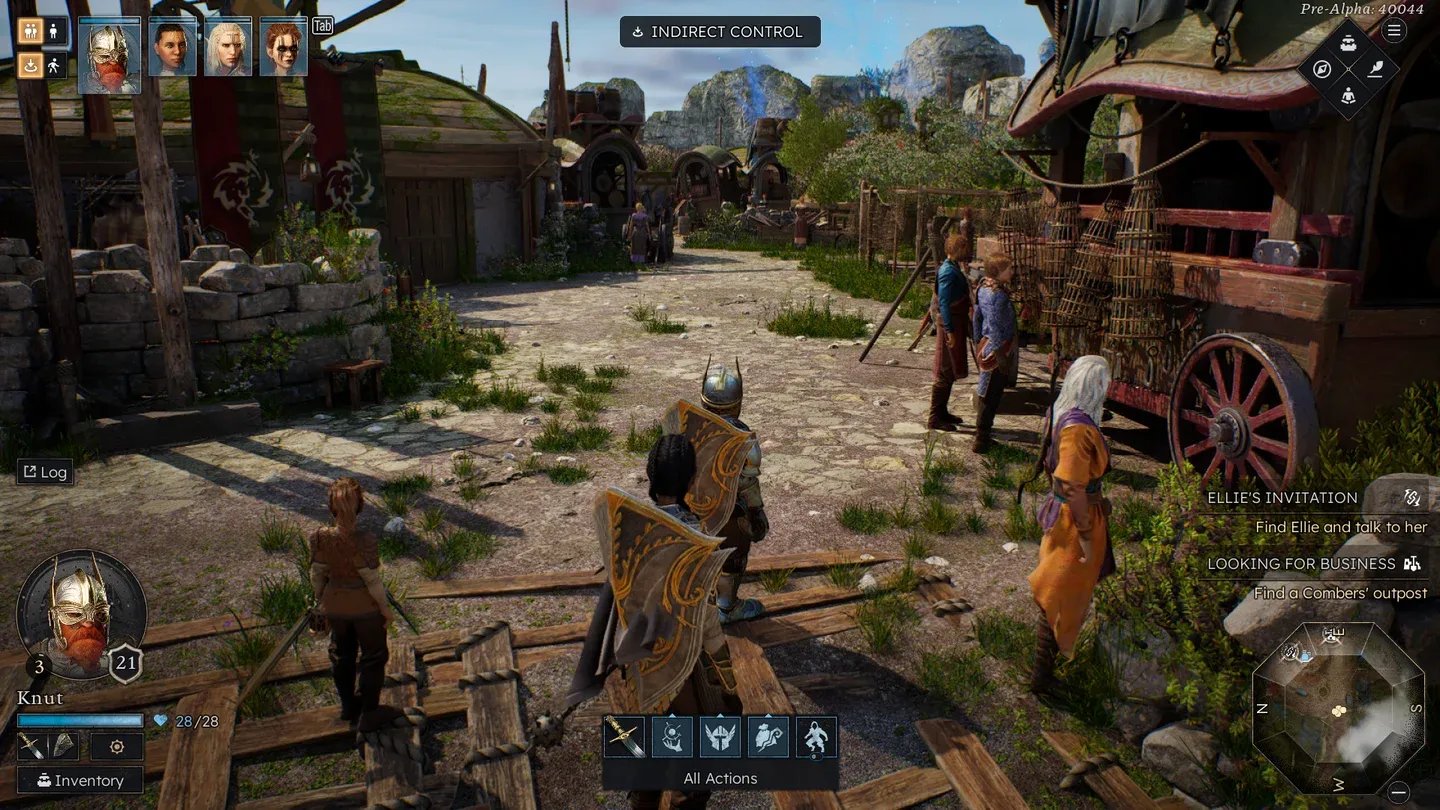
Balanced mode party encounter
Hard mode
Hard mode is where Solasta II starts demanding genuine build knowledge. Enemy damage output climbs, and the 50% damage reduction cap becomes a real design consideration for your frontline characters. A Fighter or Paladin without solid AC and damage mitigation will drop faster than healing can compensate.
This mode is best approached after at least one full playthrough on balanced, or by players who already know D&D 5e well enough to build a synergistic party from character creation.
Tactical (hardest preset) mode
This is the ceiling of the preset options. Enemy AI makes smarter target-priority decisions, focusing down your squishiest party members and disrupting concentration spells actively. The damage reduction cap at this tier means even a well-armored frontliner takes meaningful hits, and resource management across a full dungeon becomes the central challenge.
The early access content on the highest difficulty plays closer to a puzzle game than a traditional RPG combat system. Every spell slot counts. Resting decisions matter. Bringing the wrong party composition to a boss fight is a wipe condition, not an inconvenience.
Custom mode
Custom mode is the most flexible option and arguably the most underused. You can dial individual parameters independently, which means you can run high enemy damage but keep the permadeath option off, or crank up encounter frequency while keeping enemy HP at standard values.
The 50% damage reduction cap applies within the custom slider range, so you cannot exceed that ceiling even in custom settings. That keeps the mode from becoming trivially easy through stacking defensive modifiers.
For players who find Hard mode too punishing on one specific parameter but not others, Custom is worth exploring before giving up on a higher difficulty entirely. You can check the Solasta 2 wiki patch notes to see if any difficulty parameters have been adjusted since launch, as Tactical Adventures has been actively tuning values through updates.
Difficulty mode comparison table
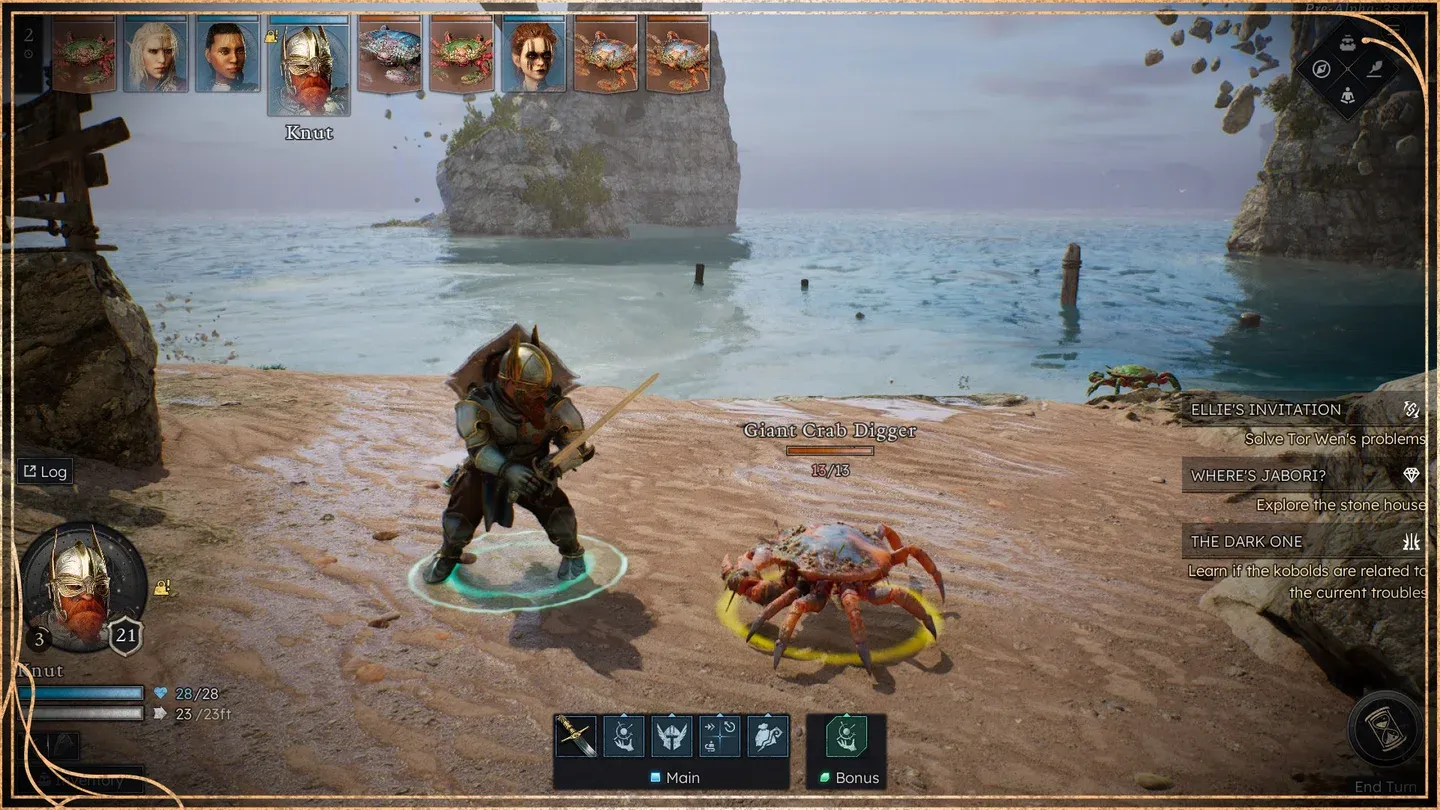
Custom mode difficulty sliders
How does difficulty affect party composition decisions?
On Story and Balanced modes, party composition is flexible. You can run two Wizards and a Rogue and manage most encounters through raw damage output. On Hard and Tactical, the action economy of healing becomes the deciding factor in whether your party survives a multi-round fight.
The key variables to consider:
- Frontline durability: At least one character with heavy armor and solid AC is close to mandatory on Hard and above
- Healing action economy: A dedicated healer using bonus action heals (through specific subclass features) outperforms a party relying on potions
- Concentration spell management: On Tactical mode, enemies actively target your Wizard or Druid maintaining a concentration spell, so positioning and Warcaster or Resilient (Constitution) feats become high priority
- Short rest vs. long rest classes: Warlocks and Monks recover resources on short rests, which matters more on higher difficulties where resource drain across a dungeon is the actual challenge
Class abilities interact differently with each difficulty tier. Certain subclass features that seem optional on Balanced become essential on Tactical, particularly those that improve concentration saves or provide bonus action healing without burning spell slots.
Can you change difficulty mid-playthrough?
Yes. Solasta II allows difficulty adjustments between sessions, which is a sensible design call. If a specific boss encounter is hitting a wall after multiple attempts, dropping one tier to get past it and then returning to your preferred setting is a legitimate approach.
There is no achievement or reward lock tied to completing the game on a specific difficulty in the current early access build, though this may change at full release.
Which difficulty mode should you pick?
Here is the short version:
- Story: You want to follow the story without tactical pressure
- Balanced: You want the intended experience with meaningful but fair combat
- Hard: You know D&D 5e and want your build decisions to have real consequences
- Tactical: You want every encounter to be a resource management problem
- Custom: You have a specific complaint about one parameter and want to tune it independently
The honest answer is that Balanced is the right starting point for most players, and Hard is worth a second playthrough once you understand the systems. Tactical mode is genuinely demanding and not the place to learn the game.
For more tactical RPG guides and build resources, browse the latest guides at GAMES.GG to find party composition tips and class breakdowns across the genre.