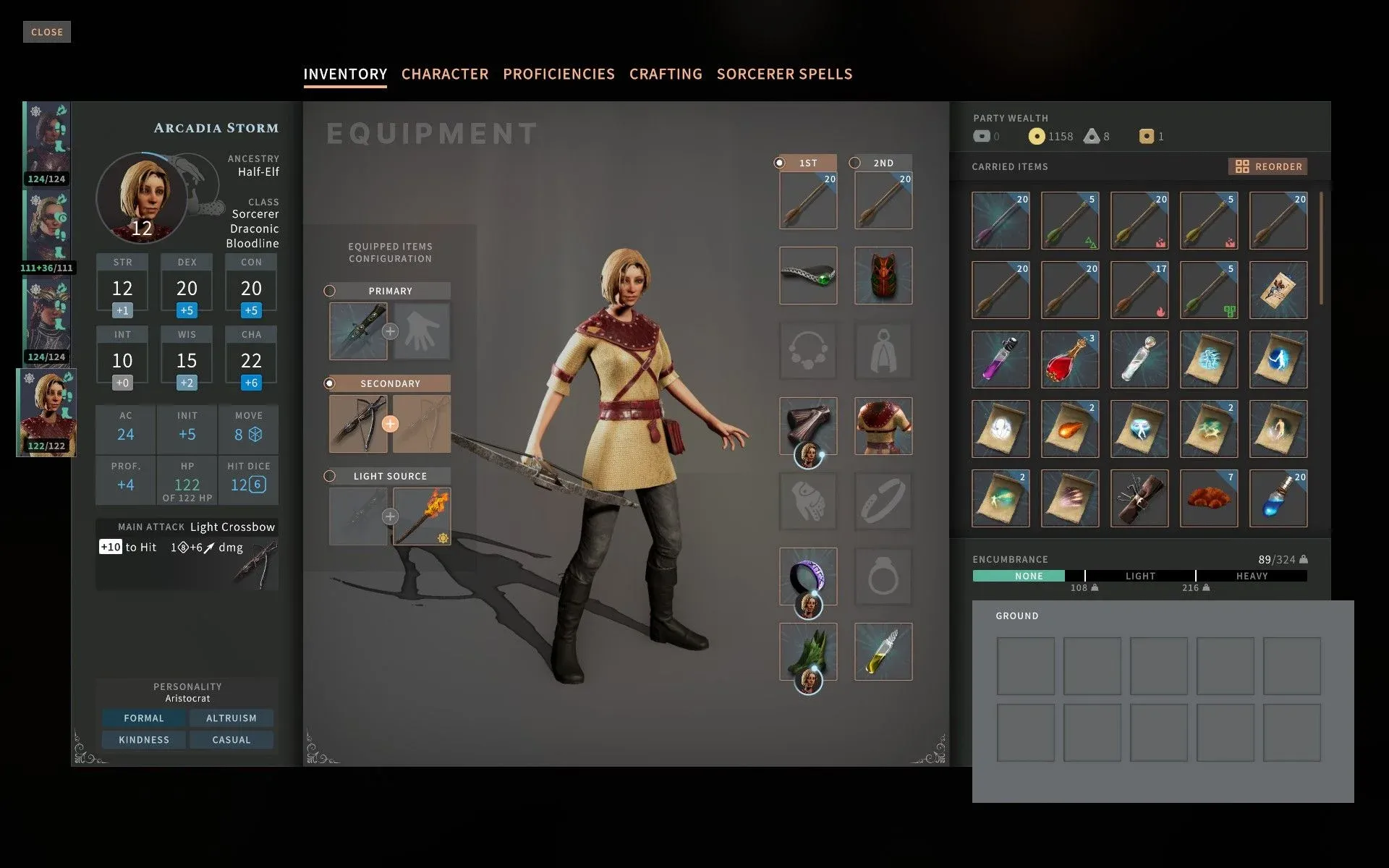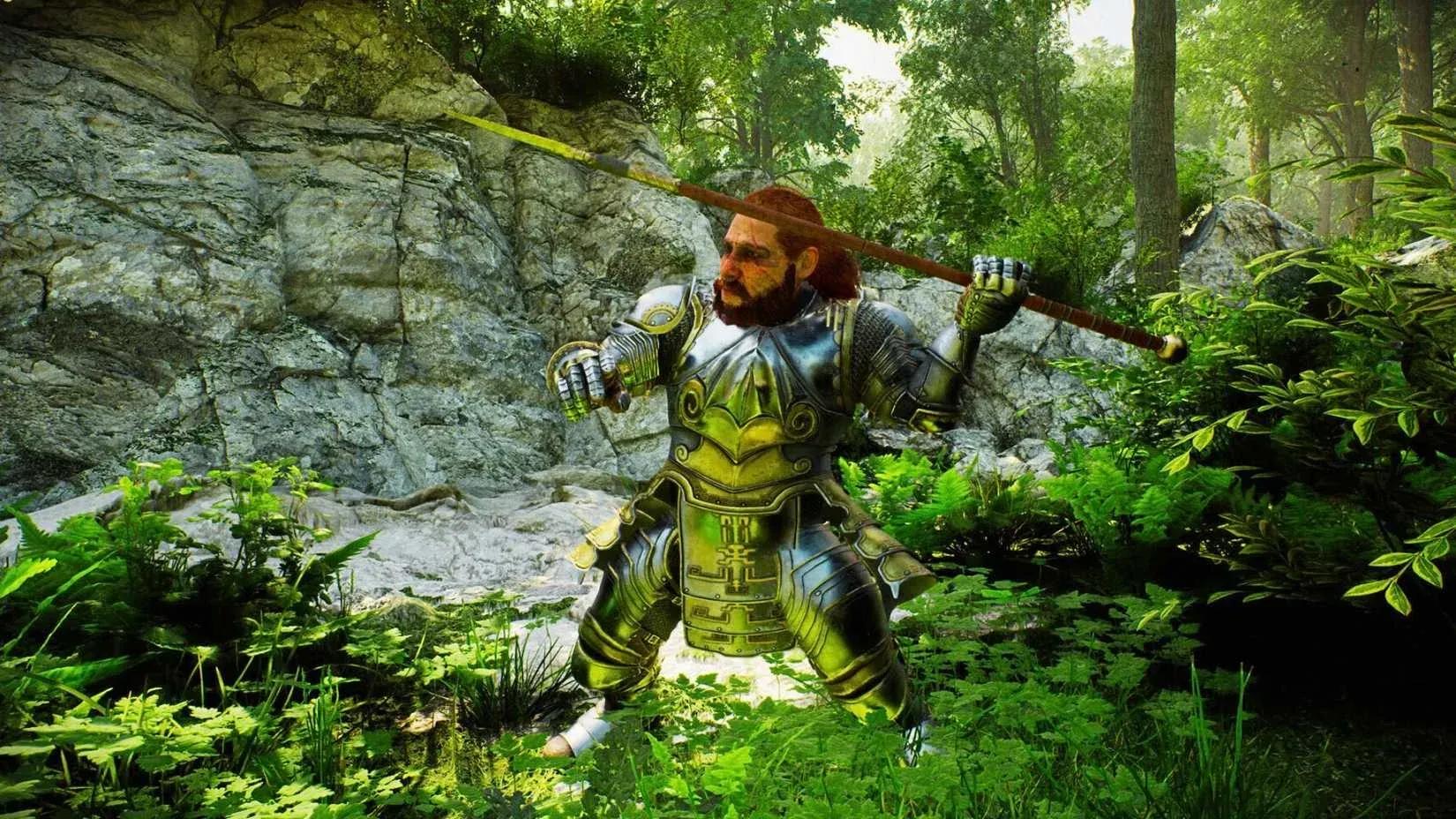

The Fighter in Solasta 2 is one of those classes that looks straightforward on the surface but rewards players who understand its depth. Thanks to the new Weapon Mastery system introduced with the 2024 D&D ruleset, the Fighter has more tactical options than ever before, turning every encounter into a puzzle you can solve with the right weapon in hand. Whether you want to be an unstoppable frontline tank or a battlefield commander who makes every ally hit harder, this guide breaks down exactly how to build the most effective Fighter in Early Access.
What Are the Best Fighter Stats in Solasta 2?
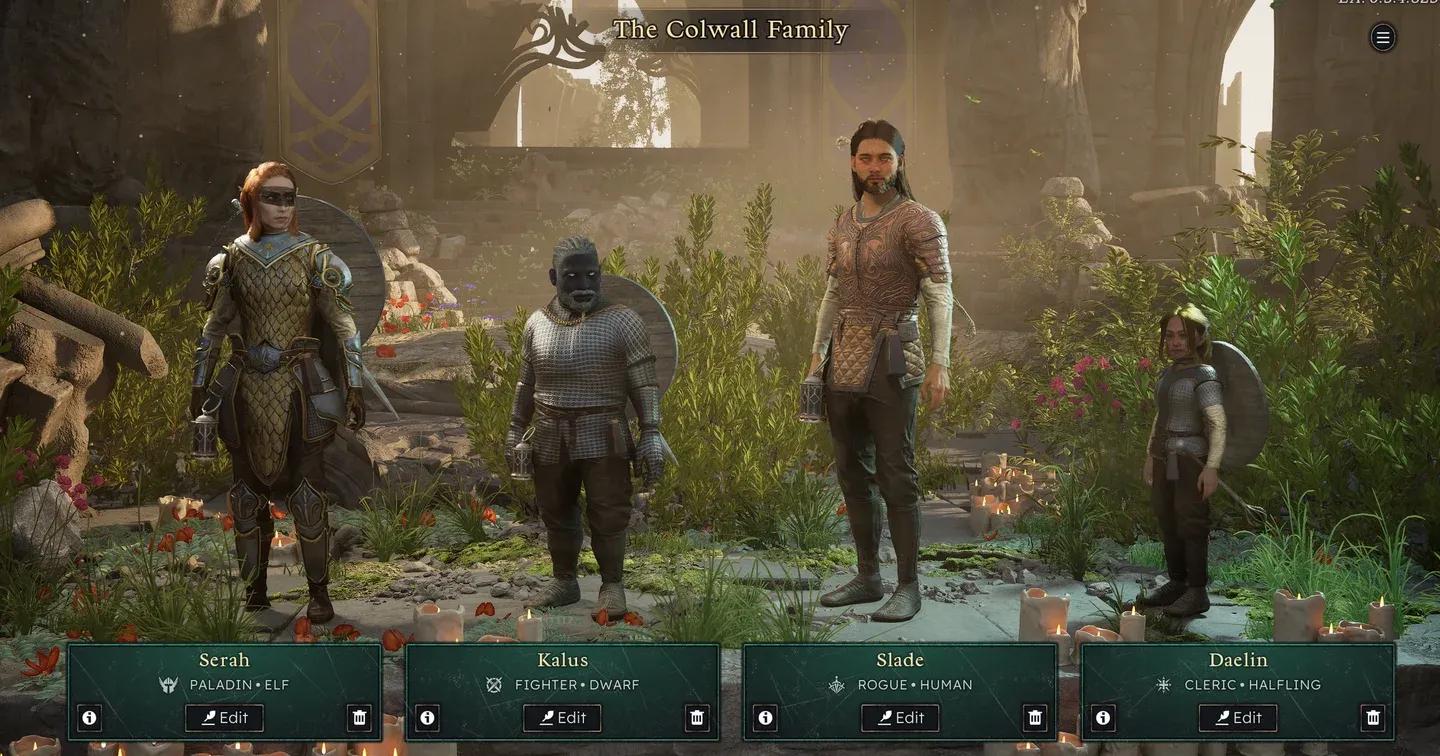
Fighter stat priorities at a glance
For a melee-focused Fighter, Strength is your most critical stat and should be maximized as early as possible. It drives your attack accuracy, damage output, and even certain Weapon Mastery save DCs.
After Strength, split your attention between Constitution and Dexterity. Constitution boosts your hit point pool and helps you succeed on the many enemy spell Saving Throws that target it. Dexterity raises your Armor Class and also powers your ranged weapon attacks, which you will almost certainly carry as a backup option.
A practical starting spread for the Commander Fighter build looks like this:
| Ability | Score | Priority Reason |
|---|---|---|
| Strength | 16 (+2 from Background) | Primary attack and damage stat |
| Dexterity | 10 | Initiative and ranged backup |
| Constitution | 16 (+1 from Background) | HP, saving throws, Rousing Shout uses |
| Intelligence | 8 | Dump stat |
| Wisdom | 10 | Perception and Insight checks |
| Charisma | 14 | Commander skill checks and dialogue |

Which Ancestry Is Best for the Fighter in Solasta 2?
Two Ancestry options stand out above the rest.
Human is arguably the top pick. Humans gain an extra Origin Feat at character creation, an additional Skill proficiency, and Heroic Inspiration after every Long Rest. That Heroic Inspiration lets you reroll any single die once, which is a powerful safety net in a system where one failed Saving Throw can ruin a fight. The only downside is the lack of Darkvision, so carry a Lantern or pick up the Light cantrip from a party member.
Dwarf is the alternative worth considering. Dwarves have naturally higher hit points, resistance to Poison damage, and Tremorsense, which lets them detect invisible creatures and ignore the Blindness condition. Enemy spellcasters love the Blindness spell, so this trait has real practical value. You sacrifice the extra Origin Feat, but you gain meaningful survivability in return.
What Is the Best Background for the Fighter?
Your Background in Solasta 2 does more than tell a story. It determines which Ability Scores you can boost and grants your Origin Feat.
Wanderer is the top choice for most Fighter builds. It allows stat increases in Strength, Dexterity, and Constitution, which maps perfectly onto the Fighter's priorities. More importantly, it grants the Savage Attacker Origin Feat, which lets you reroll your weapon's damage dice once per turn and take the higher result. That single mechanic meaningfully increases your average damage output across every fight.
Lowlife is a solid second option if you want more battlefield mobility. It also boosts Strength, Dexterity, and Constitution, but swaps Savage Attacker for the Quick Origin Feat. Quick increases your movement speed by 10 feet and gives enemies Disadvantage on all Opportunity Attacks against you. This is ideal if you plan to reposition frequently or want to avoid sticky situations without multiclassing into Rogue.
What Are the Best Fighter Skills in Solasta 2?
Fighters are not built for social encounters or trap-finding. Focus on Athletics and Perception. Athletics covers physical challenges like shoving, climbing, and grappling, and it is your best out-of-combat skill by a wide margin. Perception keeps you from being caught off guard.
If you take the Commander subclass, you gain proficiency in two additional skills at Level 3 from a list that includes Intimidation, Insight, Investigation, Persuasion, Perception, and Survival. At that point, adding Intimidation and Insight makes sense, since the Commander's Gruff Authority feature adds your Strength modifier as a bonus to Charisma-based Intimidation and Persuasion checks, making you surprisingly effective in dialogue scenes despite being a frontline warrior.
Which Fighter Subclass Should You Choose?
Both Fighter subclasses unlock at Level 3. Here is how they compare:
| Subclass | Core Identity | Key Feature | Spellcasting? |
|---|---|---|---|
| Commander | Battlefield leader and support | Rousing Shout (Advantage for allies) | No |
| Aether Warden | Arcane melee hybrid | Mythology of Might (spells from Wizard list) | Yes (Constitution-based) |
Commander: The Best All-Around Choice
The Commander is the stronger subclass for most players. Its signature ability, Rousing Shout, lets you spend a Bonus Action to grant yourself and every ally within 30 feet Advantage on their next attack roll. This recharges on a Short Rest and can be used a number of times equal to your Constitution modifier.
The impact of Advantage is hard to overstate. For a Rogue in your party, it guarantees Sneak Attack eligibility. For your own Fighter, it dramatically increases your chance to land hits and proc Weapon Mastery effects. Using Rousing Shout every turn means you are contributing meaningfully to the fight even on rounds where your own attacks are unlucky.
At Level 7, the Commander gains Coordinated Defense, letting you sacrifice one attack to give a nearby ally the Dodge action. At Level 10, Invigorating Shout doubles Rousing Shout's range and adds Temporary Hit Points equal to your level to every affected ally.
Aether Warden: The Arcane Option
The Aether Warden turns the Fighter into a half-caster with access to two Cantrips and three spells from the Wizard spell list. Spellcasting uses Intelligence as the stat, except for attack spells, which can use Constitution instead. The Mythology of Might feature removes the need for an Arcane Focus and lets you cast freely in any armor you are proficient with.
At Level 7, Arcane Strength boosts your Strength and Armor Class while you concentrate on a spell, scaling with the Spell Slot Level. At Level 10, Earthen Succor heals you whenever you cast a spell, with healing tied to the Slot Level used.
The Aether Warden is a fun and flexible pick, but the Commander's consistent Advantage generation tends to produce better moment-to-moment results in a four-person party.
What Are the Best Weapon Masteries for the Fighter?
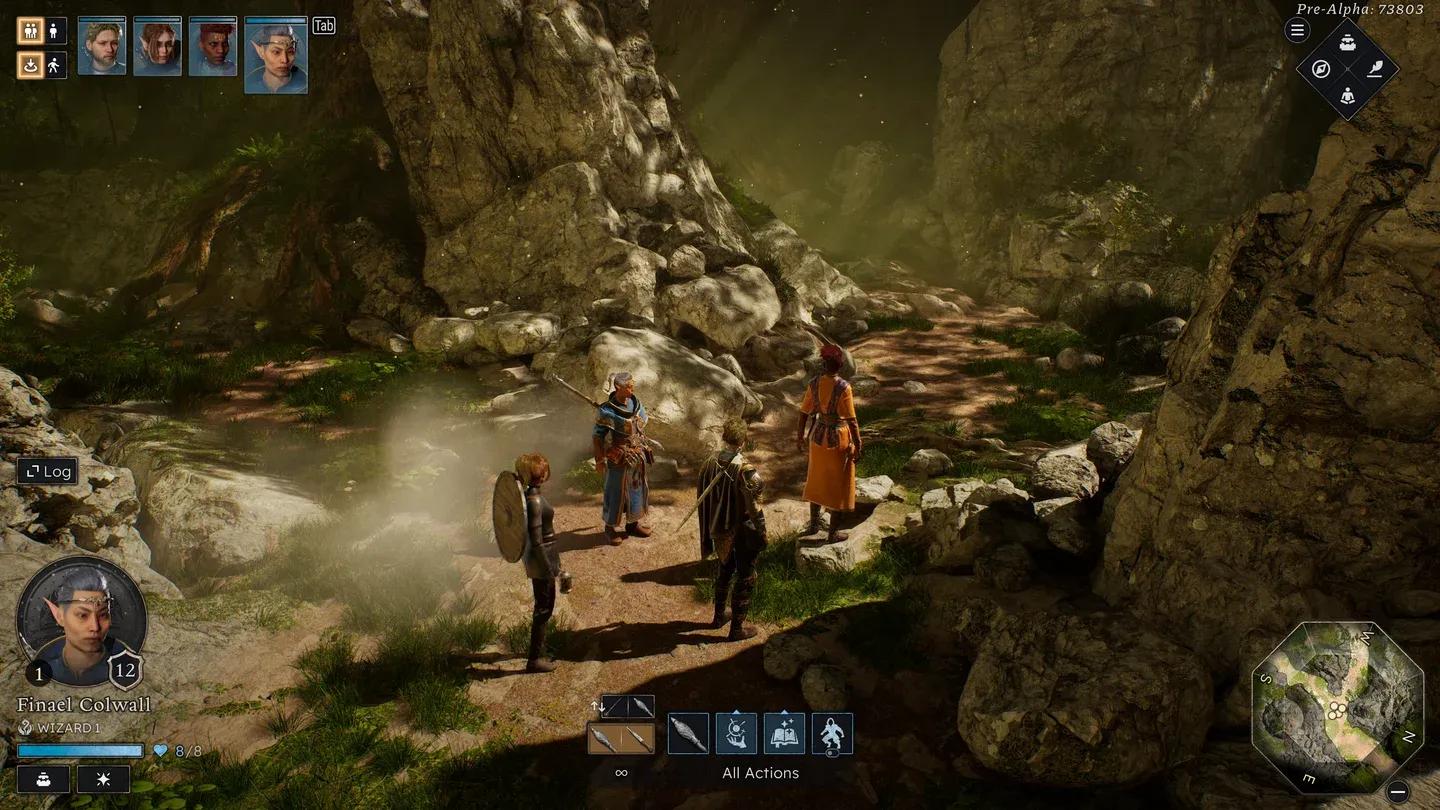
Weapon mastery selection at Level 1
Fighters choose three Weapon Masteries at Level 1. These are not just weapon picks. Each mastery unlocks a unique on-hit effect tied to that specific weapon type. You can still use other weapons, but they will not trigger any bonus effects.
Here are the top choices:
- Longsword (Sap): Hitting an enemy with the Longsword applies the Sap debuff, giving their next attack roll Disadvantage. This is excellent for a shield-and-sword Fighter who wants to reduce incoming damage.
- Longbow (Slow): A hit with the Longbow reduces the target's movement speed. If the enemy needs to close distance to attack you, this forces them to Dash, burning their entire action and skipping their attack entirely.
- Greataxe (Cleave): Killing an enemy with the Greataxe grants a free follow-up hit on another enemy within range, though you lose your Ability Modifier on that bonus attack. Great for clearing groups.
- Greatsword (Graze): Even when you miss, you still deal damage equal to your Ability Modifier. This makes the Greatsword the most reliable damage option across a long adventuring day.
- Maul or Battleaxe (Topple): Forces a Constitution Saving Throw on hit. Failure knocks the enemy prone, which is strong crowd control especially in tight corridors.
What Are the Best Feats for the Fighter in Solasta 2?
Fighters gain their first Feat at Level 4. Here are the standout options:
- Eager for Battle: Grants an extra stat point, Advantage on all Initiative rolls, and a 10-foot speed increase. Strong all-around pick if nothing else stands out.
- Follow-Up Strike: After a two-handed weapon attack, spend your Bonus Action to make an additional attack dealing 1d4 plus Strength modifier. Also grants a Strength stat point. Pairs well with Greatsword builds.
- Ambidextrous: Removes the Light restriction from non-Two-Handed and non-Heavy weapons when dual wielding. Opens up more flexible weapon combinations.
- Ability Score Improvement (ASI): A straightforward +2 to Strength keeps your attack accuracy and damage scaling on track. For the Commander build especially, this is often the cleanest choice at Level 4.
How Does the Commander Fighter Scale Beyond Level 4?
Early Access caps progression at Level 4, but the Commander Fighter has a clear roadmap for future updates:
- Level 5: Extra Attack comes online, letting you attack twice per turn. This is the biggest power spike in the entire game for martial classes.
- Level 7: Coordinated Defense lets you sacrifice one attack to give an ally the Dodge action. Rousing Shout also gains additional uses.
- Level 9: Indomitable lets you reroll a failed Saving Throw once per Long Rest.
- Level 10: Invigorating Shout doubles Rousing Shout's range and adds Temporary Hit Points equal to your Commander level to all affected allies.
- Level 11: A third attack per turn arrives, making the Fighter one of the highest sustained damage dealers in the game.
What Is the Best Party Composition for the Fighter?
The Commander Fighter thrives in a balanced four-person party. Here is the recommended setup:
- Fighter (Commander): Frontline tank and support, applies Rousing Shout every turn.
- Rogue (Scavenger): Benefits most from Rousing Shout since Advantage guarantees Sneak Attack eligibility. Handles stealth, traps, and lockpicking.
- Cleric (Life Domain): Provides healing and early damage via Guiding Bolt. Excellent action economy.
- Sorcerer or Wizard: Handles area-of-effect damage and crowd control. The Sorcerer with Metamagic is particularly strong for single-target burst.
Avoid stacking two frontline melee tanks unless you replace the Cleric with a Paladin who can off-heal. Two tanks compete for the same space and reduce the benefit of Rousing Shout's range.