


Multiclassing in Solasta 2 opens up some of the most powerful and flexible builds the game has to offer. The system follows the 2024 SRD ruleset, meaning there are real prerequisites before you can dip into a second class, and the level 4 cap in Early Access means every single level counts. Pick the wrong combination and you'll feel the pain immediately. Pick the right one and you'll be running circles around the encounter design.
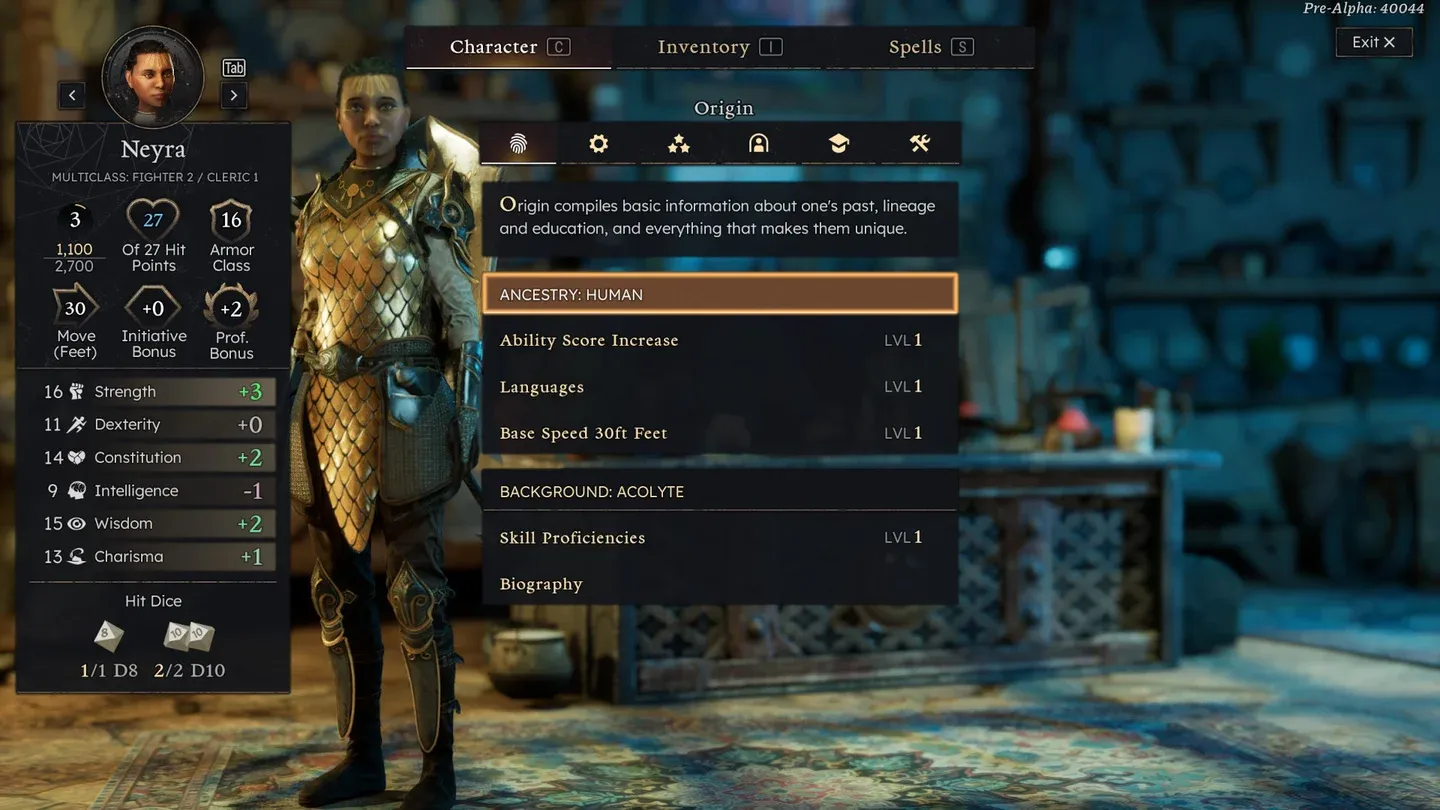
Solasta II class selection screen
How does multiclassing work in Solasta 2?
Multiclassing in Solasta 2 is available from day one of Early Access. You don't need to unlock it or hit a story milestone. The core rule is straightforward: to multiclass into any class other than your starting one, you need a score of at least 13 in that class's primary ability. The Solasta 2 Wiki confirms six classes and four ancestries are available at launch, with multiclassing supported throughout.
The six available classes are Fighter, Sorcerer, Cleric, Wizard, Rogue, and Paladin. Each has its own primary ability score requirement when entering as a secondary class:
The Paladin requirement is the harshest of the group since it demands two ability scores at 13 or higher simultaneously. That stat spread cost is part of why both Paladin subclasses sit in C Tier during Early Access.
What are the best multiclass combos in Solasta 2?
Fighter/Wizard
The Fighter/Wizard combination is the most frequently cited powerful multiclass pairing in Solasta 2. The Aether Warden subclass already blurs this line by giving Fighters Constitution-based spellcasting, but a dedicated Fighter/Wizard split takes it further. You get the Fighter's Action Surge for an extra combat action, combined with the Wizard's broad spell selection and Intelligence-based utility. The tradeoff is that you need both Strength (or Dexterity) at 13 and Intelligence at 13, which requires careful ability score allocation at character creation.
A 3 Fighter / 1 Wizard split gives you the Aether Warden subclass features plus a level of Wizard spell slots and cantrips. A 2/2 split sacrifices the subclass feature entirely but gives you more spell variety earlier. Testing both splits against the early encounters in Neokos, the 3/1 split performs better at this level cap because the Aether Warden's Constitution spellcasting modifier is simply too good to leave on the table.

Fighter/Wizard stat allocation
Rogue/Wizard (Shadowcaster build)
The Shadowcaster Rogue already gains access to Wizard spells at level 3 through its subclass feature, which makes a Rogue/Wizard multiclass feel somewhat redundant unless you're pushing for deeper spell slot access. That said, a 3 Rogue / 1 Wizard dip gives you the Shadowcaster's spell utility plus an extra layer of Wizard cantrips and prepared spells. The Cunning Action bonus action movement remains intact, and Sneak Attack still applies to spell attacks, which is where this build gets interesting.
Sorcerer/Fighter
A Mana Painter Sorcerer with a one-level Fighter dip is worth considering if you want more durability. The Fighter's Heavy Armor or Shield proficiency (depending on your subclass) shores up the Sorcerer's biggest weakness: staying alive in melee range while using Mana Drain to recover Sorcery Points. You do sacrifice a level of Sorcerer progression, which means fewer Sorcery Points overall, but the survivability gain can be worth it depending on your party composition.
What multiclass combos should you avoid?
Paladin multiclasses are the most expensive to build around right now. The 2024 SRD change moved Divine Smite to a bonus action, which means it now competes with every other bonus action ability. Stacking a second class on top of that creates resource conflicts that are hard to manage at level 4. A Paladin/Cleric split sounds thematic but leaves you with too many competing bonus action demands and not enough spell slots to support either class properly.

Paladin bonus action conflicts
Which classes multiclass most effectively?
Not every class benefits equally from splitting levels. Here's a quick breakdown based on Early Access performance:
Strong multiclass bases:
- Fighter brings Action Surge and broad equipment proficiency to any combination. Even a one-level Fighter dip is worth considering for the action economy alone.
- Rogue brings Cunning Action and Sneak Attack scaling that complements almost any secondary class.
- Sorcerer brings Metamagic, which works regardless of how many Sorcerer levels you have, making even shallow dips valuable.
Weaker multiclass bases:
- Paladin requires two ability scores at 13, making the entry cost high relative to the payoff at level 4.
- Cleric benefits most from staying single-classed through level 4, since the Life Domain's Disciple of Life and Preserve Life Channel Divinity features are the core of its value.
For a full breakdown of all available class options and their ability score prerequisites, check the Solasta 2 Classes page on the wiki.
How to set up a multiclass build at character creation
The most common mistake players make is not planning their ability scores before committing to a multiclass. Here's the process to follow:
- Decide your primary class and the subclass you're targeting (subclasses unlock at level 3 in most cases).
- Identify the ability score requirement for your secondary class from the table above.
- At character creation, ensure both the primary class's main stat and the secondary class's requirement are at 13 or higher before applying racial bonuses.
- Decide your split ratio before leveling. A 3/1 split is the most common for Early Access since it gets you a subclass feature while dipping into a second class for proficiencies or a single key feature.
- Account for action economy conflicts before finalizing. If both classes want the same bonus action, the build will underperform.
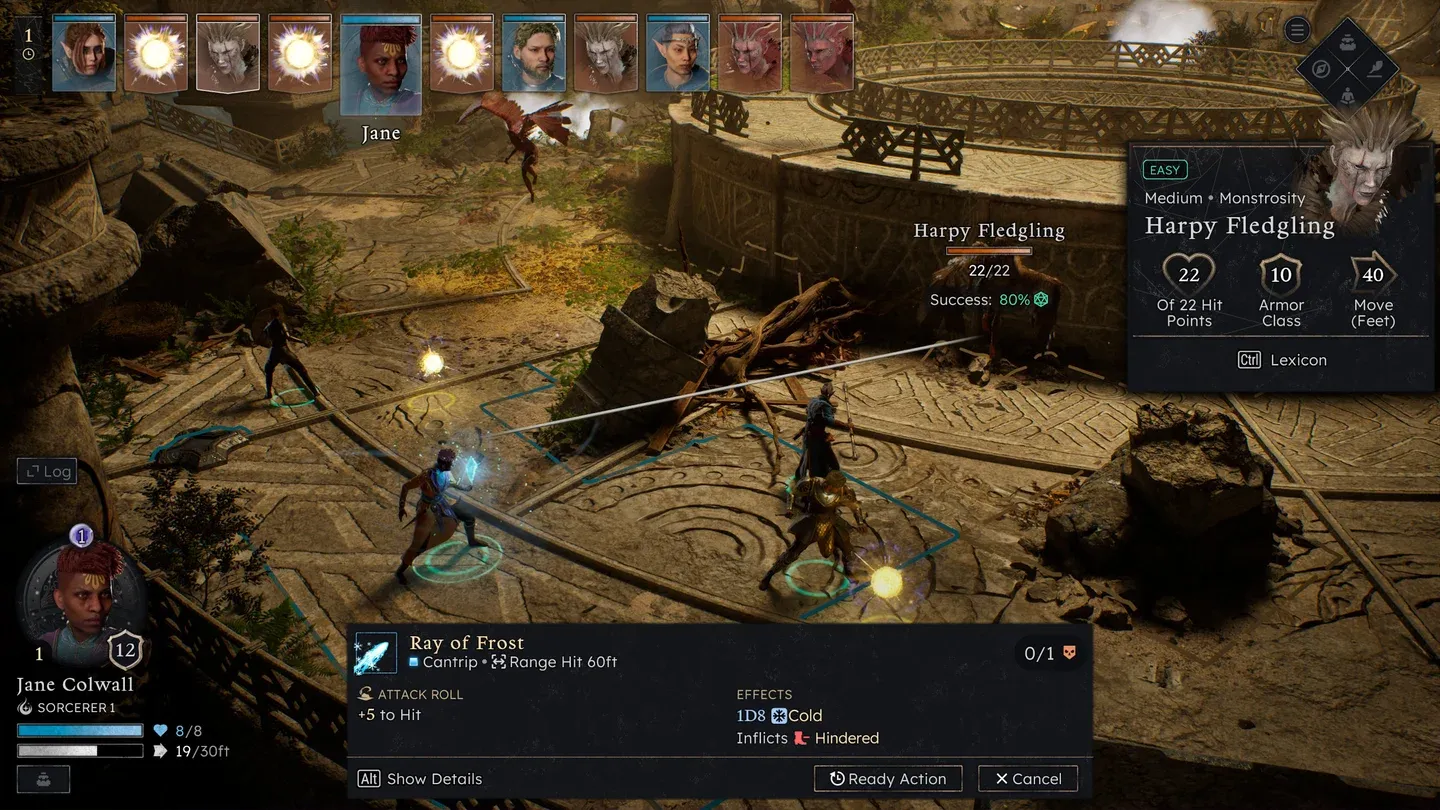
Level split planning screen
Is multiclassing worth it in Early Access?
At level 4, the honest answer is: sometimes. Single-classed builds like the Aether Warden Fighter and Life Domain Cleric are strong precisely because their subclass features at level 3 are so impactful. Splitting those levels dilutes that power.
Multiclassing pays off most when you're combining a strong level 1 feature from one class (like Fighter's Action Surge or Sorcerer's Metamagic) with a deep investment in another class's subclass. The Fighter/Wizard pairing works because the Fighter's level 1 and 2 features are genuinely excellent, not just filler before the subclass arrives.
As the game moves toward its full release and the level cap rises, multiclassing will become significantly more powerful. At that point, builds that feel slightly underpowered now will start delivering on their full potential. For now, if you're new to Solasta 2, a single-classed Aether Warden or Life Cleric will carry you through Early Access without issue. If you want to experiment, the Fighter/Wizard split is the safest bet.
For more build breakdowns and class guides across all of Solasta 2's available subclasses, browse the latest guides on GAMES.GG.