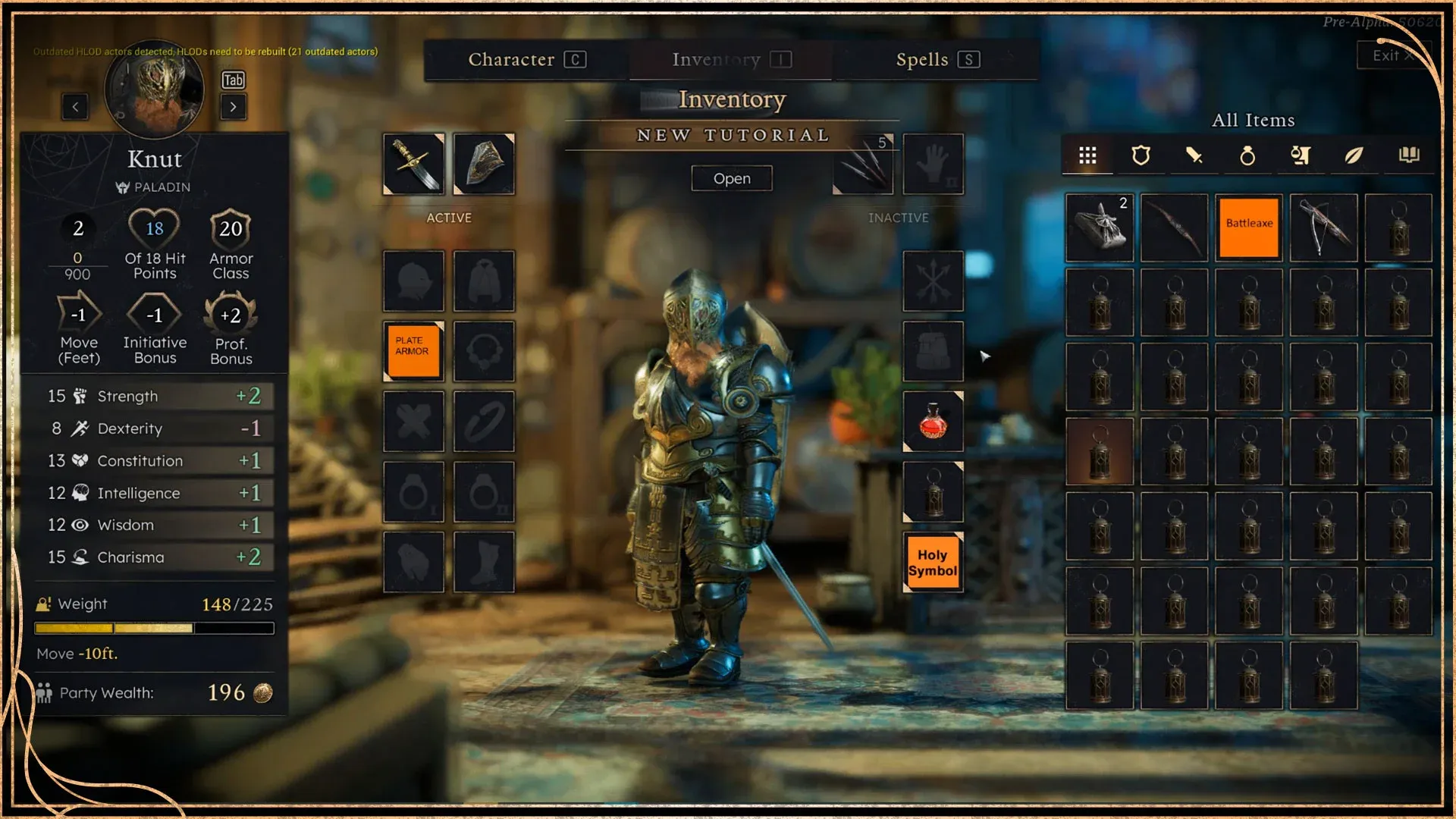

Picking your ancestry in Solasta 2 is one of the most important decisions you'll make during character creation, and it works very differently from what veterans of Baldur's Gate 3 or even the original Solasta might expect. Thanks to the 2024 D&D ruleset, your race no longer determines your ability scores. That job now belongs to your Background. Instead, each ancestry brings a unique toolkit of passive traits, active abilities, and tactical advantages that shape how your character plays from level 1 all the way to the current Early Access cap of level 4.
What Changed With Ancestries in Solasta 2?
The biggest shift between Solasta 1 and Solasta 2 is the complete removal of Ability Score Improvements (ASI) from race selection. In the first game, picking a High Elf gave you +2 Dexterity and +1 Intelligence, making certain race-and-class pairings feel almost mandatory. A Dwarf Wizard was technically viable, but you were starting behind on your primary spellcasting stat from the very first level.
That restriction is gone. Your ancestry now determines what tools you have, while your Background (such as Occultist, Acolyte, or Wanderer) determines your +2/+1 stat bonuses. This means you can build a Dwarven Wizard or a Halfling Barbarian without falling behind on any critical math.
The other notable change is the sub-race system. In Solasta 1, Dwarves had Hill and Snow variants that each offered distinct stat bonuses. In Solasta 2, Dwarves, Halflings, and Humans each have a single unified set of Ancestry features. Only Elves retain a lineage-based split, choosing between High Elf and Sylvan Elf during character creation.
| Feature | Solasta 1 (Full Release) | Solasta 2 (Early Access) |
|---|---|---|
| Available Ancestries | 9 (Human, Elf, Dwarf, Halfling, Half-Elf, Half-Orc, Gnome, Tiefling, Dragonborn) | 4 (Human, Elf, Dwarf, Halfling) |
| Stat Bonuses Source | Race selection | Background selection |
| Sub-Race System | Heavily used (e.g., Hill vs. Snow Dwarf) | Replaced by Lineages (Elves only) |
| Origin Feats | Not available | Available via Background and Human ancestry |

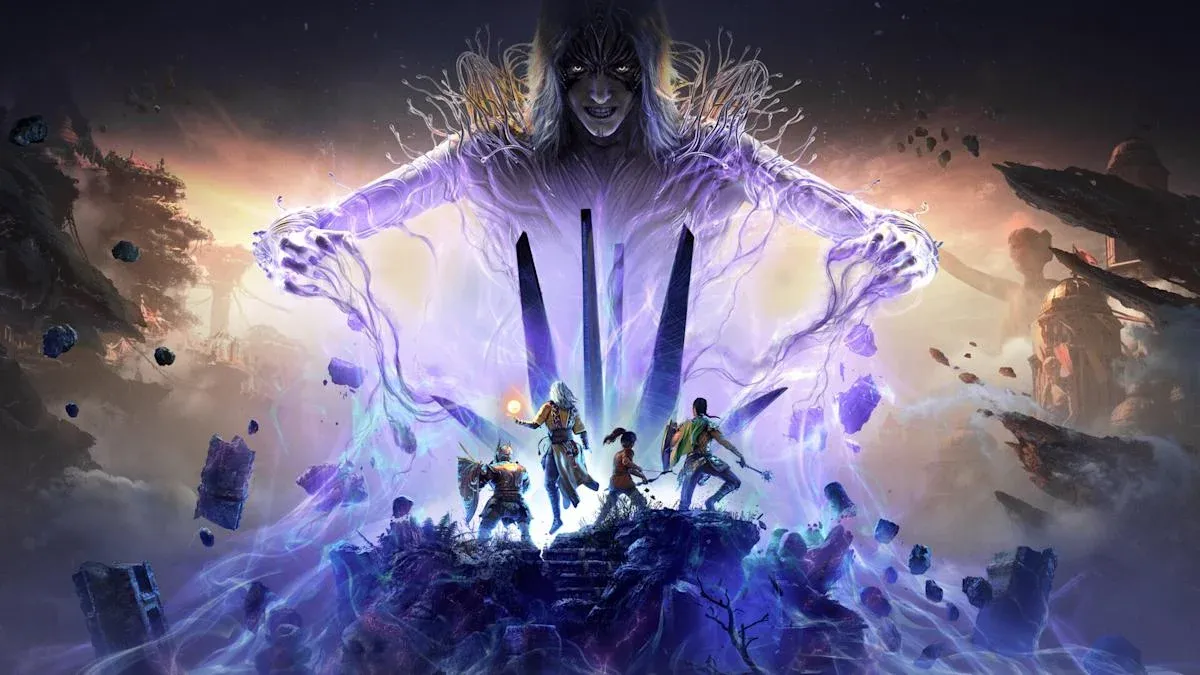
All Solasta 2 Ancestries Explained
Dwarf: The Durable Frontliner
Dwarves are the simplest and most straightforward ancestry in Solasta 2. They bring no Lineage choices, no Origin Feats, and no extra proficiency decisions. What they do offer is a tight bundle of defensive traits that make them excellent tanks and melee fighters.
Dwarf Ancestry Features:
- Darkvision (60 ft): See in dim light as bright light, and in darkness as dim light.
- Dwarven Resilience: Resistance to poison damage, plus advantage on saving throws to avoid or end the Poisoned condition.
- Dwarven Toughness: Your hit point maximum increases by 1 at character creation, then by 1 again at every subsequent level.
- Stonecunning: As a bonus action, gain Tremorsense for 10 minutes, allowing you to detect the location of creatures sharing the same stone surface. Usable a number of times per long rest equal to your proficiency bonus.
The Dwarven Toughness feature is deceptively powerful over time, and Stonecunning is an active ability that can reveal hidden enemies in dungeon environments. The Dwarf also benefits from the same Darkvision that Elves carry, which is a meaningful advantage in Solasta 2's lighting-heavy dungeon design.
The main weakness here is a lack of offensive or utility spells, and no movement speed bonuses. Dwarves will struggle to close distance on large maps and offer little to out-of-combat skill checks beyond their Stonecunning.
Best For: Tanks, melee fighters, and any build that needs to absorb punishment on the front line.
Elf: The Flexible Spellcaster
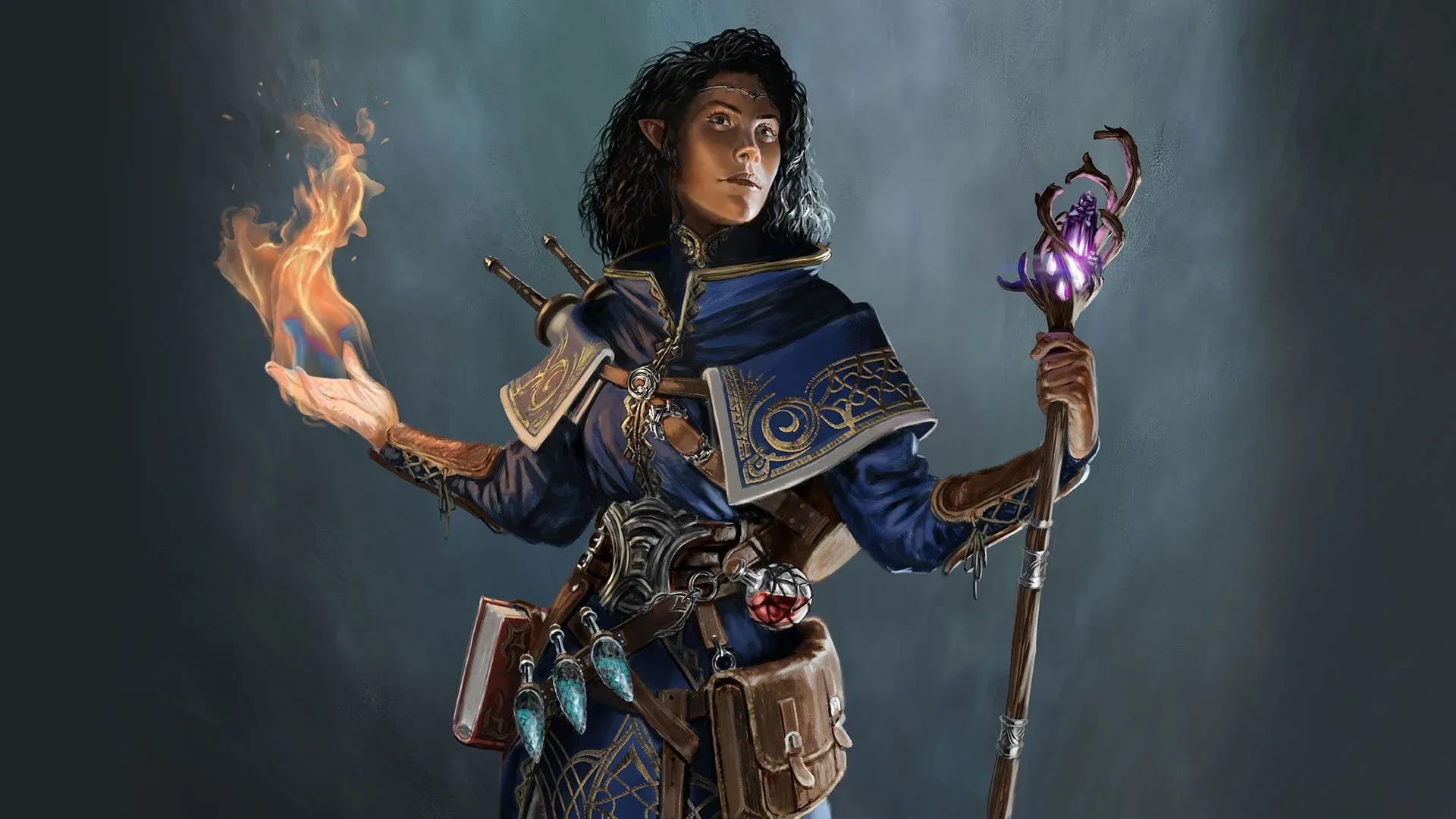
Elves are the most flexible ancestry in Solasta 2 thanks to the Elven Lineage system. During character creation, you choose between two lineages that each provide a different set of bonus spells as you level up. This makes the Elf the only ancestry with meaningful branching choices beyond language selection.
Elf Ancestry Features (All Elves):
- Darkvision (60 ft)
- Fey Ancestry: Advantage on saving throws to avoid or end the Charmed condition.
- Keen Senses: Gain proficiency in your choice of Insight, Perception, or Survival.
- Trance: Magic cannot put you to sleep, and you remain conscious during long rests.
High Elf Lineage:
- Level 1: Learn the Fire Bolt cantrip. After each long rest, you can swap this cantrip for any other cantrip from the Wizard spell list.
- Level 3: Learn the level 1 Longstrider spell (once per long rest, or via spell slots).
- Level 5: Learn the level 2 Misty Step spell (once per long rest, or via spell slots).
Sylvan Elf Lineage:
- Level 1: Movement speed increases to 35 ft. Learn the Venomous Spike cantrip.
- Level 3: Learn the level 1 Expeditious Retreat spell.
- Level 5: Learn the level 2 Protection from Poison spell.
The High Elf is the stronger general-purpose pick. The ability to swap cantrips after every long rest means you always have the right tool for the current encounter, and Misty Step at level 5 provides unmatched repositioning. The Sylvan Elf trades that flexibility for raw speed (35 ft movement) and Expeditious Retreat, which is excellent for Rogues who need to disengage and reposition constantly.
Best For: Wizards (High Elf), Paladins wanting mobility (High Elf), Rogues prioritizing speed and escape (Sylvan Elf).

High Elf cantrip swap after long rest
Halfling: The Consistent Tactician
Halflings are built around one core philosophy: never let a bad die roll ruin your day. Their Luck feature is one of the most impactful passive traits in the game, and their movement-based abilities give them unusual tactical freedom for a small-sized ancestry.
Halfling Ancestry Features:
- Brave: Advantage on saving throws to avoid or end the Frightened condition.
- Halfling Nimbleness: You can move through the space of any creature that is one size larger than you (but cannot stop in their space).
- Luck: When you roll a natural 1 on any d20 test, you can immediately reroll and must use the new result.
- Naturally Stealthy: You can take the Hide action even when only obscured by a creature at least one size larger than you.
The Luck feature is the headline here. Natural 1s are the most punishing rolls in the game, and Halflings simply ignore them. Over the course of a full campaign, this adds up to a significant reduction in critical failures on attacks, skill checks, and saving throws.
Halfling Nimbleness and Naturally Stealthy work together to make Halflings exceptional Rogues. You can weave through enemy lines and duck behind a larger party member to hide, setting up Sneak Attack from unexpected angles.
The downside is real, though. Halflings lack Darkvision, which is a notable handicap in Solasta 2's dungeon environments. You will need torches, the Light cantrip, or magical items to avoid attack roll disadvantage in dark areas. They also lack the offensive spells of Elves and the HP scaling of Dwarves.
Best For: Rogues, particularly stealth-focused builds that rely on consistent positioning and avoiding critical failures.
Human: The Origin Feat Powerhouse
Humans are the most powerful ancestry in Solasta 2 Early Access, and it is not particularly close. The combination of Versatile (a free Origin Feat at level 1) and Resourceful (guaranteed Heroic Inspiration after every long rest) gives Humans a meaningful advantage over every other ancestry from the very first combat encounter.
Human Ancestry Features:
- Resourceful: Gain Heroic Inspiration after every long rest. When you fail an attack roll or saving throw, spend your Heroic Inspiration to reroll and use the new result.
- Skillful: Gain proficiency in one skill of your choice.
- Versatile: Gain one Origin Feat of your choice at character creation.
Available Origin Feats for Humans:
- Magic Initiate (Cleric): Learn two Cleric cantrips and one level 1 Cleric spell (always prepared, cast once per long rest without a spell slot). Uses your highest of Intelligence, Wisdom, or Charisma as the spellcasting ability.
- Magic Initiate (Wizard): Same as above but draws from the Wizard spell list.
- Quick: +5 ft movement speed, and opportunity attacks have disadvantage against you.
- Ready for War: Proficiency with light armor, shields, and martial weapons.
- Robust: Increases maximum HP by your character level when taken, then +1 HP per level thereafter. Doubles hit die healing rolls (keep the highest). If you drop to 0 HP and stabilize, you immediately regain 1 HP.
- Savage Attacker: Once per turn when you hit with a weapon, roll the damage dice twice and use the higher result.
- Skilled: Proficiency in any three skills or tools.
- Vigilant: Proficiency (or expertise) in Perception, plus being Surprised no longer imposes disadvantage on your Initiative roll.
The Ready for War feat on a Wizard is one of the most discussed early-game picks, granting shield and light armor proficiency to a class that normally wears only clothing. Pair that with Mage Armor and 16 Dexterity, and you can hit 16 AC on a spellcaster without sacrificing any offense. Savage Attacker is excellent on melee builds, and Magic Initiate (Cleric) opens up Guiding Bolt on any class, which consistently hits for 30+ damage at level 1.
The only real weakness is the absence of Darkvision. Humans need external light sources in dungeons, which means carrying lanterns or dedicating a cantrip slot to Light.
Best For: Any class. The Human's Origin Feat scales with whatever build you are running, making them the safest and strongest general pick for Early Access.
How Do the Ancestries Rank Against Each Other?
After testing all four ancestries across multiple party compositions, here is how they stack up for general use in Early Access:
| Rank | Ancestry | Why It Ranks Here | Best Class Pairing |
|---|---|---|---|
| 1 | Human | Free Origin Feat plus guaranteed Heroic Inspiration is the strongest level 1 package available | Any class |
| 2 | High Elf | Swappable cantrips, Longstrider, and eventual Misty Step solve mobility and utility gaps | Wizard, Paladin |
| 3 | Sylvan Elf | 35 ft movement and Expeditious Retreat make repositioning trivial | Rogue |
| 4 | Dwarf | Reliable HP scaling and Darkvision, but limited offensive or utility options | Fighter, Tank builds |
| 5 | Halfling | Luck is excellent, but no Darkvision and no spell access hold it back for general use | Stealth Rogue |
What's the Best Ancestry for Each Class?
Because stats are fully decoupled from ancestry in Solasta 2, the question is no longer about matching ability scores. Instead, you are asking which toolkit complements your class's weaknesses.
- Sorcerer: Human with Magic Initiate (Cleric) for Guiding Bolt gives you access to the strongest early damage spell on top of already excellent Metamagic options.
- Fighter: High Elf for Longstrider solves the movement problem on large maps, or Human with Savage Attacker for maximum damage output.
- Paladin: High Elf for Longstrider and Expeditious Retreat at level 3 fixes the Paladin's biggest weakness: spending the first turn just walking to the enemy.
- Rogue: Sylvan Elf for the 35 ft speed and Expeditious Retreat, or Halfling if you want maximum stealth consistency and Luck to back it up.
- Cleric: Human with Robust or Skilled rounds out the Cleric's support role without sacrificing the Wisdom-based skills that make the class useful in exploration.
- Wizard: Human with Ready for War dramatically increases survivability by granting shield and armor proficiency. High Elf is also strong for the cantrip flexibility and eventual Misty Step.
Does Darkvision Still Matter?
Yes, significantly. Solasta 2 carries forward the original game's emphasis on lighting mechanics. Dungeon environments are genuinely dark, and fighting without a light source imposes disadvantage on attack rolls. Dwarves and Elves both start with Darkvision (60 ft), giving them a consistent advantage in underground encounters.
If your party includes Humans or Halflings, plan around this gap from the start:
- Purchase lanterns in Caer Mar before leaving town.
- Consider taking the Light cantrip on any caster.
- The Vigilant Origin Feat (Human) includes Perception expertise, which helps notice threats before they become ambushes in dark areas.
Key Takeaways for Ancestry Selection
The new ancestry system in Solasta 2 rewards creative thinking over optimal stat stacking. Here is what to keep in mind:
- Your Background, not your ancestry, determines your stat bonuses. Pick ancestry for its unique features, not to chase ability score numbers.
- Human is the strongest Early Access pick because a free Origin Feat at level 1 provides immediate, tangible power regardless of class.
- Elves solve mobility problems that plague melee classes. If your Fighter or Paladin is spending entire turns just moving, High Elf Longstrider is the fix.
- Halfling Luck is the best passive in the game for consistency, but the lack of Darkvision and spell access keeps it as a specialist pick rather than a general recommendation.
- Dwarf is the safest tank option, with HP that scales every level and solid poison resistance for front-line durability.
- More ancestries are coming. The Early Access launch with four options mirrors how Solasta 1 began before expanding through DLC. Treat the current roster as a starting point, not the final state of the game.