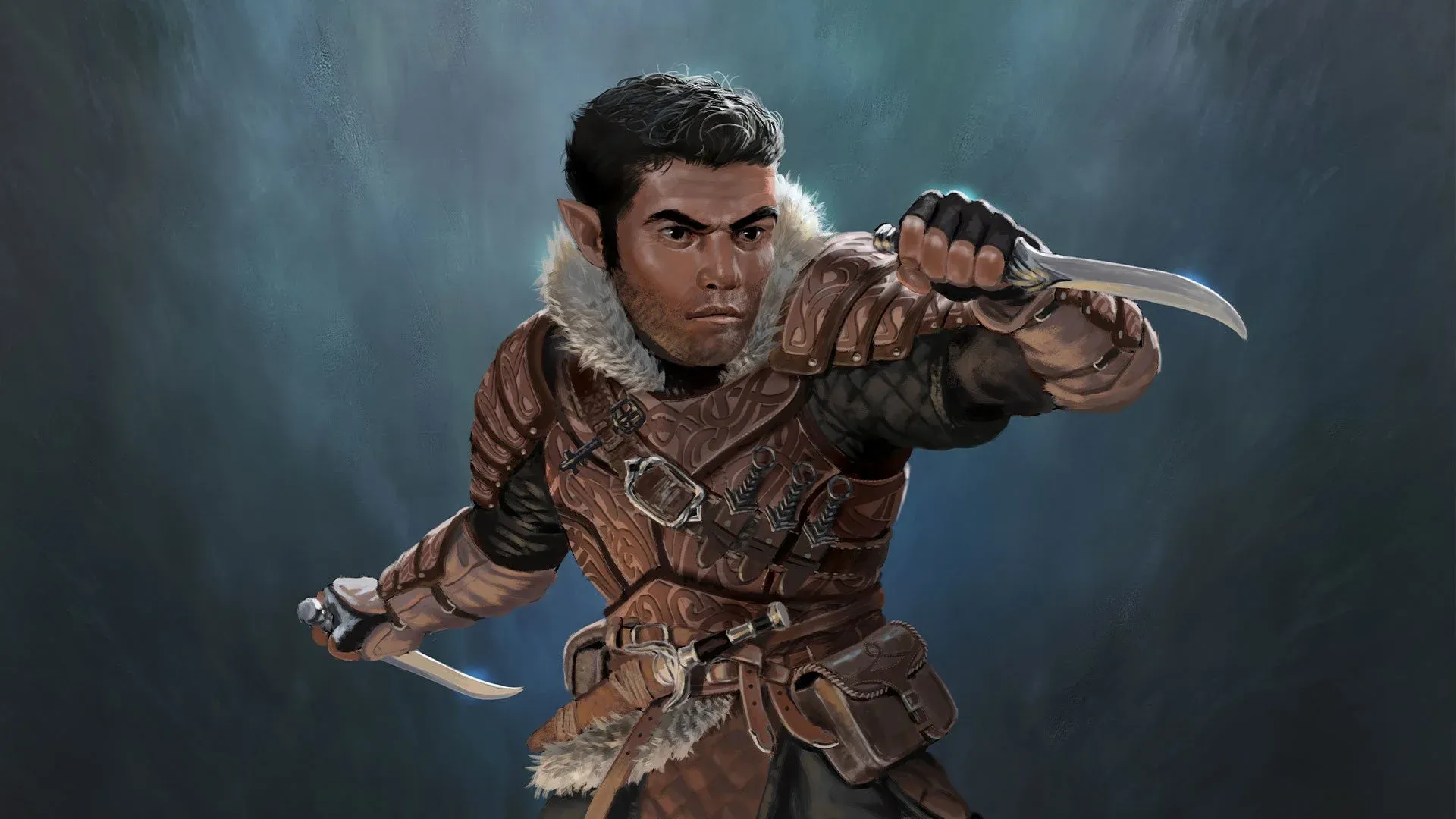


The Rogue in Solasta 2 is one of the most flexible and rewarding classes in the game. Whether you want to pick locks, vanish into shadows, or unleash devastating Sneak Attack damage, this class delivers consistent value in every encounter. Two distinct subclasses let you tailor your playstyle toward pure physical dominance or arcane trickery. Here is everything you need to know to build and play a Rogue effectively.
What Makes the Rogue Strong in Solasta 2?
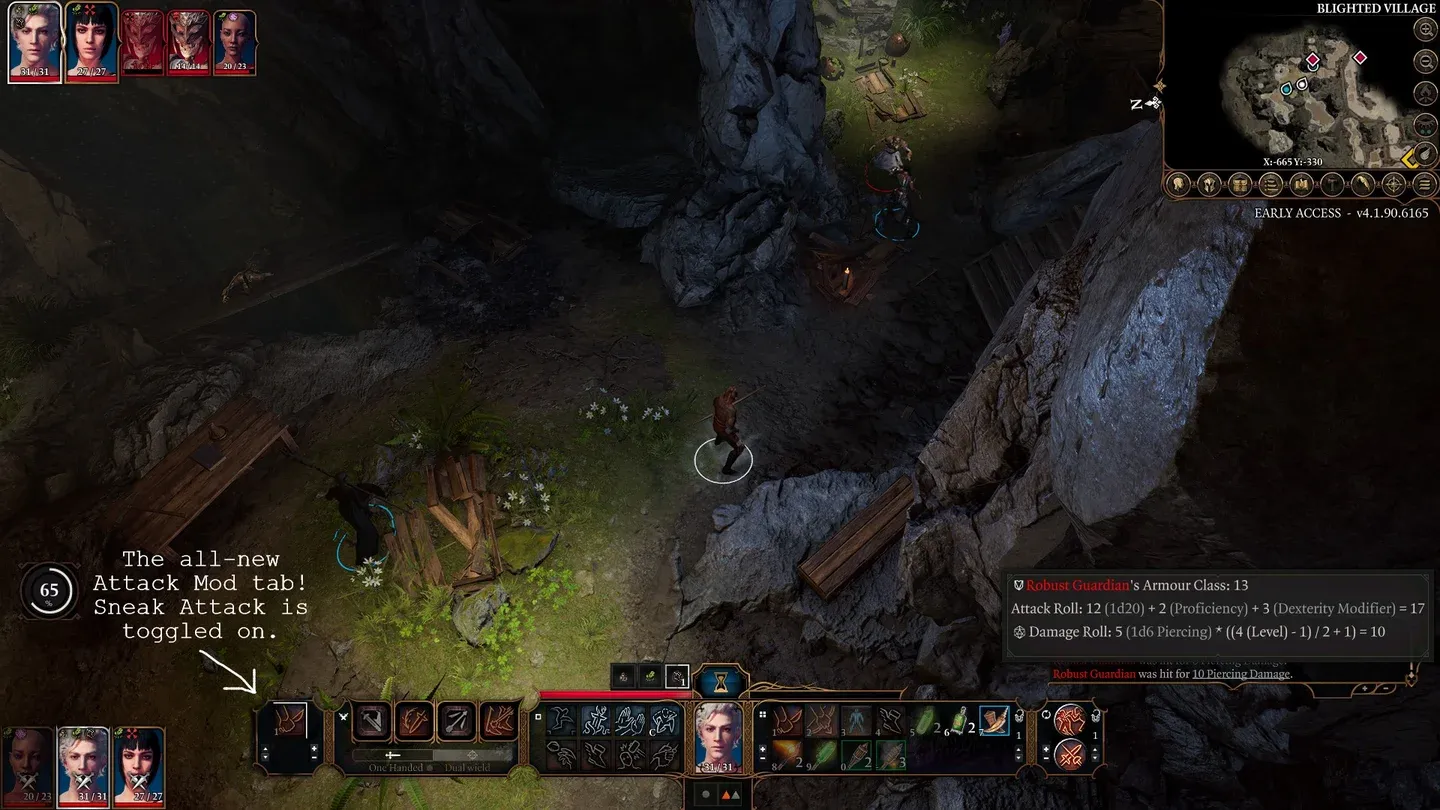
The Rogue punches well above its weight through one core mechanic: Sneak Attack. Starting at 1d6 extra damage, this bonus scales by an additional 1d6 every two levels, making your output grow significantly as you progress. The condition for triggering it is flexible too. You only need either Advantage against the target or an ally standing adjacent to them. In a well-coordinated party, that second condition is almost always met.
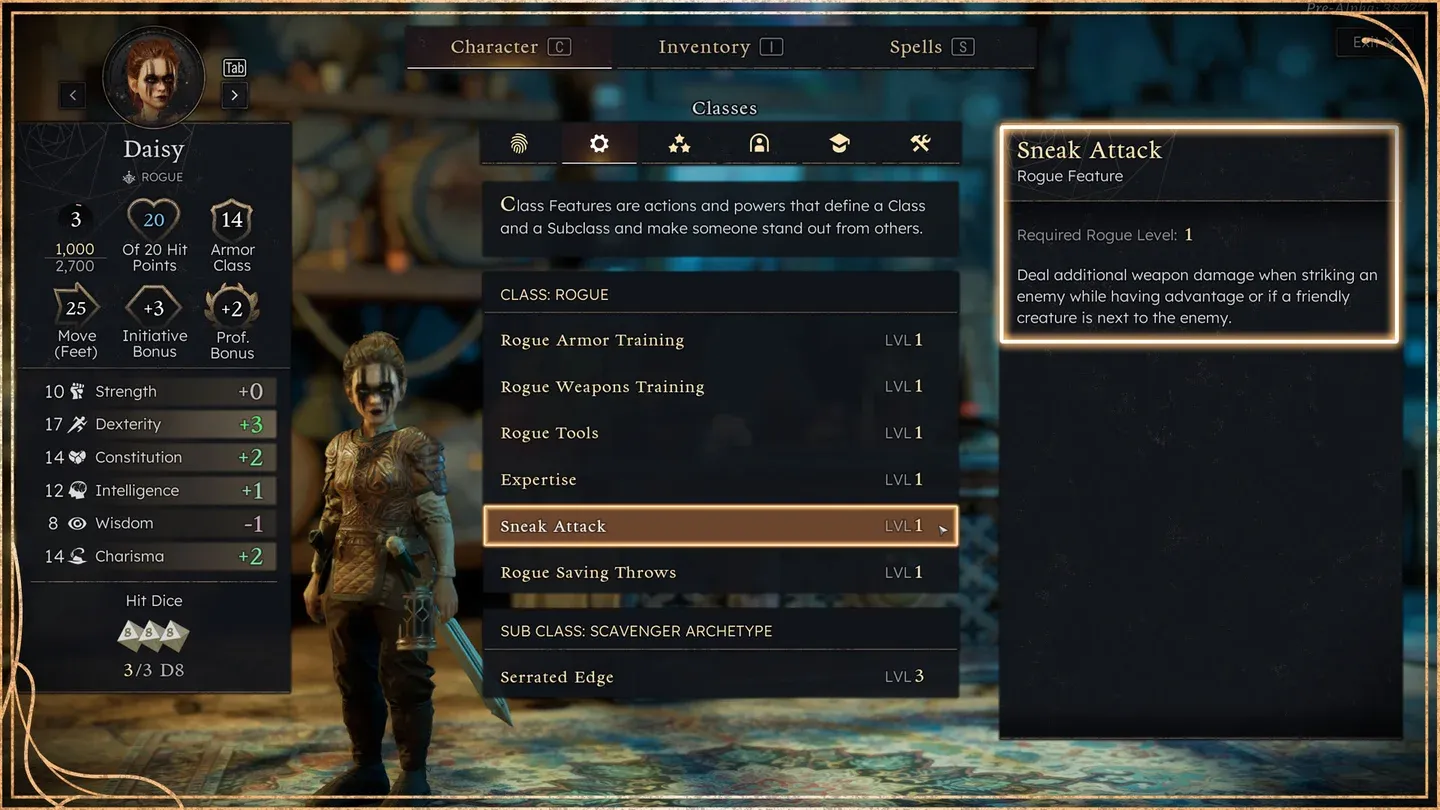
Beyond raw damage, the Rogue brings exceptional skill coverage. You pick four skills from a wide list including Stealth, Perception, Deception, and Sleight of Hand, and your Expertise feature lets you double your Proficiency Bonus on two of those right from the start. This makes the Rogue the go-to choice for any party that needs a reliable face, scout, or trap-handler.
Sneak Attack damage output
Rogue Starting Proficiencies and Core Features
Before choosing a subclass, every Rogue in Solasta 2 begins with the following foundation:
- Weapon Proficiencies: Simple Weapons, Longswords, Shortswords, Rapiers, Hand Crossbows
- Armour Proficiencies: Light Armour
- Saving Throw Proficiencies: Dexterity and Intelligence
- Skill Selection: Choose 4 from Acrobatics, Athletics, Deception, Insight, Intimidation, Investigation, Perception, Performance, Persuasion, Sleight of Hand, Stealth
- Expertise: Double Proficiency Bonus on 2 chosen skills at level 1
- Thieves' Tools Proficiency: Essential for interacting with locks and traps
- Smithing: Craft arrows and bolts using Smith's Tools
This starting package makes the Rogue immediately useful in both combat and exploration from the first session.
What Are the Key Rogue Level-Up Milestones?
Here is a breakdown of the most impactful abilities you unlock as your Rogue levels up in Solasta 2:
Cunning Action at level 2 is arguably the most impactful early unlock. Being able to Disengage or Hide as a Bonus Action means you can attack, reposition, and avoid opportunity attacks all in a single turn. This keeps your Rogue alive and in position far better than any defensive feat could.
Evasion at level 7 is similarly strong. In a game where area-of-effect spells and traps are common, completely negating damage on a successful save is a massive defensive advantage.
Cunning Action bonus options
Which Subclass Should You Choose?
Solasta 2 currently offers two Rogue subclasses, each unlocked at level 3. They suit very different playstyles.
Scavenger: The Physical Damage Specialist
The Scavenger is built around maximizing weapon damage in every encounter. The subclass flavor positions them as expert survivalists who make the most of limited resources, and that translates directly into combat.
Scavenger Subclass Features:
- Level 3 - Serrated Edge: Once per turn when you hit a creature with a weapon attack, deal an additional 1d6 Slashing Damage. This stacks on top of your Sneak Attack.
- Level 9 - Slippery Fellow: You can now use your Cunning Action to Dodge, adding a third defensive option to your Bonus Action toolkit.
The Serrated Edge feature is straightforward but powerful. It adds a reliable 1d6 to every weapon hit, independent of Sneak Attack conditions. Combined with your Sneak Attack scaling, a Scavenger Rogue at higher levels deals significant burst damage in a single strike.
Slippery Fellow transforms your defensive options at level 9. Being able to Dodge as a Bonus Action means you can stay in melee range without eating full attacks from dangerous enemies, which is a significant survivability boost.
Shadowcaster: The Arcane Trickster
The Shadowcaster blends Rogue mechanics with wizard-school spellcasting, giving you access to magic from the Schools of Divination, Illusion, Necromancy, and Abjuration. This subclass rewards players who enjoy tactical flexibility and unpredictability.
Shadowcaster Subclass Features:
- Level 3 - Spellcasting: Cast Wizard Spells and Cantrips from Divination, Illusion, Necromancy, and Abjuration schools.
- Level 3 - Shadow Casting: You can apply your Sneak Attack bonus when using spells that require an attack roll, as long as the normal Sneak Attack conditions are met.
- Level 9 - Into the Shadows: As a Bonus Action, teleport to any visible cell. Recharges after a short rest. You also learn two additional Cantrips.
Shadow Casting is the standout feature here. Normally, Sneak Attack only works with finesse or ranged weapons. By extending it to spell attack rolls, the Shadowcaster can deliver burst damage through magical means, opening up entirely new tactical options. An Illusion spell that forces a target into a vulnerable position followed by a Sneak Attack-empowered cantrip is a potent combination.
Into the Shadows at level 9 is an exceptional mobility tool. Teleporting to any visible cell as a Bonus Action means you can reposition after attacking, escape melee range without burning your Disengage action, or close distance on a fleeing target instantly.
Scavenger vs. Shadowcaster: Which Is Better?
If you want consistent, easy-to-execute damage in every fight, the Scavenger is the cleaner choice. If you enjoy reading spell lists, planning multi-step turns, and surprising enemies with magical tricks, the Shadowcaster offers more depth.
What Feats Should You Take as a Rogue?
The Rogue gains Feats or Ability Score Improvements at levels 4, 8, 10, and 12. Since the class is heavily Dexterity-dependent, your first priority should be ensuring your Dexterity score is as high as possible, as it governs your attack rolls, damage with finesse weapons, Armor Class, and key saving throws.
After that, consider feats that extend your action economy or improve your survivability in situations where Cunning Action alone is not enough. The source material notes that this section is still being developed, so specific feat recommendations will expand as more information becomes available.
How Does the Rogue Fit Into a Party?
The classic Fighter, Rogue, Wizard, Cleric party composition remains a strong choice in Solasta 2. The Rogue fills the skill and single-target damage role that neither the Fighter nor the Wizard can cover as efficiently. Your Thieves' Tools proficiency handles locked doors and traps, your Stealth opens up scouting opportunities, and your Sneak Attack ensures you are always contributing meaningful damage in combat.
For the Scavenger, staying close to your Fighter or Cleric means the adjacency condition for Sneak Attack is almost always satisfied. For the Shadowcaster, positioning flexibility through teleportation means you can adapt to whatever the encounter demands without relying on allies to set up your damage.
Both subclasses reward players who think ahead and plan their turns rather than simply attacking and hoping for the best. The Rogue is a class that rewards tactical awareness more than raw numbers.